Guide· by Celtic Salt Editorial Team
What Is The Difference Between Celtic Salt And Table Salt
Incorporating Celtic salt into your culinary repertoire can be a rewarding experience. Here are some practical guidelines and tips to maximize its use in your kitchen. First and foremost, it’s important to understand that due to its unique texture and mineral content, Celtic salt typically has a more robust flavor compared to table salt. As a result, you may need to adjust the amount you use in recipes compared to your usual measurements of table salt.
When utilizing Celtic sea salt in cooking, consider adding it during the early stages of a recipe to allow its flavors to meld into the dish. It’s excellent for enhancing soups, stews, braises, and marinades, where its mineral richness can elevate the underlying flavors. As a finishing salt, Celtic salt works beautifully on roasted vegetables or meats, lending texture and a burst of flavor when sprinkled on just before serving.
For those engaging in baking, it can also be a delightful addition. If a recipe calls for table salt, try starting with a slightly reduced amount of Celtic salt, tasting as you go, since its strong presence can dominate more delicate flavors. In salads, sprinkling a pinch of Celtic salt over fresh greens can brighten flavors, enhancing the overall experience. Cooking enthusiasts may also explore its use in salt crusts for meats or even in homemade brines for pickling, where its unique character can shine.
When introducing this delectable salt to your meals, keep in mind the potential of salt to balance flavors. It not only adds saltiness but can amplify sweetness in desserts or counteract bitterness in vegetables. Experimenting with Celtic sea salt can unlock new dimensions of flavor while promoting a healthier cooking style, all while honoring the traditional methods from which it originates.
Discover — $79.99 →
🧂 AUTHENTIC IGP GUÉRANDE SALT
500g / 17.6 oz · Hand-harvested · Brittany, France
What to Look for When Buying
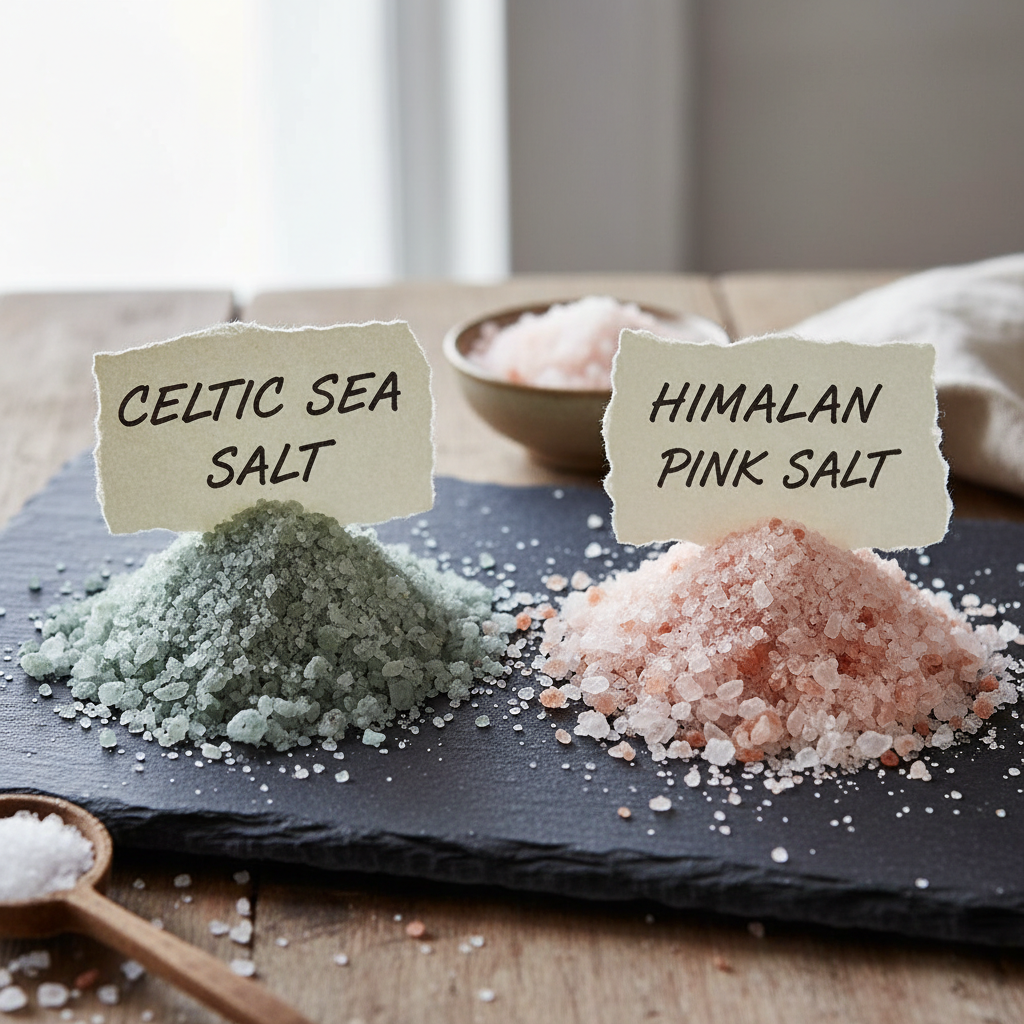
When purchasing Celtic salt, it’s crucial to ensure you’re getting a high-quality product that maintains its natural properties. One of the best indicators of quality is to look for the IGP (Indication Géographique Protégée) certification, which guarantees that the salt has been harvested from the traditional salt marshes of Guérande, Brittany. This certification signifies authenticity and commitment to traditional harvesting methods that have been passed down through generations. Additionally, pay attention to the color and texture of the salt. Quality Celtic salt typically appears grey due to the natural clay from the salt pans, which contains essential trace minerals. In contrast, pure white salt often indicates heavy processing and refinement, which strips away beneficial minerals. You can also seek out unrefined Celtic salt with a slightly moist texture, as this is often a sign that it retains its mineral content, resulting in a richer flavor. Reading labels is an important part of the purchasing process. Look for products that mention they are minimally processed, as the more natural the salt, the more benefits it is likely to retain. Also, consider the packaging—eco-friendly packaging indicates a commitment to sustainable practices, aligning with the values of health-conscious consumers. Ultimately, choosing high-quality Celtic salt not only enhances your culinary experiences but also supports traditional artisanal practices.Common Questions About what is the difference between celtic salt and table salt
What are the main differences between Celtic salt and table salt?
The primary differences between Celtic salt and table salt lie in their processing and mineral content. Celtic salt is unrefined and retains trace minerals, providing a more complex flavor, while table salt is highly refined and typically contains additives such as anti-caking agents.🧂 AUTHENTIC GUÉRANDE CELTIC SALT
Celtic Authentic Grey Salt – 500g / 17.6 oz
Hand-harvested · Unrefined · trace minerals whose levels vary by harvest and product · IGP certified
Compare at $114.99
Get Your Bag — $79.99 →Is Celtic salt healthier than table salt?
Celtic salt may be considered a healthier option by some due to its unrefined nature and retained minerals, while table salt often lacks these benefits due to heavy processing. However, both should be used in moderation within a balanced diet.Can I use Celtic salt in place of table salt in recipes?
Yes, you can substitute Celtic salt for table salt in recipes, but it’s advisable to start with a smaller amount due to its more potent flavor. Adjust according to taste for the best results in your dishes.How is Celtic salt harvested?
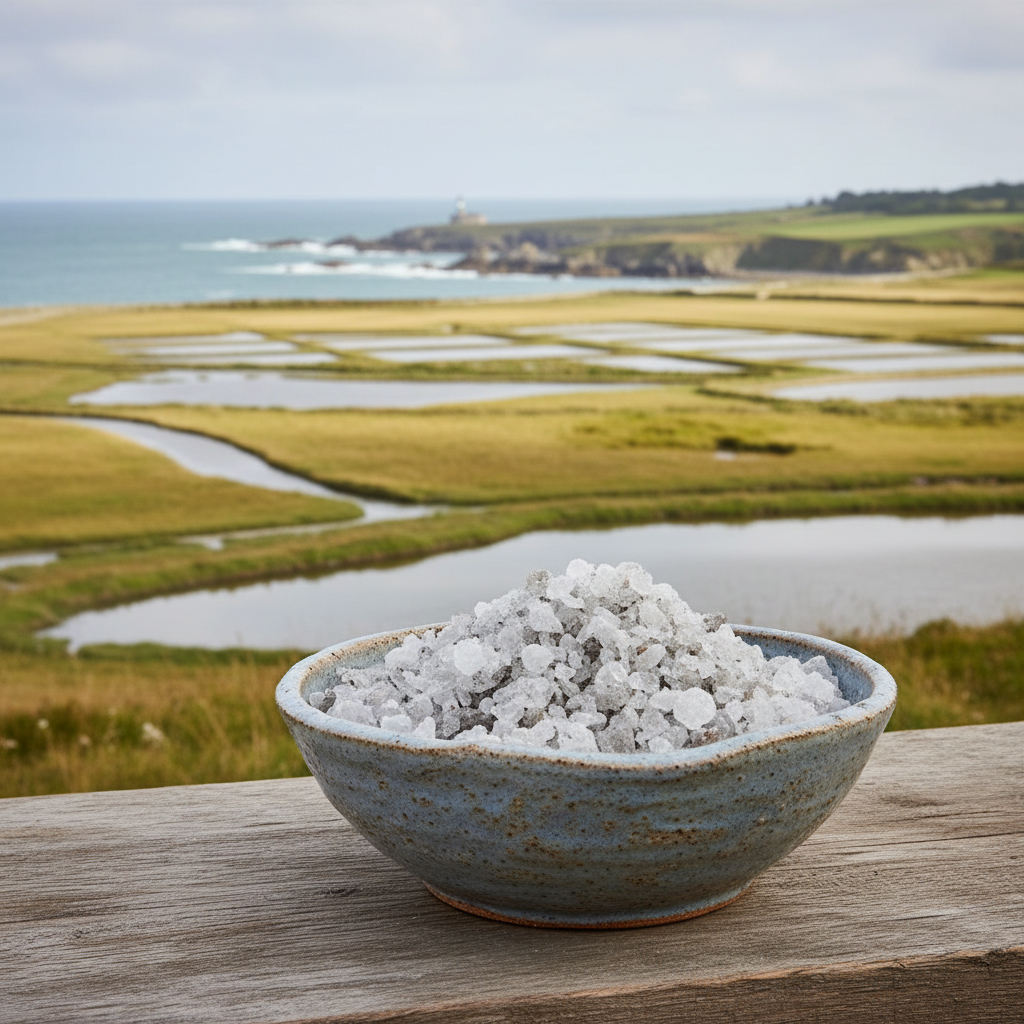
Celtic salt is traditionally harvested using an artisanal method by paludiers, who collect seawater in shallow ponds. As the water evaporates naturally, salt crystals form, which are then carefully collected, preserving natural minerals.Does Celtic salt have any unique flavor characteristics?
Yes, Celtic salt has a distinct flavor due to its mineral content, which contributes to a complex, slightly briny taste. This richness enhances the overall flavor profile of dishes, making it a preferred choice for many chefs and home cooks.Conclusion
Understanding the differences between Celtic salt and table salt is essential for health-conscious consumers looking to elevate their culinary practices. With its unrefined nature and rich mineral content, Celtic salt not only adds flavor but also reflects a commitment to traditional harvesting methods. By incorporating more natural salts into your diet, you can enhance your meals while making mindful choices that align with your overall wellness goals. As you explore the unique properties and uses of Celtic salt, you may just find a new appreciation for this ancient ingredient, enriching both your kitchen and your health journey.Celtic Salt — IGP Guérande
Hand-harvested by Breton paludiers. 500g / 17.6 oz jar, unrefined, trace minerals whose levels vary by harvest and product.
Free shipping — standard tracked delivery included
Get Your Bag — $79.99 →