Hand-harvested Guérande salt · Tracked international delivery included
Guide· by Celtic Salt Editorial Team
Celtic Sea Salt Vs Table Salt
Introduction — Why celtic sea salt vs table salt Matters in 2026
As we move into 2026, the importance of understanding the differences between various salts has become increasingly crucial. In a world where health and wellness trends dominate, consumers are becoming more knowledgeable about the ingredients they include in their diets. One of these vital ingredients is salt, and more specifically, the distinction between Celtic sea salt and regular table salt. This article aims to highlight the key differences, benefits, and practical uses of Celtic sea salt in comparison to table salt.
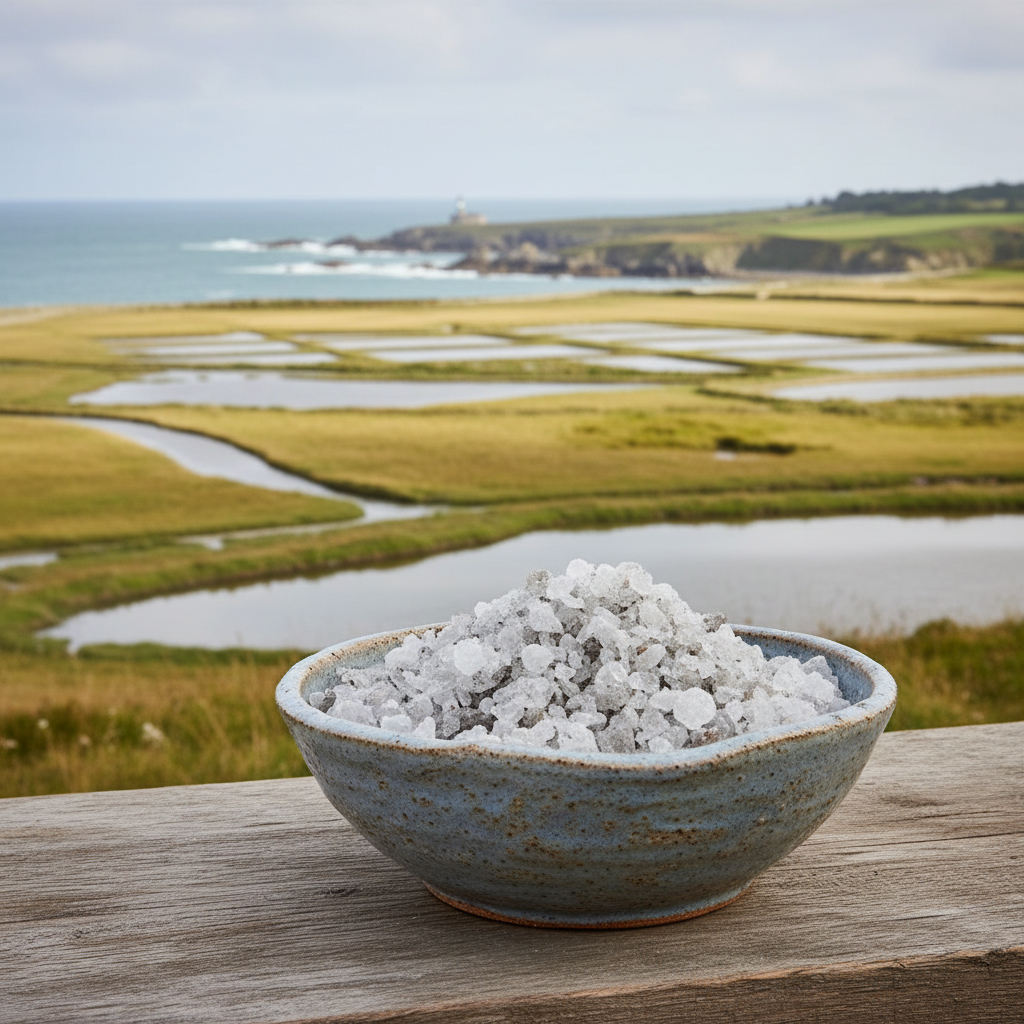
Celtic sea salt, harvested from the pristine coastal regions of Brittany, France, offers a unique flavor profile and mineral content that set it apart from conventional table salt. The growing trend of seeking natural, unrefined food ingredients has raised awareness about the deleterious effects that processed foods can have on health, including the processed nature of traditional table salt. Understanding the distinctions between these salts not only enhances your culinary experience but also empowers you to make better dietary choices.
This comprehensive exploration will delve into the origins, benefits, and practical applications of Celtic sea salt versus table salt, enabling you to appreciate why making informed choices in your seasoning can profoundly impact your overall well-being and culinary adventures.
What Is celtic sea salt vs table salt?
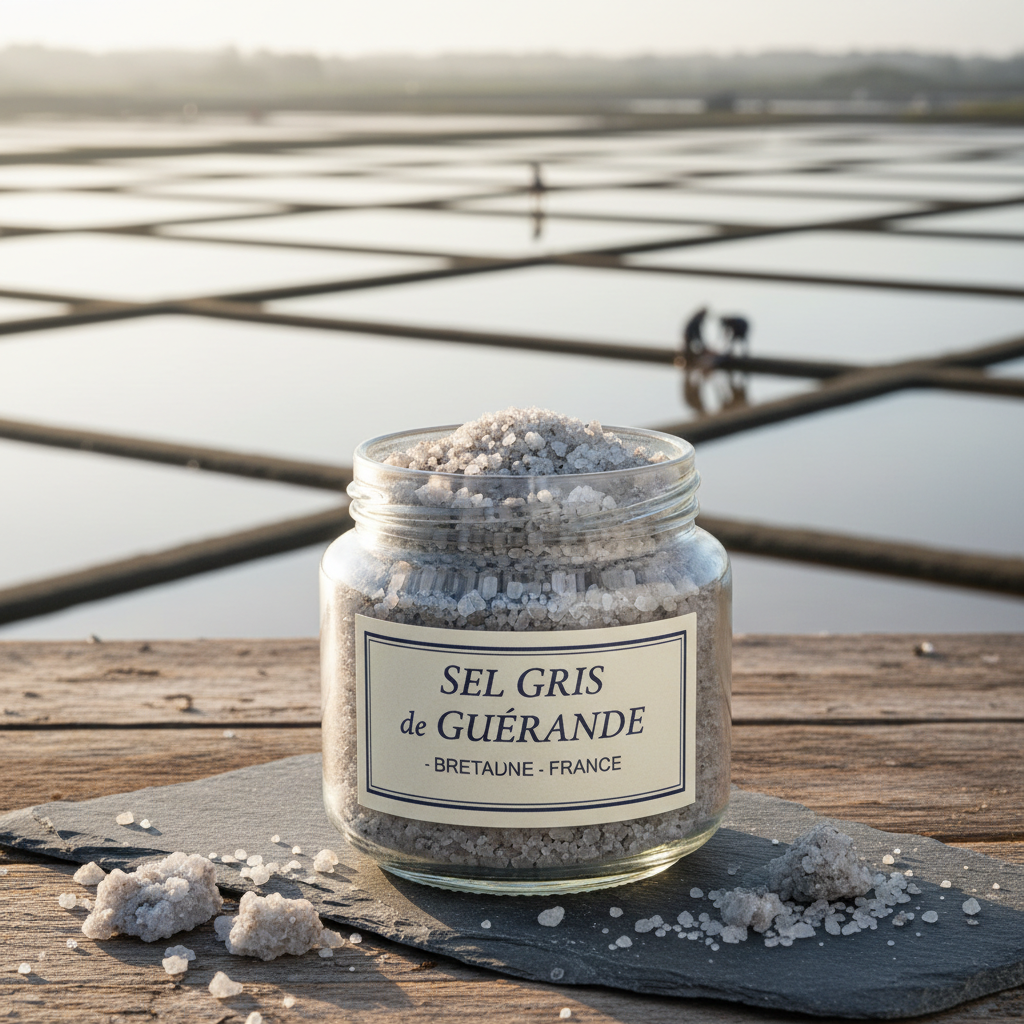
Celtic sea salt, often referred to as grey salt, is a natural, unrefined salt that is harvested through traditional methods in the salt marshes of Brittany, France. Paludiers, or salt farmers, hand-harvest this salt using wooden tools, which helps to preserve its mineral content and unique flavor characteristics. Celtic sea salt is known for its greyish hue, a result of the clay and minerals present in the salt pans. This unrefined salt retains moisture, making it a fantastic choice for seasoning dishes and enhancing flavors.
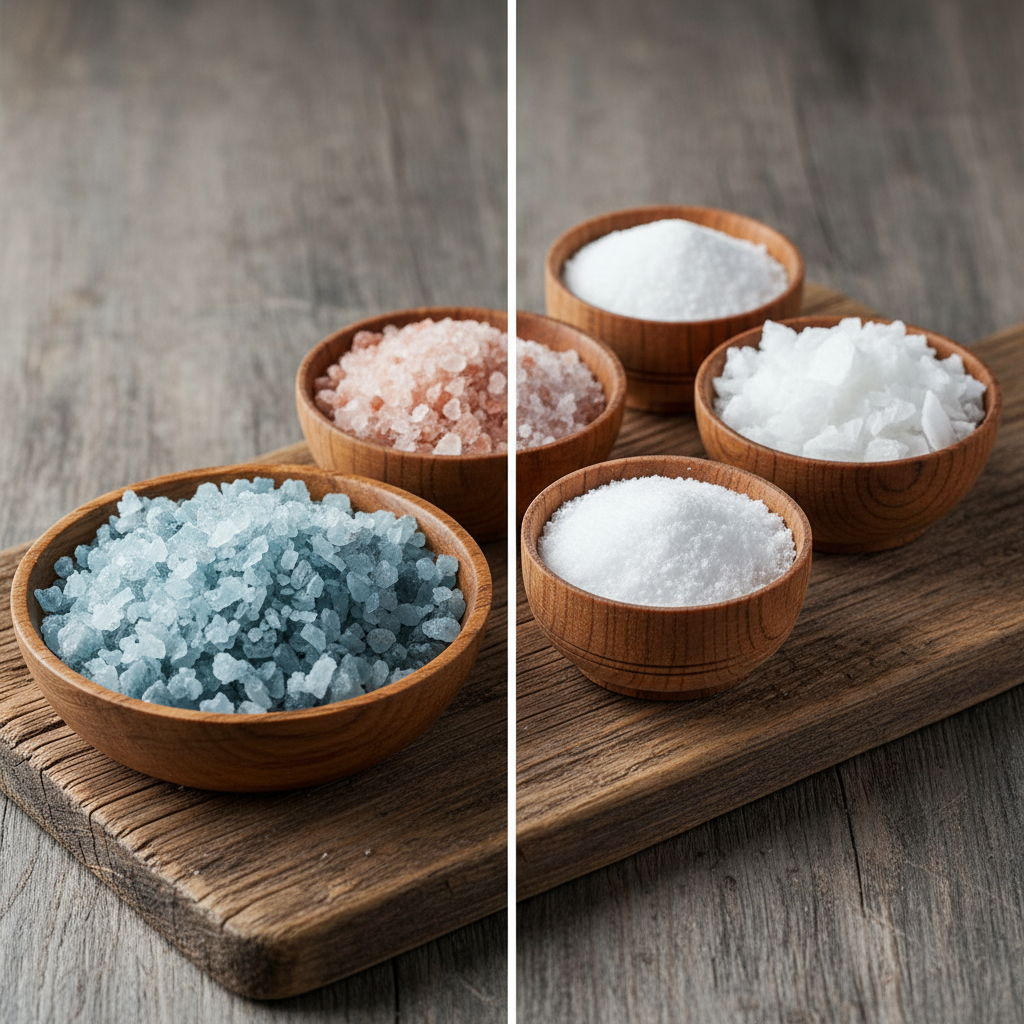
In stark contrast, table salt is typically highly refined. It undergoes processes that strip away its natural minerals while often adding anti-caking agents to ensure it flows freely. Most commonly, table salt is sodium chloride (NaCl) harvested from salt mines and is often iodized to prevent deficiencies in iodine within the diet. The refining process alters its original composition, making it vastly different in flavor and health benefits when compared to unrefined salts like Celtic sea salt.
The differences in the production methods of these salts lead to a variety of characteristics including taste, texture, and nutritional content. Celtic sea salt is favored by chefs and home cooks alike for its complex flavor profile and its ability to enhance the natural tastes of foods, whereas the blandness of table salt can often overpower the flavors of dishes. Recognizing these differences is essential for anyone looking to elevate their culinary practices and embrace a more natural approach to seasoning.
Key Benefits and Properties
One of the primary benefits of using Celtic sea salt over table salt is its rich mineral content. This natural salt retains vital trace minerals such as calcium, magnesium, potassium, and iron, all of which are beneficial to overall health. The presence of these minerals can contribute not only to enhanced flavor but also to improved hydration and electrolyte balance in the body.
The unique harvesting process of Celtic sea salt also means that it is free from additives and chemicals commonly found in table salt. This purity preserves its natural flavor and nutritional benefits, making it a healthier option for consumption. Furthermore, the moisture content in Celtic sea salt can help with flavor absorption in cooked dishes, allowing for a more flavorful dining experience.
Celtic sea salt is also touted for its versatility in the kitchen. Due to its texture, it can be used in various culinary applications, from finishing dishes to baking or brining meats. Its ability to enhance flavors without overwhelming them makes it a beloved staple among chefs who value high-quality ingredients. On the other hand, table salt, with its highly refined characteristics, can often lead to saltiness without the depth of flavor that unrefined salts provide.
In addition to culinary uses, Celtic sea salt has been appreciated in culinary traditions for its purported health benefits. Some advocates of natural salt suggest that it can aid in digestion, support respiratory health, and contribute to overall wellness, although it is essential to approach such claims with caution due to the lack of scientific substantiation. However, it is undeniable that many prefer the taste and experience of using Celtic sea salt in their cooking over the more commonplace table salt.
How to Use celtic sea salt vs table salt: Practical Guide
When it comes to using Celtic sea salt and table salt, understanding their properties can guide you in achieving the best culinary outcomes. With its larger crystals and slightly moist texture, Celtic sea salt lends itself well to finishing dishes. Sprinkling it over meats, vegetables, and salads just before serving can elevate the flavors and provide a delightful crunch.
For cooking, when substituting Celtic sea salt for table salt, it's important to take note of the differences in saltiness and texture. A general guideline is to use more Celtic sea salt by volume compared to table salt due to its larger granules. For example, if a recipe calls for one teaspoon of table salt, consider starting with one-and-a-half teaspoons of Celtic sea salt and adjusting to taste.
In baking, the roles of these salts can differ as well. While table salt can be seamlessly integrated into a dough due to its fine texture, you may need to dissolve Celtic sea salt first in water before adding it to the mixture to ensure it disperses evenly. This way, it can enhance the flavor of the baked goods without creating uneven salty pockets.
For brining purposes, Celtic sea salt works exceptionally well due to its mineral-rich composition. Create a brine with water, Celtic sea salt, and other flavoring agents such as herbs, spices, or sugars to prepare meats for roasting or grilling. The moisture it retains complements the brining process and can create incredibly flavorful, juicy results.
In contrast, table salt can be convenient for quick seasoning needs and works well for pickling and canning, where precise measurements and consistency are essential. However, when aiming for gourmet results with more nuanced flavors, Celtic sea salt tends to come out ahead.
How to Choose Quality celtic sea salt vs table salt
When selecting high-quality Celtic sea salt, there are several factors to consider. Firstly, look for salts that are labeled as "hand-harvested" or "unrefined." This designation ensures that the salt has been collected through traditional methods that preserve its nutritional qualities and flavor. Brands that source salt from the Guérande region of Brittany are particularly notable for their authenticity and adherence to traditional harvesting practices.
It's also vital to assess the color and texture of the salt. Authentic Celtic sea salt typically has a grayish hue due to the minerals and clay present in the salt pans. The texture should be moist and coarse, allowing for proper application and enjoyment during cooking.
Packaging plays a role too. Choosing salts in resealable or opaque containers can help preserve freshness and prevent moisture loss. Additionally, check for third-party certifications or seals that indicate quality assurance, as this reflects the product's purity and compliance with industry standards.
On the other hand, when it comes to table salt, the choices are often more straightforward since most commercial varieties come iodized. Opt for those labeled without additives if you are looking for a simple, pure alternative. Although table salt does not usually boast the same mineral content as its unrefined counterparts, selecting a quality brand can ensure you get a consistent product without fillers.
Ultimately, while table salt may serve its purpose for certain applications, seeking high-quality Celtic sea salt can enrich your culinary repertoire and provide a more comprehensive experience with flavor and nutrition.
Common Mistakes to Avoid
When transitioning from table salt to Celtic sea salt, there are common pitfalls to watch out for to ensure you make the most of your seasoning. One frequent mistake is assuming one-to-one equivalence in measurements. The difference in granule size means that using the same volume of Celtic sea salt as you would table salt can lead to overly salty dishes. Always start with less and adjust according to your taste preferences.
Another common error is neglecting to dissolve Celtic sea salt in liquid for recipes that require even salt distribution, particularly in baking or marinades. Simply adding the coarse crystals directly to mixture without prior dissolution can cause inconsistencies in flavor, resulting in certain bites being overly salty.
It's also a common oversight to disregard how Celtic sea salt enhances the overall flavor of a dish compared to table salt. This means that you might not need to add as much flavor-enhancing ingredients, such as additional spices or acidic components, since the depth of flavor in the dish may already be enhanced simply by using high-quality salt.
Additionally, not considering the source of your Celtic sea salt can result in purchasing lower-quality imitations. Be vigilant about where the salt is sourced and its harvesting methods to ensure you are reaping all the potential benefits.
Finally, forgetting that salt plays a pivotal role in the balancing act of recipes is yet another mistake. Balancing saltiness with sweetness, acidity, and bitterness is integral in cooking. Relying solely on table salt may not provide the well-rounded flavor that Celtic sea salt can achieve, so be mindful to reevaluate your approach to seasoning.
Frequently Asked Questions
What is the difference in taste between celtic sea salt and table salt?
Celtic sea salt has a more complex flavor profile due to its natural mineral content, offering a subtle brininess and earthiness compared to the pure, straightforward saltiness of table salt.
Can I use celtic sea salt in baking?
Yes, you can use Celtic sea salt in baking, but it's recommended to dissolve it in water first to ensure even distribution throughout your batter or dough.
Is celtic sea salt healthier than table salt?
Celtic sea salt is often considered healthier due to its unrefined nature and the presence of trace minerals that are stripped away during the refining of table salt.
How should I store celtic sea salt?
Store Celtic sea salt in an airtight container in a cool, dry place to maintain its moisture content and prevent clumping.
Can I substitute table salt for celtic sea salt in recipes?
While you can substitute table salt for Celtic sea salt, it's important to adjust the quantity accordingly due to the difference in granule size and saltiness.
Conclusion
Understanding the differences between Celtic sea salt and table salt is not just a culinary journey; it represents a broader shift towards more informed and health-conscious eating habits. As we progress through 2026, the dedication to choosing high-quality ingredients will continue to shape our diets and lifestyles. Celtic sea salt, with its unique characteristics and benefits, stands out as a superior choice, offering not only enhanced flavors but also greater nutritional value.
The contrast between Celtic sea salt’s natural, complex profile and the simplicity of table salt invites exploration and experimentation in the kitchen. Whether you're a seasoned chef or a home cook, embracing these differences can transform your approach to cooking and seasoning. By selecting quality salts and using them thoughtfully, you can elevate your meals and appreciate the rich heritage behind these ancient ingredients.
Ultimately, the choice between Celtic sea salt and table salt is about more than just taste; it’s about connection to the land, tradition, and the health of your body. By prioritizing high-quality salts like Celtic sea salt, you engage in a broader conversation about wellness, sustainability, and culinary excellence that resonates well beyond the plate.
Celtic Salt — IGP Guérande
Hand-harvested by Breton paludiers. 500g / 17.6 oz jar, unrefined, trace minerals whose levels vary by harvest and product.