Hand-harvested Guérande salt · Tracked international delivery included
Guide· by Celtic Salt Editorial Team
Celtic Salt Nearby
Introduction — Why celtic salt nearby Matters
As the interest in healthy eating and natural foods continues to gain momentum, consumers are increasingly exploring alternatives to ordinary table salt. Among these alternatives, Celtic sea salt, known for its unique flavor and mineral content, stands out. For those interested in incorporating wholesome products into their diets, knowing where to find Celtic salt nearby can enhance both culinary experiences and health choices. Sourced from the pristine coastal regions of Brittany, particularly from the Guérande marshes, Celtic salt is hand-harvested by paludiers, or salt farmers, who have preserved traditional methods for centuries. This dedication to quality not only impacts the flavor but also the nutritional profile of the salt, making it a favored choice for health-conscious individuals.
In this article, we will explore the significance of Celtic salt, its origins, its benefits, and practical ways to incorporate it into your daily routine. Understanding where to source this salt locally can lead to discoveries of high-quality options that are often overlooked in commercial grocery stores. The commitment to maintaining the traditional practices surrounding Celtic salt harvesting ensures that it remains a sustainable and flavorful choice for consumers who appreciate the nuances of natural foods. Whether you’re cooking at home or looking to elevate your dining experiences, knowing how to find the best Celtic salt nearby can make a world of difference to your culinary adventures and overall well-being.
What Is celtic salt nearby?
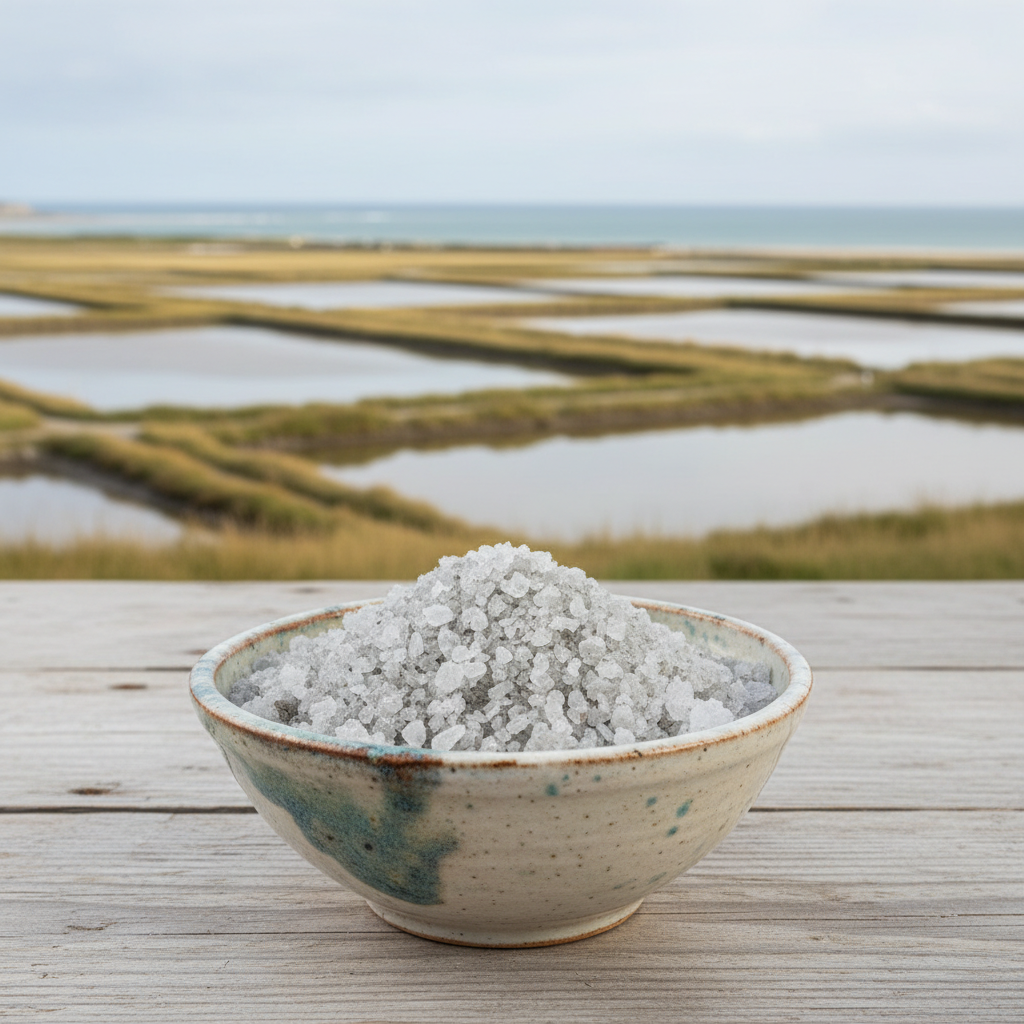
Celtic salt, often referred to as grey salt, is a type of unrefined sea salt that hails from the coastal region of Brittany, France, particularly the Guérande area. This salt is characterized by its distinctive grey hue, which comes from the clays found in the salt flats where it is harvested. Celtic salt is traditionally harvested by hand, using techniques that have been passed down through generations of paludiers. These artisans carefully gather the salt crystals from shallow ponds that fill with seawater, allowing the sun and wind to evaporate the water, leaving behind salt.
The process not only preserves the natural minerals present in the seawater but also reflects the importance of sustainable practices in its production. Celtic salt contains up to trace minerals whose levels vary by harvest and product, including magnesium and calcium, which are essential for maintaining a balanced diet. Unlike processed table salt, which is stripped of its minerals and often contains additives to prevent clumping, Celtic salt remains in its natural state, making it a prized addition to any kitchen. When considering sourcing Celtic salt nearby, it’s essential to understand its origins and the traditional practices that define its unique qualities, ensuring you are selecting a product that is both flavorful and health-conscious.
Key Benefits and Uses
The allure of Celtic salt lies not just in its flavor profile but also in its potential health benefits. While it's essential to note that Celtic salt does not serve as a magic cure, it may support a balanced diet and promote well-being in various ways. Because it is an unrefined salt, Celtic sea salt retains more natural minerals than table salt, which can contribute to a more nuanced taste and potentially provide minerals necessary for daily bodily functions.
Celtic salt has been traditionally used in cooking and as a finishing salt. Its mild flavor enhances the ingredients of a dish rather than overpowering them, making it a versatile choice for a variety of culinary applications. Additionally, the mineral content in Celtic salt may contribute to better hydration, as it helps retain water within cells. This balance can aid in maintaining optimal hydration levels, especially for those who lead active lifestyles.
🧂 AUTHENTIC IGP GUÉRANDE SALT
500g / 17.6 oz · Hand-harvested · Brittany, France
Moreover, Celtic salt’s natural origin means it has grounding properties that resonate in its flavorful profile, connecting consumers to the earth’s bounty. Because it is often harvested in small batches, Celtic salt may also support local economies and promote sustainable agricultural practices. Health-conscious individuals who prioritize ethical sourcing will appreciate that choosing Celtic salt contributes not just to their own well-being, but also to the livelihoods of those who have worked to keep these traditional salt harvesting methods alive.
How to Use celtic salt nearby
Integrating Celtic salt into your diet is a simple yet effective way to elevate your meals and imbue them with natural flavors. This salt can be used across an array of dishes, both savory and sweet. As a cooking salt, it serves wonderfully for seasoning meats, vegetables, or grains, helping to bring out the inherent flavors without overwhelming them. Since its mineral-rich profile adds depth, you may find that using Celtic salt requires less seasoning overall compared to more refined salts.
One popular method of using Celtic salt is as a finishing touch. Sprinkling a pinch of the salt atop a dish just before serving can create a delightful contrast in textures and flavors. This is particularly effective on roasted vegetables, grilled seafood, or a simple salad, enhancing each bite with a burst of flavor. Additionally, mixing Celtic salt into homemade brines or marinades can bring out richer tastes and improved flavor layering.
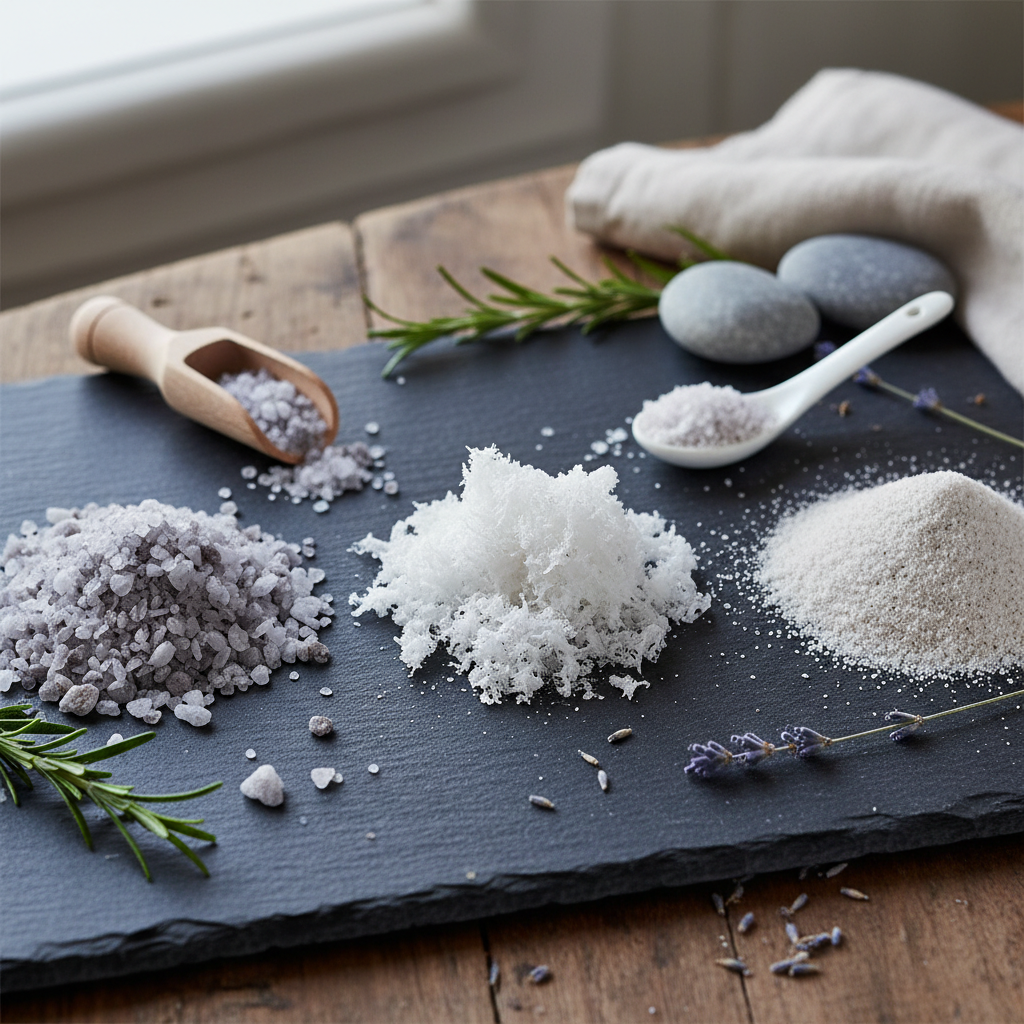
When using Celtic salt in baking, be sure to adjust the quantity according to taste, as its concentrated flavor can vary compared to regular table salt. For those interested in harnessing its mineral properties, you might consider a traditional approach of using Celtic salt in a warm bath to create a soothing experience. This method, often used in spa practices, highlights the salt's connection to relaxation and overall well-being.
Remember to experiment with Celtic salt in your kitchen and pay attention to the nuances it can bring to your culinary creations. With its unique flavor and potential benefits, it can become a staple in your cooking repertoire, encouraging a more mindful approach to seasoning and enhancing your overall meals.
What to Look for When Buying
When searching for Celtic salt nearby, quality is paramount. Not all sea salts are created equal; thus, it is essential to look for properly sourced and produced options. One key factor to consider is whether the salt carries the IGP Guérande designation. This label indicates that the salt has been harvested from the specific region of Guérande and that it has met stringent standards for quality and authenticity. The IGP designation also ensures that traditional methods are used in its harvesting, preserving the flavor and mineral content that are hallmarks of high-quality Celtic salt.
Consumers should also pay attention to the texture and appearance of the salt. Authentic Celtic sea salt often has a moist texture and a grey color due to the clay from the marshes. This should feel slightly damp to the touch, indicating that it hasn't been overly processed. If you find salt that appears too white or overly dry, it may have been refined, stripping it of its beneficial minerals and flavor.
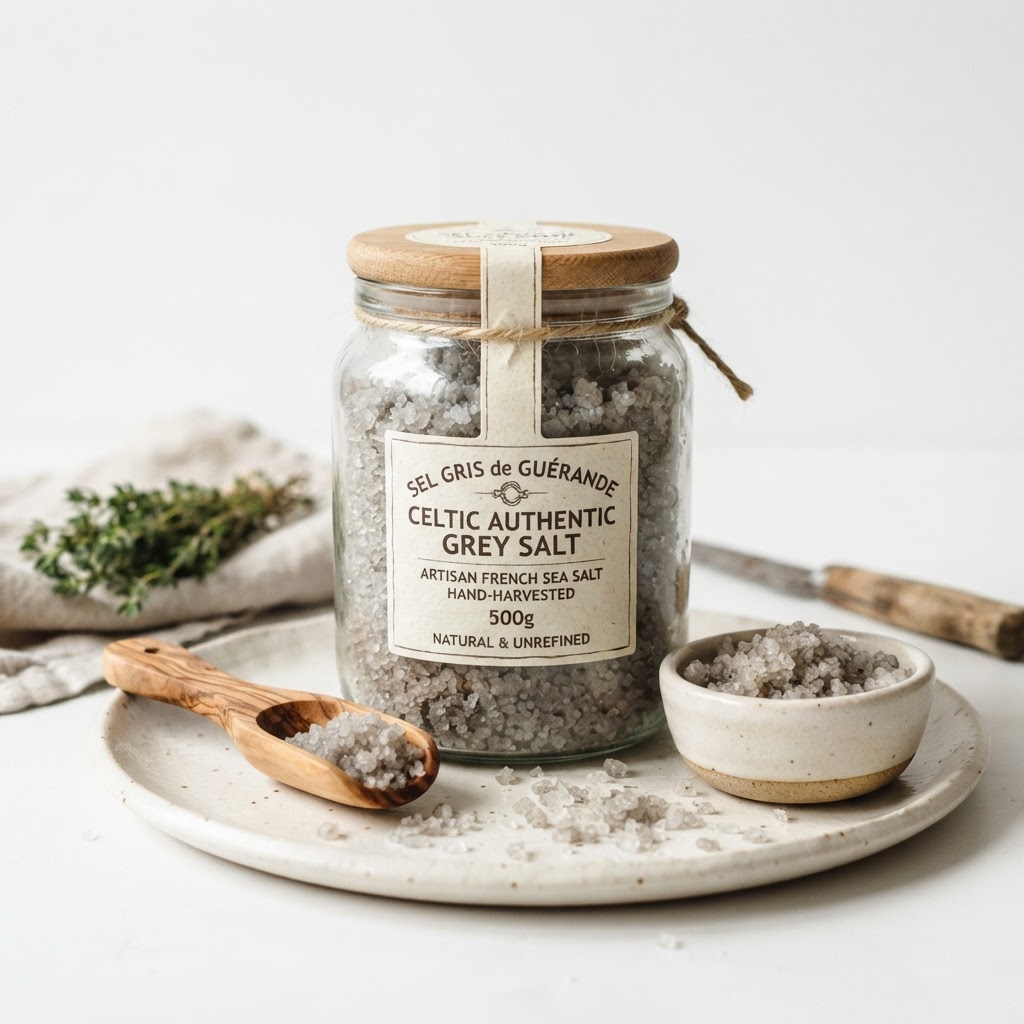
🧂 AUTHENTIC GUÉRANDE CELTIC SALT
Celtic Authentic Grey Salt – 500g / 17.6 oz
Hand-harvested · Unrefined · trace minerals whose levels vary by harvest and product · IGP certified
Checking for certifications or seals from heritage organizations can further confirm the salt's authenticity and commitment to sustainable practices. Transparency in sourcing practices is also a sign of quality; reputable brands will be open about where their salt comes from and their harvesting methods. As you shop, consider supporting local businesses and artisan producers who prioritize traditional methods. This not only guarantees quality but also contributes to the preservation of these time-honored salt-harvesting traditions.
Common Questions About celtic salt nearby
Is Celtic salt better than regular salt?
Celtic salt is often preferred by health-conscious consumers due to its unrefined nature, which retains essential minerals unlike regular table salt, which is heavily processed.
Can I use Celtic salt in baking?
Absolutely! Celtic salt can be used in baking, but it’s advisable to adjust the quantity according to your palate, as its flavor may differ from standard baking salts.
Where can I find Celtic salt nearby?
You can find Celtic salt at health food stores, specialty grocery stores, or look for local suppliers who emphasize natural and unrefined products.
How can I tell if my Celtic salt is genuine?
Look for IGP Guérande certification and examine the texture and color; authentic Celtic salt should be grey and slightly moist, indicating it hasn't been overly processed.
What are the cooking applications for Celtic salt?
Celtic salt can be used for seasoning in cooking, as a finishing salt for dishes, or even in brines, making it versatile across a wide range of culinary applications.
Conclusion
Incorporating Celtic salt into your diet not only enriches the flavor of your meals but also connects you to a centuries-old tradition of salt harvesting that emphasizes quality and sustainability. By understanding where to find Celtic salt nearby and how to choose authentic products, you can enhance your culinary experiences while supporting local artisans and sustainable practices. As you become more familiar with this unique sea salt, you’ll appreciate its potential benefits and the depth it adds to your cooking.
Celtic Salt — IGP Guérande
Hand-harvested by Breton paludiers. 500g / 17.6 oz jar, unrefined, trace minerals whose levels vary by harvest and product.
Free shipping — standard tracked delivery included