Hand-harvested Guérande salt · Tracked international delivery included
Guide· by Celtic Salt Editorial Team
Celtic Sea Salt Recipes
Introduction — Why Celtic Sea Salt Recipes Matter in 2026
In the culinary world, the choice of ingredients can dramatically shape the flavor, texture, and nutritional profile of our dishes. In 2026, the importance of using high-quality, natural ingredients like Celtic sea salt has gained unprecedented recognition. This artisan salt, harvested from the coastal ponds of Guérande in Brittany, France, is known for its unique flavor and mineral-rich composition. As the global trend moves towards sustainable living and clean eating, recipes that incorporate Celtic sea salt are becoming increasingly popular, offering not only delectable taste but also a connection to the heritage of traditional French salt harvesters known as paludiers.
Celtic sea salt recipes not only enhance the flavors of the dishes but also provide an opportunity to explore the depths of culinary creativity. From seasoning to finishing, this grey salt offers endless possibilities. In the following sections, we will dive deeper into what Celtic sea salt is, its benefits, how to incorporate it into your cooking practices, how to select quality salt, and common mistakes to avoid when using it in recipes. By understanding the essence of Celtic sea salt, we can elevate our culinary creations and pay homage to the rich tradition behind this exceptional sea salt.
What Is Celtic Sea Salt?
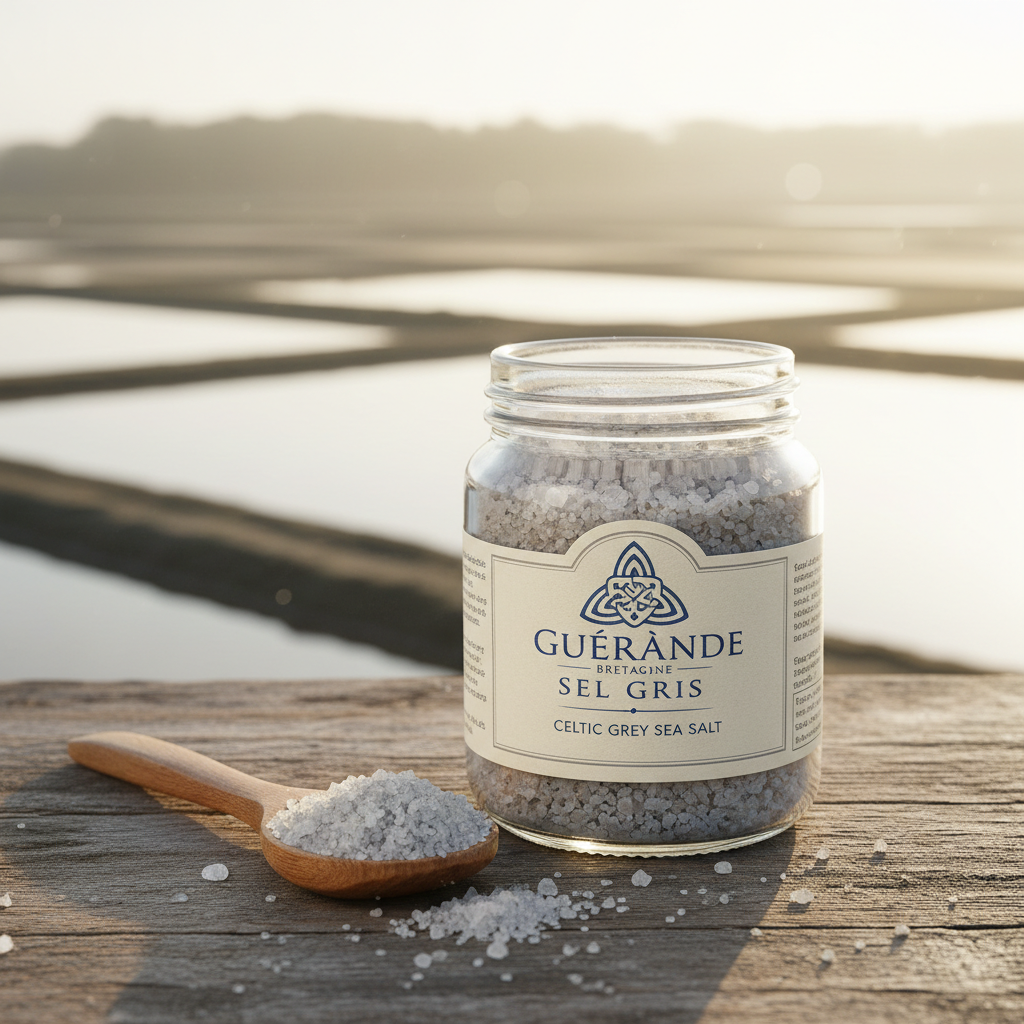
Celtic sea salt, primarily harvested from the tidal flats of Guérande, Brittany, is an unrefined sea salt known for its unique grey color, flaky texture, and complex flavor profile. The harvesting process begins with the collection of seawater into clay ponds, where it is naturally evaporated by sun and wind. This traditional method, employed by paludiers, allows the salt to retain essential minerals such as magnesium, calcium, and potassium, which contribute to its benefits and distinctive taste.
Unlike refined table salt, which often undergoes extensive processing and typically includes anti-caking agents, Celtic sea salt remains pure and natural. Its grey hue is attributed to the clay lining of the salt ponds, which adds to its mineral content. This unprocessed nature is what makes Celtic sea salt a favored ingredient among chefs and health-conscious cooks alike, enabling them to create dishes that are not only flavorful but also rich in essential nutrients.
In culinary uses, Celtic sea salt is versatile. It can be used as a cooking salt, a finishing salt to sprinkle on dishes just before serving, or even as an essential component in brining and curing processes. Its unique texture allows for easy dispersion in recipes, whether in meat rubs, salad dressings, or baked goods. Understanding this remarkable sea salt's properties enhances cooking techniques and encourages the use of high-quality ingredients in our meals.
Key Benefits and Properties
Celtic sea salt is much more than just a seasoning; it is a treasure trove of benefits and properties that can transform our culinary experiences. Its most notable characteristic is its mineral content. Being richer in minerals than regular table salt, it’s known to contain over trace minerals whose levels vary by harvest and product, including calcium, magnesium, potassium, sulfur, and iron. These minerals are not only essential for our bodily functions but also play a crucial role in the taste profile of the salt, providing a more rounded and complex flavor that enhances a variety of dishes.
Moreover, Celtic sea salt has been praised for its low sodium content compared to regular salt. This makes it a beneficial alternative for those looking to reduce their sodium intake without sacrificing flavor. The presence of the trace minerals also contributes to a savoriness that allows for using less salt while achieving optimal flavor thus improving overall health.
Another key benefit of Celtic sea salt is its holistic role in balancing hydration. It aids in maintaining proper fluid balance in the body, especially when consumed in moderation. This naturally occurs due to its mineral composition, making it a fantastic seasoning for dishes that are hydrating, such as vegetables or soups. Additionally, Celtic sea salt's natural harvesting method ensures it remains free from harmful additives and retains its organic qualities, making it a sought-after choice for health-conscious culinary enthusiasts.
Lastly, the aesthetic value of Celtic sea salt should not be underestimated. The distinctive grey color and rustic appearance of the salt not only make it a perfect finishing touch to many dishes, but it also adds a dash of elegance and artisanal appeal to your tabletop. Whether used for cooking or as a garnish, it never fails to impress.
How to Use Celtic Sea Salt: Practical Guide
When it comes to using Celtic sea salt in the kitchen, understanding how to incorporate it effectively can heighten the culinary experience. One of the most common uses is as a seasoning during the cooking process. Its coarse crystals can be ground or sprinkled directly onto meats, fish, and vegetables. This method ensures even seasoning and enhances the natural flavors of the ingredients, making the dishes more enjoyable.
Another way to utilize Celtic sea salt is as a finishing touch. Sprinkle it lightly over dishes just before serving to elevate flavor and presentation. Its flaky texture gives an attractive crunch and boosts the overall taste, making it a perfect addition to salads, grilled meats, or roasted vegetables. For those who enjoy baking, incorporating Celtic sea salt into sweet recipes can create a delightful contrast that amplifies flavors, particularly in chocolate desserts.
Rather than merely salting your dishes, consider using Celtic sea salt in brines or marinades. Mixing it with water, herbs, and spices allows for the infusion of flavors into proteins, resulting in tender and delicious meals. When preparing pickles or preserves, incorporating Celtic sea salt can enhance the preservation process while enriching the taste profile of the final product.
For those who appreciate the nuances of flavor, Celtic sea salt can also be used in sweet dishes. It complements sweet flavors beautifully, especially in recipes like caramels or chocolate treats, where a pinch of salt elevates the sweetness and adds depth. However, it is crucial to start with a small amount, as its natural mineral content can be quite potent.
In conclusion, the use of Celtic sea salt goes beyond basic seasoning. Mastering the art of incorporating it into different recipes not only enhances culinary creations but also allows for creativity and experimentation in the kitchen, offering a wealth of flavoring possibilities that any home cook would enjoy.
How to Choose Quality Celtic Sea Salt
Choosing high-quality Celtic sea salt can make a significant difference in both taste and the benefits it offers. When shopping for this esteemed ingredient, there are several factors to consider. First, look for brands that indicate the source of their salt, ensuring it comes from the Guérande region of Brittany, France, where the tradition of paludiculture (salt farming) is honored. Authentic Celtic sea salt is recognized for its natural grey color, which signifies that it retains most of its mineral content.
Another crucial aspect to evaluate is the production process. Quality salts are usually harvested in small batches using traditional methods that minimize interference with the natural essence of the salt. Products that are labeled as ‘unrefined’ or ‘natural’ are often a good indicator that they lack additives, ensuring that you obtain the pure flavor profile associated with Celtic sea salt.
It’s also important to pay attention to texture and moisture content. Authentic Celtic sea salt often has a slightly moist texture and a flaky, coarse consistency, allowing it to cling to food, enhancing both its flavor and appeal. If the salt appears overly dry and uniform, it may have undergone excessive processing.
Finally, it can be beneficial to read reviews or seek recommendations about specific brands. Engaging with culinary communities online or exploring artisanal markets can lead to discovering small producers dedicated to maintaining quality and tradition. This not only guarantees you are purchasing high-grade Celtic sea salt but also supports local economies and preserves traditional salt harvesting practices.
Common Mistakes to Avoid
Using Celtic sea salt effectively in the kitchen can greatly elevate your culinary creations, but there are common pitfalls to avoid. One frequent mistake is over-salting. Because Celtic sea salt has a unique flavor and mineral richness, it often packs a more potent punch than standard table salt. When cooking, begin by using less and gradually increase to taste. This approach will help you appreciate its flavor without overpowering your dishes.
Another common error is failing to adjust for the texture. Celtic sea salt’s flaky nature means it can be less dense than other salts. Substituting it directly for table salt in recipes can lead to uneven salting. Always consider volume measurement and be aware of how the salt's texture affects its saltiness. A good practice is to use weight measurements where possible to maintain accuracy and consistency.
Additionally, some home cooks forget that Celtic sea salt also enhances the taste of other ingredients. For instance, adding it to fruits, vegetables, or baked goods can enhance the overall flavor profile if done thoughtfully. Ignoring this can result in bland or flat-tasting dishes. Use the salt wisely to create a balanced flavor, highlighting the characteristics of the main ingredient.
Cooks should also be cautious when storing Celtic sea salt. Exposure to moisture can lead to clumping or spoilage. It’s essential to keep it in an airtight container in a cool, dry place to maintain its quality over time. Lastly, avoid using it solely in cooking; its unique attributes make it a fantastic finishing salt, providing a visually appealing and tasty garnish for a variety of dishes.
Frequently Asked Questions
What dishes can benefit from Celtic sea salt?
Celtic sea salt can enhance a variety of dishes, including meats, vegetables, salads, and even baked goods. Its complex flavor profile makes it a versatile seasoning that complements both savory and sweet recipes.
Can I use Celtic sea salt in baking?
Absolutely! Celtic sea salt can be used in baking to enhance the flavor of sweets and breads. It creates a delightful contrast in flavors, particularly in recipes featuring chocolate or caramel.
How do I store Celtic sea salt properly?
Store Celtic sea salt in an airtight container in a cool, dry place away from direct sunlight. This will prevent moisture absorption and maintain the salt's quality over time.
Is there a difference between Celtic sea salt and table salt?
Yes, the primary differences are in their texture, flavor, and mineral content. Celtic sea salt is coarse, flavorful, and contains a variety of minerals, while table salt is finely ground and usually lacks the same depth of flavor.
How can I tell if my Celtic sea salt is genuine?
Authentic Celtic sea salt has a moist, flaky texture and a grey or off-white color. Check the packaging for sourcing from the Guérande region and make sure there are no additives listed.
Conclusion
Celtic sea salt is more than just a seasoning; it is a culinary cornerstone that enriches the flavor and nutritional quality of our meals. By embracing Celtic sea salt recipes, we tap into a world of culinary tradition that celebrates the artistry of natural ingredients. With its rich mineral content, distinctive flavor profile, and versatility in cooking, integrating Celtic sea salt into everyday dishes can elevate our culinary creations and honor the heritage of the paludiers who have perfected the art of salt harvesting over centuries. As we move further into 2026, the relevance of high-quality, natural ingredients like Celtic sea salt becomes even more paramount in our quest for flavor and well-being in cooking. So next time you reach for the salt, consider the exceptional value of Celtic sea salt and the multitude of delicious recipes that await your discovery.
Celtic Salt — IGP Guérande
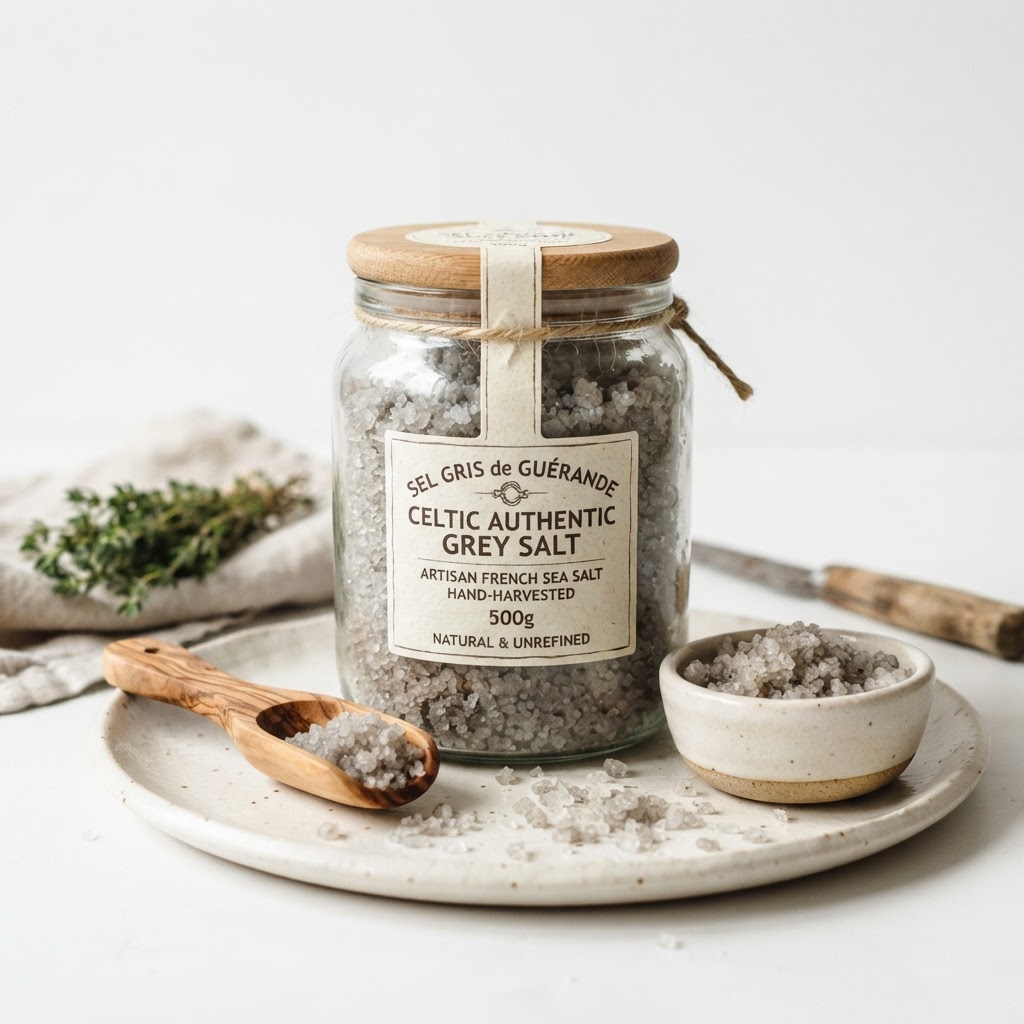
Hand-harvested by Breton paludiers. 500g / 17.6 oz jar, unrefined, trace minerals whose levels vary by harvest and product.