Hand-harvested Guérande salt · Tracked international delivery included
Guide· by Celtic Salt Editorial Team
What Is Celtic Salt
What Is Celtic Salt and Why It Matters in 2026
Celtic salt is a traditional, hand-harvested grey sea salt that originates from the ancient salt marshes of Guérande, located on the Atlantic coast of Brittany in northwestern France. Unlike refined table salt or heavily processed sea salts, Celtic salt undergoes minimal processing — it is simply raked from shallow clay-lined ponds called œillets, then air-dried, and packaged with care to preserve every mineral trace the ocean has deposited over millennia. The result is a moist, slightly grey-coloured salt that carries a complex, briny flavour profile and a remarkable array of naturally occurring minerals. In 2026, as more people seek transparency in their food sourcing and a return to traditional artisanal food products, Celtic salt has moved from a niche health-food curiosity into the mainstream kitchens of home cooks, professional chefs, and wellness enthusiasts around the world.
The name "Celtic" does not refer to a brand or a marketing invention — it reflects a genuine historical and geographical identity. The Celts who settled in Brittany over two thousand years ago recognised the extraordinary mineral wealth of the coastal salt flats and developed sophisticated harvesting methods that are still used today. These techniques have been passed down through generations of paludiers — the dedicated salt workers of the Guérande region — who continue to harvest salt using traditional wooden tools called lousse and simoussi. This living tradition has earned Guérande salt a protected reputation across Europe, where it is recognised as a product of exceptional quality and cultural heritage. In a world dominated by industrial food production, Celtic salt stands as one of the last genuinely artisanal condiments still produced at scale using methods that have changed very little over centuries.
What truly sets Celtic salt apart in a crowded marketplace is its mineral composition. Because it is harvested from seawater that has been concentrated by sun and wind in shallow ponds, Celtic salt retains over trace minerals whose levels vary by harvest and product including magnesium, calcium, potassium, iron, zinc, manganese, and iodine in their natural, bioavailable forms. Refined table salt, by contrast, is stripped of virtually all these minerals during processing, then typically fortified with synthetic iodine and anti-caking agents. Pink Himalayan salt, while popular and often praised for its mineral content, is a fossilised salt mined from ancient geological deposits — it does not carry the live, ocean-derived mineral profile of a freshly harvested Celtic salt. The grey colour of Celtic salt, which can range from light silver to a deeper dove grey, comes directly from the clay content of the œillet pond beds, and this clay itself contributes additional trace minerals that make Celtic salt uniquely rich among all natural salts.
In 2026, the relevance of Celtic salt extends far beyond its culinary appeal. Growing awareness of ultra-processed foods, rising interest in ancestral diets and whole-food nutrition, and a cultural shift toward sustainable, local food systems have all converged to make traditionally harvested sea salt one of the most sought-after pantry staples of the decade. Consumers are reading labels more carefully than ever, and when they discover that conventional table salt often contains anti-caking agents, bleaching agents, and synthetic additives, the appeal of an unprocessed, single-ingredient salt harvested by hand becomes immediately compelling. Celtic salt from Guérande represents something rare in the modern food supply: a product that is genuinely natural, genuinely traditional, and genuinely superior in both taste and nutritional complexity. For anyone serious about the quality of the ingredients they bring into their kitchen, understanding what Celtic salt is — and why it matters — is an essential starting point.
The Complete Guide to Celtic Salt
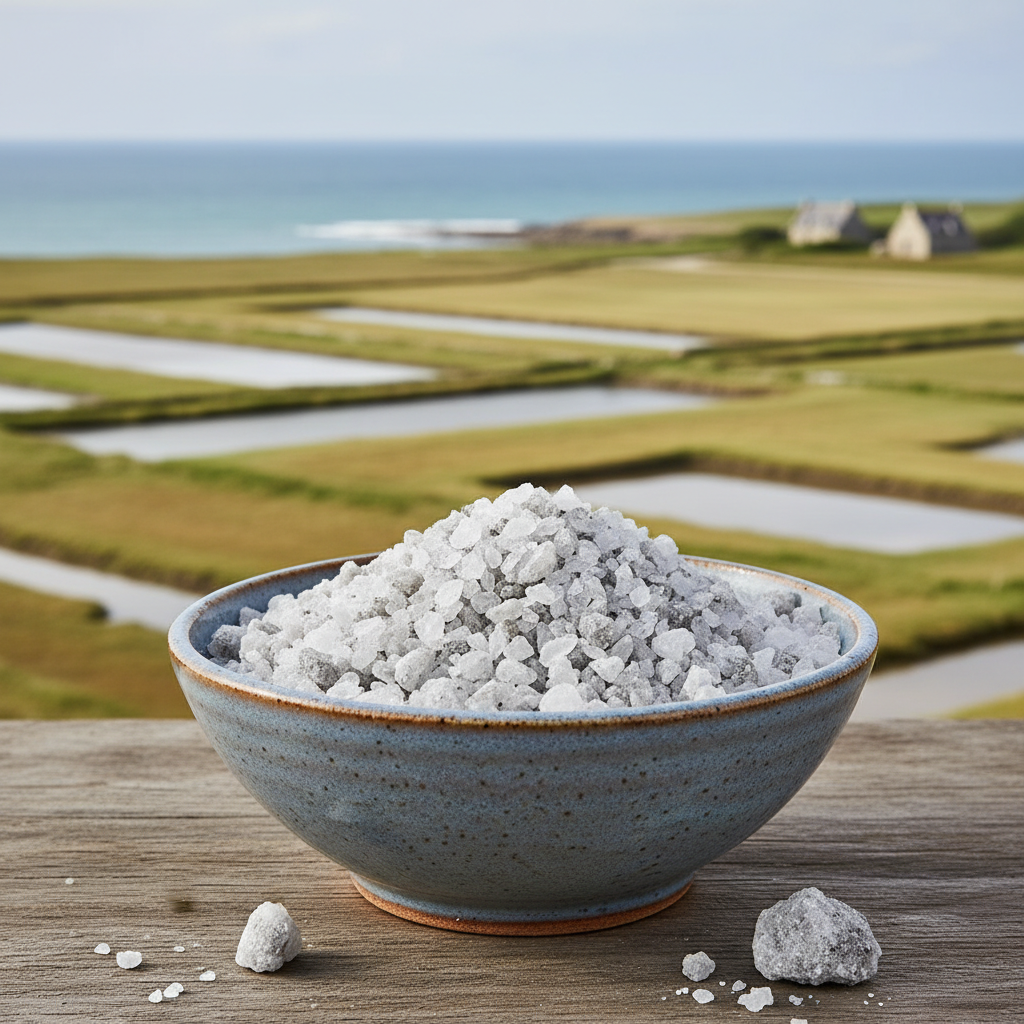
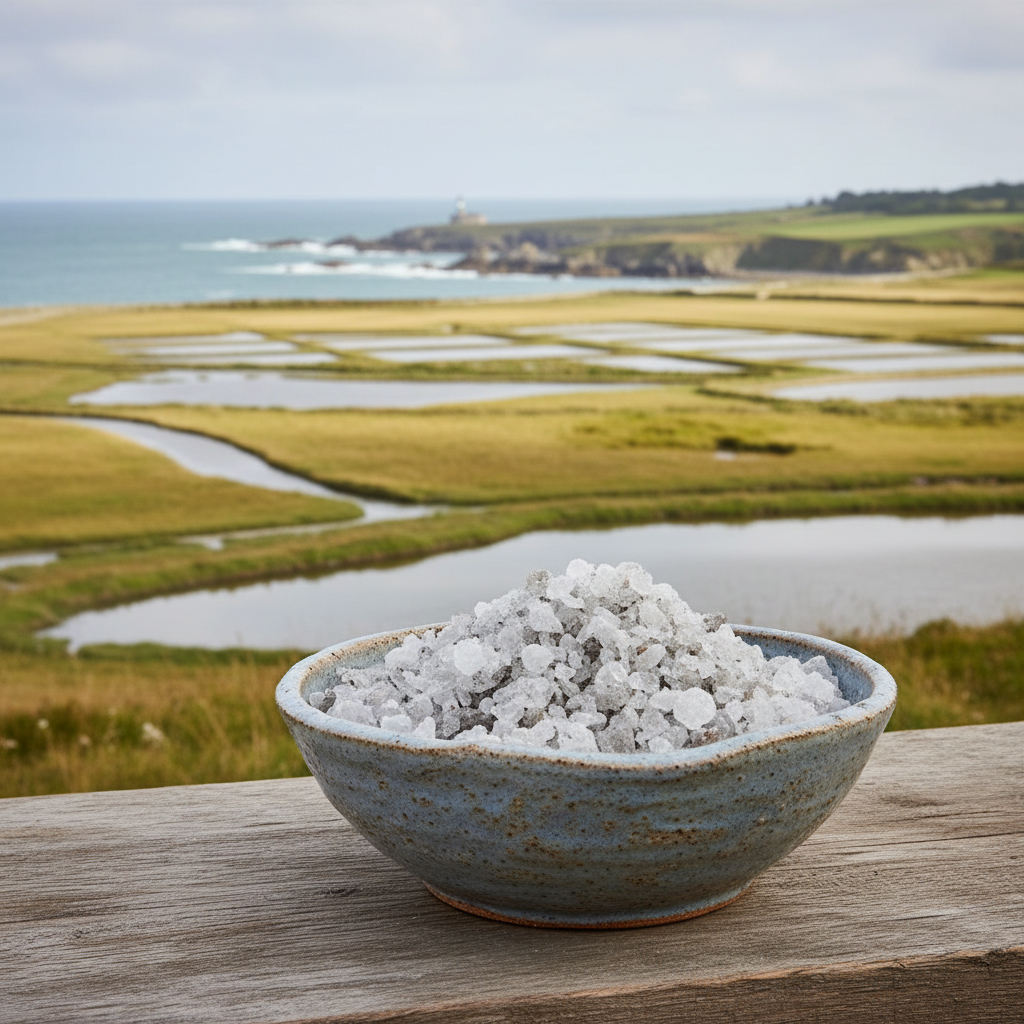
To truly understand Celtic salt, you need to understand where it comes from and how it is made. The Guérande salt marshes cover approximately 2,000 hectares along the Loire-Atlantique coastline in southern Brittany. This region enjoys a unique microclimate — warm summers, reliable Atlantic winds, and a tidal system that continuously replenishes the salt ponds with mineral-rich seawater. The landscape of the Guérande marshes is a breathtaking network of interconnected channels, ponds, and clay embankments that have been maintained and refined over centuries. During the harvest season, which runs from June to September, the shallow water in the harvesting ponds evaporates under the summer sun, causing salt crystals to precipitate out and collect on the surface or settle to the bottom of the clay beds.
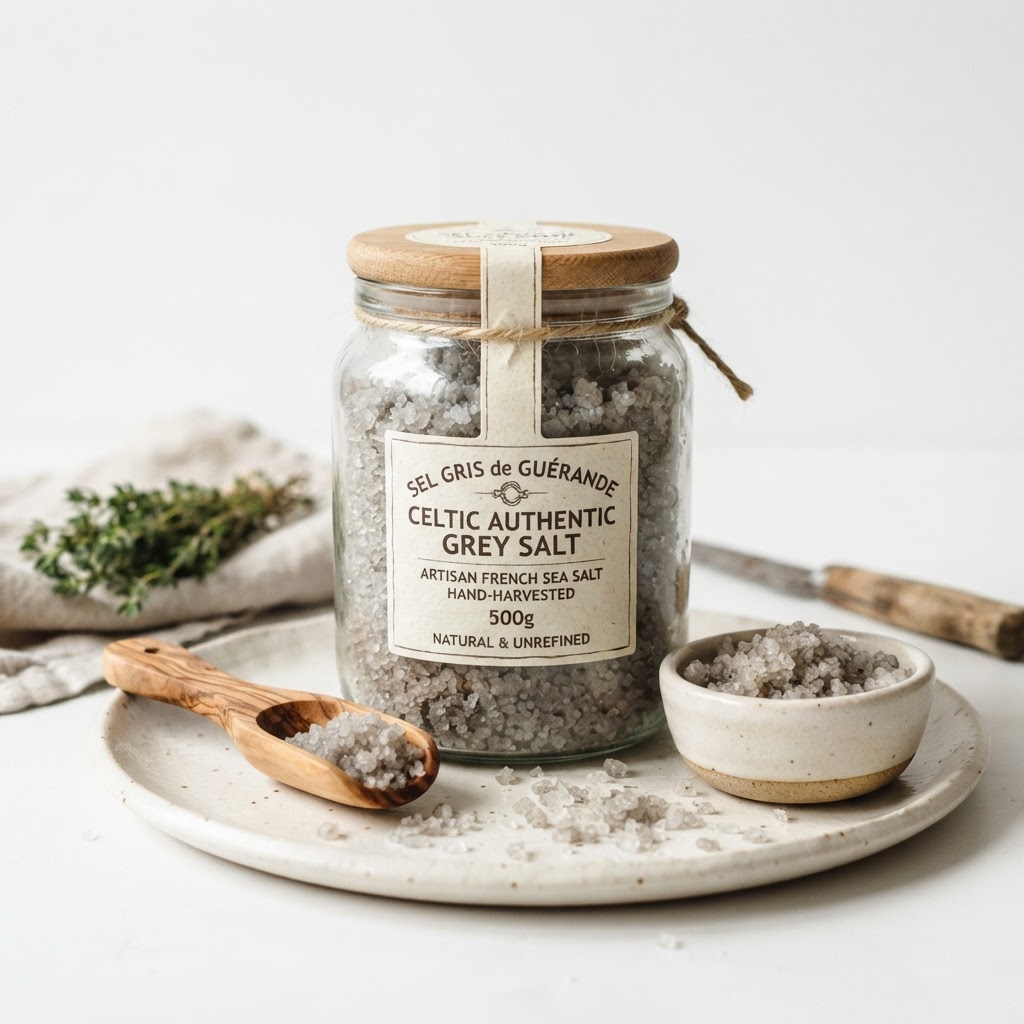
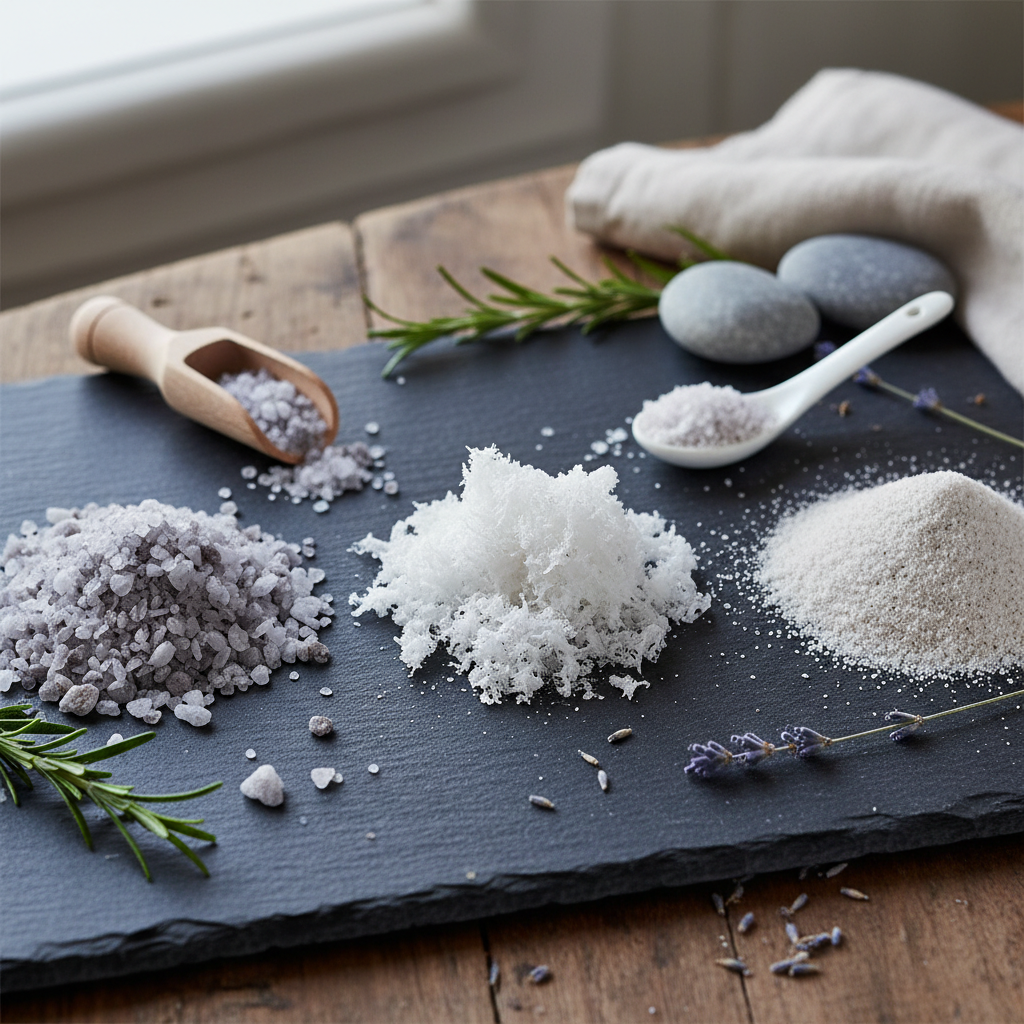
There are two primary types of salt harvested from the Guérande marshes, and understanding the distinction between them is crucial for anyone exploring Celtic salt. The first is fleur de sel — literally "flower of salt" — which refers to the delicate, lacy crystals that form on the very surface of the water during calm, sunny conditions. Fleur de sel is harvested by skimming the surface with a flat wooden rake, and because it can only be collected during ideal weather conditions, it is relatively rare and commands a premium price. It has a lighter texture, a whiter appearance, and a more delicate, nuanced flavour that makes it the finishing salt of choice for world-class chefs. The second — and most commonly associated with the term "Celtic salt" — is the grey salt, known in French as sel gris. This is harvested from the bottom of the clay-lined ponds, where salt crystals have accumulated along with minute particles of clay. The grey salt is raked using a long-handled wooden tool called a lousse, gathered into piles on the clay banks, and left to air-dry naturally before being packaged.
The moisture content of Celtic grey salt is one of its most distinctive physical characteristics and one that frequently surprises first-time users. Unlike dry, free-flowing table salt, Celtic grey salt retains natural moisture — typically around 10 to 13 percent — which gives it a clumping, slightly damp texture. This moisture is not a sign of poor quality or improper storage; it is a natural feature of an unprocessed salt that has not been kiln-dried or treated with anti-caking agents. Many experienced cooks and nutritionists consider this moisture to be a positive quality indicator, as it signals the presence of magnesium chloride (also called nigari), a highly hygroscopic compound that draws moisture from the air and is associated with important metabolic and cellular functions in the body. The presence of magnesium chloride also contributes to the slightly softer, rounder taste profile of Celtic salt compared to the sharp, one-dimensional harshness of refined salt.
Celtic salt is available in several grain sizes to suit different culinary applications. Coarse Celtic grey salt is the traditional form — large, irregular crystals that are ideal for cooking in water, seasoning during the cooking process, or grinding at the table using a salt mill or mortar and pestle. Medium grain Celtic salt offers more versatility and works well sprinkled directly onto food or dissolved into sauces and soups. Fine Celtic salt has been ground to a texture comparable to conventional table salt and can be used as a direct substitute in any recipe that calls for salt. Each grain size retains the full mineral profile of the original harvest; the only difference is the physical size of the crystals, not the nutritional content. For those new to Celtic salt, starting with a medium or fine grain is often the easiest introduction, while those with more experience tend to keep coarse Celtic salt for cooking and a fine grind for everyday seasoning. You can explore the full range of available grain sizes and formats at celtic-salt.com/produits.
Storage of Celtic salt is straightforward but worth addressing. Because of its natural moisture content, Celtic grey salt should be stored in a non-metallic, breathable container — a ceramic crock, a wooden salt box, or an unglazed clay pot are all traditional and ideal choices. Avoid storing it in airtight plastic or metal containers for extended periods, as this can cause condensation and clumping. Celtic salt does not expire — salt is inherently self-preserving — but keeping it in an appropriate container ensures it remains easy to use and maintains its flavour and texture over time. If the salt does clump due to humidity, it can easily be broken apart with a fork or briefly dried in a warm oven before use.
Health and Culinary Benefits
The nutritional profile of Celtic salt is one of its most compelling attributes, and it is worth examining in detail without overstating what the scientific evidence currently supports. Celtic grey salt contains over trace minerals whose levels vary by harvest and product in forms that the body can recognise and utilise. Among the most significant of these are magnesium, which plays roles in muscle function, nerve transmission, and energy metabolism; calcium, essential for bone density and cardiovascular health; potassium, which works alongside sodium to regulate fluid balance and blood pressure; and iron, necessary for red blood cell production and oxygen transport. While the quantities of these minerals in a typical serving of salt are not sufficient to replace dietary sources of these nutrients, their presence in a bioavailable, naturally balanced form is considered by many nutritionists to be meaningfully superior to consuming a salt that has been stripped of everything except sodium chloride and then artificially fortified.
One particularly important aspect of Celtic salt's mineral composition is the natural sodium-to-mineral ratio. Refined table salt is typically 97 to 99 percent pure sodium chloride. Celtic grey salt, by comparison, contains a slightly lower percentage of sodium chloride — approximately 84 to 87 percent — with the remaining content made up of water and trace minerals. This means that gram for gram, Celtic salt delivers slightly less sodium than refined salt, which may be relevant for individuals monitoring their sodium intake. Additionally, many people find that they use less Celtic salt to achieve the same level of perceived saltiness in their food, partly because the complex mineral profile and coarser texture create a broader, more satisfying flavour impact than the sharp, isolated saltiness of refined sodium chloride. This subjective experience of needing less salt to achieve the same culinary result is frequently reported by those who make the switch from refined to natural unprocessed salt.
From a culinary perspective, Celtic salt offers flavour complexity that no refined or artificially fortified salt can replicate. The combination of sodium chloride with naturally occurring magnesium, calcium, and trace minerals creates a multi-dimensional taste profile — initially briny and clean, with a subtle mineral depth that lingers pleasantly on the palate. This complexity is particularly noticeable in simple preparations where the salt is a dominant flavour component: a pinch of Celtic salt on a ripe summer tomato, dissolved into the cooking water for handmade pasta, or rubbed onto a piece of fish before grilling. Professional chefs who have worked with Celtic salt consistently report that it enhances the natural flavours of ingredients rather than simply adding saltiness, which is the hallmark of a truly high-quality seasoning ingredient. You can read more about the specific flavour benefits and pairing recommendations in our detailed article on culinary uses of Celtic salt.
Beyond direct consumption, Celtic salt has a long history of use in preservation, fermentation, and traditional food preparation techniques. Its mineral-rich composition makes it particularly well-suited to fermenting vegetables — the naturally occurring minerals support the microbial activity necessary for successful lacto-fermentation, and many experienced fermenters insist that the quality of the salt used in a brine directly affects the flavour and texture of the final fermented product. Celtic salt is also highly valued in brining meat and poultry, where its flavour complexity penetrates deeply into the protein fibres and the natural moisture assists in creating an even brine distribution. For bread baking, Celtic salt adds both flavour and a degree of mineral support to yeast activity, and many artisanal bakers consider it the preferred salt for all bread applications.