Hand-harvested Guérande salt · Tracked international delivery included
Guide· by Celtic Salt Editorial Team
Celtic Salt Recipe
Introduction — Why celtic salt recipe Matters in 2026
As we embrace a more natural and wholesome lifestyle in 2026, the significance of Celtic salt recipes has never been more pertinent. Sourced from the pristine coastal regions of Brittany, particularly the Guérande area, Celtic sea salt is celebrated for its unique mineral composition and flavor. With artisan salt producers, known as paludiers, preserving traditional methods of salt harvesting, these recipes embody both culture and culinary excellence. In a world increasingly focused on health and sustainability, the recipes featuring this exceptional salt not only enhance flavors but also foster a deeper appreciation for the ingredient's origins. This article delves into the essence of Celtic salt, how to incorporate it into your cooking, and the myriad benefits it brings to your dishes and overall culinary experience.
What Is Celtic salt recipe?
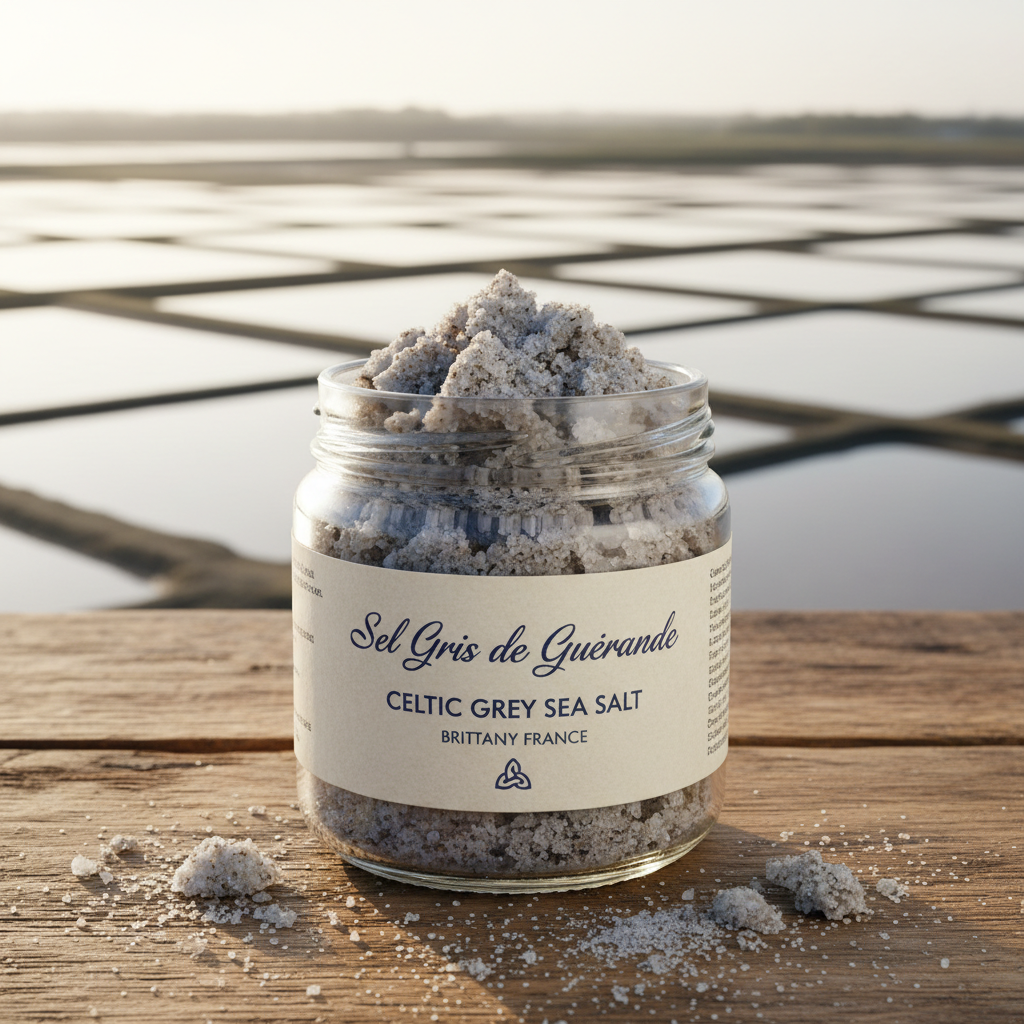
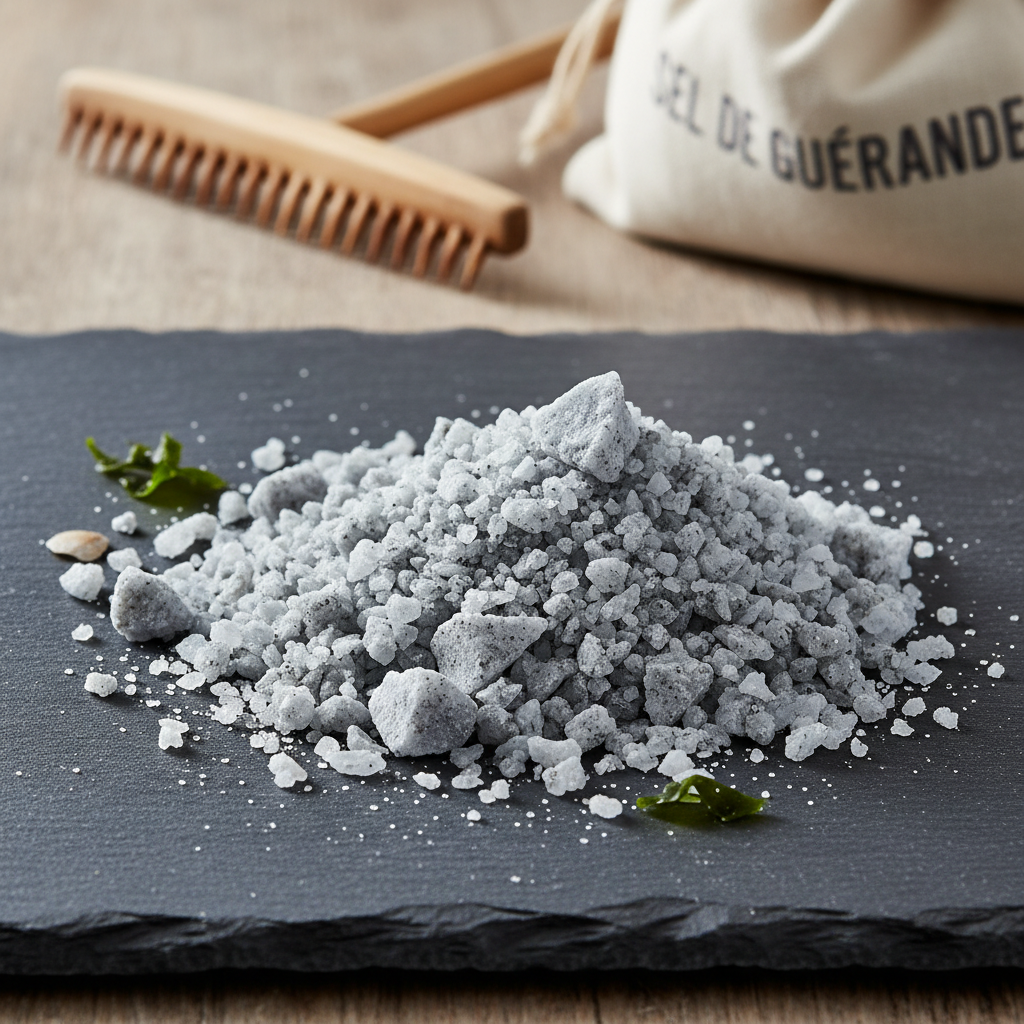
Celtic salt is a natural sea salt harvested from the coastal marshes of Brittany, France, particularly in the region of Guérande. Unlike refined table salt, Celtic salt retains its natural trace minerals, which contribute to its distinct grey color and rich flavor. The harvesting process, conducted by skilled paludiers, involves traditional techniques that emphasize sustainability and respect for the environment. The salt is collected from salt pans where seawater is evaporated by the sun and wind. This method enhances the salt's mineral profile while preserving its natural properties. When we refer to a "Celtic salt recipe," we are talking about culinary applications where this salt is used to elevate the taste of food, showcasing its ability to enhance both seasoning and nutritional value. Whether it’s for brining meats, seasoning vegetables, or complementing desserts, Celtic salt recipes play a crucial role in bringing out the best in both simple and elaborate dishes.
Key Benefits and Properties
Celtic salt is not just an ingredient; it is a powerhouse of natural benefits. One of its most notable properties is its rich mineral content, including magnesium, potassium, and calcium, which are essential for maintaining optimal body function. The grey hues of Celtic salt indicate the presence of these vital minerals, setting it apart from heavily processed salts that often lack nutritional value. Furthermore, Celtic salt offers a unique flavor profile that is both savory and complex, making it an ideal choice for chefs and home cooks alike. Its coarse texture also allows for enhanced seasoning, as it can be easily integrated into dishes without dissolving too quickly. The hygroscopic nature of Celtic salt means it can help to draw moisture from food, which intensifies flavors and improves the overall dining experience. Additionally, using Celtic salt in cooking encourages a mindful approach to seasoning, prompting users to consider the balance of flavors and the importance of high-quality ingredients in their culinary practices.
How to Use celtic salt recipe: Practical Guide
When it comes to utilizing Celtic salt in your cooking, the options are both versatile and exciting. Here are practical steps to incorporate this exquisite salt into your recipes effectively: First, consider using Celtic salt as a finishing salt. Its coarse crystals make it perfect for sprinkling on dishes right before serving, adding an extra burst of flavor and a delightful texture. This technique works wonderfully on grilled meats, roasted vegetables, and even popcorn, allowing the salt to provide a crunch and flavor enhancement. Next, when brining meats, use Celtic salt to create a solution that not only seasons the meat but also helps to tenderize it. For personal recipes, combine Celtic salt with herbs and spices for a custom seasoning blend that can elevate any dish. Additionally, Celtic salt can enhance baked goods; a pinch can intensify the sweetness of cookies or highlight the flavors in bread, making for a masterpiece in every bite. Don't forget to experiment—every recipe can benefit from the unique touch that Celtic salt provides, and it encourages creativity in flavor combinations.
How to Choose Quality celtic salt recipe
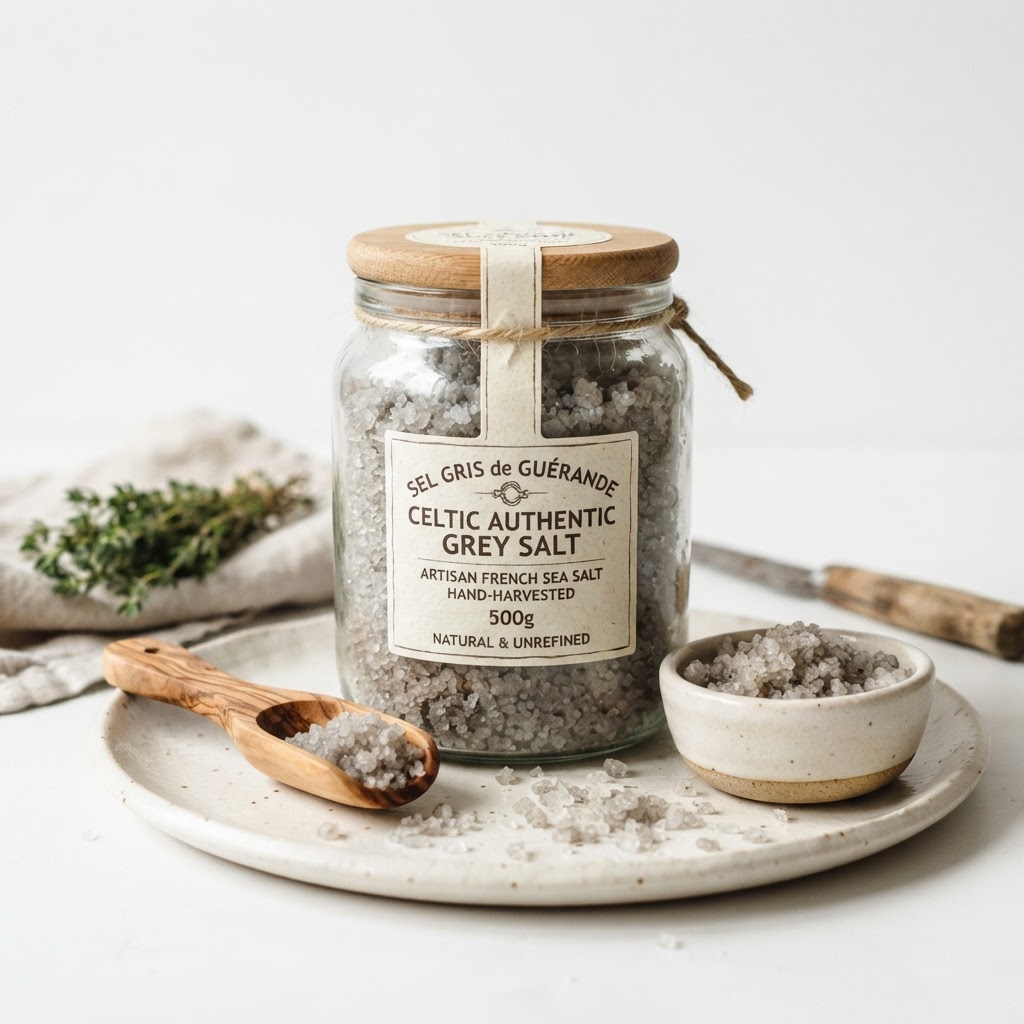
Selecting high-quality Celtic salt is crucial for both culinary success and nutritional benefits. Start by looking for salts that are harvested from reputable regions, specifically Guérande, where traditional methods are respected. Authentic Celtic salt is often sold in coarse or flaky forms and should be grey in color, a sign that it has not been overly processed and retains its natural minerals. Be wary of any labels that advertise "Celtic salt" but do not specify the harvest location or methods. Certifications or quality seals can also help identify genuine products; seek out salts that indicate they are hand-harvested and sustainably sourced. The packaging should inform you that it is free from additives or anti-caking agents, ensuring you receive pure salt. Finally, consider sampling different brands to find one that resonates with your taste preferences, as each producer may impart a slightly different flavor profile due to their unique harvesting techniques and local seawater compositions.
Common Mistakes to Avoid
When it comes to using Celtic salt, several common mistakes can diminish its benefits and flavor. One prevalent error is using it like regular table salt; due to its coarser texture and robust taste, less is often more. Over-salting can mask the flavors of your dishes rather than enhancing them, so always start with a small amount and taste as you go. Another mistake is neglecting to use Celtic salt as a finishing touch—its unique crunch and flavor are best appreciated when added fresh at the end of cooking. Additionally, avoid using Celtic salt in recipes that require precise measurements without taking the texture into account; for baking especially, using a scale can greatly improve accuracy over volume measurements. Lastly, be cautious about storing Celtic salt improperly; exposure to moisture and heat can affect its quality and flavor. Keep it in a cool, dry place in an airtight container, preserving its wonderful properties and ensuring it remains a culinary staple in your kitchen.
Frequently Asked Questions
What makes Celtic salt different from regular table salt?
Celtic salt is harvested naturally from sea water, retaining essential minerals that contrast with the highly processed table salt stripped of nutrients. Its unique flavor and texture provide a richer seasoning experience.
Can I use Celtic salt in baking?
Yes, Celtic salt can be used in baking, but it’s important to consider its coarse texture. For best results, crush it to a finer consistency or adjust the quantity to match your recipe's requirements.
Is Celtic salt healthier than other types of salt?
Celtic salt contains natural trace minerals, making it a more nutritious choice compared to regular table salt. However, it should still be used in moderation, as excessive salt consumption can lead to health issues.
How should I store Celtic salt?
Celtic salt should be stored in a cool, dry place in an airtight container to prevent exposure to moisture, which can affect its texture and flavor.
Can I use Celtic salt for pickling and fermentation?
Celtic salt can be an excellent choice for pickling and fermentation due to its mineral content. It enhances the flavor while providing the necessary salt concentration for proper preservation.
Conclusion
As we conclude our exploration of Celtic salt recipes, it’s clear that this unique ingredient has a cherished place in both kitchens and culinary traditions. Its distinct flavor profile, mineral richness, and sustainable harvesting methods highlight the beauty of natural ingredients. Incorporating Celtic salt into your cooking not only enhances the taste of dishes but also connects you to the time-honored practices of the paludiers in Brittany. Whether you are a seasoned chef or an enthusiastic home cook, embracing Celtic salt opens the door to culinary creativity and a richer food experience. As we step further into the future, let Celtic salt continue to inspire our recipes, enriching our meals and strengthening our connection to the earth’s natural bounties.
Celtic Salt — IGP Guérande
Hand-harvested by Breton paludiers. 500g / 17.6 oz jar, unrefined, trace minerals whose levels vary by harvest and product.