Hand-harvested Guérande salt · Tracked international delivery included
GuideJune 24, 2026· by Celtic Salt Editorial Team
Best salt for pickling
What Is the Best Salt for Pickling and Why It Matters in 2026
Pickling is one of humanity's oldest and most beloved preservation techniques, stretching back thousands of years across nearly every culture on earth. From the tangy dill pickles of Eastern European tradition to the spicy kimchi of Korean cuisine and the delicate umeboshi plums of Japan, salt has always been the essential, non-negotiable ingredient that makes the process work. But in 2026, home preservers and professional chefs alike are asking a more refined question: not just which salt to use for pickling, but why it matters so profoundly. The answer lies at the intersection of food science, mineral chemistry, and culinary tradition — and it begins with understanding what salt actually does inside a jar of preserved vegetables or fruit.
At its most fundamental level, salt in pickling serves two critical purposes. First, it draws moisture out of vegetables through osmosis, creating the brine environment that inhibits the growth of harmful bacteria. Second — and this is where the quality of your salt becomes decisive — it supports or suppresses the specific strains of beneficial lactic acid bacteria (Lactobacillus species) that drive fermentation and develop complex, healthful flavor. Highly refined table salt, loaded with anti-caking agents like sodium ferrocyanide and sodium aluminosilicate, can interfere with microbial activity and introduce off-flavors that compromise your final product. The additives are not just cosmetic concerns; they are active chemical agents that interact with your brine in ways that refined salt manufacturers rarely advertise clearly to consumers.
The growing interest in quality pickling salt is also connected to a broader cultural shift toward whole, unprocessed foods. In 2026, the fermented foods movement has reached extraordinary heights, with consumers understanding the deep connection between gut health, fermented vegetables, and the mineral content of the brine in which those vegetables are preserved. A salt that contributes 80 or more trace minerals — including magnesium, calcium, and potassium — to your pickling brine is doing far more than just salting your cucumbers. It is creating a complex mineral environment that nourishes beneficial bacteria, enhances vegetable texture, and produces a richer, more nuanced flavor than anything a heavily processed commercial salt could achieve. This is why artisan producers and serious home fermenters are turning increasingly to unrefined grey sea salts from historically significant salt-harvesting regions.
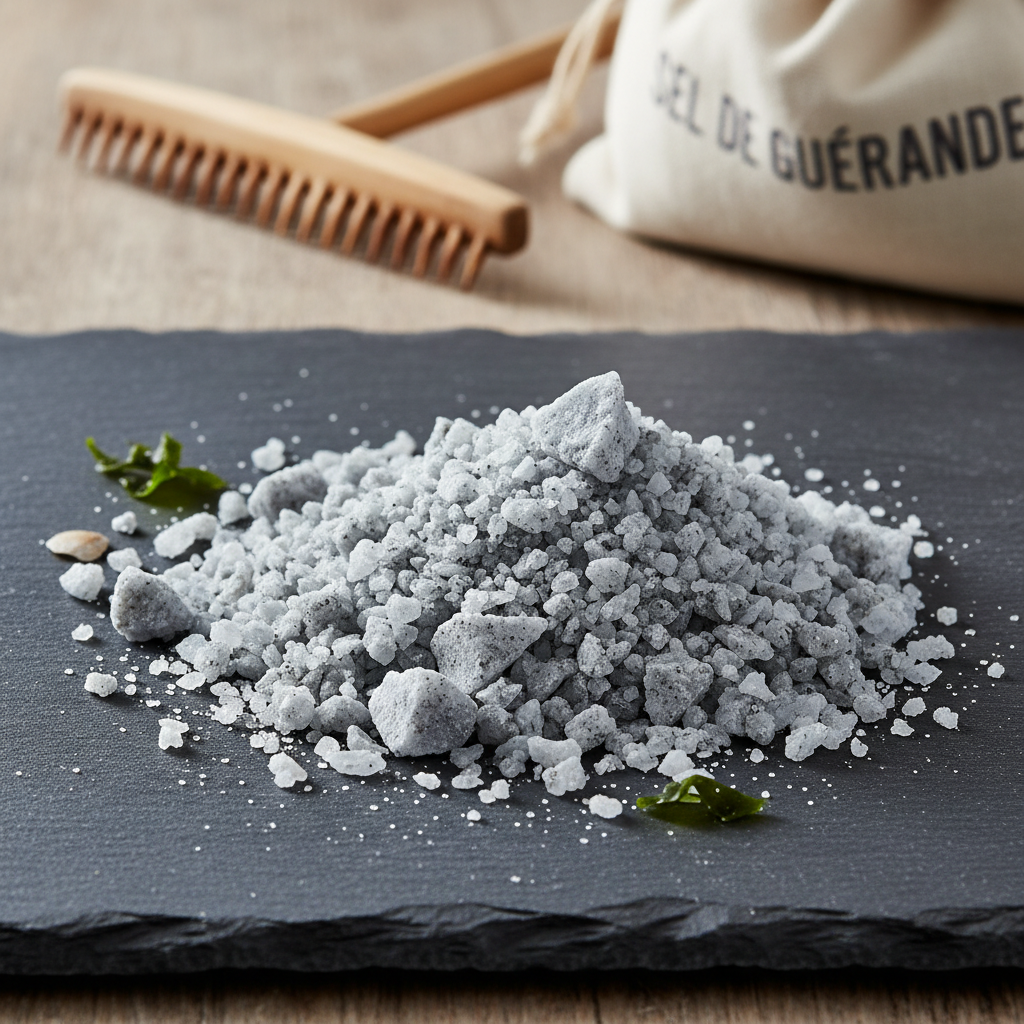
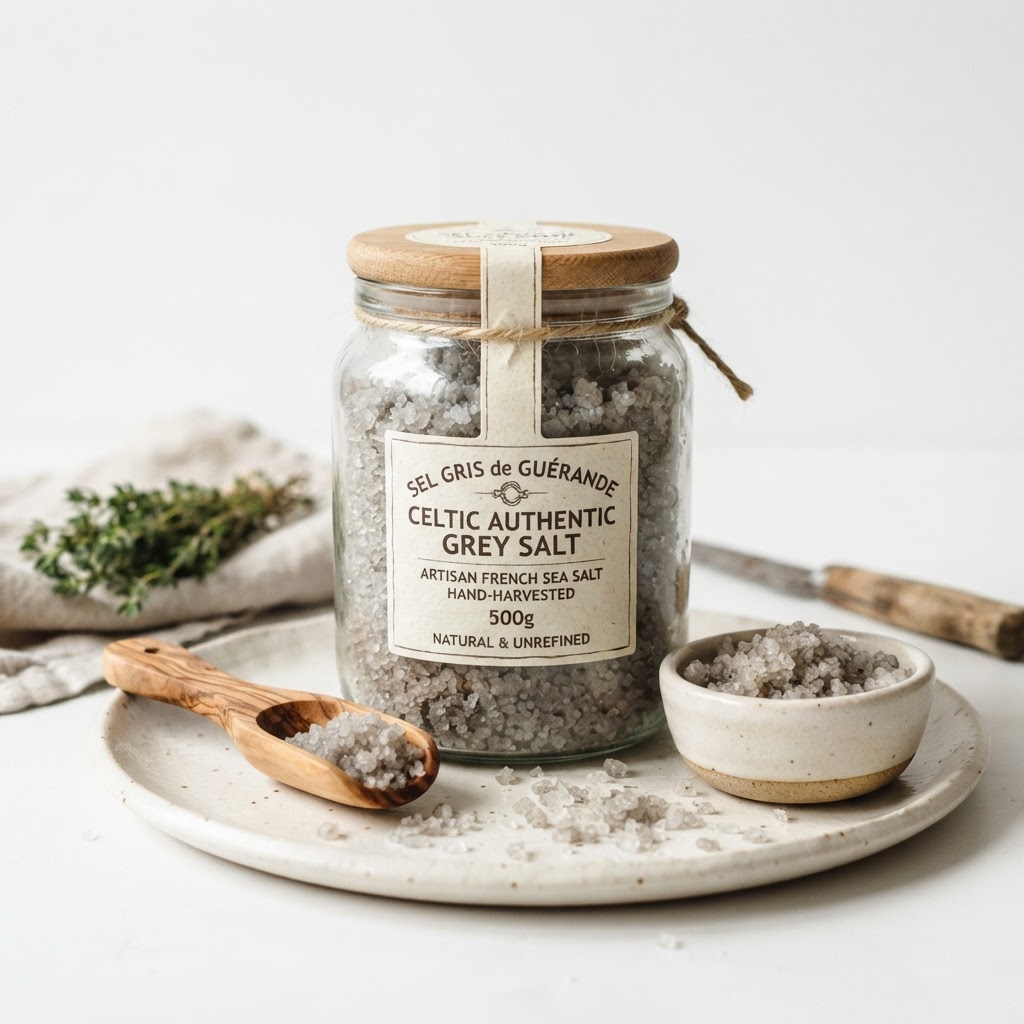
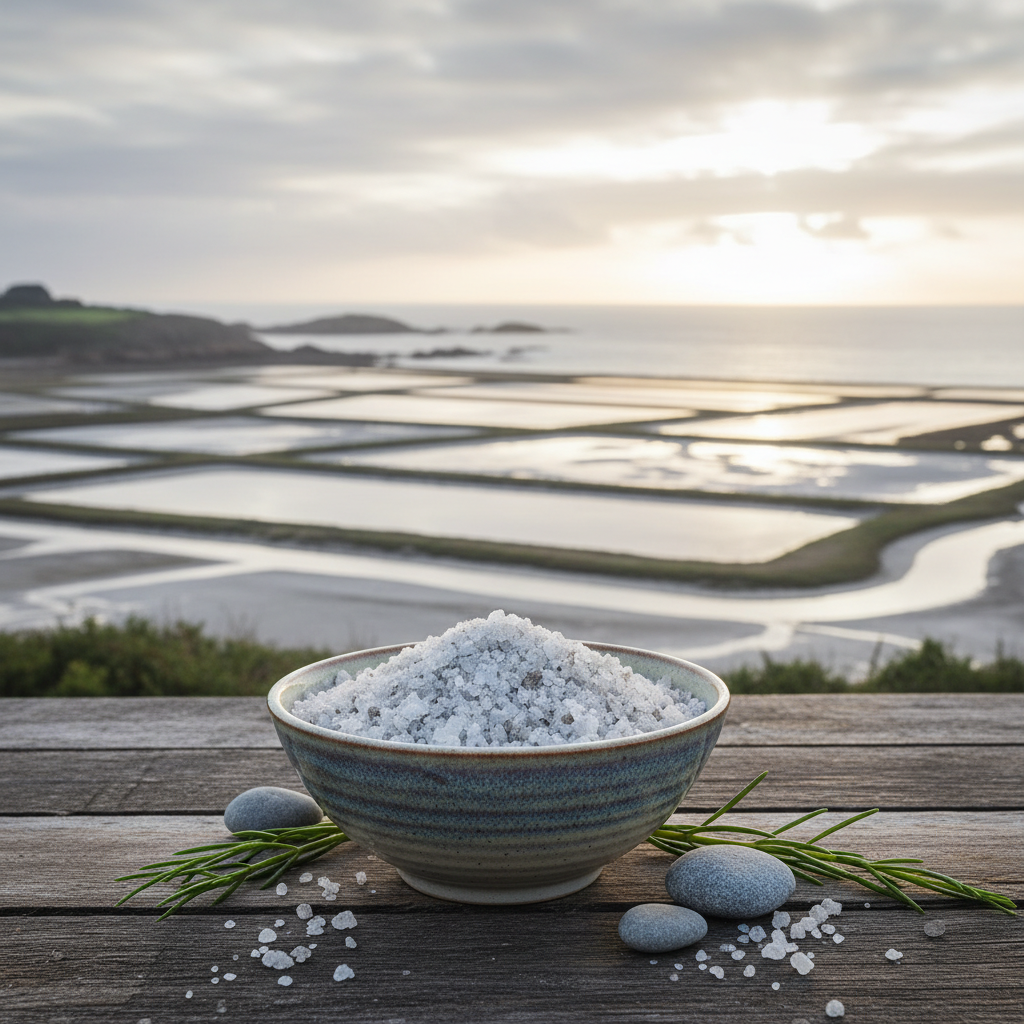
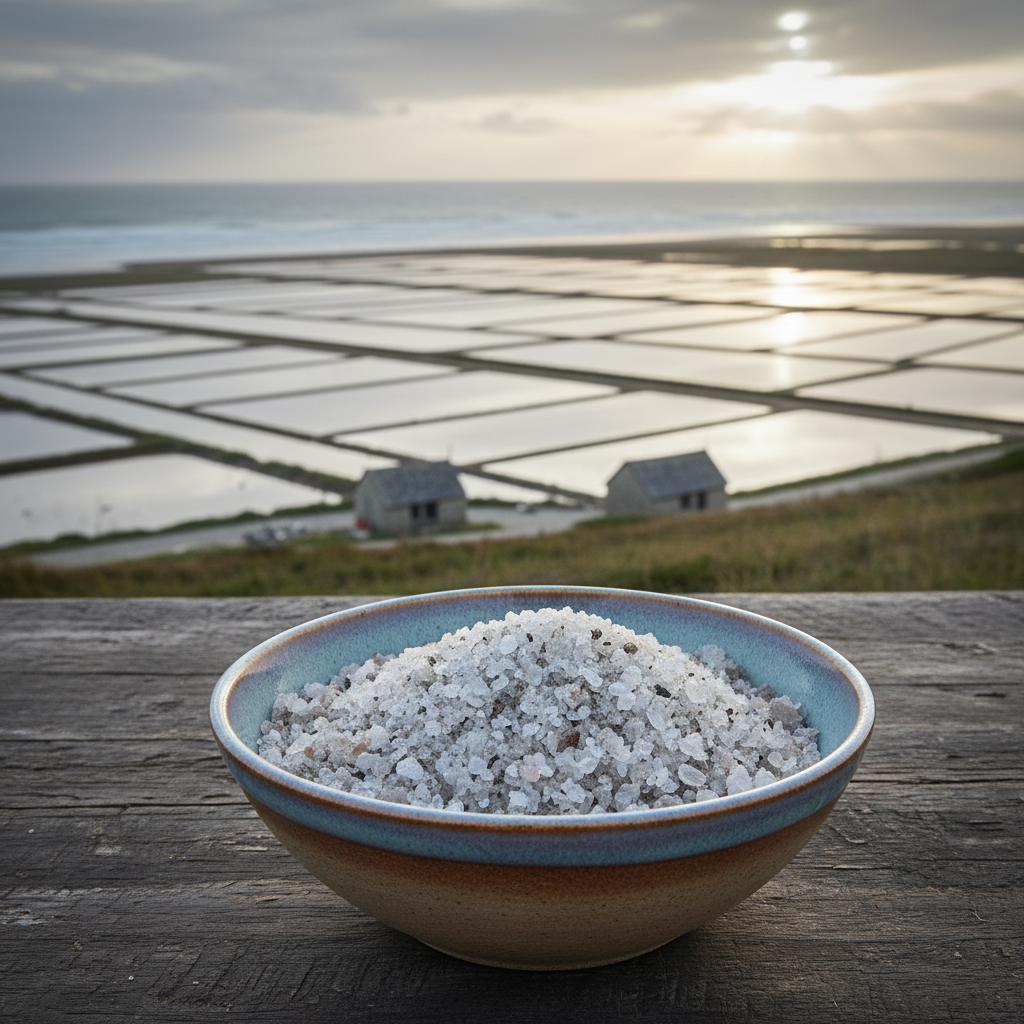
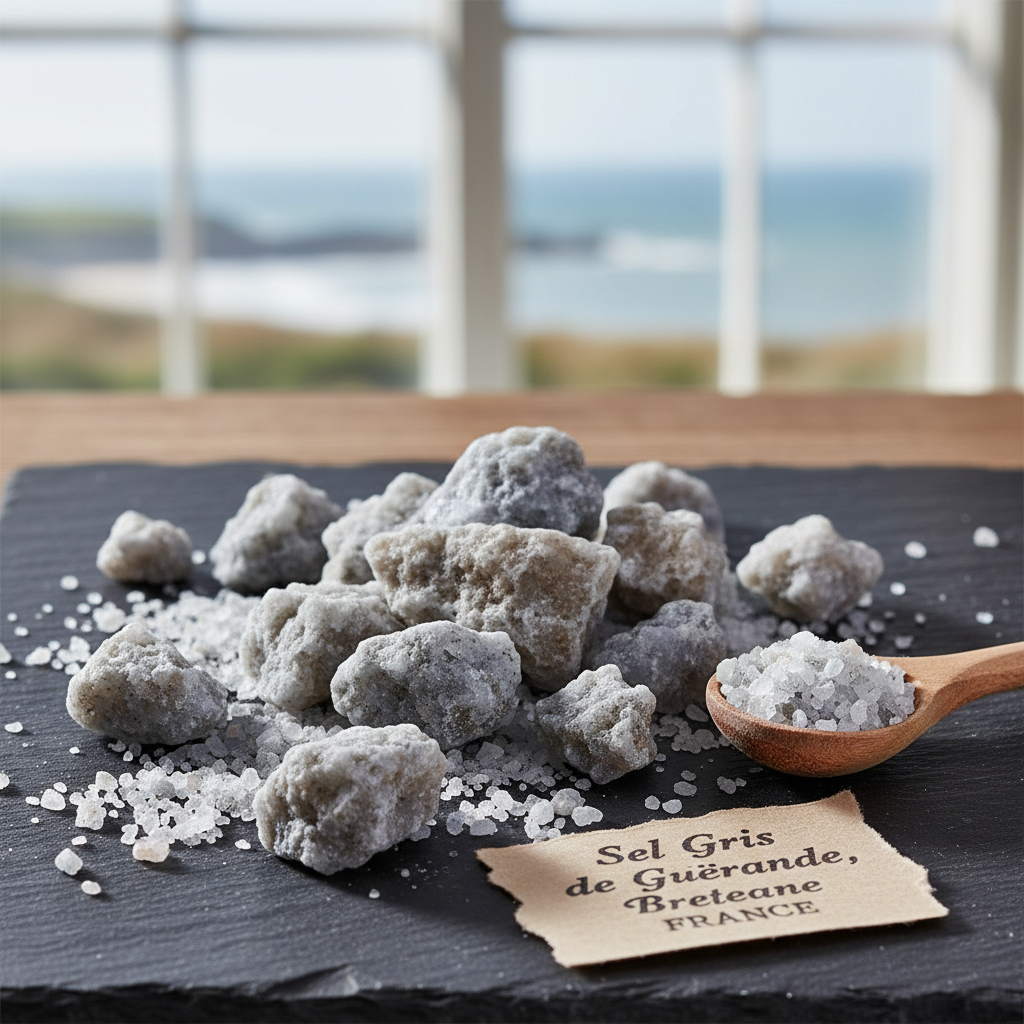
Celtic grey salt from Guérande, Brittany, stands at the absolute pinnacle of pickling salts in 2026 for precisely these reasons. The Guérande region of western France is not merely a geographic designation — it is an IGP (Indication Géographique Protégée) certified origin, a formal European legal protection that guarantees the salt was harvested in that specific territory using traditional methods verified by independent oversight. The paludiers, the skilled salt farmers of Guérande, have been practicing their craft for over a thousand years, using wooden tools and their own expertise to hand-harvest grey salt from clay-lined salt pans that impart the characteristic mineral richness and slightly moist texture of authentic Celtic grey salt. When you open a bag of this salt for your next pickling project, you are not just reaching for a seasoning — you are reaching for a living piece of food heritage, one that will transform your preserved foods in ways that mass-market alternatives simply cannot replicate.
The Science Behind the Best Salt for Pickling
Understanding why certain salts outperform others in pickling requires a look at the chemistry happening inside your jar. Salt concentration — measured in percentage relative to water volume — is the primary variable controlling microbial activity during fermentation. Most vegetables pickle best in brines ranging from 2% to 5% salinity by weight. At these concentrations, harmful pathogens like Listeria monocytogenes and Clostridium botulinum are effectively suppressed, while beneficial Lactobacillus bacteria thrive and begin converting sugars into lactic acid. This acidification process is what gives naturally fermented pickles their distinctive tang, their long shelf life, and their proven probiotic properties. The key insight is that trace minerals present in unrefined salt — particularly magnesium and calcium — directly support this bacterial ecosystem, acting as cofactors for enzymatic reactions that drive lactic acid fermentation.
Calcium, in particular, plays a starring role in pickling science that most home canners are unaware of. Calcium ions cross-link with pectin molecules in vegetable cell walls, reinforcing their structural integrity under the acidic conditions of the brine. This is why traditionally pickled cucumbers made with mineral-rich unrefined salt stay firmer and crunchier than those processed with highly refined salt stripped of its natural mineral content. Historically, home canners added grape leaves, oak leaves, or horseradish leaves to their pickle jars to supply tannins and additional calcium — a workaround for the mineral deficiency of the refined salts they were using. With a naturally mineral-rich Celtic grey salt, you are delivering calcium and a full spectrum of complementary trace elements directly through the brine, reducing or eliminating the need for these supplementary additions.
Iodine is the hidden saboteur that many pickling guides fail to address adequately. Iodized table salt — still the default choice in most kitchen pantries — contains potassium iodide, an additive intended to prevent iodine deficiency disorders. While this is a meaningful public health measure for general cooking and seasoning, iodine is genuinely problematic in fermented and pickled preparations. Iodine has documented antimicrobial properties, and at the concentrations present in iodized table salt, it can measurably inhibit Lactobacillus activity during fermentation. The result is a slower, less predictable ferment, darker-colored vegetables, and a brine that may develop a cloudy, slightly metallic character. Unrefined Celtic grey salt contains no added iodine — its mineral profile is entirely natural, balanced, and derived from the marine environment of the Atlantic coast, making it the scientifically sound choice for fermentation and pickling.
Salt Type
Additives Present
Mineral Content
Effect on Fermentation
Texture Result
Refined Table Salt
Anti-caking agents, iodine
Trace only (stripped)
Inhibits Lactobacillus, slower ferment
Softer, less crisp pickles
Kosher Salt (refined)
Sometimes anti-caking agents
Minimal
Neutral to slightly inhibitory
Acceptable but unremarkable
Generic Sea Salt (refined)
Often anti-caking agents
Low (refined out)
Neutral
Average
Celtic Grey Salt (Guérande IGP)
None — completely unrefined
trace minerals whose levels vary by harvest and product
Actively supports beneficial bacteria
Firm, crisp, superior texture
How to Use the Best Salt for Pickling — Complete Guide
Whether you are making quick-refrigerator pickles, long-fermented lacto-fermented vegetables, or traditional canned pickles for the pantry shelf, the principles of using a high-quality unrefined salt are consistent. The following step-by-step guide covers the essential techniques, measurements, and practical tips that will transform your pickling results immediately.
Step 1: Choose Your Pickling Method
Before measuring your salt, decide which pickling method you are using. Lacto-fermentation (also called wild fermentation) relies entirely on salt and beneficial bacteria present naturally on vegetable surfaces — no vinegar required. Vinegar pickling uses an acidic brine to preserve vegetables quickly, with salt playing a supporting flavoring and textural role. Quick refrigerator pickling combines vinegar and salt for fast, refrigerator-stable pickles intended to be consumed within weeks. Each method benefits from quality salt, but lacto-fermentation shows the most dramatic improvement when you upgrade from refined to unrefined Celtic grey salt.
For lacto-fermented pickles, use a 2% brine for most vegetables (cucumbers, green beans, peppers), increasing to 3–5% for longer ferments or warmer ambient temperatures. The formula is simple: multiply the total weight of your water in grams by your desired percentage. For example, 1 liter (1000g) of water at 2% requires 20g of Celtic grey salt. Because Celtic grey salt is slightly coarser and moister than refined salt, always measure by weight using a kitchen scale rather than by volume. A tablespoon of Celtic grey salt is not equivalent in weight to a tablespoon of refined table salt, and imprecise measurement can produce a brine that is too weak (allowing spoilage) or too strong (inhibiting beneficial fermentation).
Step 3: Prepare Your Vegetables
Wash all vegetables thoroughly. For cucumbers, trim the blossom end (the end opposite the stem), as it contains enzymes that can soften pickles during fermentation. Cut vegetables into desired shapes — spears, rounds, or left whole for smaller specimens. For dry-salt methods (such as making kimchi or sauerkraut), toss sliced or shredded vegetables directly with Celtic grey salt at approximately 2% of the total vegetable weight, massage gently, and allow to rest for 30 minutes to 2 hours until the vegetables have released substantial liquid and become pliable.
Step 4: Pack and Brine
Pack vegetables tightly into clean jars, adding aromatics (dill, garlic, peppercorns, bay leaves, mustard seed, chili flakes) between layers. For brine pickling, dissolve your measured Celtic grey salt in filtered or non-chlorinated water — chlorinated tap water can inhibit fermentation just as iodine does. Pour brine over vegetables, ensuring all surfaces are submerged. Use a fermentation weight or a small zip-lock bag filled with brine to keep vegetables below the liquid surface.
Step 5: Fermentation and Storage
For lacto-fermentation at room temperature (65–75°F / 18–24°C), most vegetables will show active bubbling within 24–48 hours and reach a pleasantly sour flavor in 3–7 days. Taste daily after day 3. Once the flavor suits you, cap the jar and transfer to the refrigerator, where fermentation will slow dramatically and your pickles will keep for 2–6 months. For vinegar-based pickles intended for pantry storage, process in a boiling water bath according to tested recipes from a reputable food safety source.
Practical Tips
Always use non-chlorinated water — run tap water through a filter or let it sit uncovered for several hours to off-gas chlorine before using
Keep a dedicated kitchen scale for pickling; volume measurements of coarse grey salt are unreliable
Celtic grey salt's natural moisture content means it dissolves beautifully into cold brine without heating required
For crispier pickles, refrigerate your cucumbers for 12 hours before pickling and keep the blossom end trimmed
Label jars with the salt percentage used, the date packed, and the target tasting date
Benefits of the Best Salt for Pickling Backed by Evidence
The most immediately observable benefit of using an unrefined, mineral-rich salt for pickling is textural superiority. As discussed in the science section, calcium ions present naturally in Celtic grey salt interact with pectin in vegetable cell walls, maintaining structural rigidity throughout the pickling process. Home fermenters who switch from refined table salt or standard kosher salt to Celtic grey salt consistently report markedly firmer, crisper pickles — particularly with cucumbers and green beans, vegetables that are most vulnerable to softening. This is not merely an aesthetic preference; texture is a fundamental quality indicator in fermented foods, signaling both proper fermentation and appropriate enzyme activity. The mineral content of your salt is, in this sense, a direct determinant of the quality of your finished product.