Hand-harvested Guérande salt · Tracked international delivery included
GuideJune 25, 2026· by Celtic Salt Editorial Team
Best salt for sourdough bread
What Is the Best Salt for Sourdough Bread and Why It Matters in 2026
Sourdough bread is one of the most ancient and respected fermented foods in human history, and in 2026, home bakers and professional artisan bakers alike are rediscovering how profoundly a single ingredient — salt — can transform the entire character of a loaf. The best salt for sourdough bread is not simply a seasoning agent; it is an active participant in fermentation control, gluten structure development, crust formation, and the deep, complex flavor that separates a truly great sourdough from a mediocre one. Understanding which salt to use and why has become a central topic in baking communities worldwide, and for good reason. The mineral composition, grain size, moisture content, and sourcing of your salt all have measurable, tangible effects on the finished loaf that experienced bakers can detect immediately.
Most commercially produced table salt is stripped of its natural trace minerals through industrial refining processes, then treated with anti-caking agents and sometimes iodine additives that can interfere with the delicate microbial ecosystem of a sourdough starter. When you introduce refined table salt into a live ferment, you are not just seasoning — you are potentially disrupting the very organisms responsible for the bread's leavening and flavor. This is why so many serious sourdough bakers have moved away from supermarket table salt entirely and begun sourcing unrefined, naturally harvested salts that retain their full mineral profile. The difference is not subtle. Bakers who make the switch frequently describe a more nuanced depth of flavor, better crust coloration, and even improved fermentation consistency. These observations are supported by a growing body of understanding about how trace minerals interact with the biology of wild yeast and lactic acid bacteria cultures.
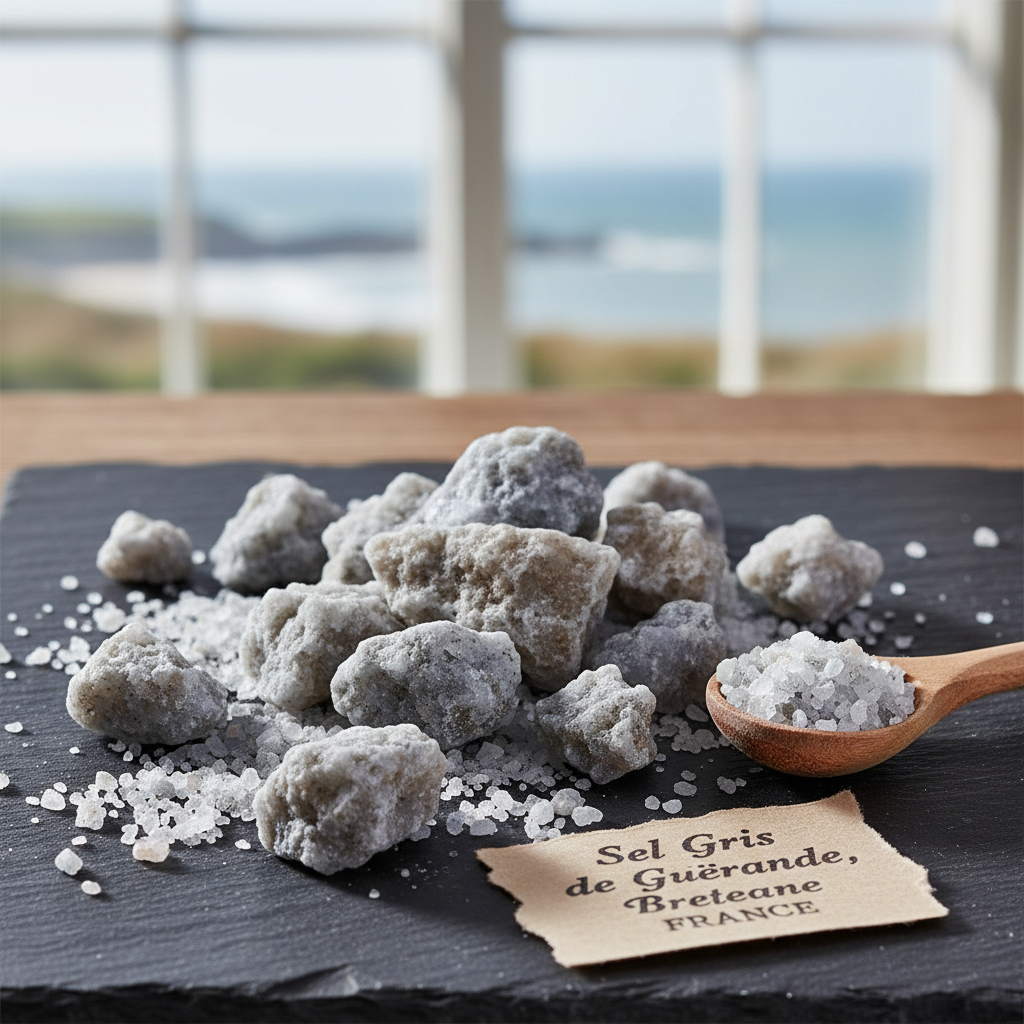
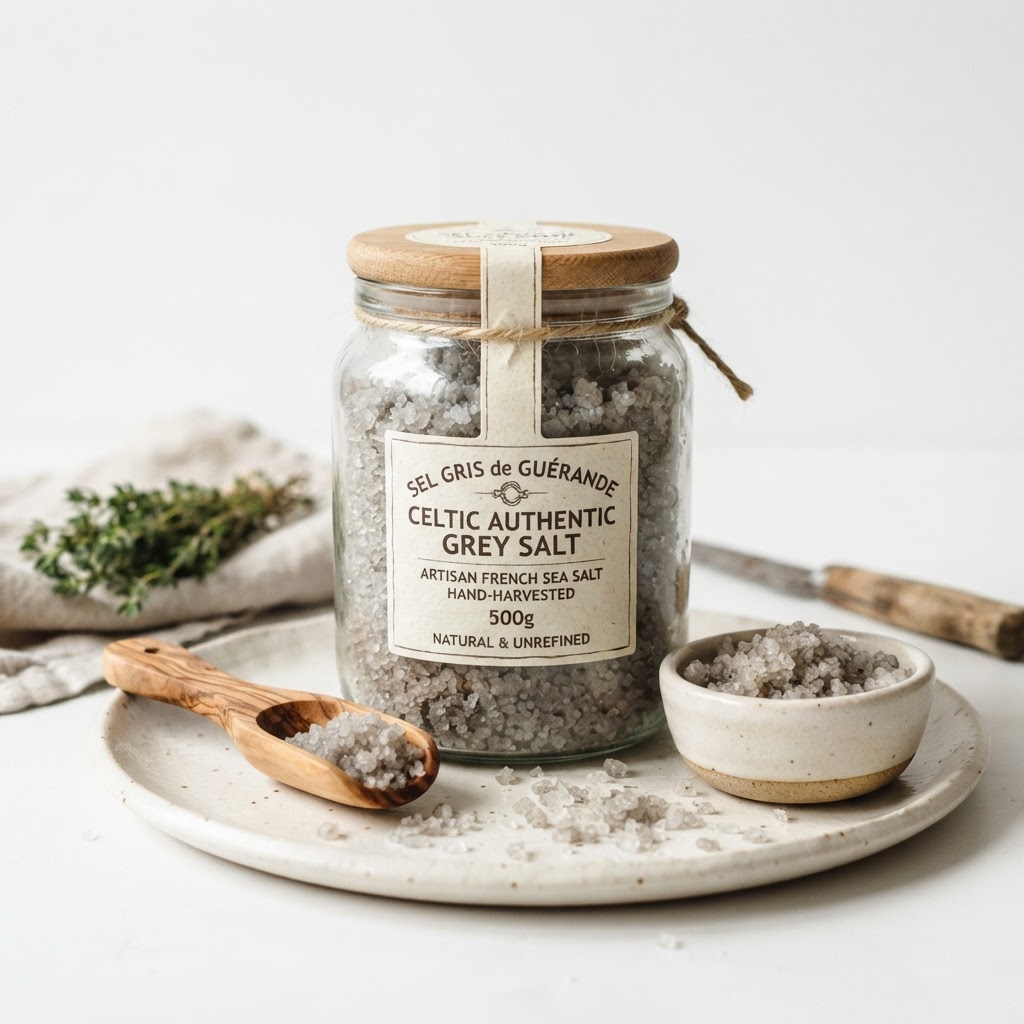
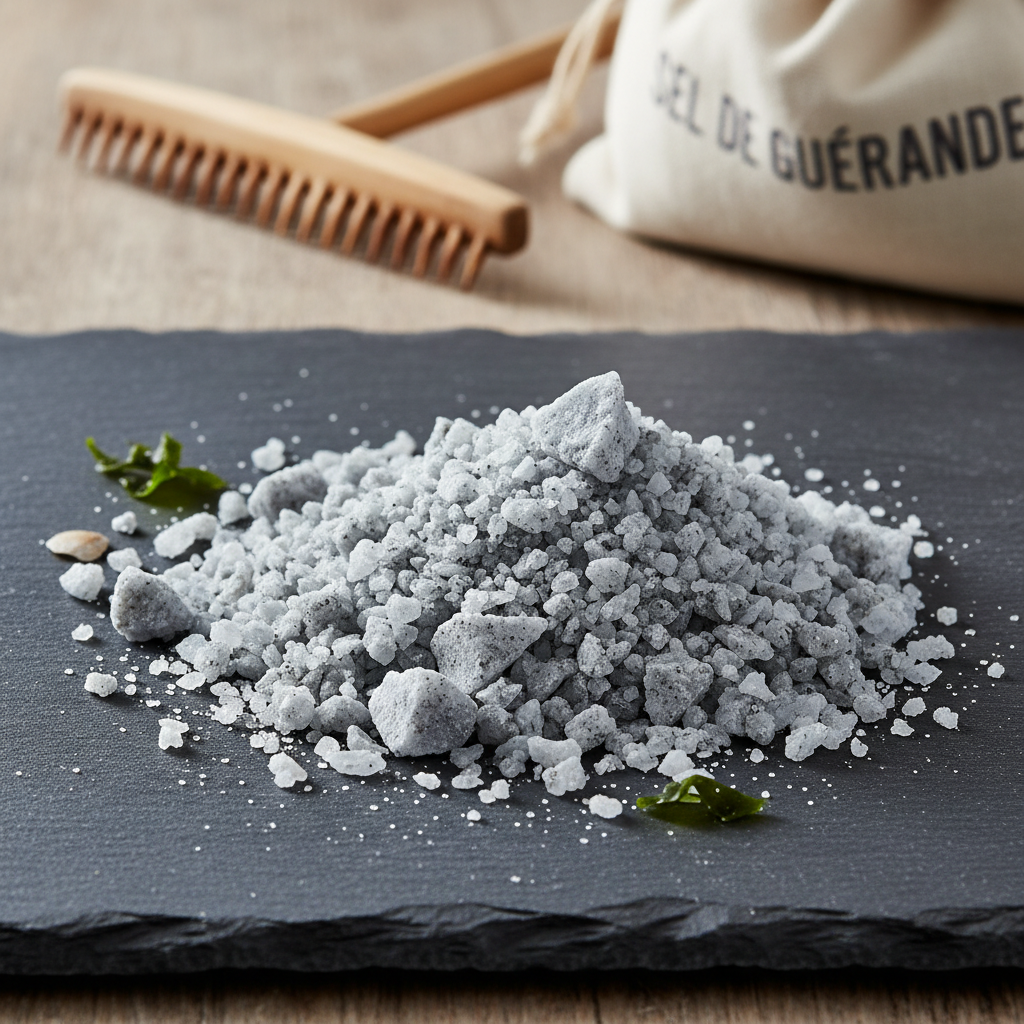
Celtic grey salt from Guérande in Brittany, France, has emerged as a particularly celebrated choice among artisan sourdough bakers, and this reputation is well-deserved. Harvested by hand by traditional salt farmers known as paludiers using methods that have remained largely unchanged for over a thousand years, Guérande grey salt carries an IGP (Indication Géographique Protégée) certification — a European quality designation that guarantees authentic geographic origin and production method. This salt retains naturally occurring moisture from the Atlantic Ocean, along with over trace minerals whose levels vary by harvest and product including magnesium, calcium, and potassium. These minerals are not additives; they are the natural mineral companions that salt carried before industrial processing removed them. In sourdough baking, this mineral richness acts synergistically with the bread's fermentation process in ways that refined salt simply cannot replicate.
The growing awareness around sourdough salt selection reflects a broader cultural shift in 2026 toward ingredient transparency and craftsmanship. Bakers today are reading labels, asking questions about sourcing, and making deliberate choices about every component that enters their dough. Salt is no longer an afterthought; it is recognized as a foundational ingredient deserving the same attention as flour, water, and starter culture. This pillar article will take you through the science, the practical application, the benefits, and the decision-making process behind choosing the best salt for sourdough bread — with a particular focus on why unrefined Celtic grey salt from Guérande stands as a premier choice for bakers who care deeply about their craft. Whether you are baking your first loaf or your thousandth, the information here will help you make a more informed, more delicious decision.
The Science Behind the Best Salt for Sourdough Bread
To truly understand why salt selection matters in sourdough, we need to look at what salt actually does inside the dough at a biochemical level. Salt performs several distinct and critical functions simultaneously during the bread-making process. First and most importantly for sourdough, salt regulates fermentation rate by controlling the activity of wild yeast and bacteria in the starter culture. Salt creates an osmotic environment that slows microbial activity — this is not a negative effect but rather a necessary one. Without salt, fermentation proceeds too rapidly, producing an overly acidic, poorly structured loaf. The right amount of salt creates a controlled fermentation environment that allows complex flavor compounds to develop gradually, the gluten network to organize itself properly, and the timing of the bake to remain predictable. Unrefined salts like Guérande grey salt dissolve at a slightly different rate than refined table salt, which means the osmotic regulation is more gradual and even — giving bakers a broader, more forgiving fermentation window.
Salt also plays a direct mechanical role in gluten development. When sodium chloride is introduced into a hydrated flour mixture, it strengthens the gluten network by promoting tighter bonding between glutenin and gliadin protein strands. This results in a dough that is more extensible yet also more resistant to tearing — the ideal rheological balance for the long, slow fermentation that characterizes sourdough. Studies on bread dough rheology have consistently shown that salt-containing doughs exhibit greater elasticity and cohesion than unsalted controls. What is particularly interesting from the perspective of mineral-rich salts is that trace elements like magnesium and calcium may contribute additional structural effects. Calcium ions, for example, are known to interact with gluten proteins and can influence dough stiffness and water absorption. A salt carrying natural calcium content — as Guérande grey salt does — may therefore deliver slightly different and arguably more complex structural effects than pure sodium chloride alone.
The impact of salt on crust formation and Maillard browning is another scientifically documented dimension of salt's role in sourdough. Salt affects the moisture dynamics of the dough surface during baking, influencing how the crust sets and browns. It also modulates the concentration of reducing sugars available for Maillard reactions — the chemical process responsible for the deep amber color and complex toasty aromas of a well-baked sourdough crust. The moisture naturally present in unrefined grey salt from Guérande dissolves and integrates into the dough differently than dry, free-flowing refined salts, which may affect surface hydration dynamics in subtle but perceptible ways. Many bakers report that loaves made with moist, unrefined salt exhibit a more evenly colored, more deeply flavored crust, and this is consistent with what we understand about how salt moisture interacts with dough surface chemistry during oven spring and crust development.
Salt Type
Mineral Profile
Additives
Moisture Content
Effect on Fermentation
Flavor Impact
Table Salt (refined)
Pure NaCl (~99.9%)
Anti-caking agents, iodine
Very dry
Can inhibit starter cultures; iodine may harm bacteria
Sharp, one-dimensional
Kosher Salt (refined)
NaCl with minimal minerals
Sometimes anti-caking agents
Low
Neutral to fermentation if additive-free
Clean but flat
Coarse Sea Salt (generic)
NaCl with trace minerals
Varies by brand
Low to moderate
Generally positive; mineral-dependent
Better than table salt
Celtic Grey Salt (Guérande IGP)
trace minerals whose levels vary by harvest and product including Mg, Ca, K
None — completely unrefined
Naturally moist
Supports fermentation; no harmful additives
Complex, briny, rounded
How to Use the Best Salt for Sourdough Bread — Complete Guide
Knowing which salt to use is only half the equation — knowing how to use it correctly within the sourdough process is equally important. The following guide covers every practical aspect of incorporating Celtic grey salt from Guérande into your sourdough baking routine, from preparation through to the finished bake.
Step 1: Measure by Weight, Not Volume
Because Celtic grey salt is naturally moist and has irregular grain sizes, measuring by volume (teaspoons, tablespoons) introduces inconsistency. Always use a digital kitchen scale. The standard baking percentage for salt in sourdough is 2% of total flour weight. For a standard 500g flour loaf, that means 10 grams of salt. Some bakers prefer up to 2.2% for a more pronounced mineral character, while others working with high-hydration doughs may reduce to 1.8% to maintain a slightly faster fermentation. Start at 2% and adjust based on taste and fermentation behavior.
Step 2: Dissolve Before Incorporating
Celtic grey salt's natural moisture content means it dissolves readily, but with coarser grinds, it benefits from being dissolved in a small portion of your dough water before mixing into the flour. This ensures perfectly even salt distribution throughout the gluten matrix — uneven salt distribution is a common cause of erratic fermentation and inconsistent flavor pockets in finished loaves. Simply mix your measured salt into 20–30ml of your recipe's water, stir briefly, and add this solution to your autolyse before the stretch-and-fold phase begins.
The classic sourdough method involves an autolyse period — allowing flour and water to hydrate together for 30–60 minutes before salt is added. This is especially important when using mineral-rich unrefined salts. During autolyse, enzymes in the flour begin breaking down proteins and starches without salt's interference, building initial gluten structure more effectively. Adding salt and starter after autolyse allows you to observe how the dough behaves before salt-driven osmotic pressure takes effect. Once you add your dissolved Celtic grey salt alongside your active starter, perform a series of stretch-and-fold movements to fully incorporate both.
Step 4: Monitor Bulk Fermentation
At 2% salt with an active starter, bulk fermentation at room temperature (68–74°F / 20–23°C) typically runs 4–6 hours, though this varies based on starter activity, flour type, and ambient temperature. Celtic grey salt's clean, additive-free composition means it will not unexpectedly suppress your starter's activity the way iodized table salt can. Watch for a 50–75% volume increase in the dough, visible bubbling near the container walls, and a dough that has become slightly domed and jiggly. These are reliable indicators of a healthy bulk fermentation.
Step 5: Shape, Cold-Proof, and Bake
After bulk fermentation, shape your loaf gently and place it in a well-floured banneton or proofing basket. Cold-proofing overnight (8–16 hours at 38–40°F / 3–4°C) allows additional flavor development while the salt continues to regulate any residual fermentation activity. When ready to bake, preheat your Dutch oven or baking vessel at 500°F / 260°C for at least 45 minutes. Score the loaf and bake covered for 20 minutes, then uncovered for 20–25 more minutes until deeply bronzed. The minerals in Guérande grey salt contribute to exceptional crust coloration at this stage.
Practical Tips for Working with Celtic Grey Salt
Store in an airtight container — the natural moisture in grey salt is a feature, not a flaw, but you don't want it absorbing additional ambient humidity that could cause clumping.
Use a fine or medium grind for dough incorporation; reserve coarser crystals for finishing applications like focaccia toppings.
Never add salt directly to your starter culture — always incorporate it into the bulk dough.
Taste your dough after incorporating salt — experienced bakers develop a sense for proper seasoning in raw dough.
Adjust percentage by flour type — whole grain flours often benefit from slightly higher salt percentages (2.1–2.2%) due to their denser bran content.
Benefits of the Best Salt for Sourdough Bread Backed by Evidence
The advantages of using high-quality, unrefined Celtic grey salt in sourdough baking extend across flavor, fermentation health, texture, and nutritional profile. Let us examine each of these benefit areas with the specificity they deserve. Beginning with flavor: the mineral complexity of Guérande grey salt — derived from over trace minerals whose levels vary by harvest and product — creates a flavor profile in baked bread that is fundamentally different from bread made with refined table salt. The magnesium content adds a subtle bitterness that balances the lactic acidity of sourdough, while calcium contributes a clean minerality that extends the flavor finish on the palate. The result is a bread that tastes complete and rounded rather than merely salty, with each bite delivering a layered complexity that keeps the palate interested. Professional bread judges and food writers who evaluate artisan loaves consistently note that mineral-rich salts produce breads with superior flavor depth, and this is supported by sensory evaluation research in food science literature.