Hand-harvested Guérande salt · Tracked international delivery included
Guide· by Celtic Salt Editorial Team
Fleur De Sel Vs Celtic Salt
Introduction — Why fleur de sel vs celtic salt Matters
In recent years, the culinary world has seen a resurgence of interest in different types of salts, particularly fleur de sel and Celtic salt. While both are celebrated for their unique flavors and textures, they come from distinct origins and have specific uses that may appeal to health-conscious consumers looking to enhance their cooking. Understanding the differences between fleur de sel and Celtic salt is essential for anyone interested in improving their culinary skills, creating balanced dishes, and embracing natural, unrefined ingredients.
Salt is not just a seasoning; it has been an integral part of human culture, cuisine, and preservation methods for centuries. As consumers are becoming increasingly aware of what they put in their bodies, opting for high-quality salts can be a simple yet effective way to support a healthier lifestyle. Fleur de sel, harvested from the coastal areas of France, boasts a delicate flavor and flaky texture that can elevate any dish. In contrast, Celtic salt, primarily harvested from the coastal regions of Brittany, is known for its mineral-rich content and darker color, which may offer a more robust flavor profile.
In this article, we’ll delve deep into the similarities and differences between fleur de sel and Celtic salt. We'll explore their origin, key benefits, practical cooking tips, and what to consider when purchasing these gourmet salts, ensuring that you make informed choices for your kitchen and well-being. If you're ready to add a new dimension to your culinary adventures, read on to discover the fascinating world of fleur de sel and Celtic salt.
What Is fleur de sel vs celtic salt?
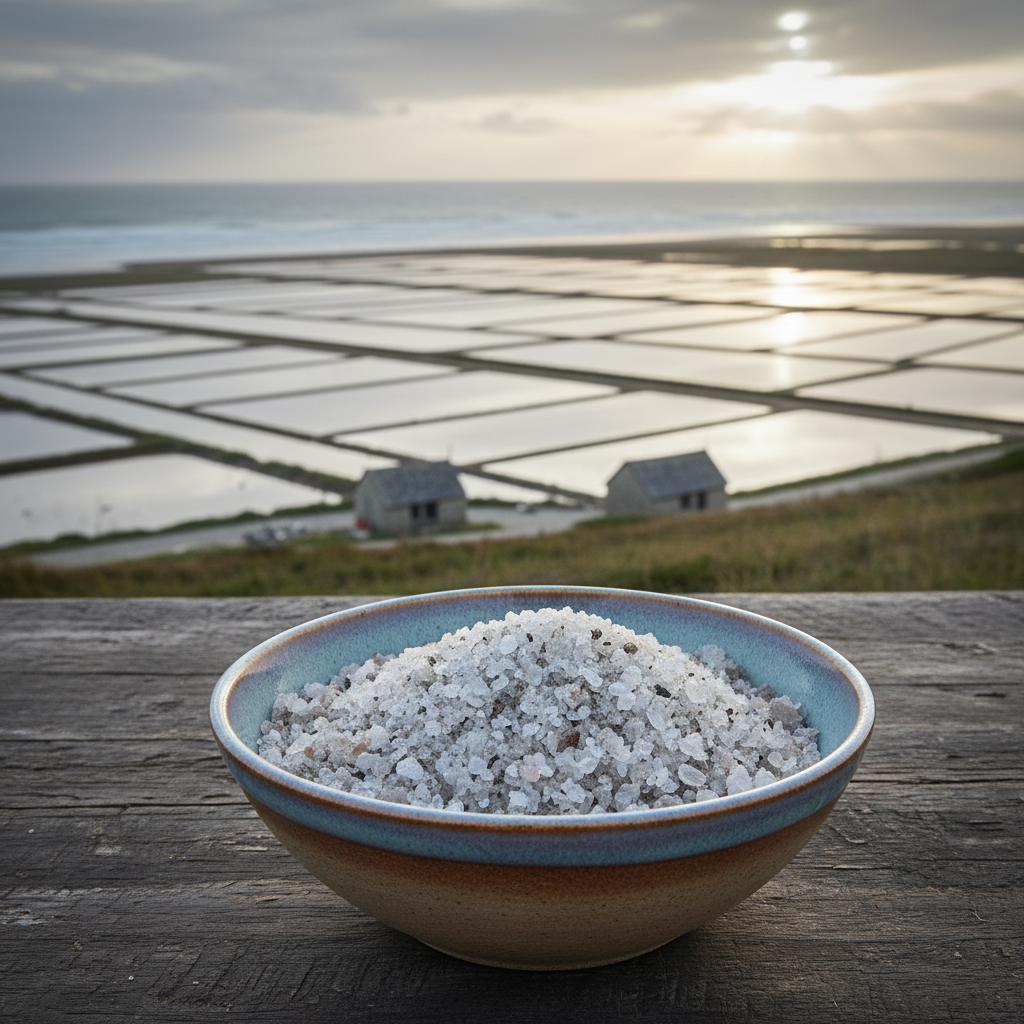
Fleur de sel is a rare and delicate sea salt that forms as a crust on the surface of salt ponds in coastal regions of France, specifically in Guérande, Brittany. This highly sought-after salt is typically harvested by traditional salt workers known as paludiers, who carefully skim the top layer, ensuring that only the lightest, most delicate salt crystals make it to market. Fleur de sel is characterized by its flaky texture and subtle, moist flavor, which is a result of the brine concentration and the specific climatic conditions in which it is harvested.
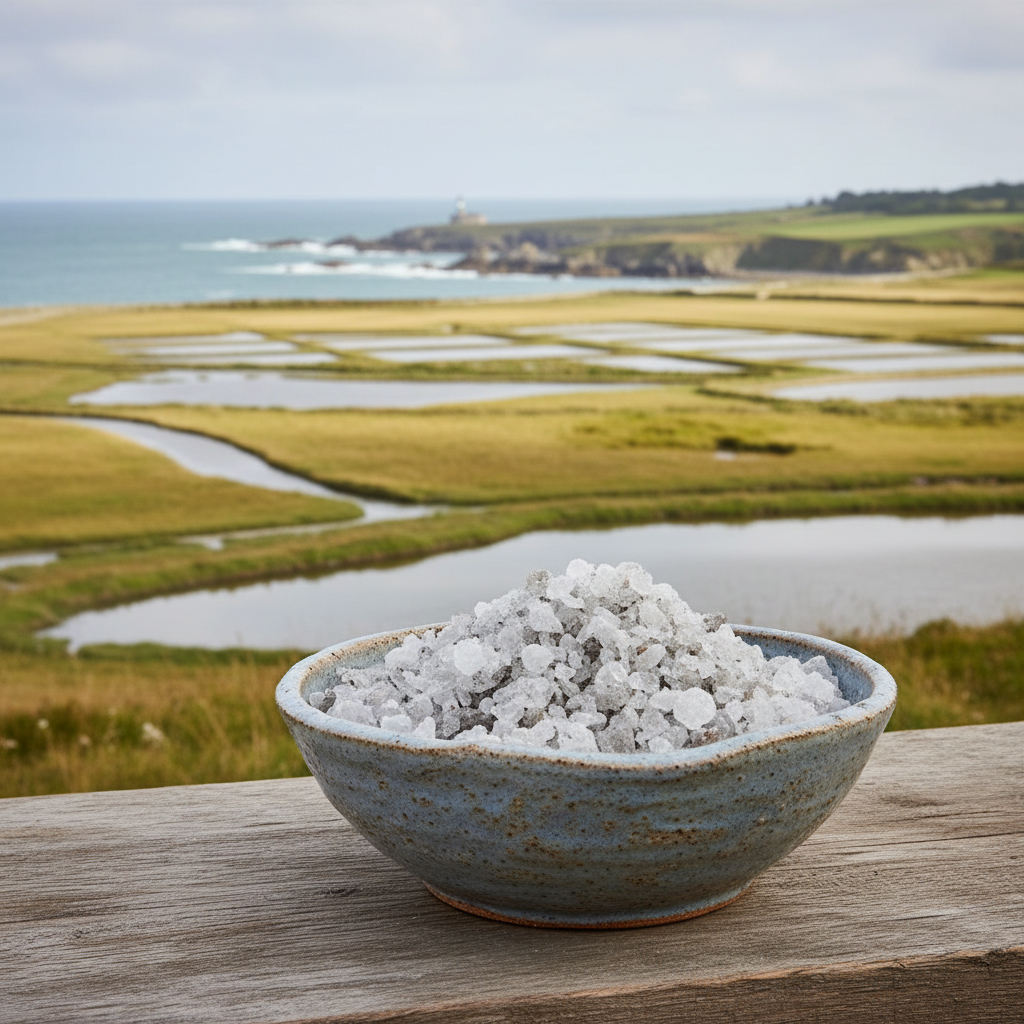
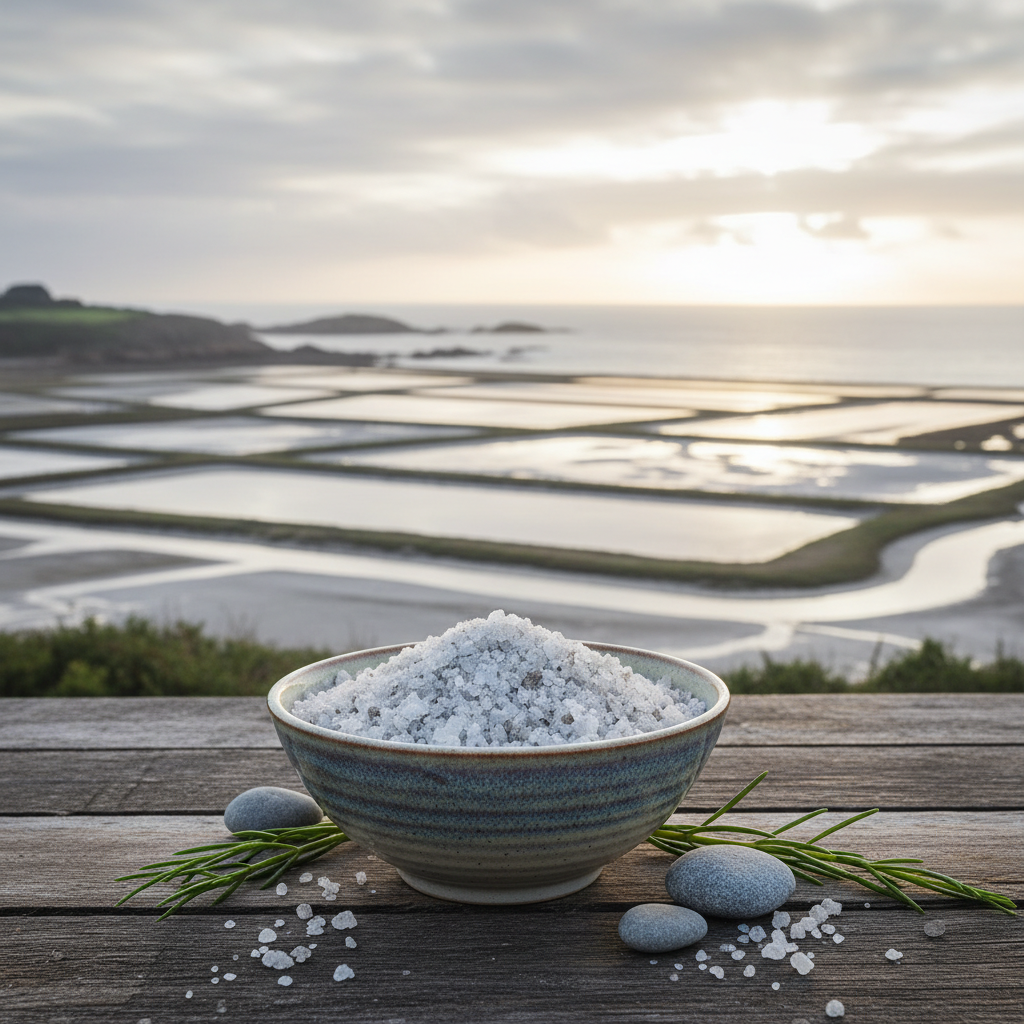
Celtic salt, on the other hand, is harvested through traditional methods along the coasts of Brittany, similar to fleur de sel, but with some key distinctions. Known as sel gris or grey salt, Celtic salt is often harvested from the bottom of the salt ponds, resulting in larger, wetter crystals with a distinct grey color due to the natural clay and minerals present in the harvesting process. This type of salt is unrefined and retains a higher mineral content compared to table salt, which is usually heavily processed and stripped of its natural nutrients. The flavor of Celtic salt is typically more robust and briny than that of fleur de sel.
Essentially, while both fleur de sel and Celtic salt are harvested from the pristine waters of Brittany, their methods of collection and final textures set them apart, making them unique ingredients for gourmet cooking and wellness practices.
Key Benefits and Uses
Both fleur de sel and Celtic salt are beloved not just for their flavors but also for their array of potential benefits. While avoiding any medical claims, it's essential to acknowledge the unique aspects of these salts that may support a healthier lifestyle. Fleur de sel is often praised for its delicate taste, making it an ideal finishing salt. Its texture allows it to dissolve quickly when sprinkled on a variety of dishes, enhancing the overall flavor without overpowering the other ingredients. This makes it particularly favored for use on meats, fish, vegetables, and even baked goods.
Celtic salt, with its higher mineral content, is traditionally used to enhance flavors in cooking while also being linked to numerous traditional culinary practices. The richness of Celtic salt can enhance the taste of hearty dishes such as soups, stews, and marinades. Moreover, its unrefined nature means it retains valuable minerals that may support overall wellness, aligning with the growing trend of choosing natural and organic ingredients in cooking.
When it comes to nutrient content, Celtic salt is often noted for its trace minerals, including magnesium, calcium, and potassium, which are sought after by health-conscious consumers. Many people opt for unrefined options like Celtic salt to add natural flavor and nourishment to their meals. Fleur de sel, on the other hand, with its moisture content, releases a burst of saltiness that is perfect for topping off completed dishes, adding a gourmet touch.
🧂 AUTHENTIC IGP GUÉRANDE SALT
500g / 17.6 oz · Hand-harvested · Brittany, France
Both salts encourage mindful eating practices, as their unique flavors often allow for reduction in the quantity of salt used. The quality over quantity principle aligns nicely with a growing awareness of health and wellness in daily diets, which certainly adds to their appeal. Whether used in cooking or as a finishing touch, these salts represent an artisanal approach to flavoring your food in a way that remains in harmony with natural, wholesome ingredients.
How to Use fleur de sel vs celtic salt in Your Daily Cooking — Practical Guide
Incorporating fleur de sel and Celtic salt into your daily cooking can elevate your culinary experience, enhancing flavors while remaining health-conscious. A practical approach is to consider when and how to use each salt effectively to optimize its benefits. For instance, fleur de sel should be used primarily as a finishing salt. Its delicate texture and subtle moisture make it ideal for sprinkling just before serving. Try it on grilled meats, roasted vegetables, or even on fresh salads to provide that final touch of flavor.
To effectively use fleur de sel, begin by seasoning your dishes with traditional salt during cooking. Once your meal is plated, lightly sprinkle some fleur de sel over the top. The contrast between the warm food and the cool, flaky salt creates a delightful burst of flavor upon first bite.
On the other hand, when using Celtic salt, consider it during the cooking process. Because of its robust flavor, it can effectively season larger dishes, such as soups, stews, and marinades. Start by adding Celtic salt at the beginning of the cooking process, letting it dissolve in your liquids and permeate the dish. This method allows the salt to enhance the overall flavor profile of the meal.
In terms of measurements, it's advisable to taste as you go, as the unique characteristics of each salt can influence how much you will need. A good rule of thumb is to use slightly less fleur de sel than traditional salt, as the delicate flavors can be more pronounced. Meanwhile, with Celtic salt, a more generous seasoning may be warranted due to its robust nature.
For easy recipe ideas, consider using fleur de sel atop chocolate desserts to accentuate sweetness or sprinkle it over popcorn for a gourmet snack. With Celtic salt, try utilizing it in homemade pickling brines or dry rubs for meats, where its mineral-rich content enhances the depth of flavor. By understanding how to harness the unique qualities of each type of salt, you can turn everyday cooking into an enriching experience.
How to Use fleur de sel vs celtic salt
Beyond culinary applications, fleur de sel and Celtic salt offer a range of lifestyle uses that contribute to holistic well-being. For example, many people turn to Celtic salt for its potential benefits in self-care routines. Adding Celtic salt to a warm bath can promote relaxation, as the minerals present may aid in soothing tired muscles and providing a tranquil experience. Simply dissolve 1-2 cups of Celtic salt into your warm bathwater and allow yourself to soak, enjoying the calming properties that can come from the unrefined salt.
Another popular application of salt in everyday life is through scrubs. Create a gentle exfoliating scrub using Celtic salt mixed with natural oils like olive oil or coconut oil. The salt acts as an exfoliant, helping to remove dead skin cells while the oils moisturize. Apply this mixture to your skin in gentle circular motions, then rinse off for smooth, rejuvenated skin.
On the other hand, fleur de sel can be used creatively in skincare routines. Its delicate crystals can be an effective ingredient when mixed with honey or yogurt to create a homemade facial scrub. Apply it gently to your skin, allowing the natural minerals to nourish while the scrub aids in exfoliating. This is a wonderful way to incorporate natural ingredients into your skincare routine without the use of harsh chemicals.
Fleur de sel can also be an excellent addition to your energy-boosting drinks, pairing well with fresh citrus juice or as a rim for cocktails. The balance of sweet and salty creates a refreshing drink that can invigorate your day.
In summary, both fleur de sel and Celtic salt hold versatile roles beyond the kitchen. Their unique properties cater to various aspects of a healthier lifestyle, from enhancing everyday cooking to enriching skincare routines. Embracing these salts in multiple facets of your life exemplifies a commitment to natural and holistic living.
🧂 AUTHENTIC GUÉRANDE CELTIC SALT
Celtic Authentic Grey Salt – 500g / 17.6 oz
Hand-harvested · Unrefined · trace minerals whose levels vary by harvest and product · IGP certified
When purchasing fleur de sel or Celtic salt, it's important to know what quality indicators to consider to ensure you receive a premium product. One of the most significant factors is the source. Look for salts that are proudly harvested in regions renowned for their artisanal production, such as Guérande, Brittany for fleur de sel and Celtic salt. Authentic fleur de sel will often carry an IGP designation (Indication Géographique Protégée), which ensures that the salt comes from a particular geographic area and is produced according to stringent traditional methods.
For Celtic salt, the color can serve as a good indicator of quality. Authentic Celtic salt is often grey, due to the natural clay and minerals found in the salt flats where it is harvested. Be cautious of brands that market grey salt but do not have evidence of proper sourcing. Always check for reputable certifications to ensure that you are receiving an unrefined product.
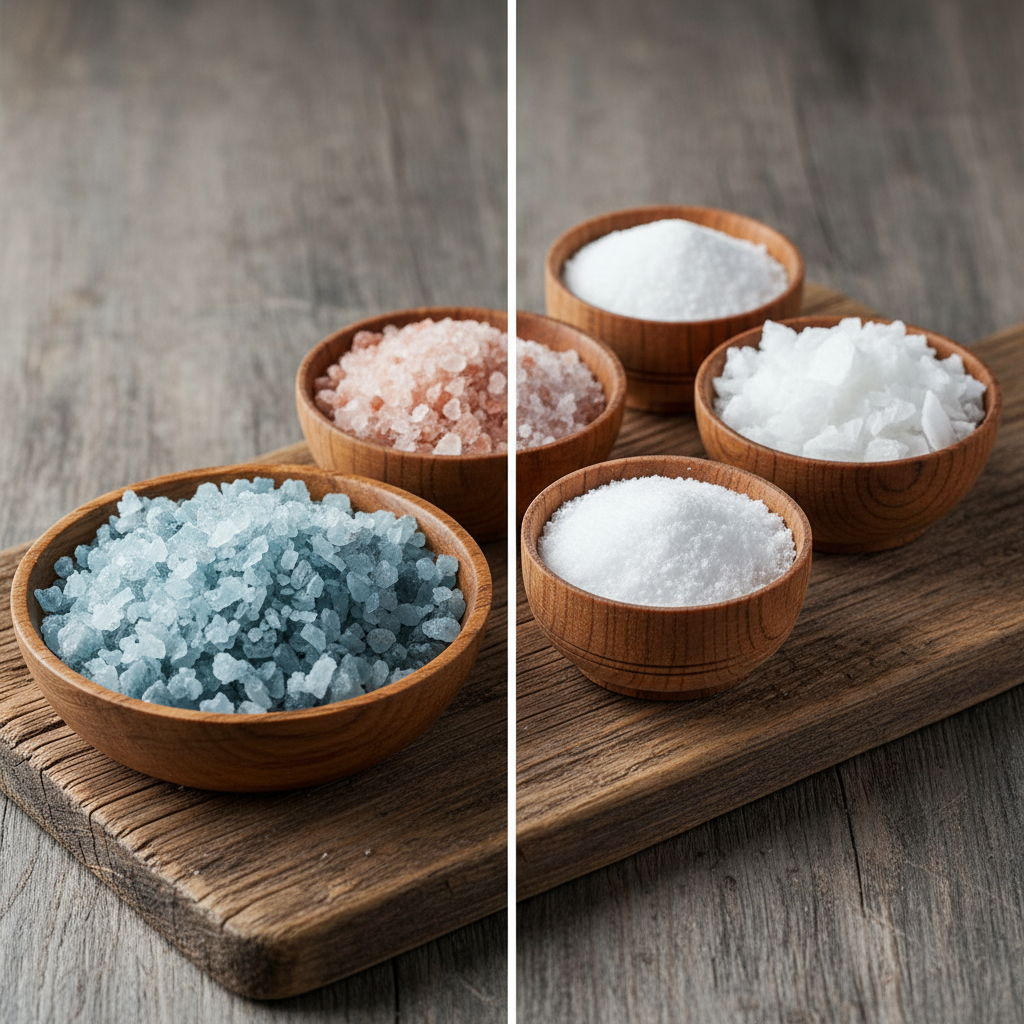
Another critical aspect to consider is the texture. High-quality fleur de sel should have light, flaky, moist crystals that can easily dissolve on the tongue. In contrast, Celtic salt should have larger, irregular crystals and a slightly damp feel, indicative of its unrefined nature. Avoid products that are overly dry or overly refined, as they may lack the rich flavor and nutritional value inherent to these artisanal salts.
Proper packaging is also essential for preserving the integrity of these gourmet salts. Look for products in airtight containers that protect from moisture and contaminants. Buying from reputable vendors who prioritize quality will help safeguard your investment in these premium salts; reading customer reviews can be a helpful gauge of the product's reliability.
By focusing on reputable sources, identifying quality indicators, and paying attention to packaging, you can feel confident that you are making informed purchases of fleur de sel and Celtic salt, enhancing your culinary and lifestyle choices sustainably.
Common Questions About fleur de sel vs celtic salt
What is the main difference between fleur de sel and Celtic salt?
The primary difference lies in their harvesting methods and textures. Fleur de sel is a flaky, delicate finishing salt harvested from the surface of salt ponds, while Celtic salt is coarser, grey in color, and often harvested from the bottom, retaining more minerals.
Can you use fleur de sel for cooking?
While fleur de sel is primarily used as a finishing salt due to its delicate flavor, it can be used in cooking. However, it’s best added at the end of the cooking process to maximize its flavor impact.
Are both fleur de sel and Celtic salt unrefined?
Yes, both fleur de sel and Celtic salt are considered unrefined. They retain their natural minerals and characteristics due to traditional harvesting processes, making them preferable to table salt.
How should I store fleur de sel and Celtic salt?
Store both types of salt in airtight containers in a cool, dry place. This will prevent moisture absorption and ensure the salts maintain their texture and flavor.
Can I use Celtic salt in baking?
Celtic salt can be used in baking, especially in recipes that benefit from its robust flavor. It's best to dissolve it in liquids or mix it into dry ingredients for even distribution.
Conclusion
In summary, fleur de sel and Celtic salt are two distinctive types of gourmet salt that offer valuable enhancements to both culinary applications and holistic routines. Their unique sourcing and flavor profiles add depth to meals while promoting mindful eating habits and lifestyle choices. By understanding the differences and potential benefits of each salt, you can make informed decisions that align with your health-conscious values. Whether you opt for the delicate flakes of fleur de sel to finish off your favorite dishes or choose the mineral-rich, briny flavor of Celtic salt for your everyday cooking, both can play a substantial role in enhancing not only your food but also your overall lifestyle. Embrace these artisanal products and let them elevate your culinary creations and well-being.
Celtic Salt — IGP Guérande
Hand-harvested by Breton paludiers. 500g / 17.6 oz jar, unrefined, trace minerals whose levels vary by harvest and product.
Free shipping — standard tracked delivery included