Hand-harvested Guérande salt · Tracked international delivery included
Guide· by Celtic Salt Editorial Team
Celtic Salt Versus Table Salt
Introduction — Why Celtic Salt versus Table Salt Matters in 2026
In 2026, the conversation surrounding salt goes beyond mere seasoning; it delves into health, culinary authenticity, and sustainability. With the rise of health-conscious consumers and a greater appreciation for natural foods, understanding the difference between Celtic sea salt and conventional table salt has never been more essential. Celtic salt, harvested from the pristine coastal areas of Brittany, France, has gained recognition not just as a flavorful alternative but as a potentially healthier choice compared to the highly processed table salt found in most households. As society becomes increasingly aware of the food we consume, the significance of choosing the right type of salt continues to evolve.
This article offers a thorough comparison between Celtic salt and table salt, exploring their origins, properties, benefits, and practical usage. By the end, you'll be equipped with the knowledge needed to enhance your culinary endeavors while making informed choices about your health and diet.
What Is Celtic Salt versus Table Salt?
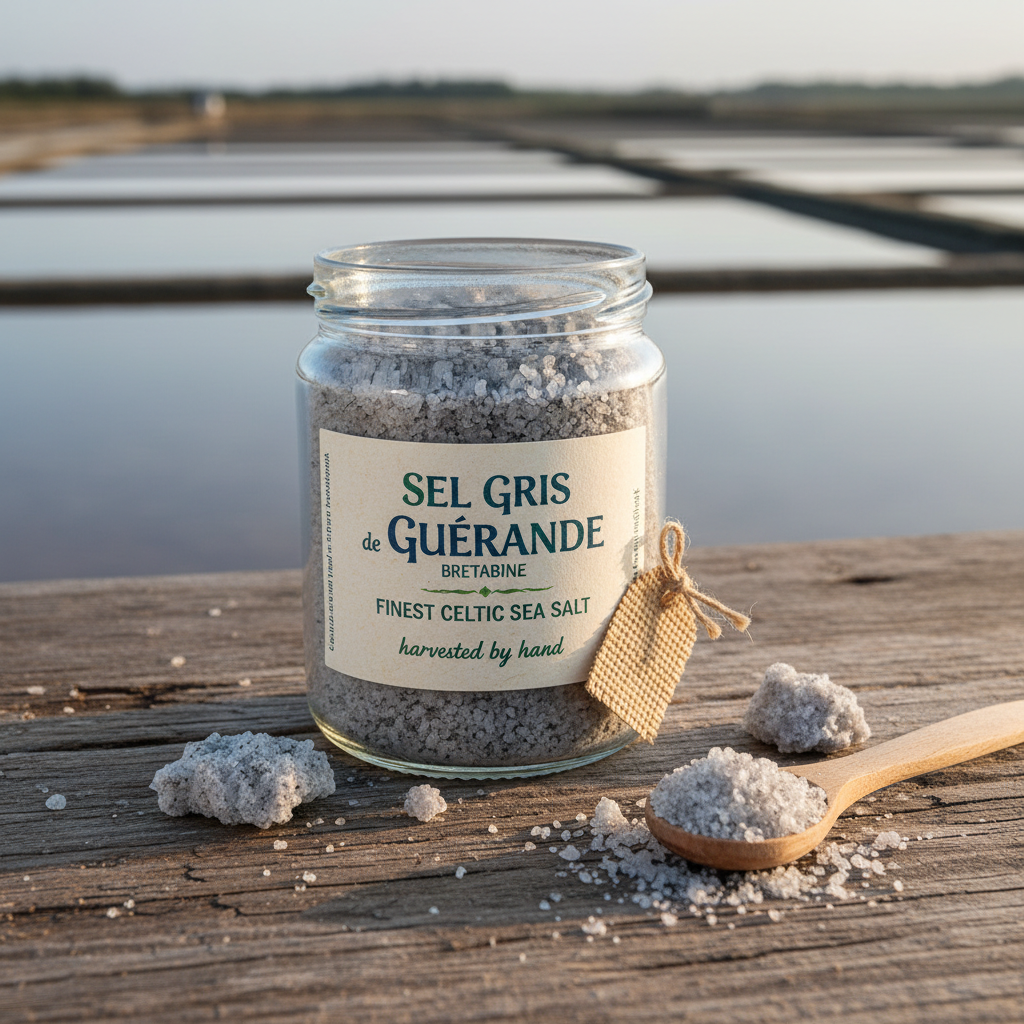
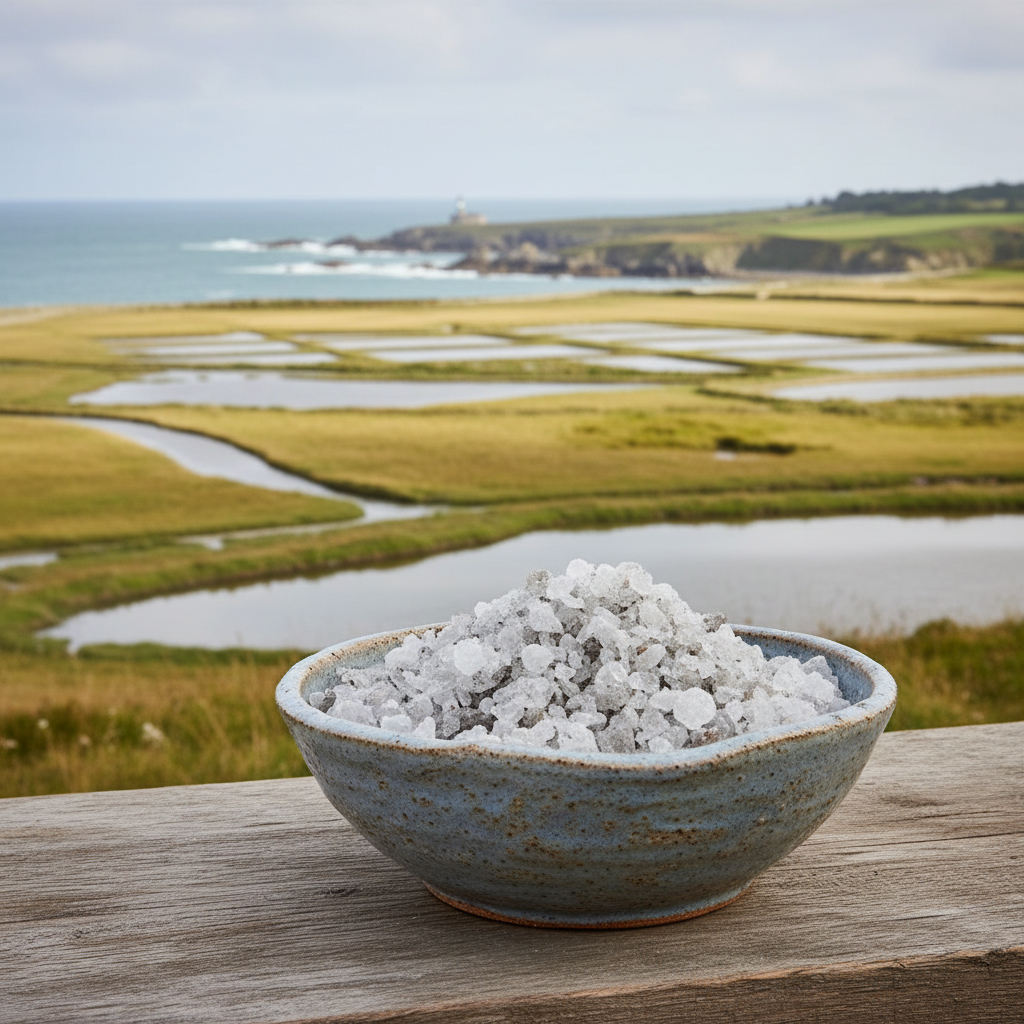
Celtic salt, often referred to as grey salt or sel gris, is a natural sea salt harvested using traditional methods from specific salt pans in Brittany, France. The process entails collecting seawater and allowing it to evaporate in clay ponds, which results in a distinctive salt with a moist texture and a greyish hue. This salt maintains its natural minerals, including potassium, magnesium, and calcium, which contribute to its unique flavor profile and health benefits.
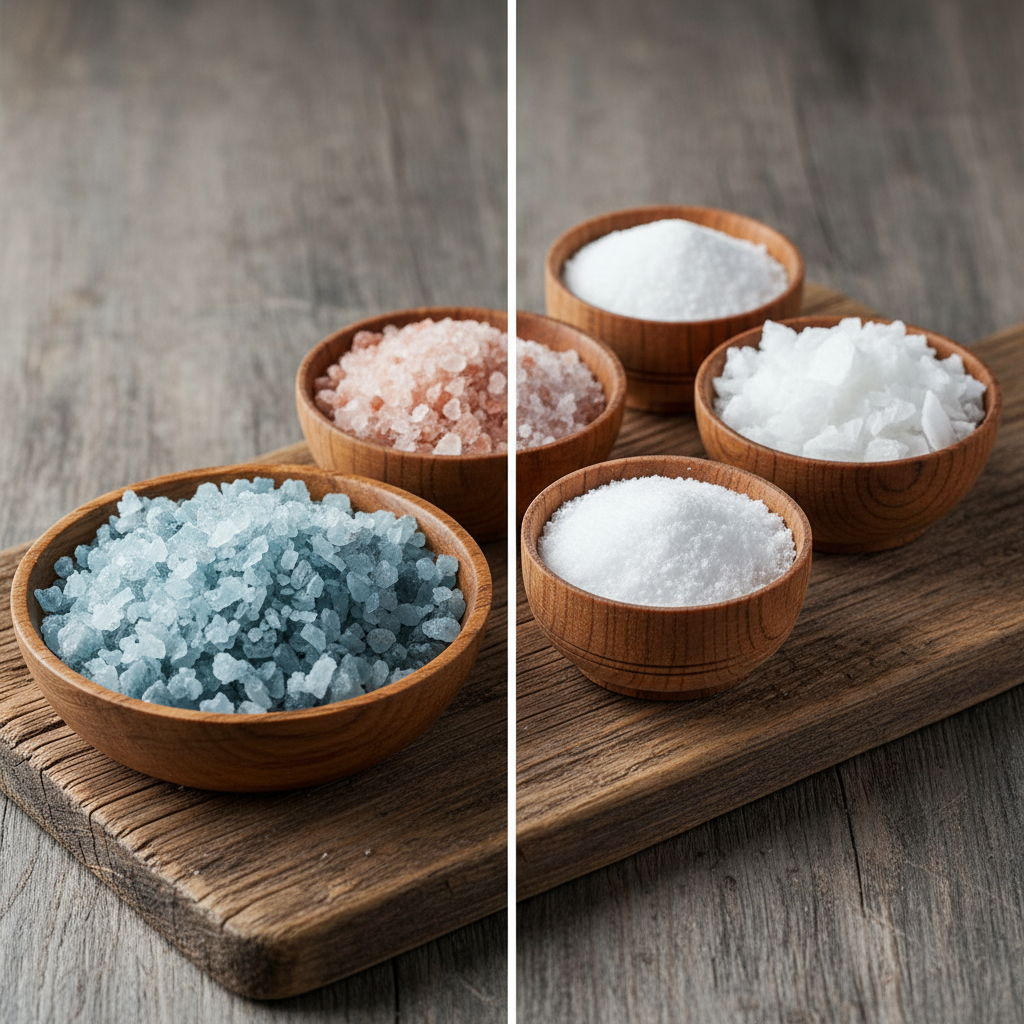
In contrast, table salt is typically mined from salt deposits and undergoes rigorous processing, which often involves the removal of impurities and minerals. During this purification process, additives like anti-caking agents are introduced to keep the salt from clumping. The result is a fine, white salt that lacks the robust flavor and mineral content found in Celtic salt, making it a common choice for year-round cooking yet lacking the distinctive attributes of unrefined sea salt.
Another key difference lies in the texture and flavor. Celtic salt has a coarser grain, which can provide a delightful crunch, while table salt is often very fine and easily dissolves, altering the mouthfeel of dishes. These differences impact not only the culinary applications but also the nutritional profile of each salt.
Key Benefits and Properties
The benefits of Celtic salt extend beyond taste and texture. Because it is harvested naturally and is unrefined, it retains a wealth of minerals that are often stripped from table salt. These trace minerals are essential for various bodily functions, including hydration, nerve function, and muscle contraction. Some proponents argue that these minerals can contribute to a balanced diet, provided they are consumed in moderation.
Moreover, Celtic salt is generally lower in sodium per teaspoon compared to table salt due to its larger crystal size. This can be a significant consideration for those looking to reduce their sodium intake without sacrificing flavor. In addition, this form of salt can be beneficial for maintaining electrolyte balance, which can be particularly advantageous for athletes or those who lead active lifestyles.
Another noteworthy quality of Celtic salt is its ability to enhance the flavor of dishes without overwhelming them, a characteristic often missing in highly refined table salt. The natural briny notes can elevate both savory and sweet dishes, making it a versatile addition to any kitchen. Moreover, its unprocessed nature means that it does not contain additives or preservatives, ensuring that your food stays as close to its natural state as possible.
How to Use Celtic Salt versus Table Salt: Practical Guide
Using Celtic salt effectively requires a slight adjustment in technique, especially if you are accustomed to table salt. Since Celtic salt is coarser and retains moisture, it can be used differently in various culinary applications. For seasoning during cooking, it is advisable to crush the salt slightly to increase its surface area and aid in quicker dissolution. This makes it ideal for incorporating into sauces, marinades, and rubs.
When using Celtic salt as a finishing touch, its texture can provide a delightful crunch. Sprinkling it over dishes just before serving can highlight flavors and add an appealing aesthetic. Chefs often use it on vegetables, meats, and even baked goods like breads, where the salt can enhance the overall flavor profile and improve presentation.
In baking, it’s important to note that the grain size of Celtic salt may affect the outcome of your recipes. For recipes requiring precise measurements, such as pastries or cakes, it’s best to adjust your measurements or opt for a finer grind if available to ensure that the salt dissolves properly.
For those incorporating salt into brines or pickling solutions, Celtic salt dissolves well and imparts its mineral-rich flavor, which can enhance the preservation process. Adding it to soups, stews, and stocks will contribute distinctively earthy flavors that are far more complex than those achieved with table salt.
AUTHENTIC IGP GUÉRANDE SALT
🧂 AUTHENTIC GUÉRANDE CELTIC SALT
Celtic Authentic Grey Salt – 500g
Hand-harvested · Coarse · Dried · Brittany, France
How to Choose Quality Celtic Salt versus Table Salt
When selecting salt, quality should always be a primary consideration, especially when differentiating between Celtic salt and table salt. High-quality Celtic salt should be grey in color, symbolizing its natural harvesting process. Look for products that are labeled as "unrefined" and "hand-harvested," which ensures that the salt retains its minerals.
It is also important to research the sourcing of the salt. authentic Celtic salt should come from reputable producers in Brittany, France, where traditional methods are upheld. The description of paludiers, those who harvest this salt, adds to the narrative of authentic Celtic salt. Supporting these traditional methods also aligns with sustainable practices and helps local economies.
When choosing table salt, consider the presence of additives. Some brands may include anti-caking agents and other processing agents that could detract from the purity of the salt. Opting for sea salt without additives is always a safer choice if you want the closest alternative to natural salt products.
Price can be an indicator of quality. High-quality Celtic salt may be more expensive due to the traditional harvesting methods and limited availability, but this investment can translate to a more flavorful and nutritious addition to your diet. Always check labels and opt for salts that clearly indicate their mineral content, sourcing, and processing methods.
Common Mistakes to Avoid
When navigating the world of salt, several common pitfalls can lead to less-than-ideal culinary outcomes or health choices. One of the most frequent mistakes is using Celtic salt in the same manner as table salt. Given its larger grain size and distinct flavor, it’s important to adjust quantities and applications to fully appreciate its benefits.
Another common issue is not paying attention to the salt’s source. With the popularity of Celtic salt, many imitators have emerged. Ensure that the salt you choose is genuine and sourced from Brittany, as this guarantees authenticity and the unique flavor profile associated with true Celtic salt.
Many people overlook the importance of understanding the flavor differences between the two types of salt. Using table salt in place of Celtic salt can lead to bland dishes, as the refined salt lacks the complex flavors you get from its natural counterpart. Conversely, using Celtic salt in recipes that require precise saltiness can lead to over-salting if not measured carefully.
Moreover, it’s essential to remember that while Celtic salt has health benefits, it should still be consumed in moderation. The misconception that it is “healthier” can lead to overuse, which negates the potential advantages. Always treat salt as an enhancer, not the hero of your dishes. Lastly, not experimenting with various types and brands of Celtic salt can limit your culinary creativity; different harvesting techniques can yield distinct flavors and textures, each worth exploring.
Ready to taste the difference?
Celtic Authentic Grey Salt – 500g — Hand-harvested · trace minerals whose levels vary by harvest and product · No additives
Frequently Asked Questions
CELTIC GREY SALT — IGP GUÉRANDE
Celtic Grey Salt – Guérande 500g
Hand-harvested · Unrefined · Brittany, France
Ships from France · Worldwide delivery · 30-day return guarantee
FEATURED PRODUCT
Celtic Authentic Grey Salt – 500g
$79.99$114.99SAVE 30%
Hand-harvested · Coarse · Dried · Brittany, France
✓ Ships from France · ✓ 30-day return · ✓ Secure checkout
What makes Celtic salt different from other salts?
Celtic salt is distinct due to its natural harvesting method, rich mineral content, and unique flavor. Unlike heavily processed salts, Celtic salt retains elements like magnesium and calcium, contributing to its beneficial properties and distinct taste.
Can I use Celtic salt in place of table salt in recipes?
Yes, you can use Celtic salt in place of table salt, but be mindful of the texture and flavor differences. Adjust quantities accordingly, particularly in recipes where precise salinity is crucial.
Is Celtic salt better for cooking than table salt?
Celtic salt is often considered better for cooking due to its complex flavor and mineral content, which can enhance the taste of various dishes. It’s especially effective as a finishing salt, providing an excellent burst of flavor at the end of cooking.
How should I store Celtic salt?
Celtic salt should be stored in a cool, dry place in an airtight container to maintain its texture and prevent clumping. Avoid exposure to moisture or heat, which can degrade its quality.
Is all grey salt considered Celtic salt?
No, not all grey salts are Celtic salt. While Celtic salt has a specific origin and harvesting method in Brittany, other varieties of grey salt may come from different regions and lack the unique properties associated with true Celtic salt.
Conclusion
The ongoing debate between Celtic salt and table salt invites a deeper understanding of what we consume. As we move further into 2026, the emphasis on health, quality, and culinary authenticity only grows. Celtic salt, with its unique production method, rich mineral content, and distinctive flavor, offers substantial advantages over conventional table salt.
From its origins in the pristine salt pans of Brittany to its versatile uses in contemporary cuisine, Celtic salt stands as a testament to the value of traditional food practices. By choosing Celtic salt over highly processed table salt, consumers can enhance their dishes while also making a conscious choice toward health and sustainability.
Embrace the unique qualities of Celtic salt and elevate your culinary experience today. Incorporating this unrefined salt into your meals will not only enrich your food but also connect you to a tradition that celebrates the earth and its bounty.
Ready to experience authentic Celtic salt?
Hand-harvested from the marshes of Guérande, Brittany · IGP certified · trace minerals whose levels vary by harvest and product
Ships from France · 30-day return guarantee
AVAILABLE NOW — LIMITED STOCK
Experience the Authentic Taste of Guérande Celtic Salt
Celtic Authentic Grey Salt – 500g · Hand-harvested · Coarse · Dried · Brittany, France