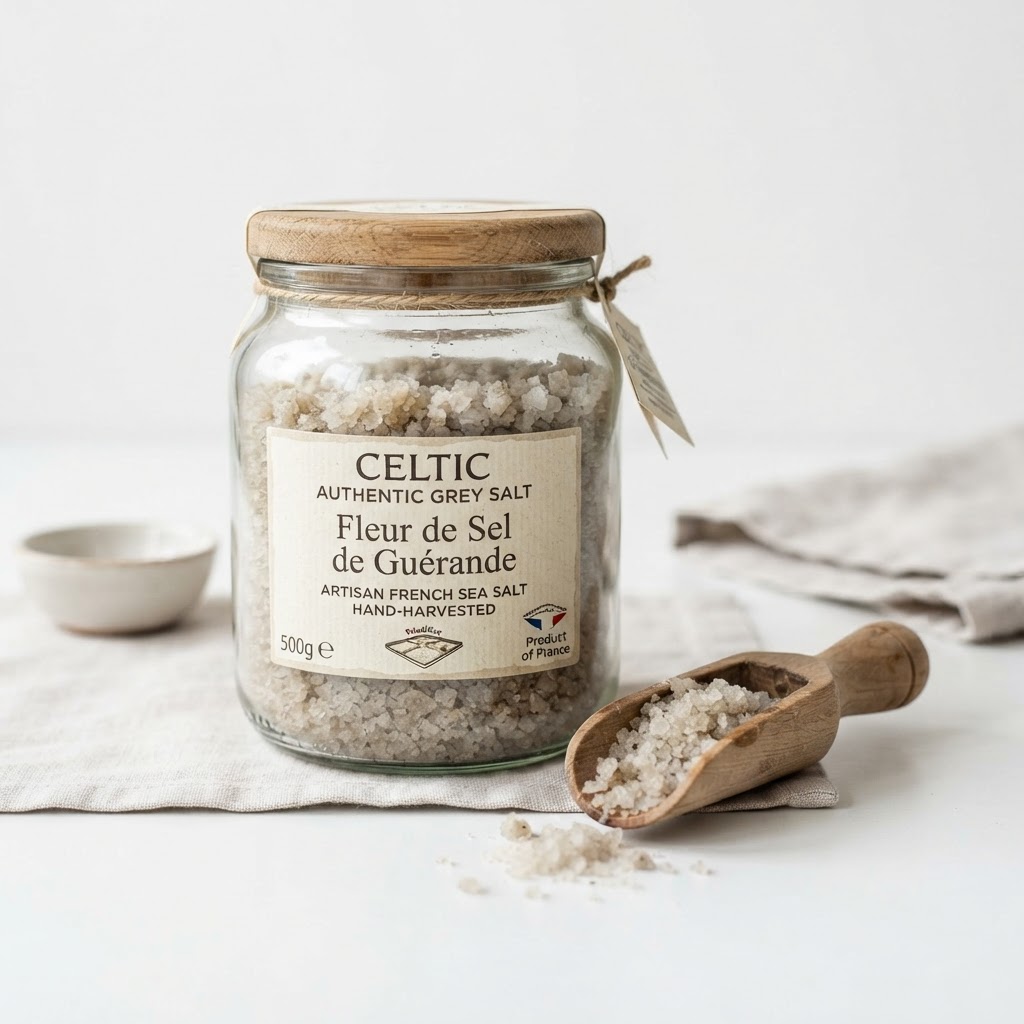
Introducing the Salty debate: French sea salt vs table salt and why it matters
In the realm of culinary ingredients, salt holds an intrinsic place, enriching flavors and preserving foods across civilizations. But not all salts are created equal. In recent years, a growing interest in natural, mineral-rich salts has highlighted the differences between traditional table salt and select varieties like Celtic salt. Understanding these differences is essential for consumers seeking to make healthier, more flavorful choices. Especially with authentic Guerande IGP-certified Celtic salt, the conversation around sea salt quality and benefits has gained prominence. This comprehensive comparison aims to demystify the differences, benefits, and appropriate uses of French sea salt versus conventional table salt. Emphasizing the importance of mineral content, processing methods, environmental impact, and culinary versatility, this article provides insights tailored for food enthusiasts, health-conscious individuals, and chefs alike. Our goal is to empower consumers to select the right salt for their needs while appreciating the rich history and natural qualities of Celtic salt. As of 2026, there's never been a better time to reconsider your salt options and embrace the wholesome goodness of Celtic salt.
Understanding the Basics: What Is French Sea Salt and Table Salt?
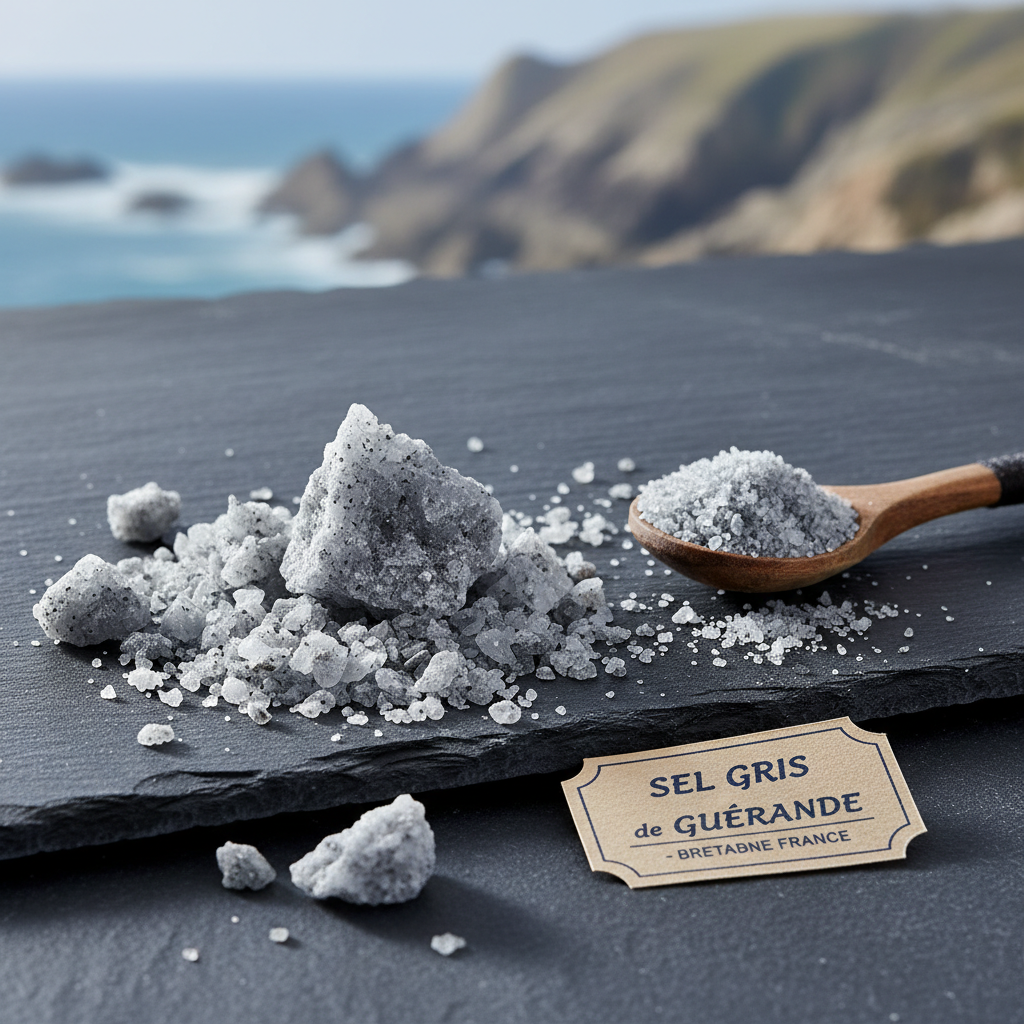
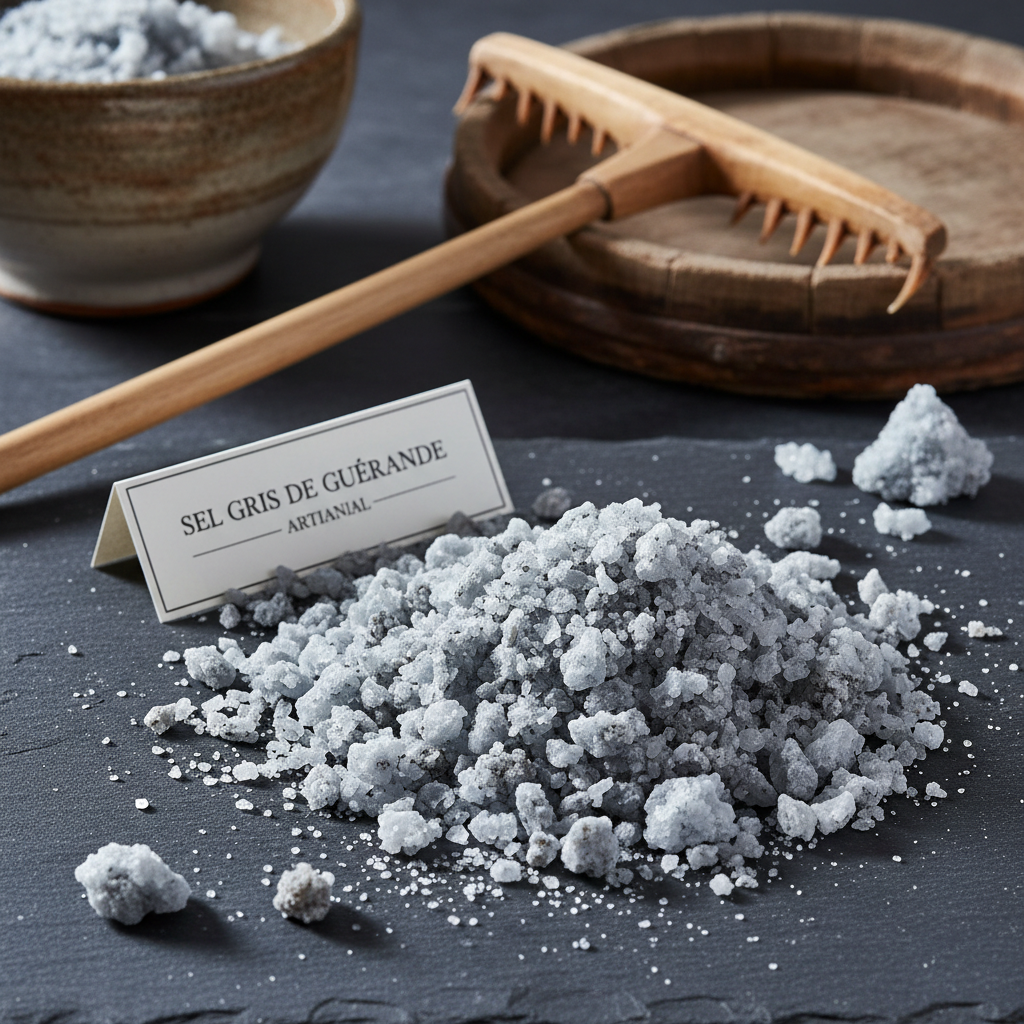
At first glance, salt may seem straightforwardâjust white crystals that season your food. However, the origins, processing, and mineral content vary significantly between types. French sea salt, specifically the renowned Celtic salt from GueÌrande, is harvested manually from the Atlantic Ocean during traditional tide cycles. It undergoes minimal processing, retaining essential minerals that contribute to its unique flavor and health qualities. In contrast, table salt is typically mined from underground salt deposits or produced through evaporating solutions from brine sources. It is extensively processed to eliminate impurities, resulting in a highly refined, uniform crystal structure. Often, additives such as anti-caking agents and iodine are included to improve shelf life and nutritional profile. While convenient and inexpensive, table salt's refined nature strips away many of the natural minerals found in Celtic salt. Understanding these fundamental differences sets the stage for appreciating why Celtic salt â particularly Celtic Authentic Grey Salt â stands out in terms of quality, flavor, and nutritional value.
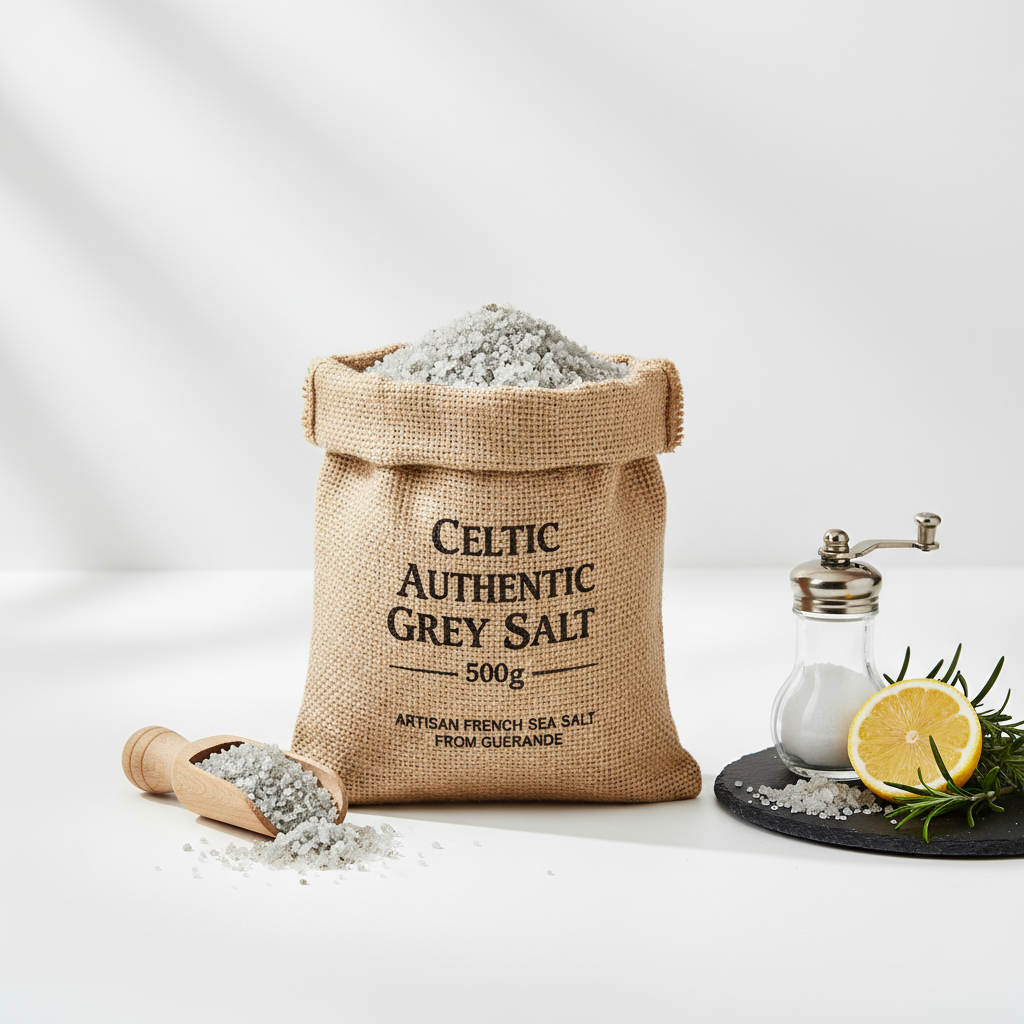
✨ Try it yourself: Celtic Authentic Grey Salt – 500g — $79.99 with free shipping.
Key Differences Between French Sea Salt and Table Salt
| Feature | French Sea Salt (Celtic Salt) | Table Salt |
|---|---|---|
| Source | Harvested from Atlantic Ocean, specifically from Guerande | Mineral deposits or evaporated brine from underground sources |
| Processing | Minimal; harvested by hand, naturally dried, retains minerals | Heavily refined to remove impurities and minerals |
| Mineral Content | Contains a broad spectrum of trace minerals like magnesium, calcium, potassium, and iron | Primarily sodium chloride; minerals added artificially (e.g., iodine) |
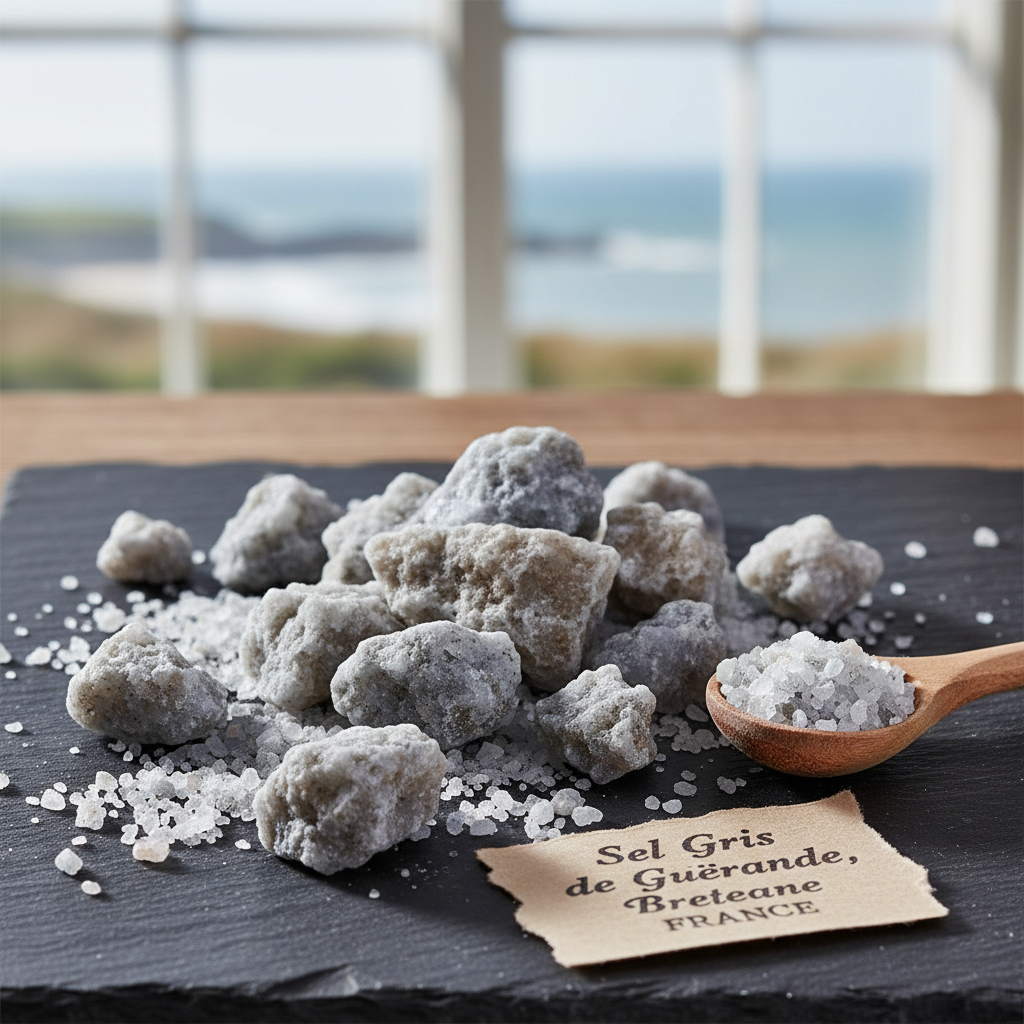
| Texture and Appearance | Moist, coarse, greyish hue with a flaky texture | Fine, uniform, pure white crystals |
| Flavor Profile | Rich, complex umami with a subtle mineral tang | Pure, clean saltiness with no natural flavor complexities |
| Health Implications | Offers mineral diversity; less processed; less likelihood of additives | May contain anti-caking agents and additives like iodine |
| Environmental Impact | Sustainable harvesting methods; low environmental footprint | Mining process often more invasive; environmental concerns vary |
| Culinary Uses | Perfect for finishing dishes, saltscapes, and health-conscious cooking | Everyday seasoning, baking, and preservation |
For a deeper dive into mineral content differences, consider visiting our Sea Salt Mineral Content Comparison page.
The Advantages of Celtic Salt: Why It Stands Out
The popularity of Celtic Authentic Grey Salt has soared among chefs, health enthusiasts, and natural remedy advocates. Its advantages stem from its unique harvesting process and high mineral content, which can enhance both flavor and nutritional intake. Firstly, Celtic salt's mineral richness makes it a more holistic choice. Unlike refined table salt, Celtic salt retains up to 80+ natural minerals, many of which are essential for bodily functions. These include magnesium, potassium, calcium, and trace elements that contribute to electrolyte balance and overall well-being. Secondly, the unrefined nature of Celtic salt preserves its natural moisture content, which lends a distinctive flaky texture and complex flavor profile. This makes it an excellent finishing salt, where a subtle mineral burst can elevate a dishâs flavor. Itâs highly valued in gourmet cooking for its ability to add depth and nuance. Thirdly, Celtic salt's harvesting process is eco-friendly and sustainable. Traditional manual techniques minimize environmental disturbance, aligning with the values of eco-conscious consumers. As you explore the deeper benefits of unrefined sea salt health benefits, you will notice why Celtic salt is favored for its natural integrity. Moreover, Celtic salt can be a beneficial addition to a balanced diet, providing flavor without resorting to excessive amounts of sodium, especially when used as a finishing touch. Its mineral content may contribute to healthier electrolyte levels and hydration, making it a worthy supplement to regular cooking routines.
⭐ IGP Certified — Guérande, France
Celtic Authentic Grey Salt – 500g
Hand-harvested · 80+ trace minerals · No additives
$79.99 $114.99
Free shipping — no minimum order
🛒 Get Your Bag — Free ShippingShips from France · Worldwide delivery · 30-day return guarantee
When and How to Use Each Salt Effectively
Choosing the right salt for specific culinary applications depends on understanding their properties and your personal preferences. Hereâs guidance on when to favor Celtic salt over table salt and vice versa. **Using Celtic Salt:** - As a finishing salt for salads, grilled vegetables, and meats, imparting a mild mineral flavor. - In gourmet dishes where flavor complexity matters. - For health-conscious cooking, especially when mineral intake is desirable. - In saltscapes or decorative presentations, leveraging its flaky texture. **Using Table Salt:** - In baking, where precise salinity and fine texture are essential. - For everyday seasoning and preserving foods. - When convenience and long shelf life are priorities. - For applications requiring uniform dissolution, such as brines and pickling. The key is moderation and mindful usageâCeltic salt enhances flavors subtly, whereas table salt provides a consistent and neutral saltiness. Balancing both types in your kitchen allows you to leverage their unique benefits while maintaining flavor and health integrity.
Value Analysis: Cost, Quality, and Practicality
While Celtic Authentic Grey Salt is priced at approximately $79.99 for 500g, this premium reflects its high mineral content, sustainable harvesting, and minimal processing. When evaluating the value, itâs crucial to consider the quality and health benefits rather than merely the price. Compared to common table salt, which can be purchased at a fraction of the cost, Celtic salt offers a richer flavor profile and trace mineral profile that can transform your culinary experience. Its versatility as a finishing salt enhances the perception of quality and sophistication in your dishes. From a practical perspective, a little Celtic salt goes a long way. Its potent flavor and mineral richness mean you'll need less to achieve the desired taste. Furthermore, the health benefits associated with unrefined sea salts have increasingly been recognized, making it a worthwhile investment for those prioritizing natural and wholesome ingredients. In terms of environmental and ethical considerations, Celtic salt's sustainable harvesting practices contribute to its value proposition. Consumers seeking to make eco-conscious choices will find Celtic salt aligns with their principles. For a detailed comparison of benefits, explore our Unrefined Sea Salt Health Benefits article.
Expert Recommendations and Final Thoughts
As of 2026, culinary and health experts increasingly recommend incorporating Celtic Authentic Grey Salt into daily routines. Its natural mineral profile offers a more comprehensive nutritional spectrum compared to refined alternatives. Chefs love its flaky texture and flavor versatility, especially for finishing dishes, where subtle mineral nuances can elevate the palate. Nutritionists and health advocates often point to the benefits of unrefined salts, emphasizing their role in supporting electrolyte balance and hydration. However, moderation remains key to avoiding excessive sodium intake regardless of salt type. In conclusion, the choice between French sea saltâparticularly Celtic saltâand traditional table salt hinges on your culinary goals, health values, and environmental considerations. For those seeking a natural, mineral-rich, eco-friendly salt, Celtic salt emerges as an unparalleled choice. It embodies tradition, quality, and healthfulness, making it a worthy addition to any discerning kitchen. To deepen your understanding of Guerande salt and its authenticity, visit our Guerande IGP Certification Meaning.
FAQs About French Sea Salt and Table Salt
Q1: Is Celtic salt healthier than regular table salt?
Celtic salt contains a broader spectrum of natural minerals and is less processed, which many consider to be healthier compared to refined table salt. However, moderation is essential regardless of the salt type.
Q2: Can I replace table salt with Celtic salt in cooking?
Yes, Celtic salt can be used as a substitute, especially in finishing dishes or for mineral benefits. Adjust quantities as Celtic salt's flavor is more complex and potent.
Q3: Does Celtic salt contain iodine like table salt?
Natural Celtic salt does not typically contain added iodine; therefore, iodine deficiency should be addressed through other dietary sources or supplements if needed.
Q4: How should I store Celtic salt to preserve its quality?
Store Celtic salt in an airtight, moisture-proof container away from humidity and heat to maintain its flaky texture and mineral integrity.
Q5: Is Celtic salt more environmentally friendly than mined table salt?
Yes, Celtic salt's traditional harvesting methods have a lower environmental impact compared to the industrial mining or evaporation techniques used for table salt.
Ready to taste the difference?
Celtic Authentic Grey Salt – 500g — Hand-harvested · 80+ trace minerals · No additives
🛒 Get Your Bag — Free ShippingFree shipping · 30-day returns · Ships from France