Hand-harvested Guérande salt · Tracked international delivery included
GuideJune 27, 2026· by Celtic Salt Editorial Team
Sea Salt Mineral Content Comparison Guide
Food information, not medical advice. Salt remains a significant source of sodium. Trace-mineral levels can vary by harvest and product, and culinary salt should not be used as a treatment or medical electrolyte supplement.
Sea Salt Mineral Content Comparison: Celtic Salt
Sea Salt Mineral Content Comparison: Celtic Salt
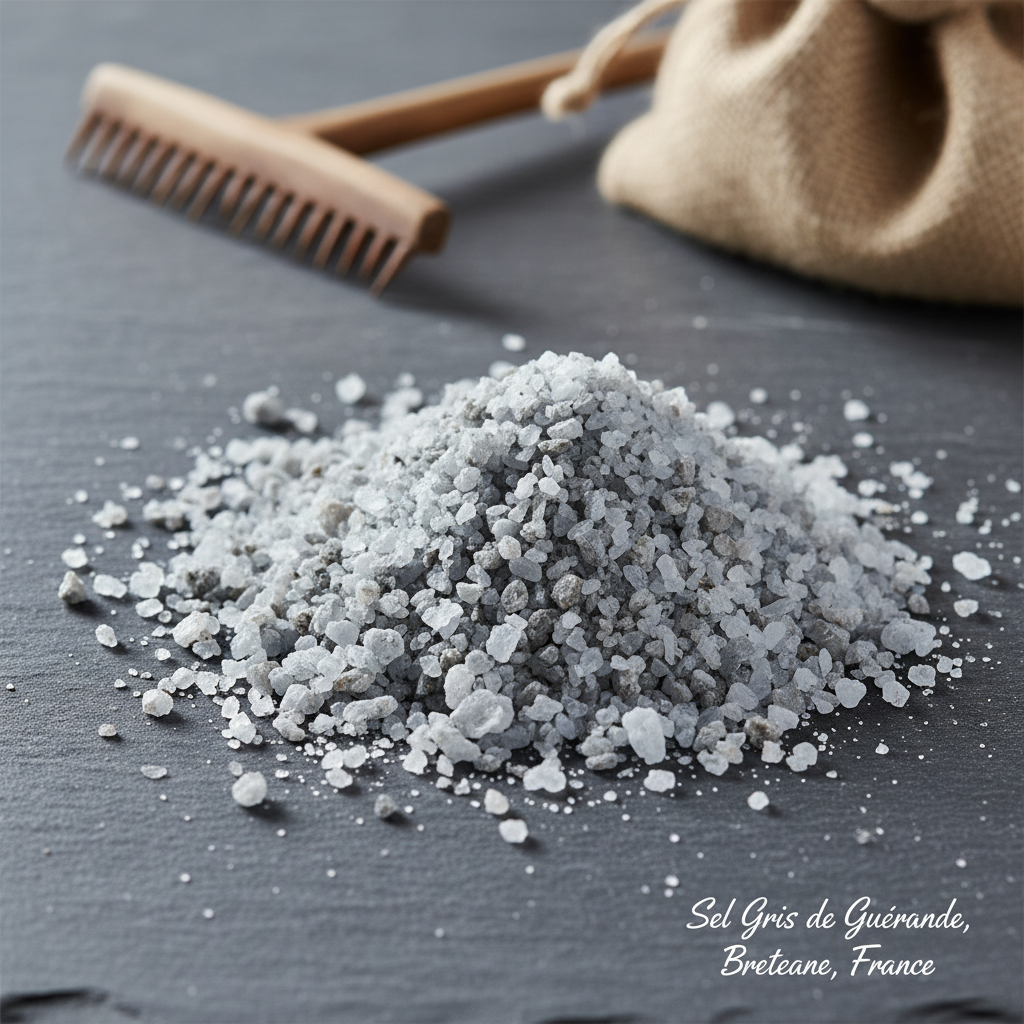
Celtic salt, often acclaimed for its unique flavor and health benefits, is harvested from the pristine coastal regions of France. Unlike regular table salt, Celtic salt is known for retaining natural minerals essential for human health. This article delves into the mineral content of Celtic salt, comparing it to other types of sea salts, while discussing how its mineral profile contributes to its nutritional advantages.
Understanding Sea Salt
Sea salt is produced through the evaporation of seawater and is known for containing various essential minerals. The process often preserves a wide array of trace elements, which can vary significantly depending on the geographical source. Celtic salt, in particular, stands out in this regard.
Mineral Content of Celtic Salt
Celtic salt is rich in a variety of minerals, each contributing to its recognized health benefits:
Mineral
Content in Celtic Salt (%)
Benefits
Sodium
37%
Essential for fluid balance and nerve function
Calcium
0.5%
Supports bone health and muscle function
Magnesium
0.1%
Involved in over 300 biochemical reactions in the body
Potassium
0.1%
Regulates fluid balance and muscle contractions
Iron
0.1%
Essential for the formation of hemoglobin
Zinc
0.02%
Supports immune function and wound healing
Comparison with Other Sea Salts
When comparing Celtic salt to other types of sea salts, it's important to look at not just sodium but also the mineral diversity that each type offers.
Himalayan Pink Salt
Himalayan pink salt is another popular sea salt known for its rich mineral content, which gives it its characteristic pink color. Here’s a brief comparison:
Mineral
Celtic Salt
Himalayan Pink Salt
Sodium
37%
38%
Calcium
0.5%
1.2%
Magnesium
0.1%
0.2%
Iron
0.1%
0.04%
Potassium
0.1%
0.11%
Zinc
0.02%
0.003%
While both salts offer similar sodium content, Himalayan salt has higher levels of calcium, making it beneficial for bone health. However, Celtic salt provides a more balanced range of trace minerals that can support overall well-being.
Hawaiian Sea Salt
Known for its vibrant color, Hawaiian sea salt is often infused with volcanic clay, adding unique minerals. Let’s compare:
Mineral
Celtic Salt
Hawaiian Sea Salt
Sodium
37%
39%
Calcium
0.5%
0.4%
Magnesium
0.1%
0.1%
Iron
0.1%
0.03%
Potassium
0.1%
0.02%
Zinc
0.02%
0.002%
Hawaiian sea salt may have higher sodium levels, but Celtic salt offers a richer array of naturally-occurring minerals beneficial for a balanced diet.
Health Benefits of Celtic Salt
The mineral content in Celtic salt offers several health benefits that make it more than just a flavor enhancer:
Supports Hydration: Celtic salt contains electrolytes that can help maintain hydration levels.
Improves Digestion: The minerals in Celtic salt can stimulate digestive enzymes and support proper digestion.
Balances PH Levels: This salt can help restore proper acid-base balance in the body.
Enhances Nutrient Absorption: The trace minerals assist in the absorption of essential nutrients, optimizing overall health.
Choosing the Right Sea Salt
With the plethora of sea salts available on the market, how do you choose the right one for your diet? Here are some tips:
Consider Mineral Content: Look for salts that offer a diverse range of minerals. Celtic salt is rich in trace minerals, providing added health benefits.
Check Purity: Opt for salts that are minimally processed and free from additives.
Source Matters: The geographic origin can affect mineral content. Choose salts from reputable sources known for their pristine water.
FAQs about Celtic Salt
1. Is Celtic salt better than regular table salt?
Yes, Celtic salt typically contains more minerals and is less processed than regular table salt, making it a healthier option.
2. Can Celtic salt help with dehydration?
Yes, the electrolyte content in Celtic salt can help replenish fluids and maintain hydration levels in the body.
3. How should I use Celtic salt in cooking?
Celtic salt can be used in the same ways as regular salt—sprinkled on vegetables, meats, or incorporated into recipes. Its unique flavor can enhance various dishes.
4. Is Celtic salt safe for everyone?
While Celtic salt is generally safe, individuals on sodium-restricted diets should consult a healthcare provider. It’s essential to use it in moderation.
5. How is Celtic salt harvested?
Celtic salt is traditionally harvested by hand from the coastal regions of France, using methods that preserve its natural minerals.
6. What’s the difference between Celtic salt and other sea salts?
Celtic salt is known for its gray color and mineral richness, whereas other sea salts can vary in color and mineral content, often depending on their source.
7. Can I use Celtic salt in baking?
Yes, Celtic salt can be used in baking, but remember that its texture is coarser than regular table salt; you might need to adjust the quantity accordingly.
8. How can I tell if my Celtic salt is authentic?
Look for brands that provide transparency about their sourcing and processing methods. Genuine Celtic salt should retain its gray color and natural moisture.
Conclusion
Celtic salt offers a unique mineral profile that sets it apart from other sea salts. Its array of trace minerals not only enhances flavor but also contributes to health benefits that can significantly improve overall well-being. Whether you're cooking, baking, or using it as a finishing salt, incorporating Celtic salt into your diet is a delicious step toward a healthier lifestyle.