Hand-harvested Guérande salt · Tracked international delivery included
Guide· by Celtic Salt Editorial Team
Where Do You Get Celtic Salt
Introduction — Why where do you get celtic salt Matters
In a world that is increasingly conscious of the quality of the food we consume and the sources of the ingredients we use, the question "where do you get Celtic salt?" has become more significant than ever. Celtic sea salt, renowned for its unique flavor profile and mineral-rich content, originates from traditional salt farming techniques in the coastal regions of Brittany, specifically in the Guérande area. The growing preference for natural, unrefined ingredients among health-conscious consumers places Celtic salt in a league of its own.
This article aims to explore the origins, benefits, uses, and key considerations when purchasing Celtic salt. Current trends in health and wellness emphasize the importance of mindful eating and ingredient sourcing. By understanding where Celtic salt comes from and its preparation process, consumers can make informed decisions that align with their values concerning health, sustainability, and culinary excellence.
Furthermore, as more people embrace a holistic approach to nutrition, the demand for sea salts like Celtic salt continues to rise. Sourced through artisanal methods that have been passed down through generations, Celtic salt not only delivers flavor but also contributes valuable minerals to the diet. When individuals know the origins of what they eat, it fosters a deeper connection to food and a greater appreciation for the craftsmanship involved in its production.
Ultimately, knowing where to find authentic Celtic salt enhances not only culinary experiences but also supports traditional practices and local economies in Brittany. This exploration leads to a better understanding of why authenticity and quality are paramount for consumers seeking the best in their diets.
What Is where do you get celtic salt?
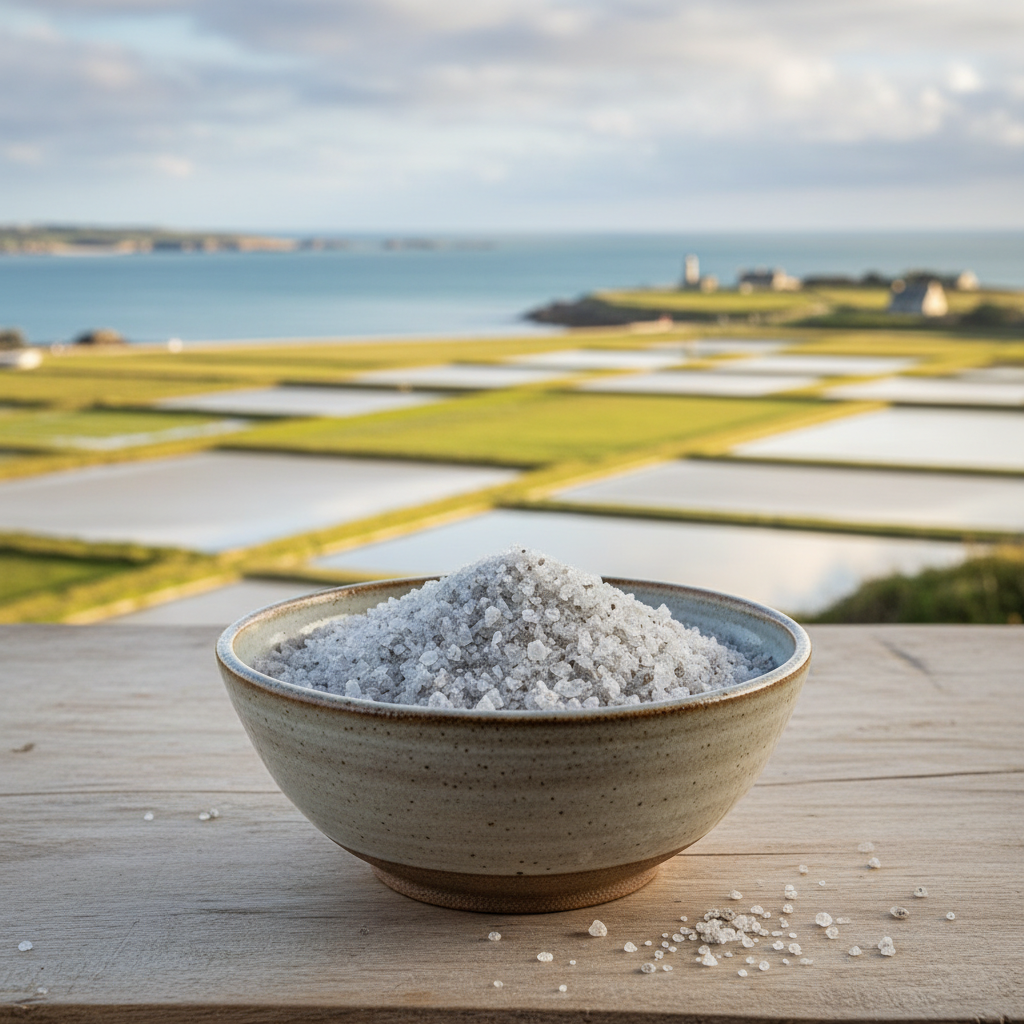
Celtic salt, often referred to as grey salt, is harvested from the coastal regions of Brittany, France, particularly from the salt marshes of Guérande. This traditional form of salt is obtained through a meticulous harvesting process that dates back centuries. The salt crystallizes naturally from seawater and is then collected by paludiers, craftsmen who employ time-honored techniques to bring the salt to the surface without industrial interference.
The unique color of Celtic salt comes from the specific minerals present in the local clay, which gives it its signature grey hue. Unlike regular table salt, which is often refined and stripped of trace minerals, Celtic salt is considered unrefined salt. This means it retains a variety of important minerals such as magnesium, potassium, and calcium, making it not only flavorful but also nutritionally beneficial in contributing to a well-rounded diet.
From a technical perspective, Celtic salt is known for its high moisture content compared to standard salt. This moisture helps to preserve the flavor intensity and retain the mineral richness that many health-conscious consumers seek. Each batch of Celtic salt is a reflection of its environment, showcasing the unique characteristics of the sea and land that it comes from. By understanding its origin and harvesting process, consumers can appreciate the value and quality of Celtic salt in their daily lives.
Key Benefits and Uses
Celtic salt offers an array of benefits and uses for those who prioritize quality in their diets and lifestyle. One of the primary advantages of Celtic sea salt is its rich mineral content. It is said to contain essential elements that may support overall well-being by helping to maintain the body's electrolyte balance. Additionally, these minerals contribute to the distinctive flavor profile that enhances the taste of various dishes, making it a favorite among chefs and home cooks alike.
This salt has traditionally been used to elevate flavors in cooking, allowing for a depth of taste that is often lost in more refined salts. Its moist, coarse grain provides a satisfying crunch when used as a finishing salt, adding a delightful textural element to meals. Culinary fans appreciate how Celtic salt can be incorporated into both savory and sweet dishes. It pairs beautifully with roasted vegetables, grilled meats, and even certain desserts, enhancing the overall flavor while being less processed than conventional table salt.
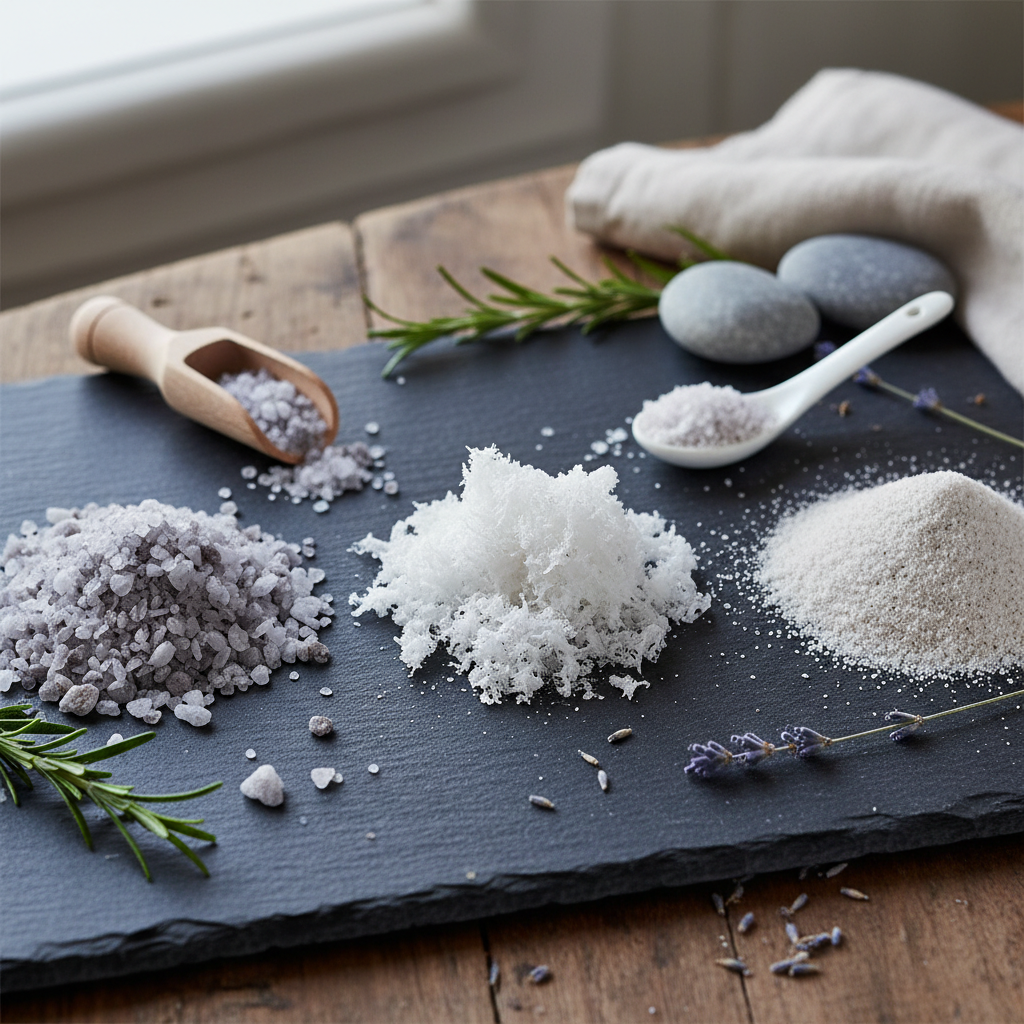
Moreover, the health-conscious community has recognized Celtic salt as a more natural alternative to refined versions, making it a desirable choice for those who are mindful about their food sourcing. People who aim to avoid additives and chemicals will find solace in the purity of Celtic salt, which aligns perfectly with their dietary principles. Beyond the kitchen, Celtic salt is also used in various wellness and beauty routines, from bath soaks to scrubs that may assist in rejuvenating skin and providing a relaxing experience. These diverse applications make Celtic salt a versatile addition to any health-conscious consumer's pantry.
🧂 AUTHENTIC IGP GUÉRANDE SALT
500g / 17.6 oz · Hand-harvested · Brittany, France
How to Use where do you get celtic salt in Your Daily Cooking — Practical Guide
Incorporating Celtic salt into your daily cooking can enhance not only the taste of your dishes but also their appeal. Here are some practical ways to use Celtic salt that can elevate your culinary creations.
1. **Seasoning Vegetables:** Begin by lightly tossing your favorite vegetables, such as zucchini, bell peppers, and carrots, with olive oil and Celtic salt before roasting them. The salt draws out the natural flavors and moisture, creating a deliciously caramelized outer layer. Aim for a sprinkle of salt before cooking, and consider finishing with a touch more after roasting to maintain texture and flavor.
2. **Brining Meats:** When preparing chicken or pork, consider using a brine solution made with water and Celtic salt. Mix approximately 1/4 cup of salt into a quart of cold water, and immerse the meat for several hours prior to cooking. This process can help enhance the moistness and flavor profile of the meat.
3. **Baking Bread:** In baking, Celtic salt can enhance the flavor of homemade breads. Use it in your dough by balancing the flour and water ratios appropriately. The salt not only enhances flavor but also impacts the fermentation process, leading to better texture and taste.
4. **Cooking Pastas and Grains:** When boiling water for pasta or grains like quinoa or rice, add a generous amount of Celtic salt. This infuses flavors directly into the grains, rather than just seasoning them afterward. This simple step can elevate the overall quality and taste of your dish significantly.
5. **Finishing Touches:** For a gourmet finish, use Celtic salt as a finishing touch on dishes. A light sprinkle on grilled meats, fresh salads, or even desserts like chocolate chip cookies can enhance their flavors without overwhelming the palate.
By utilizing Celtic salt in these various applications, you’re sure to enhance your cooking while enjoying the natural benefits this artisanal salt offers. Let your culinary creativity flow, and don't hesitate to experiment with different textures and flavors to find what complements your cooking style best.
How to Use where do you get celtic salt
Beyond the kitchen, Celtic salt has a wide range of applications that extend into daily wellness routines and lifestyle practices. Understanding how to effectively use Celtic salt outside of cooking can further enhance your health and well-being.
1. **Bath Soaks:** Celtic salt can enhance your bathing experience and is often used in relaxing bath soaks. Dissolving Celtic salt in warm bath water may help soothe sore muscles and provide a sense of relaxation. The mineral content can also benefit the skin, making it feel rejuvenated and refreshed.
2. **Exfoliating Scrubs:** Create a DIY body scrub by mixing Celtic salt with a carrier oil such as coconut oil or olive oil. The coarse texture of the salt can exfoliate dead skin cells, while the oil hydrates and nourishes the skin. This can be an excellent way to promote soft, healthy skin naturally.
3. **Foot Soaks:** Consider giving your feet a treat after a long day by soaking them in a warm water solution containing Celtic salt. This may help relieve fatigue and offer a refreshing sensation, particularly when combined with essential oils or herbal infusions.
4. **Salt Inhalation Therapy:** Some individuals find that inhaling salt-infused air can support respiratory comfort. Although this is not a substitute for medical advice, using a salt inhaler or visiting a salt therapy room can be a unique experience that employs the benefits of mineral-rich salt.
5. **Preserving Foods:** Celtic salt can also be an excellent choice for food preservation. Use it to cure meats, vegetables, and fish, allowing you to incorporate healthy, homemade options into your meal prep while leveraging the natural antibacterial properties of salt.
By incorporating Celtic salt into your wellness and lifestyle practices, you can enjoy a well-rounded approach to health that extends beyond just nutrition. This versatile salt provides various benefits, helping to create a balanced and holistic lifestyle.
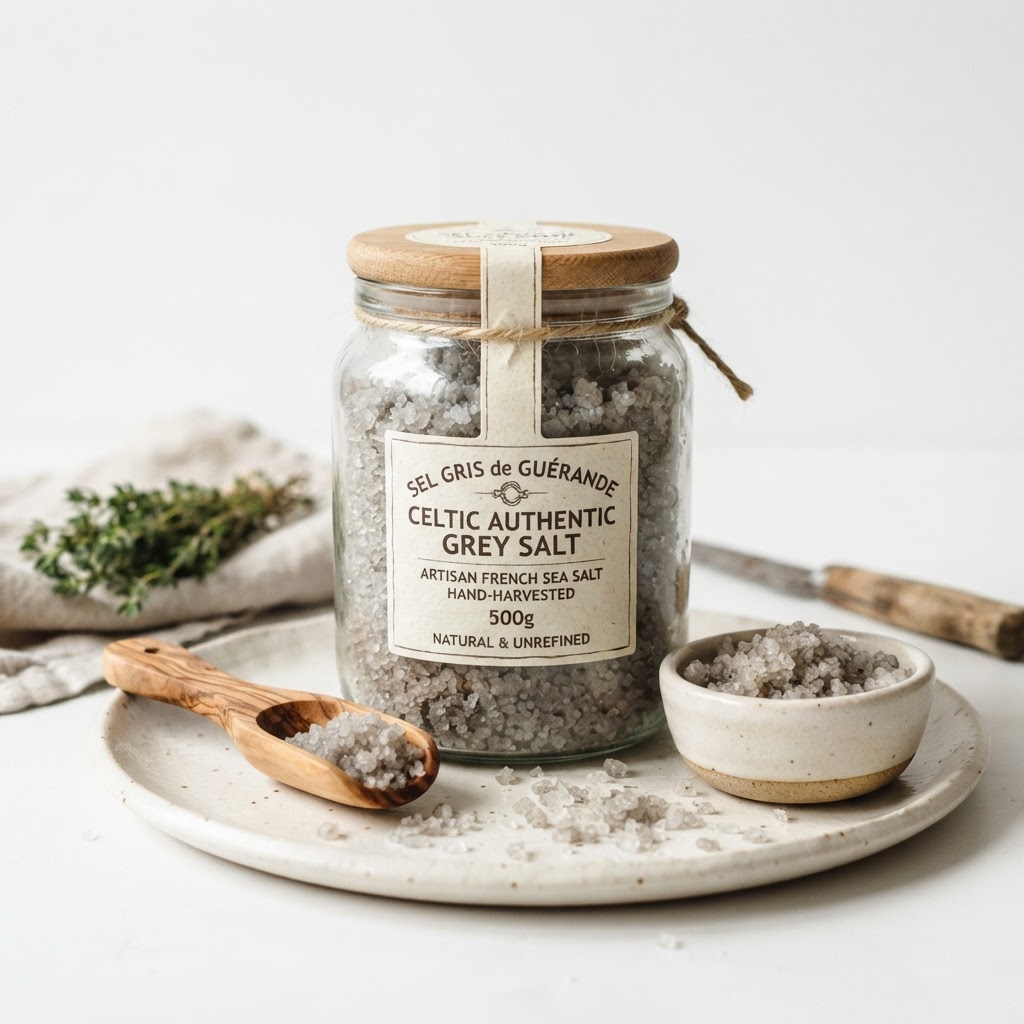
🧂 AUTHENTIC GUÉRANDE CELTIC SALT
Celtic Authentic Grey Salt – 500g / 17.6 oz
Hand-harvested · Unrefined · trace minerals whose levels vary by harvest and product · IGP certified
When it comes to purchasing Celtic salt, there are certain indicators and quality markers to keep in mind. Understanding these factors will ensure that you are getting an authentic product that meets your standards for flavor and health.
1. **Origin:** Authentic Celtic salt should specify its origin as Guérande, Brittany. This is crucial for ensuring that the product follows traditional harvesting methods and maintains its unique mineral content. Look for labels that highlight this specific geographic area, as it signifies quality and adherence to local practices.
2. **Unrefined Feature:** Check to ensure that the salt is labeled as unrefined. Refined salts are often stripped of essential minerals during processing, which diminishes both flavor and potential benefits. Unrefined salt retains not only its natural minerals but also its inherent flavor profile.
3. **IGP Certification:** The IGP (Indication Géographique Protégée) certification indicates that a product is geographically protected, known for its special qualities, and produced in a specific area. It is essential to look for this certification, as it assures buyers that they are purchasing authentic Guérande salt.
4. **Texture and Moisture Content:** Celtic salt is typically known for its moist, coarse texture. Check the packaging for indications of moisture, as overly dried or excessively fine salt may signal inferior quality. Authentic Celtic salt should feel slightly gritty and not too dry.
5. **Packaging:** Reputable brands often package Celtic salt in materials that preserve its quality, such as glass or sealed biodegradable bags. Avoid products in unclear or flimsy packaging as they may compromise the product's integrity.
By keeping these factors in mind when shopping for Celtic salt, you can ensure that you are making a wise investment in a high-quality product. Authentic Celtic sea salt enhances your culinary and wellness experiences, making it a staple in a health-conscious kitchen.
Common Questions About where do you get celtic salt
Where can I purchase authentic Celtic salt?
Authentic Celtic salt can be found in specialty grocery stores, health food stores, and online retailers. Make sure to look for reputable brands that specify the product's origin and indicate that it is unrefined.
Is all grey salt the same?
No, not all grey salt is the same. While Celtic salt originates from Guérande and features specific harvesting methods, other grey salts may come from different regions and may not offer the same flavor or mineral profile.
How can I tell if my Celtic salt is genuine?
Look for indications of IGP certification, specify the origin as Guérande, and ensure it is labeled as unrefined. Authentic Celtic salt will have a moist, coarse texture and a greyish hue.
Can Celtic salt be used for cooking and beauty purposes?
Yes, Celtic salt is versatile and can be used in cooking to enhance flavors or in beauty routines as a bath soak or scrub, making it a valuable addition to both your pantry and wellness practices.
Why should I choose Celtic salt over regular table salt?
Celtic salt is unrefined and contains a variety of natural minerals that are often stripped away in regular table salt during processing. Choosing Celtic salt can add flavor and nutritional benefits to your meals while supporting traditional practices.
Conclusion
Understanding where to get Celtic salt is essential for health-conscious consumers seeking quality and authenticity in their culinary endeavors. From its rich history in the coastal regions of Brittany to its diverse applications in both cooking and wellness routines, Celtic salt is more than just a seasoning; it is an integral part of a holistic lifestyle. By prioritizing sourcing and quality, individuals can enhance their meals and embrace a more natural, healthful approach to food and health.
As you explore the various uses of Celtic salt, remember to look for products that adhere to the principles of authenticity, unrefined characteristics, and proper certification. This way, you'll ensure that each grain of salt not only elevates your culinary creations but also supports local artisans and traditional practices. Making informed choices about ingredients like Celtic salt allows you to deeply connect with your food and ultimately enrich your overall lifestyle.
Celtic Salt — IGP Guérande
Hand-harvested by Breton paludiers. 500g / 17.6 oz jar, unrefined, trace minerals whose levels vary by harvest and product.
Free shipping — standard tracked delivery included