Hand-harvested Guérande salt · Tracked international delivery included
Guide· by Celtic Salt Editorial Team
Is Himalayan Salt Celtic Salt
Introduction — Why is himalayan salt celtic salt Matters
The rise of natural, unrefined salts in culinary and health circles has prompted many enthusiasts to explore different varieties, each boasting unique characteristics and benefits. Among the most debated topics is whether Himalayan salt can be classified as Celtic salt or vice versa. This distinction is important for consumers who prioritize quality and natural sourcing in their diet. Understanding the nuances of these salts can guide consumers toward more informed choices, not just in cooking but also regarding overall wellness practices.
Salt, in all its varied forms, has played a crucial role in the history of human civilization, serving as a preservative, a flavor enhancer, and a vital mineral in our bodies. Traditionally considered a culinary staple, salt has become a focal point in discussions about health, nutrition, and lifestyle. As such, recognizing the differences and similarities between Himalayan salt and Celtic sea salt becomes essential for those who seek not only enhanced flavor in their dishes but also potential benefits in their wellness routines.
Celtic sea salt, which is harvested from the coastal regions of Brittany, France, reflects a rich tradition of salt-making that emphasizes purity and mineral content. On the other hand, Himalayan salt, sourced from ancient sea beds deep within the Himalayan mountains, carries its unique story and mineral profile. This article aims to delve into the differences, properties, and uses of both types of salt, fostering a deeper understanding of each and helping consumers discern if Himalayan salt can hold a comparable value to Celtic salt or if they are distinct entities in their own rights.
What Is Himalayan Salt Celtic Salt?
Himalayan salt and Celtic sea salt are two distinct types of salt that appeal to the health-conscious consumer. Himalayan salt, often recognized for its pink hue, comes from salt deposits formed millions of years ago in the Himalayas, primarily in Pakistan. This salt is harvested from the Khewra Salt Mine and is known for its trace mineral content, which is believed to offer unique flavor and culinary benefits. The pink color results from the presence of iron oxide and other minerals, contributing to its distinctive texture and taste.
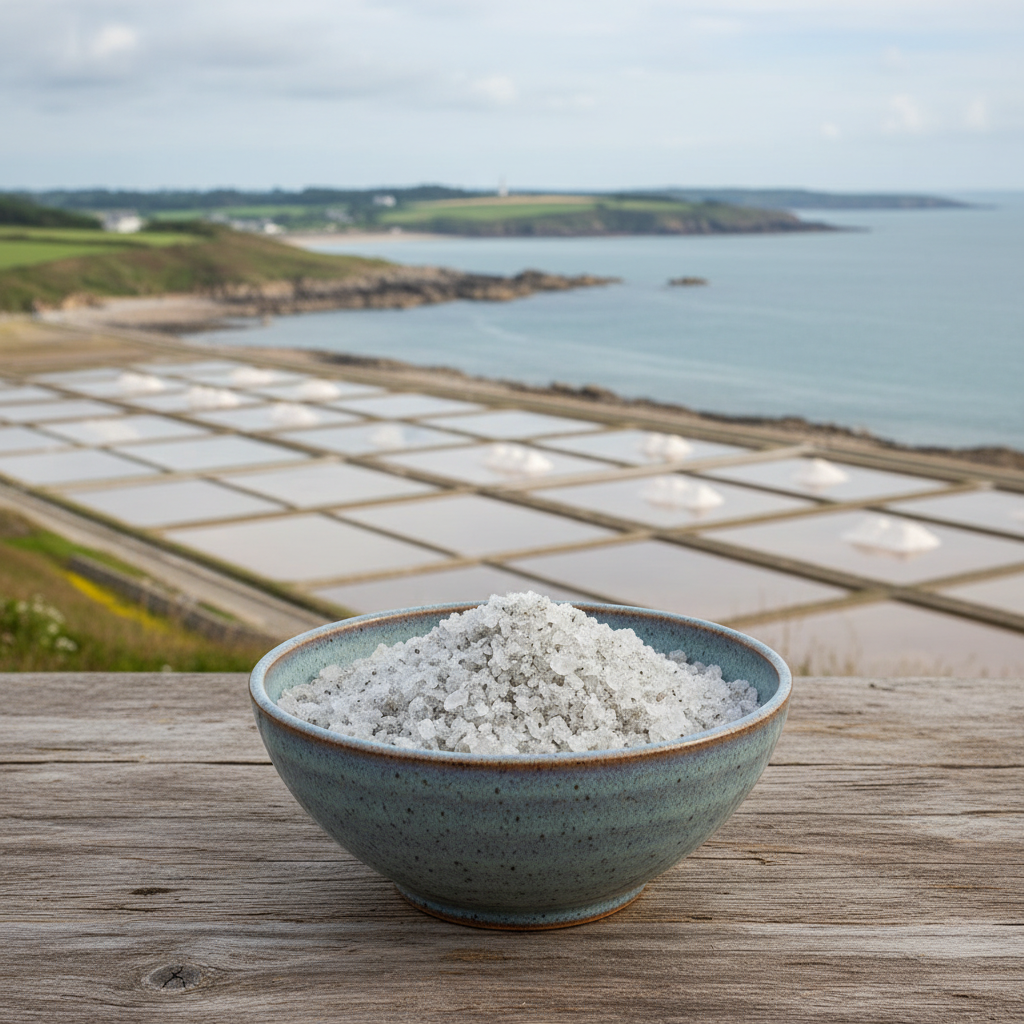
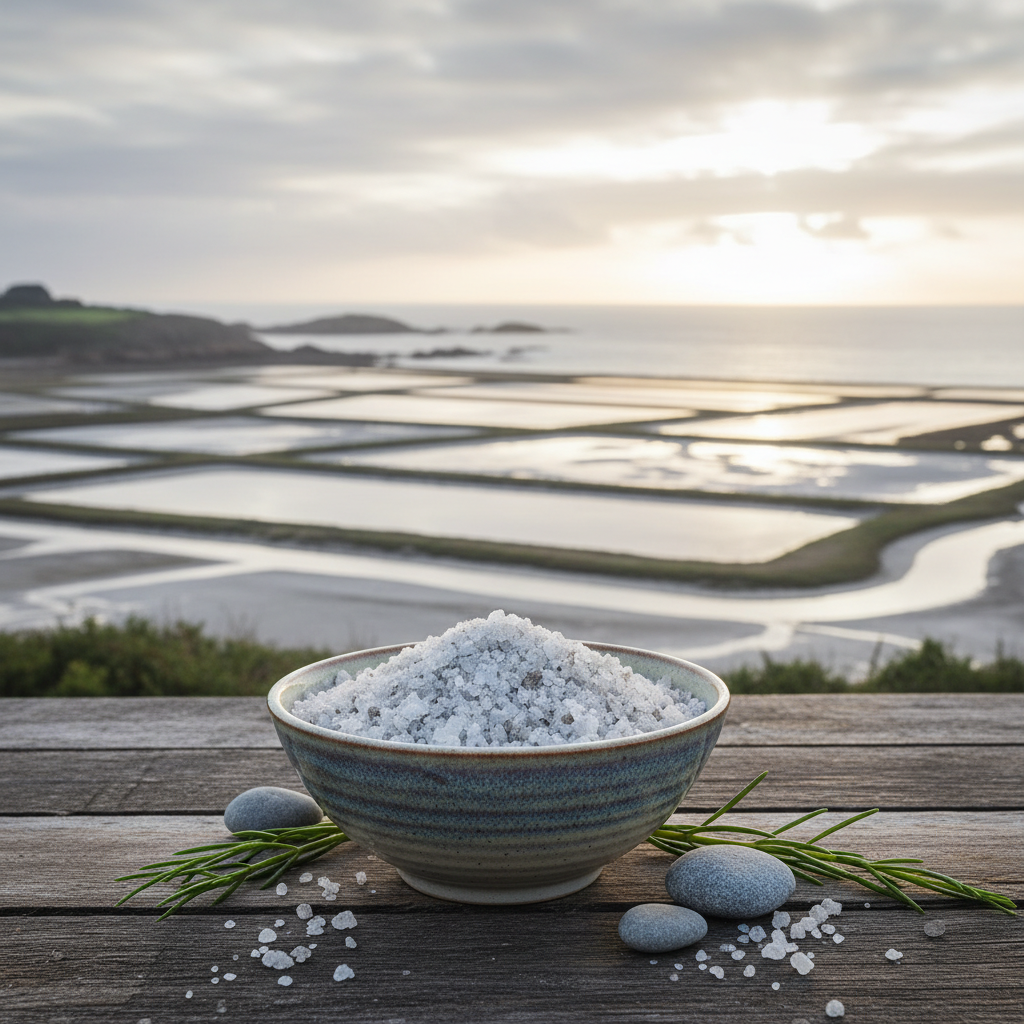
Celtic sea salt, on the other hand, is an unrefined salt harvested from the coastal salt marshes of Brittany, France. The traditional method of harvesting involves a process called "paludiers," where salt is collected by hand as seawater evaporates in shallow ponds. This method preserves the salt’s natural minerals and moisture, giving it a greyish color and unique flavor. Unlike Himalayan salt, which is primarily rock salt, Celtic see salt retains a higher level of moisture, making it less abrasive and softer in taste. Both salts contain various essential minerals, including magnesium, potassium, and calcium, although their sources and mineral compositions differ significantly.
In summary, while both Himalayan salt and Celtic sea salt have their own advantages, they derive from different geological and cultural backgrounds. Their textures, flavors, and applications vary, and it’s essential to appreciate each for its unique qualities. Understanding these distinctions helps consumers make informed choices tailored to their culinary preferences and lifestyle needs.
Key Benefits and Uses
Both Himalayan salt and Celtic salt are reputed for their natural properties and are often viewed as healthier alternatives to traditional table salt. Himalayan salt contains a spectrum of trace minerals that may support hydration and balance electrolyte levels, providing an appealing option for those seeking natural seasoning. Many users appreciate its unique flavor, which enhances dishes while providing potential nutritional advantages. It has traditionally been used as a finishing salt on meats, vegetables, and even in beverages like salt-rimmed margaritas.
Celtic sea salt, on the other hand, has been traditionally used in culinary practices for centuries and is celebrated for its unrefined nature. The natural grey color indicates the presence of clay and minerals, which contribute to its flavor profile. Users often report a more delicate, nuanced taste, making it suitable for all types of dishes, from meats and salads to baked goods and more. Furthermore, the minerals present in Celtic sea salt may help in maintaining proper bodily functions, supporting metabolic processes that play a role in overall vitality.
🧂 AUTHENTIC IGP GUÉRANDE SALT
500g / 17.6 oz · Hand-harvested · Brittany, France
Moreover, the versatility of both Himalayan and Celtic sea salts extends beyond culinary applications. People often integrate them into their wellness routines, utilizing Himalayan salt lamps for home ambiance or experiencing spa treatments featuring Celtic salt scrubs and baths. Both salts are also seen as alternatives for seasoning foods, with many opting for them due to their perceived purity and absence of additives commonly found in processed table salt. The preference for natural, unrefined salts speaks volumes about a growing commitment to health, sustainability, and authenticity in dietary choices.
How to Use Himalayan Salt Celtic Salt in Your Daily Cooking — Practical Guide
Incorporating Himalayan salt and Celtic sea salt into your daily cooking is not only straightforward but also highly rewarding. These salts can elevate the flavor profile of your meals and provide a range of culinary possibilities. Here’s a practical guide on how to effectively use these distinctive salts in your kitchen.
To start, if you are focusing on Himalayan salt, consider the size and form of the salt. Coarse Himalayan salt can be ground to a fine texture using a salt grinder, making it easier to season food. This salt is excellent for seasoning meats, as it can enhance the natural flavors during grilling or roasting. If you’re preparing vegetables, sprinkle some coarse Himalayan salt over them before roasting to bring out their sweetness.
For Celtic sea salt, its texture and moisture retention make it fantastic for finishing dishes. Simply sprinkle a pinch over your completed dish right before serving to highlight flavors. This salt works beautifully on salads, meats, and even in cooking pasta, where it can be dissolved readily into the cooking water to season the pasta effectively. Both salts can be used interchangeably, depending on your personal taste preferences.
Another way to utilize these salts is in brining—dissolve salt in water to create a brine that will infuse flavor into your meats and vegetables. On busy days, try preparing herb and salt rubs for meats; mixing dried herbs with salt produces a delicious crust when grilled. When baking, consider using them as ingredients in bread dough or sprinkling some on top for a crunchy finish. As you explore the different ways to use Himalayan salt and Celtic sea salt, you will uncover endless possibilities, enriching your culinary experiences while appreciating the unique attributes of each salt.
How to Use Himalayan Salt Celtic Salt
Beyond culinary uses, Himalayan salt and Celtic sea salt can enhance various aspects of daily life, leading to a more holistic approach to health and wellness. Many individuals integrate these salts into their skincare routines, capitalizing on their mineral content and purported benefits.
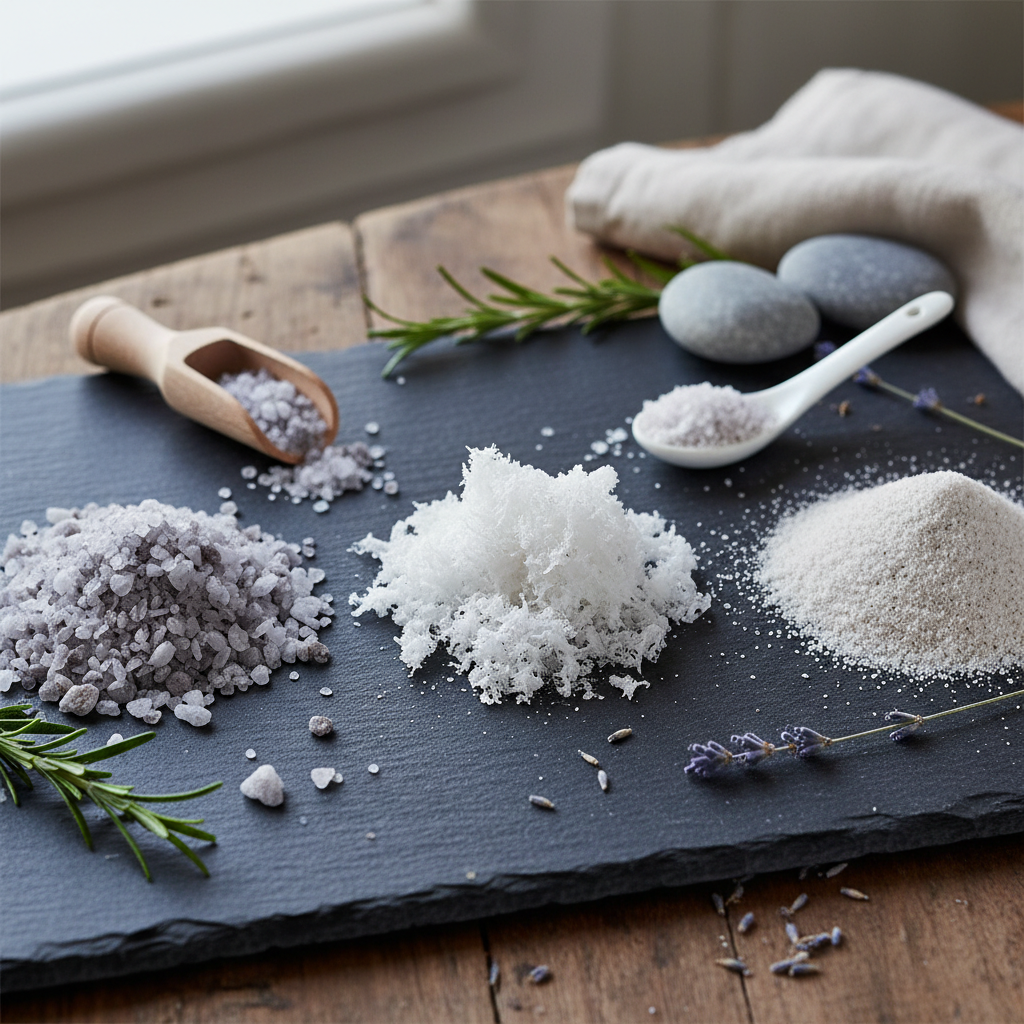
Himalayan salt, particularly in the form of bath salts, has gained popularity for its potential relaxation and detoxification benefits. Adding a few cups of Himalayan bath salts to your bath can create a soothing experience while helping to draw out impurities from the skin. Similarly, creating a gentle body scrub by mixing Celtic sea salt with natural oils can help exfoliate and rejuvenate the skin, leaving it feeling soft and smooth.
In addition to personal care, both types of salt may also be utilized in wellness practices meant to promote overall well-being. Salt inhalers, which use Himalayan salt, allow users to breathe in microscopic salt particles that may help clear airways. Moreover, Himalayan salt lamps are widely used to purify indoor air and create a calming atmosphere. Notably, the light emitted by these lamps is reputed to help reduce ambient pollutants, enhancing the serenity of your living space.
Celtic sea salt, known for its flavor-enhancing properties, is often used as part of mindful eating practices. By focusing on the quality of salt used, individuals can elevate mealtime experiences, placing emphasis on natural ingredients. Lastly, considering both salts in your overall lifestyle may inspire more conscious choices, encouraging an appreciation for quality food and self-care practices.
What to Look for When Buying
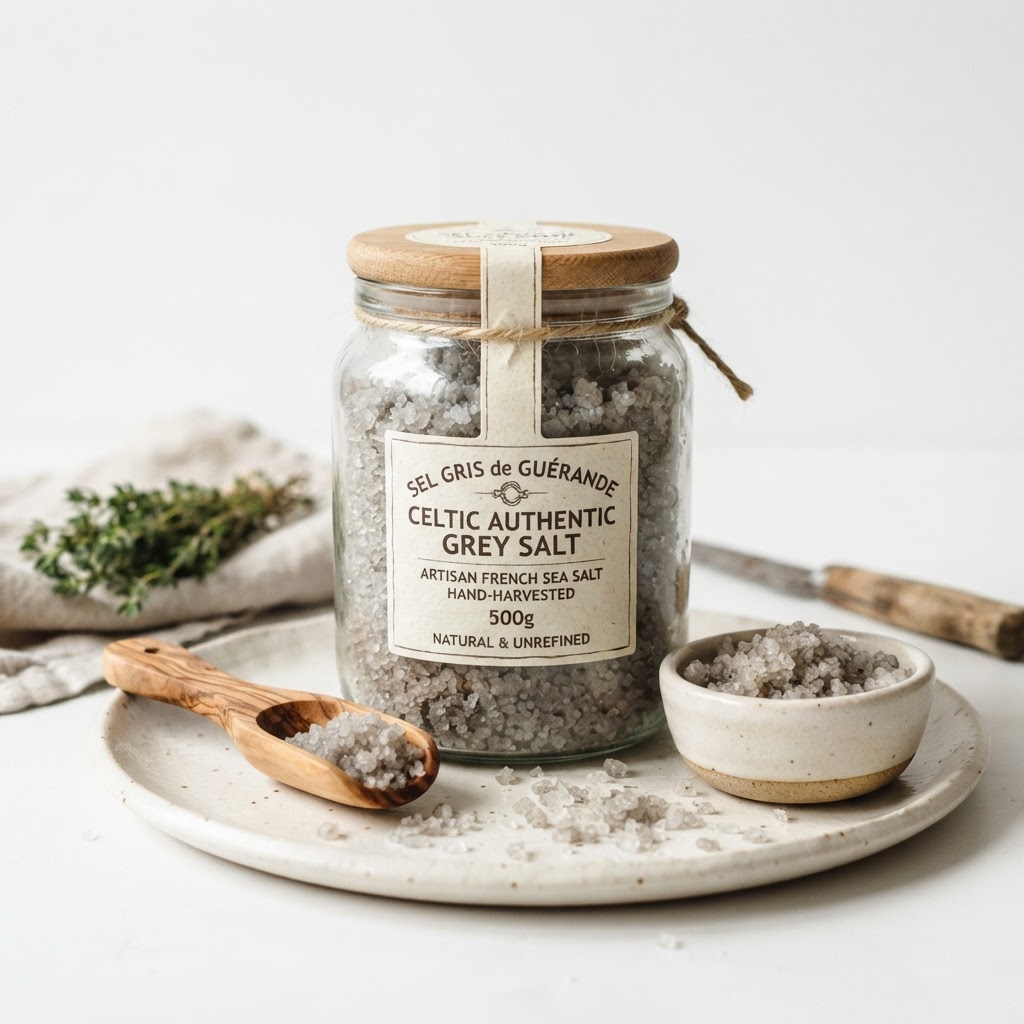
🧂 AUTHENTIC GUÉRANDE CELTIC SALT
Celtic Authentic Grey Salt – 500g / 17.6 oz
Hand-harvested · Unrefined · trace minerals whose levels vary by harvest and product · IGP certified
If opting for Celtic sea salt, consider looking for products that are certified with the IGP (Indication Géographique Protégée) label, which denotes origin and authenticity in its production from Brittany, France. This certification helps ensure that the salt meets specific quality and production standards, offering assurance about its purity. Furthermore, be cautious of any products containing additives, such as anti-caking agents or preservatives, as these detract from the natural properties of the salt.
For Himalayan salt, check for its color range, from pale pink to deeper hues. The color often correlates with the mineral content; however, the most important aspect is to seek reputable brands that disclose their sourcing practices. Sourcing from regions known for high-quality Himalayan salt, such as the Khewra Salt Mine, is a good guideline when searching for authentic Himalayan salt offerings. Ultimately, being informed and vigilant about the sourcing and qualities of the salt you choose can lead to a more satisfying culinary experience and improved lifestyle choices.
Common Questions About Himalayan Salt Celtic Salt
Is Himalayan salt a type of Celtic salt?
No, Himalayan salt and Celtic sea salt are two distinct varieties of salt, each sourced from different geographical locations and possessing unique characteristics.
What are the mineral contents of Himalayan and Celtic salts?
Both salts contain various trace minerals, although their specific makeup differs due to their origins. Himalayan salt is rich in iron oxide and other minerals, while Celtic sea salt retains moisture and minerals from the ocean.
Can Celtic salt be used as a substitute for Himalayan salt?
Yes, Celtic sea salt can be used as a substitute for Himalayan salt in many recipes, although the flavor profiles may differ slightly.
Which salt is better for cooking, Himalayan salt or Celtic sea salt?
Choosing between Himalayan and Celtic sea salt often depends on personal taste preferences and specific culinary applications. Both can enhance flavors effectively.
Are there any recommended uses for Himalayan or Celtic salts outside of cooking?
Yes, both types of salt can be used in wellness routines, such as in bath soaks or as exfoliants in skincare products, adding versatility to their applications.
Conclusion
In summary, understanding the differences and varieties of salt available can greatly enhance our culinary experiences and impact our wellness routines. While Himalayan salt and Celtic sea salt each have their unique origins, mineral contents, and usages, they both serve as exceptional alternatives to conventional table salt. By incorporating these natural, unrefined salts into your diet and lifestyle, you may not only enjoy the rich flavors they contribute to dishes but also partake in a more health-conscious way of living.
Consumers can confidently explore the myriad applications of both salts, whether it’s in the kitchen, spa, or holistic practices. Ultimately, the choice between Himalayan salt and Celtic sea salt may come down to individual preferences and specific use cases. Whatever your choice, prioritizing quality and authenticity will lead to improved taste and experiences, enhancing both your meals and your wellness journey.
Celtic Salt — IGP Guérande
Hand-harvested by Breton paludiers. 500g / 17.6 oz jar, unrefined, trace minerals whose levels vary by harvest and product.
Free shipping — standard tracked delivery included