Hand-harvested Guérande salt · Tracked international delivery included
Guide· by Celtic Salt Editorial Team
Light Gray Celtic Salt
What Is Light Gray Celtic Salt and Why It Matters in 2026
Light gray Celtic salt is one of the most distinctive and naturally harvested sea salts available anywhere in the world. Sourced from the ancient salt marshes of Guérande, located along the Atlantic coast of Brittany in northwestern France, this salt carries a gentle, silvery-grey hue that immediately sets it apart from the stark white, heavily processed table salts found in most grocery stores. The color itself is not merely aesthetic — it is a direct indicator of the mineral-rich clay sediment from which this extraordinary salt draws its unique composition. The salt pans of Guérande have been cultivated using the same traditional techniques for over a thousand years, passed down through generations of salt farmers known locally as paludiers. These artisans rake and harvest the salt by hand, carefully preserving the natural moisture and mineral profile that makes light gray Celtic salt so prized by chefs, nutritionists, and conscious consumers around the globe.
In 2026, the global appetite for natural, minimally processed foods continues to grow at a remarkable pace. Consumers are increasingly aware of what goes into their bodies, and the ingredient label on a container of conventional table salt — with its anti-caking agents, bleaching chemicals, and iodine additives — no longer inspires the confidence it once did. Light gray Celtic salt stands in direct contrast to this industrial approach. It is harvested without chemical treatment, dried without artificial heat, and contains no additives whatsoever. What you receive is pure, unrefined sea salt exactly as nature produced it, complete with over eighty naturally occurring trace minerals including magnesium, calcium, potassium, iron, and zinc. This mineral complexity is part of what gives the salt its characteristic grey tone and slightly moist texture, both of which signal authenticity and quality.
The relevance of light gray Celtic salt in 2026 extends far beyond simple food trends. As the wellness industry matures and consumers become more sophisticated in their understanding of nutrition, the distinction between ordinary sodium chloride and a genuinely mineral-rich salt becomes increasingly significant. Scientific interest in the role of trace minerals in human health has expanded considerably over the past decade. Magnesium deficiency, for example, is now recognized as a widespread concern in many Western populations, and the naturally occurring magnesium in unrefined salts like light gray Celtic salt offers a complementary dietary source that refined salts simply cannot provide. While it would be an overstatement to claim that seasoning your food with Celtic salt will resolve any specific health issue, the cumulative nutritional advantage of choosing a mineral-rich salt over a stripped-down industrial product is a compelling argument supported by basic nutritional logic.
Beyond nutrition, there is also a compelling environmental and cultural argument for choosing light gray Celtic salt. The salt marshes of Guérande represent one of Europe's most treasured natural ecosystems, classified as a UNESCO-recognized heritage site and protected wetland habitat supporting an extraordinary diversity of migratory birds, native flora, and marine life. When you purchase genuine light gray Celtic salt from Guérande, you are participating in a centuries-old tradition of sustainable land stewardship. The paludiers do not use motorized harvesting equipment or chemical inputs. Their gentle, hand-raking methods maintain the delicate ecological balance of the salt flats, ensuring that the same marshes that have provided salt for Breton communities since medieval times will continue to do so for future generations. In a world increasingly shaped by industrial agriculture and environmental degradation, this represents a meaningful choice — one that connects modern consumers to a tradition of respect for the natural world.
The Complete Guide to Light Gray Celtic Salt
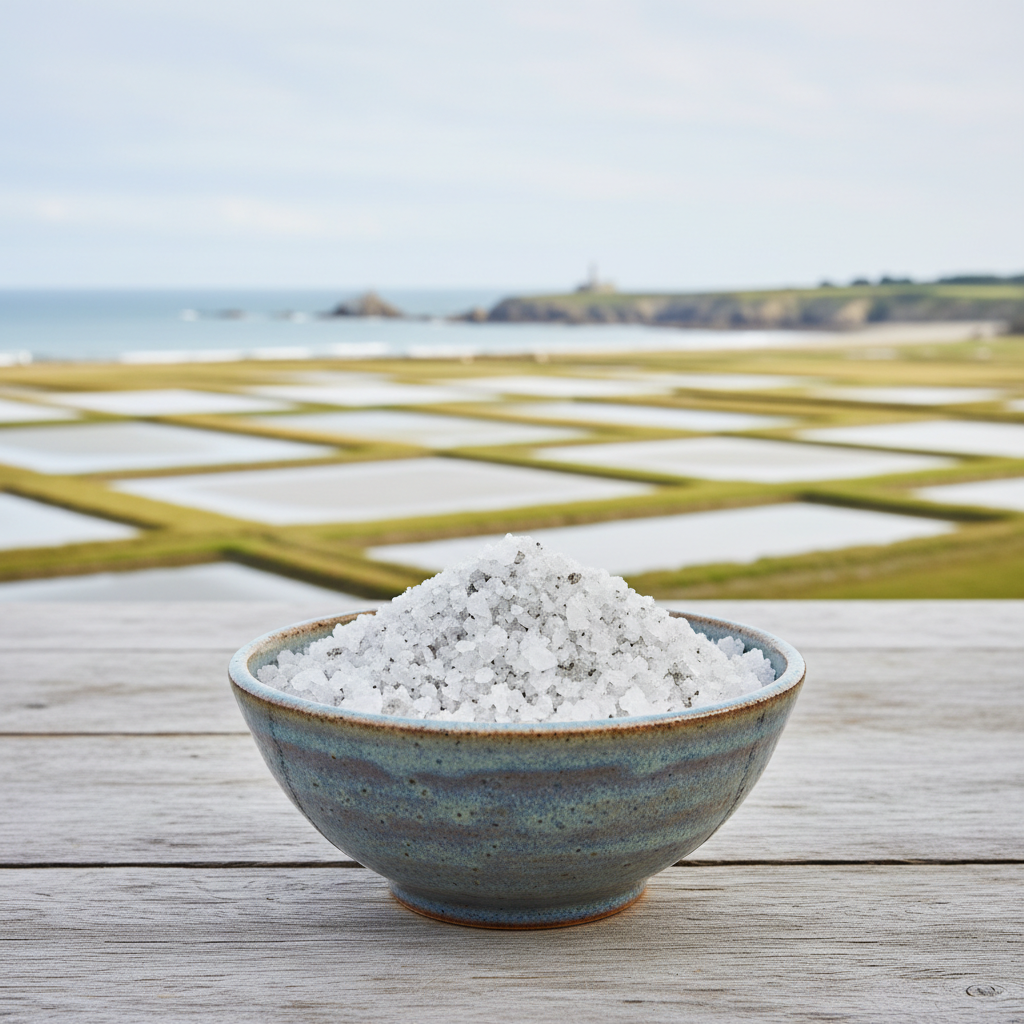
Understanding light gray Celtic salt fully requires a closer look at how it is made, where it comes from, and what distinguishes it from the many other salts competing for shelf space in today's market. The process begins in the salt marshes of Guérande, a peninsula in the Loire-Atlantique department of Brittany. The geography of this region is uniquely suited to salt production. The relatively flat Atlantic coastline, the consistent summer winds, and the naturally clay-rich soil of the marshes create ideal conditions for solar evaporation of seawater. Seawater flows through a series of carefully managed channels and shallow pools called oeillets, gradually concentrating as it evaporates under the Breton sun and wind. As the water evaporates, salt crystals begin to form on the surface and settle to the bottom of these shallow basins.
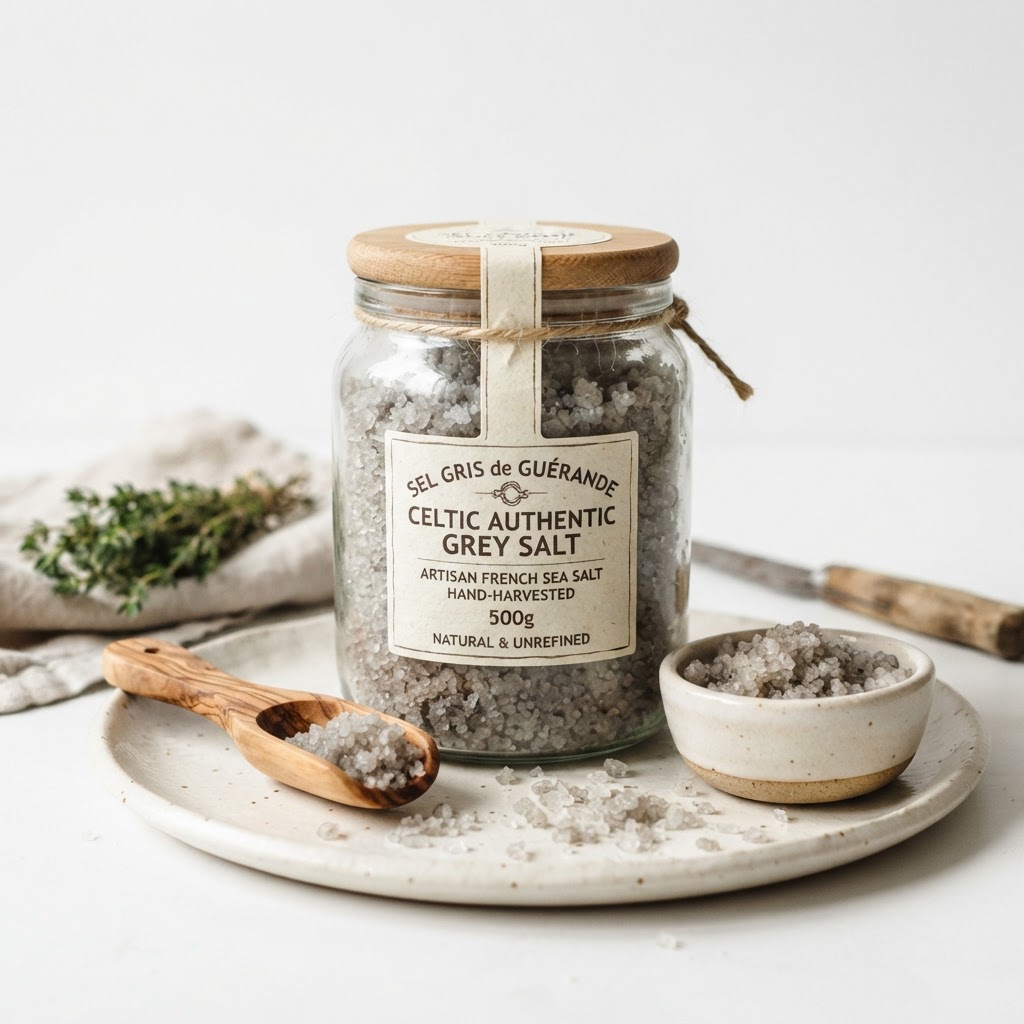
The harvesting of light gray Celtic salt specifically involves collecting the salt that has settled to the floor of these pools. Unlike the delicate surface crystals known as fleur de sel, which are skimmed from the very top of the water using flat wooden rakes, the grey salt is gathered from the bottom of the basins. As it settles, the salt comes into intimate contact with the mineral-rich grey clay that lines the base of the salt pans. This contact is precisely what imparts the salt's distinctive grey color, its slightly damp texture, and much of its enhanced mineral content. The clay acts as a natural filter and mineral reservoir, transferring trace elements directly into the salt crystals during the formation process. No artificial coloring, no mineral additives, and no chemical processing are involved. The color you see is entirely natural and entirely authentic.
Once harvested, light gray Celtic salt is typically allowed to drain naturally under open air conditions, reducing excess moisture without applying artificial heat. This natural drying process preserves the mineral-rich brine that coats each crystal, maintaining the moist, slightly sticky texture that distinguishes genuine Guérande grey salt from inferior imitations. The salt is then sorted, graded, and packaged — traditionally in breathable cloth or paper bags rather than sealed plastic, allowing the product to continue breathing naturally and maintaining its optimal moisture balance during storage. This attention to post-harvest handling reflects the same philosophy of minimal intervention that characterizes the entire production process from seawater to your table.
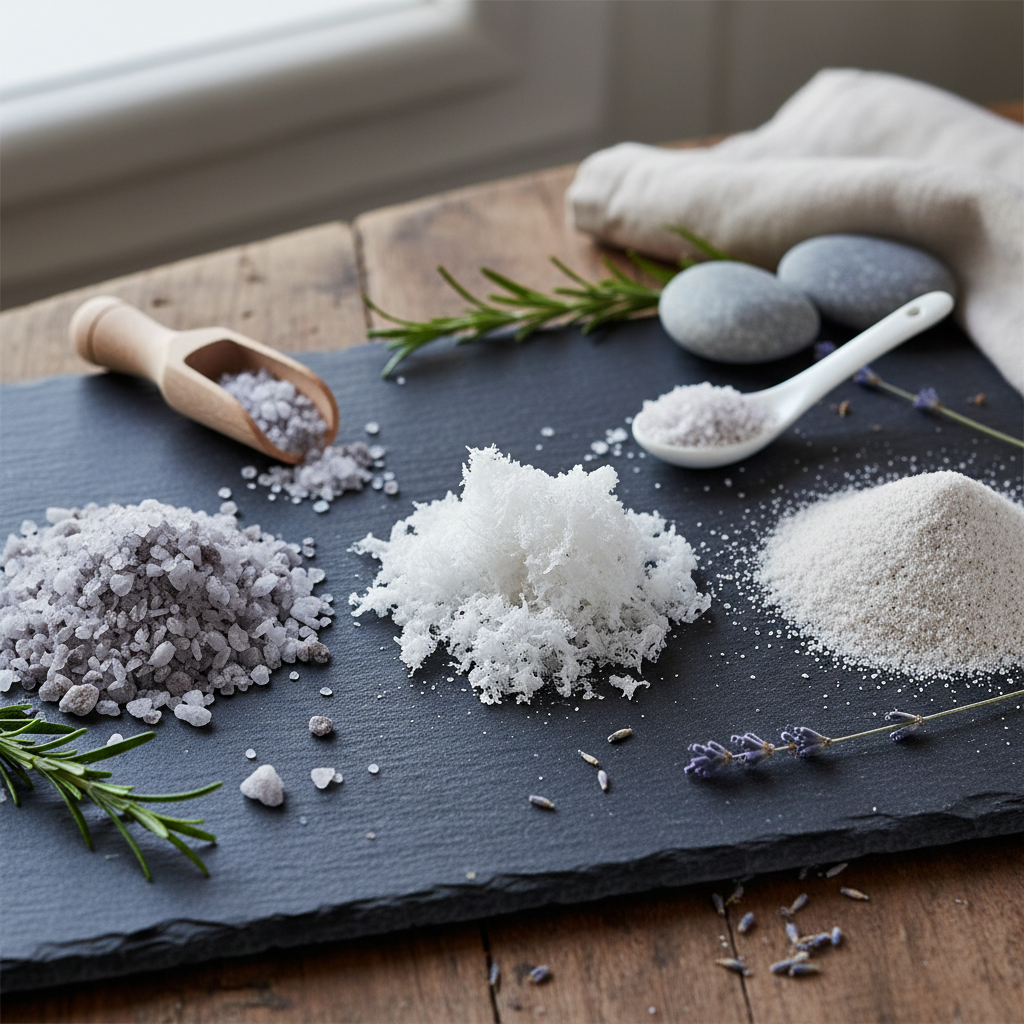
There are several grain sizes available for light gray Celtic salt, each suited to different culinary applications. Coarse grey salt, with its large, irregular crystals, is ideal for use in salt mills, for curing meats and fish, for seasoning pasta water, and for finishing dishes where a dramatic visual presentation is desired. Fine grey salt, which has been ground to a smaller particle size, dissolves more quickly and evenly, making it practical for everyday cooking, baking, and table use. Some producers also offer a medium grind that bridges the gap between these two options. Regardless of grain size, authentic light gray Celtic salt from Guérande should display the same characteristic grey color, moist texture, and complex mineral flavor profile that have made it one of the world's most respected artisan salts.
It is also worth understanding what light gray Celtic salt is not. It is not a pink Himalayan salt, which is mined from ancient underground deposits in Pakistan and carries a different mineral profile and flavor character. It is not a smoked salt, a flavored salt, or a salt blend. It is not ordinary sea salt that has been dyed or treated to achieve an appealing appearance. And it is certainly not the refined, bleached, free-flowing table salt that dominates mainstream supermarket shelves. Light gray Celtic salt is a living product in many senses — moist, mineral-rich, and deeply connected to the specific coastal terroir from which it was born. For those who take their cooking and their wellbeing seriously, understanding this distinction is the first step toward making a truly informed choice. You can explore our full range of authentic Guérande salts at celtic-salt.com/produits.
Health and Culinary Benefits of Light Gray Celtic Salt
The health conversation around salt has evolved significantly in recent years. For decades, dietary advice centered almost exclusively on reducing sodium intake, with little distinction made between different types of salt. Today, a more nuanced understanding is emerging — one that recognizes that the source, mineral content, and processing level of a salt can meaningfully affect its nutritional character. Light gray Celtic salt, with its naturally occurring suite of over eighty trace minerals, presents a nutritional profile that is meaningfully different from that of standard refined table salt. While table salt is nearly pure sodium chloride — typically 97 to 99 percent — unrefined grey Celtic salt contains a lower overall sodium chloride percentage, offset by naturally occurring magnesium chloride, calcium chloride, potassium chloride, and a range of other mineral compounds present in smaller but still nutritionally relevant quantities.
Magnesium is perhaps the most nutritionally significant of these trace minerals. It plays a role in hundreds of enzymatic processes in the human body, supporting muscle function, nerve transmission, energy metabolism, and bone density. Many adults in industrialized countries consume insufficient magnesium through their diets, and while light gray Celtic salt is not a replacement for a well-balanced dietary approach to magnesium intake, it does provide a meaningful complementary source with every meal. The naturally occurring potassium in grey Celtic salt also contributes to electrolyte balance, which is essential for proper hydration, nerve function, and cardiovascular health. Again, the amounts per serving are modest, but the cumulative benefit of consistently choosing a mineral-rich salt over a depleted one is a reasonable nutritional consideration.
From a culinary perspective, light gray Celtic salt offers something that no refined salt can match: genuine flavor complexity. The mineral richness of this salt gives it a rounded, oceanic taste with subtle earthy undertones contributed by the clay contact during formation. Professional chefs who have worked with both conventional salt and high-quality grey Celtic salt consistently report that the latter requires less salt overall to achieve the desired level of seasoning — an observation attributed to its more complex flavor impact on the palate. The slight residual bitterness of magnesium and the natural umami-like depth contributed by trace iron and other minerals create a more satisfying seasoning experience that enhances food rather than simply adding salinity. This is a qualitative distinction that becomes immediately apparent the first time you season a fresh vegetable or a piece of fish with genuine Guérande grey salt and compare it to the same dish seasoned with refined table salt.
The natural moisture content of light gray Celtic salt is another culinary advantage worth highlighting. Because the salt retains its natural brine coating, it dissolves slightly differently than dry, free-flowing salts. When applied to raw protein before cooking, for example, grey Celtic salt draws surface moisture from the meat through osmosis, then reabsorbs it along with dissolved proteins and flavor compounds — a process sometimes called dry brining. This creates a surface crust during high-heat cooking that contributes significantly to the Maillard reaction browning that is responsible for so much of the flavor we associate with well-cooked meat. For bakers, the slight moisture in grey salt can also affect dough hydration in subtle ways, and many artisan bread bakers specifically prefer grey Celtic salt for the complex mineral notes it contributes to finished loaves. You can learn more about the connection between salt quality and cooking outcomes in our article on using Celtic salt in cooking.
How to Use Light Gray Celtic Salt — Expert Tips
One of the most common questions from first-time buyers of light gray Celtic salt is simply: how do I use it? The answer depends on the grain size you have chosen and the application you have in mind, but there are a few guiding principles that apply broadly. First, because genuine grey Celtic salt is more flavorful per gram than refined table salt, you may find that you use somewhat less of it to achieve the same level of perceived saltiness in a dish. This is not only a financial benefit but also a practical one — starting with a slightly smaller amount and adjusting upward helps you get a feel for the salt's intensity before committing to a final seasoning decision.
For everyday cooking, fine grey Celtic salt is the most versatile choice. It dissolves quickly in liquids, distributes evenly through batters and doughs, and is easy to pinch and sprinkle directly over food without a grinder. Use it to season pasta water generously — the mineral-rich water that results will actually impart subtle flavor to the pasta itself rather than simply creating a salty boiling medium. Add it to vinaigrettes and dressings where it will dissolve completely and contribute its mineral complexity to the overall flavor balance. Use it in marinades for meat, poultry, and fish, where the trace minerals will interact with the proteins during marinating time to enhance moisture retention and flavor penetration.