Hand-harvested Guérande salt · Tracked international delivery included
Guide· by Celtic Salt Editorial Team
Celtic Salt In Cooking
Introduction — Why celtic salt in cooking Matters in 2026
Celtic salt, known for its distinctive grey hue and rich mineral content, has become an essential element in culinary practices around the world. In 2026, the importance of using high-quality, natural salts like Celtic sea salt is more pronounced than ever due to a growing awareness of food quality, sustainability, and nutrition. As chefs and home cooks alike seek to elevate their culinary creations, Celtic salt stands out as a flavor enhancer that not only seasons food but also brings a touch of history and culture to the table.
Originating from the coastal marshes of Brittany, France, Celtic salt is harvested through traditional methods that have been passed down through generations. The paludiers, or salt marsh workers, continue to employ these age-old techniques to ensure that the salt retains its natural minerals and unique taste. For cooks looking to refine their dishes in 2026, incorporating Celtic salt into their cooking can make a significant difference in flavor and quality. This article explores the versatile uses of Celtic salt in cooking, its benefits, how to use it effectively, and ways to choose the best quality salt for your culinary needs.
What Is celtic salt in cooking?
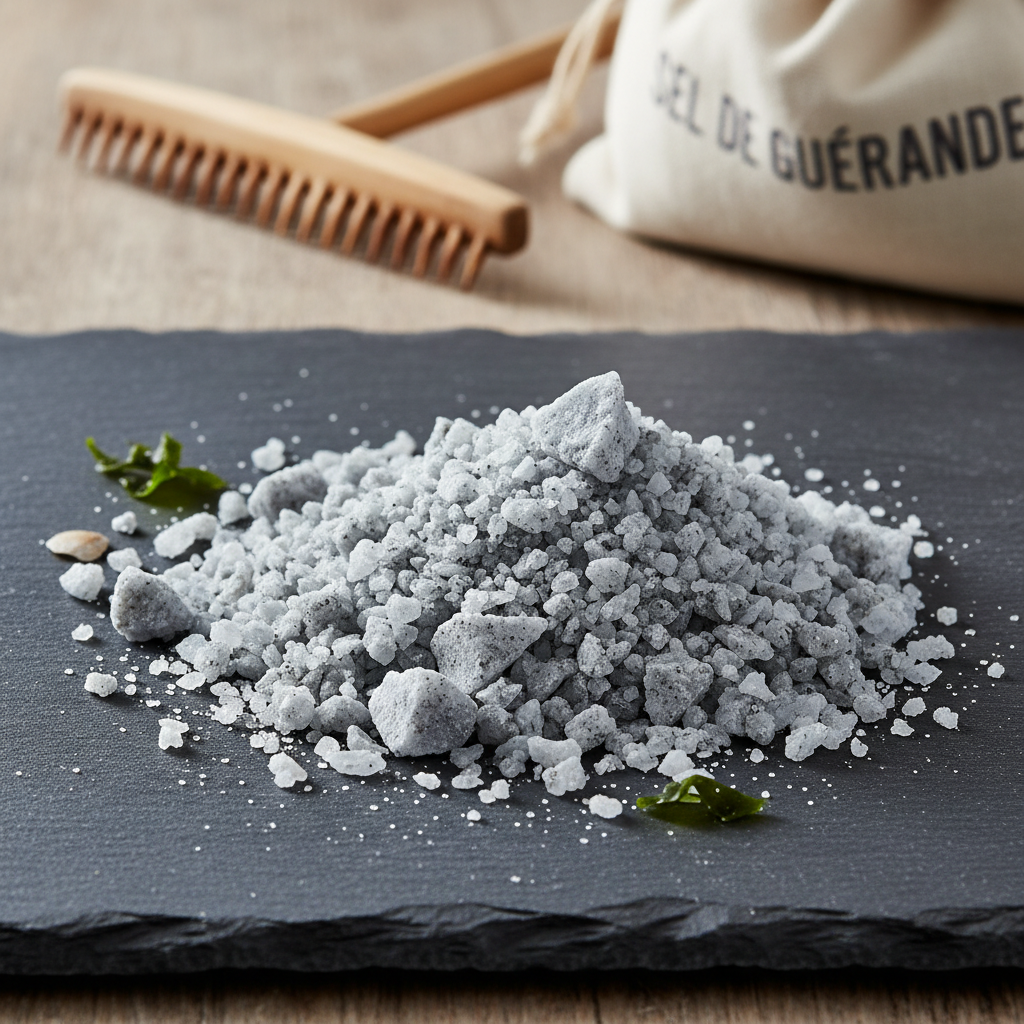
Celtic salt, sometimes referred to as grey salt, is harvested from the coastal salt marshes of Brittany, specifically from the region of Guérande. This salt is characterized by its beautiful grey color, which results from its unique harvesting process and the clay found in the salt flats. Unlike table salt, which is heavily processed and stripped of minerals, Celtic salt is unrefined and retains the natural minerals and trace elements that can enhance its flavor profile and health benefits.
The traditional method of harvesting Celtic salt involves raking sea water into shallow ponds where it gradually evaporates due to the sun and wind. This process allows the salt to crystallize naturally while absorbing minerals from the surrounding environment. As a result, Celtic salt contains various essential minerals, including magnesium, calcium, and potassium, which contribute to its unique flavor and texture.
In cooking, Celtic salt serves as a versatile ingredient that can be used in a variety of ways, from seasoning meat and vegetables to enhancing the flavors of sauces and soups. Its coarse texture makes it ideal for finishing dishes, while its mineral-rich composition provides a complex taste that can elevate the simplest of meals. Whether you're a professional chef or a home cook, understanding the characteristics and uses of Celtic salt can lead to more flavorful and satisfying dishes.
Key Benefits and Properties
Celtic salt stands out in the culinary world not only for its unique flavor but also for its numerous benefits and properties. Its mineral content, derived directly from the environment where it is harvested, makes it a more complex seasoning compared to ordinary table salt. Here are some key benefits and properties of Celtic salt that make it a favored choice in cooking.
First and foremost, Celtic salt contains a wealth of trace minerals that are often absent in regular table salt. These minerals contribute to its distinctive flavor, allowing it to enhance the natural taste of food rather than overpowering it. Chefs often note that they can use less Celtic salt than regular salt without sacrificing flavor, making it a more effective seasoning option.
Additionally, the moisture content in Celtic salt provides a unique texture that can enhance dishes. The slightly damp crystals cling to food, ensuring even seasoning and a delightful crunch when used as a finishing salt. This texture can be especially appealing when sprinkled over roasted vegetables, grilled meats, or fresh salads.
Another significant benefit of Celtic salt is its minimal processing. Unlike many commercial salts that are heavily refined and treated with additives, Celtic salt is harvested using traditional methods that maintain its natural state. This lack of processing not only preserves its flavor but also ensures that it remains free from harmful chemicals and additives. For cooks who prioritize high-quality ingredients, Celtic salt is an excellent choice.
Furthermore, culinary experts emphasize that using natural salts like Celtic salt can lead to a heightened culinary experience. The tradition of salt harvesting in Brittany adds a historical and cultural dimension to its use, connecting cooks to the land and its traditions. As the culinary landscape evolves, the incorporation of ingredients with rich stories and backgrounds becomes increasingly valuable, enriching our cooking practices.
How to Use celtic salt in cooking: Practical Guide
Utilizing Celtic salt in your cooking can be a delightful experience, enhancing flavors while providing a unique textural element to your dishes. Here are some practical guidelines on how to effectively incorporate Celtic salt into your culinary repertoire.
1. **Seasoning Ingredients**: When cooking meats and vegetables, it’s important to season them with Celtic salt before cooking. This allows the salt to penetrate the ingredients, enhancing their natural flavors. A good rule of thumb is to use about 1 teaspoon of Celtic salt per pound of meat or vegetables, adjusting according to your taste preferences.
2. **Finishing Touch**: Celtic salt is perfect as a finishing salt due to its texture and moisture. After plating your dish, sprinkle a small amount of Celtic salt over the top. This technique adds a burst of flavor and a pleasing crunch, especially on dishes like grilled steak, roasted potatoes, and fresh salads.
3. **In Sauces and Marinades**: Use Celtic salt in sauces and marinades to deepen the flavor profile. Its mineral richness can enhance other seasonings, creating a more complex and flavorful sauce. Dissolve it in liquids like broth or wine before adding other ingredients to ensure it distributes evenly.
4. **In Baking**: While many people associate salt only with savory dishes, using Celtic salt in baking can enhance the overall flavor. It can help balance sweetness, particularly in desserts like cookies or pies. Reduce the amount of table salt in your recipes by approximately one-third when substituting with Celtic salt due to its stronger flavor.
5. **Infusing Flavors**: Consider using Celtic salt in brines and pickling solutions. Its natural minerals can impart a unique taste to pickled vegetables or brined meats, elevating simple recipes into gourmet dishes. Allow the salt to dissolve fully in the brine before adding your ingredients, ensuring even flavor distribution.
By understanding how to use Celtic salt effectively, you can unlock a new level of flavor in your cooking. Experimenting in the kitchen with this distinctive salt will not only enhance your dishes but also introduce you to the rich culinary traditions of Brittany.
AUTHENTIC IGP GUÉRANDE SALT
🧂 AUTHENTIC GUÉRANDE CELTIC SALT
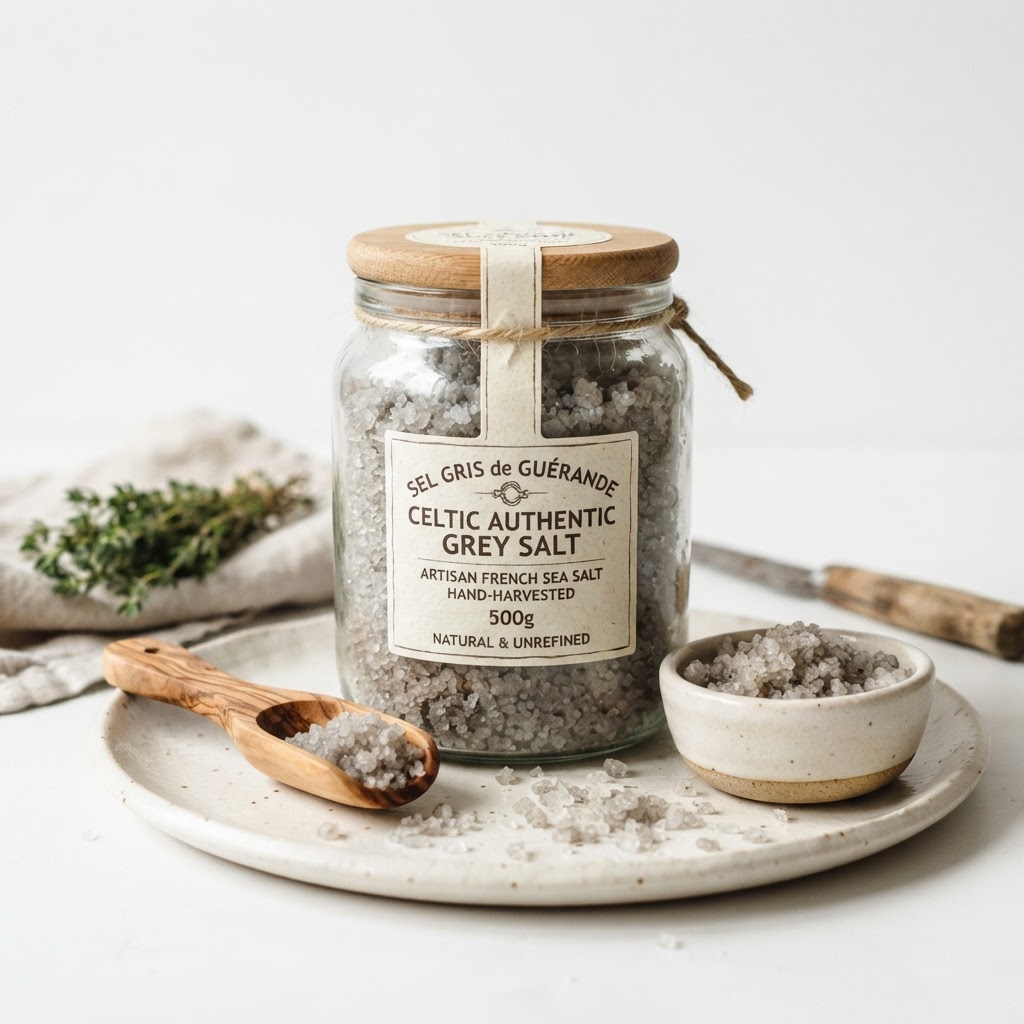
Celtic Authentic Grey Salt – 500g
Hand-harvested · Coarse · Dried · Brittany, France
When it comes to choosing the right Celtic salt for cooking, there are several factors to consider to ensure that you are getting the highest quality product. With the market offering various options, understanding what to look for can make all the difference in your culinary experience.
Firstly, it is essential to check the source of the salt. Authentic Celtic salt should come from Brittany, France, specifically from the Guérande region. Look for packaging that highlights the heritage of the salt and its traditional harvesting methods by the paludiers. Authenticity is key in ensuring that you are purchasing genuine Celtic sea salt, as imitations may lack the same quality and flavor.
Secondly, consider the texture and appearance of the salt. High-quality Celtic salt often has a coarse, flaky texture and a grey color that indicates its mineral content. Avoid salts that appear overly white or that have an overly fine consistency, as these characteristics can indicate excessive processing. The natural moisture content is also a hallmark of quality Celtic salt; it should feel slightly damp to the touch.
Find a reputable supplier who specializes in gourmet salts to ensure that you are purchasing a product that has been stored and handled properly. Check for certification labels or quality assurance stamps that can give you peace of mind about the salt's origin and purity.
Lastly, taste testing can be a good approach. Different salts have different flavor profiles, and finding one that resonates with your palate can enhance your cooking experience. Look for retailers that offer small samples, or purchase different brands to compare flavors and textures. By taking the time to choose high-quality Celtic salt, you ensure that your dishes are enriched with the best flavors and culinary traditions.
Common Mistakes to Avoid
When cooking with Celtic salt, there are several common pitfalls that can diminish its flavor and effectiveness. Awareness of these mistakes can help you make the most of this exceptional ingredient.
1. **Overusing Salt**: One of the most frequent errors is the assumption that more salt equates to more flavor. Due to its robust mineral profile, Celtic salt is often more potent than regular table salt. It is crucial to start with a small amount, taste, and then adjust as necessary to avoid over-salting your dishes.
2. **Ignoring Texture Differences**: Many cooks may treat Celtic salt like table salt in recipes, not considering the significant difference in texture and moisture content. If you are replacing table salt with Celtic salt in a recipe, you may need to adjust the quantity or method of incorporation to account for this difference, especially in baking or when making brines.
3. **Cooking with Old Salt**: Using stale or old salt can lead to diminished flavor and quality. Always check the expiration date and consider how you store your salt, as moisture can affect its integrity. Keep it in a cool, dry place away from direct sunlight to maintain its qualities.
4. **Failing to Use it at the Right Time**: Another mistake is neglecting to appropriate the timing of when to add Celtic salt during cooking. Adding it at the right moments—such as towards the end for finishing or at the beginning for seasoning—can dramatically affect the overall flavor of your dish.
5. **Not Exploring Different Applications**: Finally, sticking to just one way of using Celtic salt can limit its potential. Explore various applications such as brining, finishing, and integrating it into sauces and marinades. The versatility of Celtic salt can significantly boost your culinary creativity.
Ready to taste the difference?
Celtic Authentic Grey Salt – 500g — Hand-harvested · trace minerals whose levels vary by harvest and product · No additives
Frequently Asked Questions
CELTIC GREY SALT — IGP GUÉRANDE
Celtic Grey Salt – Guérande 500g
Hand-harvested · Unrefined · Brittany, France
Ships from France · Worldwide delivery · 30-day return guarantee
FEATURED PRODUCT
Celtic Authentic Grey Salt – 500g
$79.99$114.99SAVE 30%
Hand-harvested · Coarse · Dried · Brittany, France
✓ Ships from France · ✓ 30-day return · ✓ Secure checkout
What is the difference between Celtic salt and regular table salt?
Celtic salt is unrefined and retains natural minerals, providing a unique flavor and texture, while regular table salt is heavily processed and often stripped of these minerals.
Can I use Celtic salt in baking?
Yes, Celtic salt works well in baking; just reduce the amount slightly compared to table salt due to its stronger flavor and coarse texture.
How should I store Celtic salt?
Store Celtic salt in a cool, dry place in a tightly sealed container to protect it from moisture and maintain its quality.
Is Celtic salt healthier than regular salt?
While both Celtic and regular salt are primarily sodium chloride, Celtic salt contains minerals that can enhance flavor and provide trace elements, making it a more flavorful choice.
Can I use Celtic salt for finishing dishes?
Absolutely! Celtic salt’s coarse texture makes it an excellent finishing salt, adding a burst of flavor and a delightful crunch to your dishes.
Conclusion
Celtic salt is not just a seasoning; it's a culinary experience that bridges the gap between tradition and modern cooking. Its unique flavor profile and mineral-rich composition set it apart from ordinary table salts, making it an essential ingredient for both amateur cooks and professional chefs. By understanding how to utilize Celtic salt effectively, selecting high-quality options, and being mindful of common mistakes, you can enhance your culinary creations and discover the rich, nuanced flavors that this exceptional salt can offer. As you explore the versatile applications of Celtic salt in your cooking, you’ll not only elevate your dishes but also embrace a piece of history and culture from the heart of Brittany, France.
Ready to experience authentic Celtic salt?
Hand-harvested from the marshes of Guérande, Brittany · IGP certified · trace minerals whose levels vary by harvest and product
Ships from France · 30-day return guarantee
AVAILABLE NOW — LIMITED STOCK
Experience the Authentic Taste of Guérande Celtic Salt
Celtic Authentic Grey Salt – 500g · Hand-harvested · Coarse · Dried · Brittany, France