Guide· by Celtic Salt Editorial Team
Is There Zinc In Celtic Salt
Integrating Celtic salt into your daily cooking can be a straightforward and enriching experience. Here’s a practical guide on how to use this flavorful mineral-rich salt in various culinary applications.
1. **Seasoning Proteins**: Begin by using Celtic salt as a primary seasoning for proteins such as chicken, fish, and beef. Rub a generous amount on the meat before grilling, baking, or roasting. The salt will enhance the natural flavors while locking in juices, thanks to its unique moisture-retaining properties.
2. **Vegetable Dishes**: When steaming or sautéing vegetables, sprinkle a pinch of Celtic salt during cooking to brighten the natural taste. Its coarse texture works well in roasted vegetables, allowing for a delightful crunch. You can also dissolve it in water to create brines for pickling or marinating, infusing vegetables with extra flavor.
3. **Soups and Stews**: Celtic salt can elevate the taste of soups and stews. Start with a smaller amount, as its flavor is more robust than regular table salt. Remember to taste as you go, allowing the flavors to meld. This method ensures you achieve a balanced seasoning that complements your ingredients.
4. **Finishing Touch**: Use Celtic salt as a finishing touch to many dishes. Sprinkle a desired amount on cooked meats or vegetables right before serving to add texture and enhance the presentation. This method is particularly effective for grilled steak or roasted potatoes.
5. **Baking**: In baking, Celtic salt plays an important role in enhancing flavors. When making bread or pastries, it can be mixed into the dry ingredients to ensure an even distribution. Its unique flavor can transform ordinary baked goods into delightful treats.
6. **Flavor Pairings**: Pair Celtic salt with complementary ingredients like herbs, garlic, and olive oil. Consider making a simple compound butter or herb-infused oil, incorporating Celtic salt to enhance the overall taste. This can be drizzled on finished dishes or served with bread.
By using Celtic salt in these various cooking techniques, you can appreciate its unique flavor and mineral quality while bringing more depth to your meals. The versatility of this salt not only enhances culinary creations but also supports a more health-conscious approach to cooking.
Discover — $79.99 →
🧂 AUTHENTIC IGP GUÉRANDE SALT
500g / 17.6 oz · Hand-harvested · Brittany, France
How to Use is there zinc in celtic salt
Beyond the kitchen, the mineral content of Celtic salt, including zinc, lends itself to broader lifestyle applications that promote wellness and self-care. Here are several ways to incorporate Celtic salt into your daily routine outside of cooking. 1. **Skin Exfoliation**: Celtic salt can be used in homemade scrubs for skin exfoliation. Combine it with natural oils such as coconut or olive oil to create a gentle scrub that can help remove dead skin cells. This process may support smoother, healthier skin by enhancing circulation. 2. **Foot Soaks**: For a relaxing foot soak, dissolve Celtic salt in warm water, allowing your feet to soak for about 20-30 minutes. This practice is said to promote relaxation while the minerals may offer benefits for tired muscles and joints. 3. **Bath Soaks**: Add Celtic salt to your bathwater for a soothing experience. The absorbed minerals can support relaxation and enhance the bathing experience. This is particularly beneficial after a long day or workout, as it allows for a rejuvenating soak. 4. **The 20-Day Celtic Salt Challenge**: To fully experience the benefits, consider integrating Celtic salt into your routine for a set period. Use it in your cooking, skincare, and wellness practices to create a comprehensive approach to enjoying this mineral-rich seasoning. 5. **Mindful Eating**: Employ a mindful eating technique by consciously incorporating Celtic salt into your meals. Take a moment to appreciate its flavor and texture, which can enhance your overall eating experience. This serves both to enjoy the process of eating and to potentially support healthier dietary choices. Incorporating Celtic salt into your lifestyle goes beyond simple culinary applications. It not only provides nutritional value but also enriches self-care routines. This thoughtful use helps embrace a natural approach to health and wellness, aligning with the preferences of health-conscious consumers.What to Look for When Buying
When purchasing Celtic salt, several quality indicators can help ensure you select a product that offers authenticity and beneficial mineral content. Here are some key factors to consider when shopping for Celtic sea salt. 1. **Origin**: Look for salt sourced specifically from Brittany, France, as this is a hallmark of authentic Celtic salt. Many inferior products may claim to be from the Celtic tradition but fail to meet the standards of genuine Guérande salt. Researching the origin allows you to gain peace of mind regarding its authenticity. 2. **IGP Certification**: Seek out the IGP (Indication Géographique Protégée) certification, which guarantees that the salt comes from a defined geographical area, ensuring you are purchasing high-quality Guérande salt harvested by traditional methods. This certification also typically means that it has been independently checked for quality and authenticity. 3. **Unrefined Nature**: Genuine Celtic sea salt should be unrefined and free from additives. The label should indicate that it has not undergone processing methods that strip away its natural minerals. Ideally, look for a product that retains its grey color, suggesting it has not been bleached or overly processed. 4. **Mineral Content**: Authentic Celtic salt will often display some mineral content, including trace elements like zinc. While it’s difficult for consumers to confirm exact mineral levels without lab testing, reputable brands usually provide information regarding their salt’s mineral profile. This aspect is particularly relevant for health-conscious buyers looking to enhance their nutrient intake. 5. **Packaging**: Evaluate the packaging of the salt. Quality salt generally comes in materials that protect it from moisture and environmental contaminants. Avoid products in clear plastic that expose the salt to light and air. By paying attention to these indicators, health-conscious consumers can confidently choose high-quality Celtic salt that meets their culinary and nutritional standards. This awareness supports the consumption of truly beneficial ingredients while avoiding inferior substitutes that do not offer the same value.Common Questions About is there zinc in celtic salt
Is there zinc in Celtic salt?
Yes, Celtic salt contains trace amounts of zinc, along with various other minerals, due to its unrefined nature. This contributes to the overall nutritional benefits of using this salt in cooking.🧂 AUTHENTIC GUÉRANDE CELTIC SALT
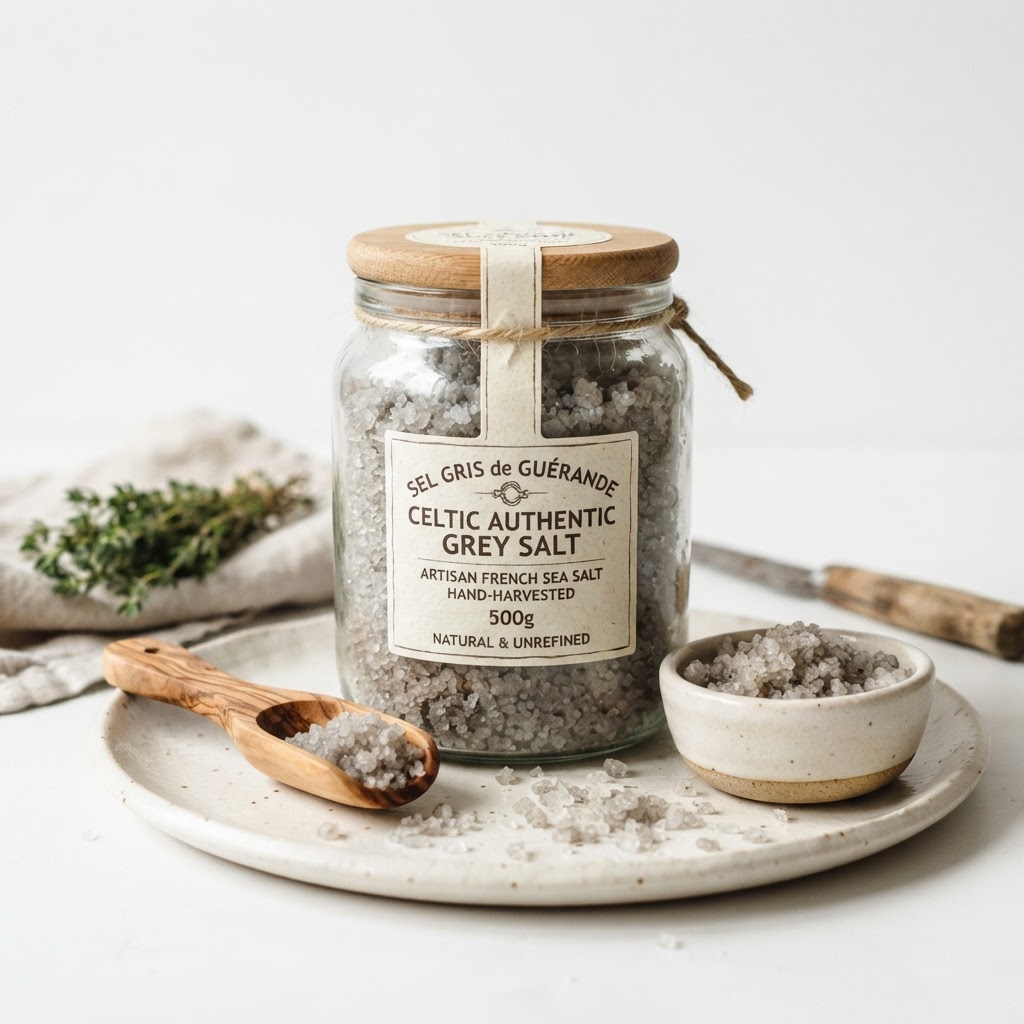
Celtic Authentic Grey Salt – 500g / 17.6 oz
Hand-harvested · Unrefined · trace minerals whose levels vary by harvest and product · IGP certified
Compare at $114.99
Get Your Bag — $79.99 →How much zinc is in Celtic salt compared to other salts?
The exact amount of zinc can vary based on the specific source and harvesting conditions of the salt. Generally, Celtic salt contains more trace minerals than refined table salt, which often lacks nutrients.Can Celtic salt substitute regular table salt?
Absolutely, Celtic salt can be used as a substitute for regular table salt in most culinary applications. Its unique flavor and texture may enhance dishes in ways that standard salt may not.Is all sea salt the same as Celtic salt?
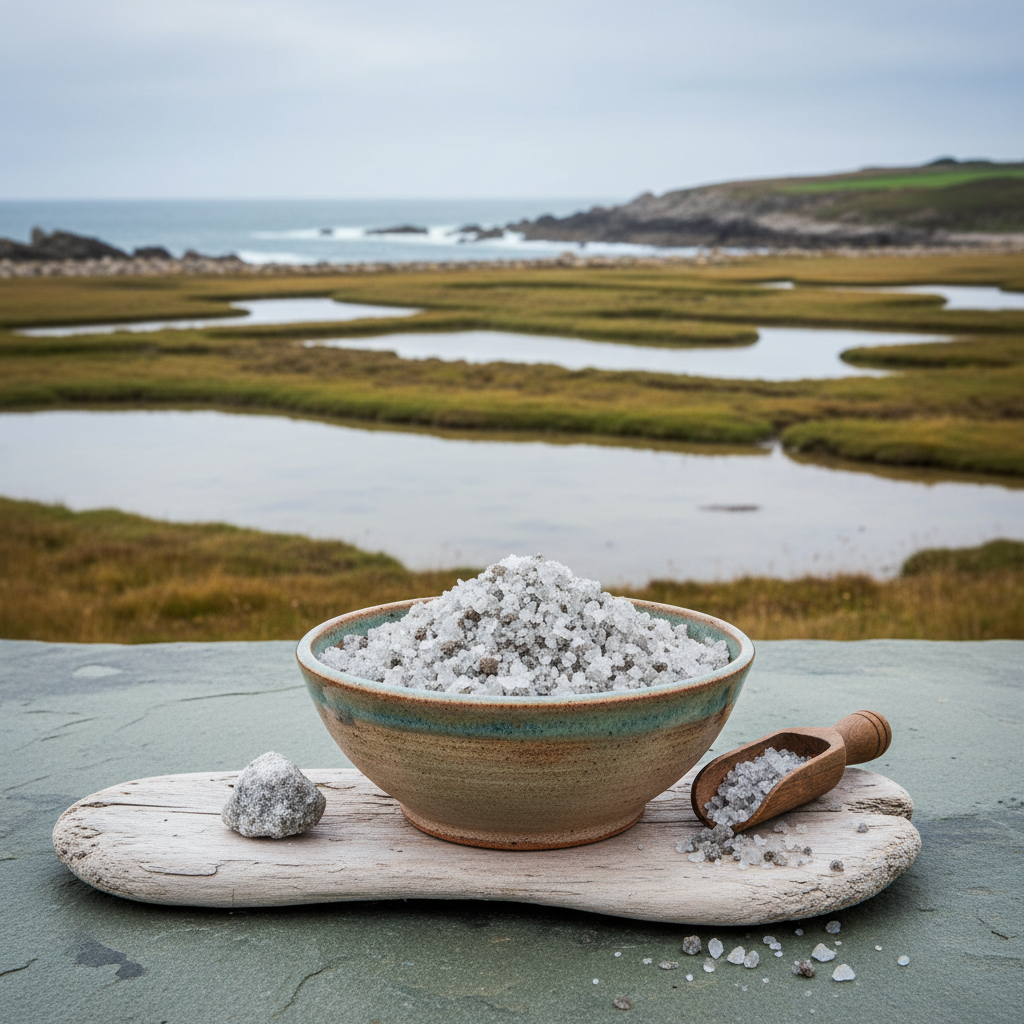
No, not all sea salt is the same. Celtic salt is specifically harvested from the ponds in Brittany, France, while other sea salts may come from different locations and may be processed differently.How should I store Celtic salt?
Store Celtic salt in a cool, dry place, ideally in an airtight container to protect it from moisture and contamination. This will help preserve its unique properties and flavor.Conclusion
In summary, the presence of zinc in Celtic salt adds another layer to its multifaceted benefits, appealing to health-conscious consumers seeking flavor and nutrition in their diets. By understanding the origins, benefits, and practical uses of this mineral-rich seasoning, consumers can better appreciate its role in both culinary and wellness applications. Celtic salt serves not only as a pantry staple but as a holistic ingredient that can enhance various aspects of everyday living—from cooking delightful meals to supporting skin wellness. As a versatile and mineral-rich alternative to regular table salt, incorporating Celtic sea salt into your lifestyle offers potential benefits that extend beyond the kitchen. By opting for high-quality sources, such as those bearing the IGP certification from Brittany, consumers can ensure they are receiving an authentic product rich in minerals like zinc. Through mindful usage of Celtic salt in cooking and self-care routines, individuals can cultivate a more health-conscious approach to their diets. Ultimately, embracing Celtic salt is a simple yet effective way to enrich both taste and nutrition in daily life, highlighting the harmony of flavor and health in the culinary arts.Celtic Salt — IGP Guérande
Hand-harvested by Breton paludiers. 500g / 17.6 oz jar, unrefined, trace minerals whose levels vary by harvest and product.
Free shipping — standard tracked delivery included
Get Your Bag — $79.99 →