Hand-harvested Guérande salt · Tracked international delivery included
Guide· by Celtic Salt Editorial Team
Celtic Salt Minerals
What Is Celtic Salt Minerals and Why It Matters in 2026
Celtic salt minerals represent one of the most fascinating and nutritionally significant topics in the world of natural food ingredients today. Harvested from the ancient salt marshes of Guérande in Brittany, France, authentic Celtic grey salt is far more than a simple seasoning. It is a complex mineral matrix shaped by thousands of years of geological activity, tidal patterns, and traditional harvesting methods passed down through generations of paludiers — the salt farmers who have worked these coastal clay beds for over a millennium. What sets Celtic grey salt apart from the white refined table salt found on most supermarket shelves is precisely this mineral richness: a broad spectrum of naturally occurring trace elements that remain intact because the salt is harvested by hand, sun-dried, and never chemically processed or bleached. In 2026, as consumers become increasingly sophisticated about what they put into their bodies, understanding the mineral content of the salt they use every day has never been more relevant.
The mineral profile of authentic Celtic grey salt is genuinely impressive. Unlike industrially refined salt, which is stripped down to nearly pure sodium chloride — often 99.9% NaCl with added anti-caking agents — Celtic grey salt from Guérande contains a living mineral ecosystem. Its characteristic grey colour comes directly from the clay-lined salt pans where it is harvested, and that clay contact is not incidental: it is the very mechanism by which minerals like magnesium, calcium, potassium, iron, manganese, zinc, and over 80 other trace elements are incorporated into every crystal. This is not marketing language — it is basic geochemistry. The Guérande marshes sit at the intersection of Atlantic tidal waters and mineral-rich Breton geology, creating a unique environment that produces salt with a mineral fingerprint unlike anything that can be manufactured in a laboratory or replicated by simply adding synthetic minerals to refined salt after the fact.
Why does this matter in 2026 specifically? Because we are living through a moment of profound nutritional re-evaluation. Decades of low-fat, low-sodium dietary dogma are being revisited by researchers and nutritionists who recognise that the quality and source of nutrients matters as much as their quantity. The conversation around salt has shifted dramatically. It is no longer simply about how much sodium you consume, but about what kind of salt you are consuming and whether that salt delivers a balanced mineral payload alongside its sodium content. Traditional populations living in coastal Brittany have consumed grey Celtic salt for centuries, and ethnographic and nutritional research increasingly points to the value of naturally mineral-rich salts as part of a balanced whole-food diet. When you choose Celtic grey salt, you are not just seasoning your food — you are making a decision about the mineral quality of every meal you prepare.
Furthermore, the global conversation about food provenance, sustainability, and artisanal production has elevated authentic Celtic grey salt to a position of genuine culinary and nutritional prestige. Chefs at Michelin-starred restaurants across Europe and beyond have long prized Guérande salt for its complex flavour and mineral depth. Home cooks are increasingly following suit, recognising that the subtle briny, oceanic notes of genuine grey Celtic salt — those flavour qualities that are inseparable from its mineral content — elevate dishes in ways that processed salt simply cannot. As you explore the science and practice of Celtic salt minerals throughout this article, you will come to understand not just what these minerals are, but why they matter for your health, your cooking, and your broader relationship with natural food.
The Complete Guide to Celtic Salt Minerals
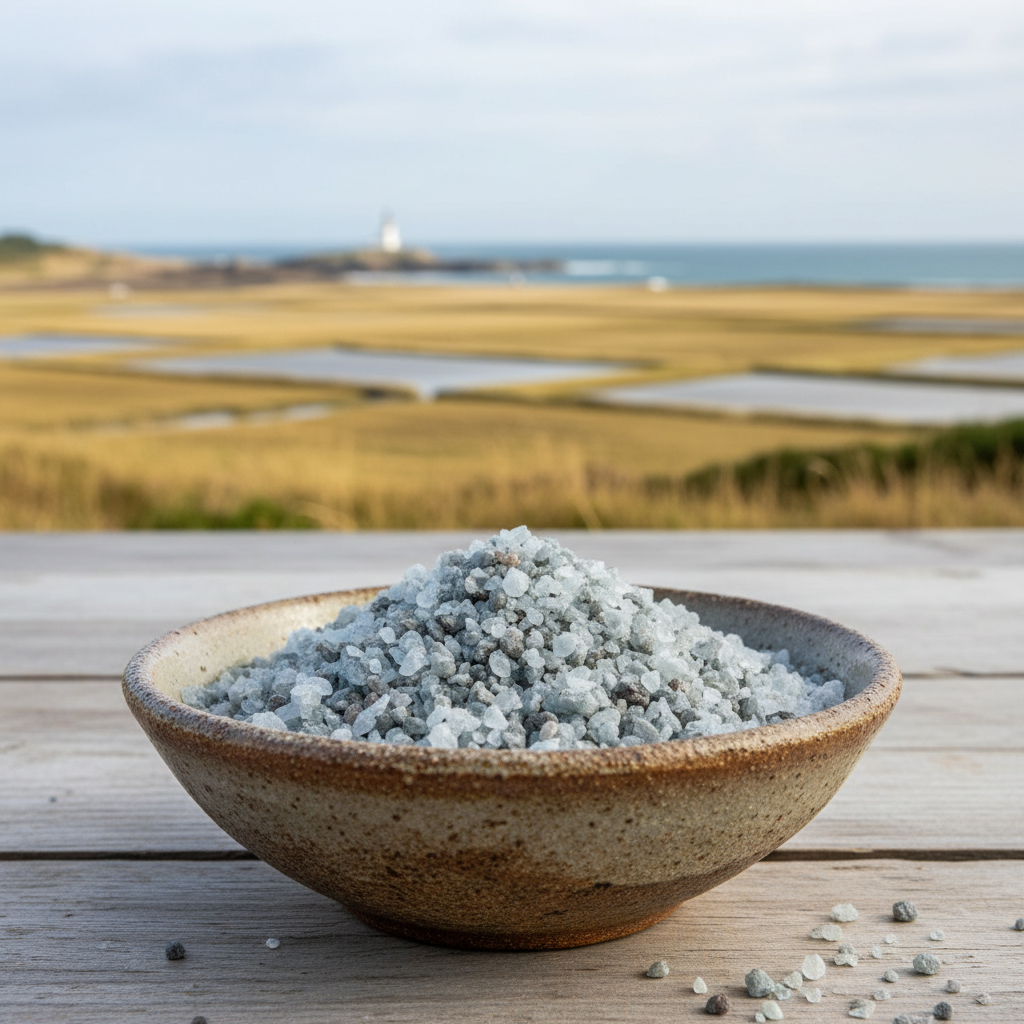
To truly understand Celtic salt minerals, we need to start with the source. The Guérande salt marshes, located on the Atlantic coast of the Loire-Atlantique department in Brittany, are a UNESCO-recognised heritage site. The salt produced here has been a cornerstone of European trade and cuisine since at least the ninth century. The marshes consist of a network of shallow clay-lined basins called oeillets, where seawater is slowly channelled inland and allowed to evaporate through a careful system of sluice gates managed by the paludier. As the water evaporates under the Breton sun and wind, salinity increases and salt crystals begin to form. The grey colouration comes from the interaction between the brine and the mineral-rich clay of the basin floors — a contact that directly enriches the salt with a wide range of minerals and trace elements that are otherwise absent from sea salts harvested from non-clay environments.
The primary mineral in Celtic grey salt is, of course, sodium chloride — but its concentration is meaningfully lower than in refined salt. While refined table salt is typically 99–99.9% NaCl, authentic Celtic grey salt contains approximately 82–87% sodium chloride, with the remaining percentage comprising a broad array of naturally occurring minerals. Magnesium is one of the most significant of these. Magnesium is the fourth most abundant mineral in the human body and plays a role in over 300 enzymatic processes, yet studies consistently show that large proportions of the population in Western countries do not get enough of it through diet alone. Celtic grey salt provides magnesium in a naturally occurring ionic form that is directly soluble in water — the same form in which it appears in the ocean brine from which the salt is derived. This is considered by many nutritional researchers to be among the most bioavailable forms of the mineral.
Calcium is another key component of the Celtic salt mineral profile. Present in meaningful quantities, the calcium in grey Celtic salt comes from the calcium-rich Atlantic seawater and the mineral composition of the Guérande clay. Potassium is also present in notable concentrations, and the ratio of potassium to sodium in Celtic grey salt is considerably more balanced than in refined salt. This is nutritionally significant because the sodium-potassium balance in the diet has well-documented implications for cardiovascular health, blood pressure regulation, and cellular fluid balance. Consuming a salt that delivers both sodium and potassium together — as nature intended — is fundamentally different from consuming pure sodium chloride with no accompanying minerals. This is one of the core arguments made by proponents of natural, unrefined salt consumption, and it is supported by the basic biochemistry of how these minerals function in the body.
Beyond the major minerals, Celtic grey salt contains an extraordinary array of trace elements. Iron, present in the form of iron oxides partly responsible for the salt's grey-brown hues, is joined by manganese, zinc, copper, iodine, selenium, silicon, boron, and many others. These trace minerals are required by the human body in very small amounts, but their importance is disproportionate to their quantity. Zinc, for instance, is essential for immune function, wound healing, and protein synthesis. Selenium is a powerful antioxidant cofactor. Iodine is critical for thyroid function. The remarkable thing about Celtic grey salt is that it provides these trace elements not as synthetic additives — as is the case with iodised refined salt — but as naturally occurring components of an ancient mineral ecosystem. This distinction is one that nutritional biochemists consider highly significant, because the form and context in which a mineral is consumed affects how it is absorbed and utilised by the body.
It is also worth addressing the moisture content of Celtic grey salt, which distinguishes it physically from other salts and is itself a reflection of its mineral richness. Genuine Celtic grey salt retains natural moisture from the brine. This is not a flaw or a sign of poor quality — it is evidence of the salt's mineral content, particularly its magnesium compounds, which are hygroscopic and naturally attract and hold water molecules. This is why Celtic grey salt clumps slightly, feels moist to the touch, and has a heavier, denser texture than dry white salts. When you feel that characteristic moisture, you are feeling the magnesium at work — and you are holding a product that has not been artificially dried at high temperatures, a process that would destroy the mineral balance the salt naturally contains.
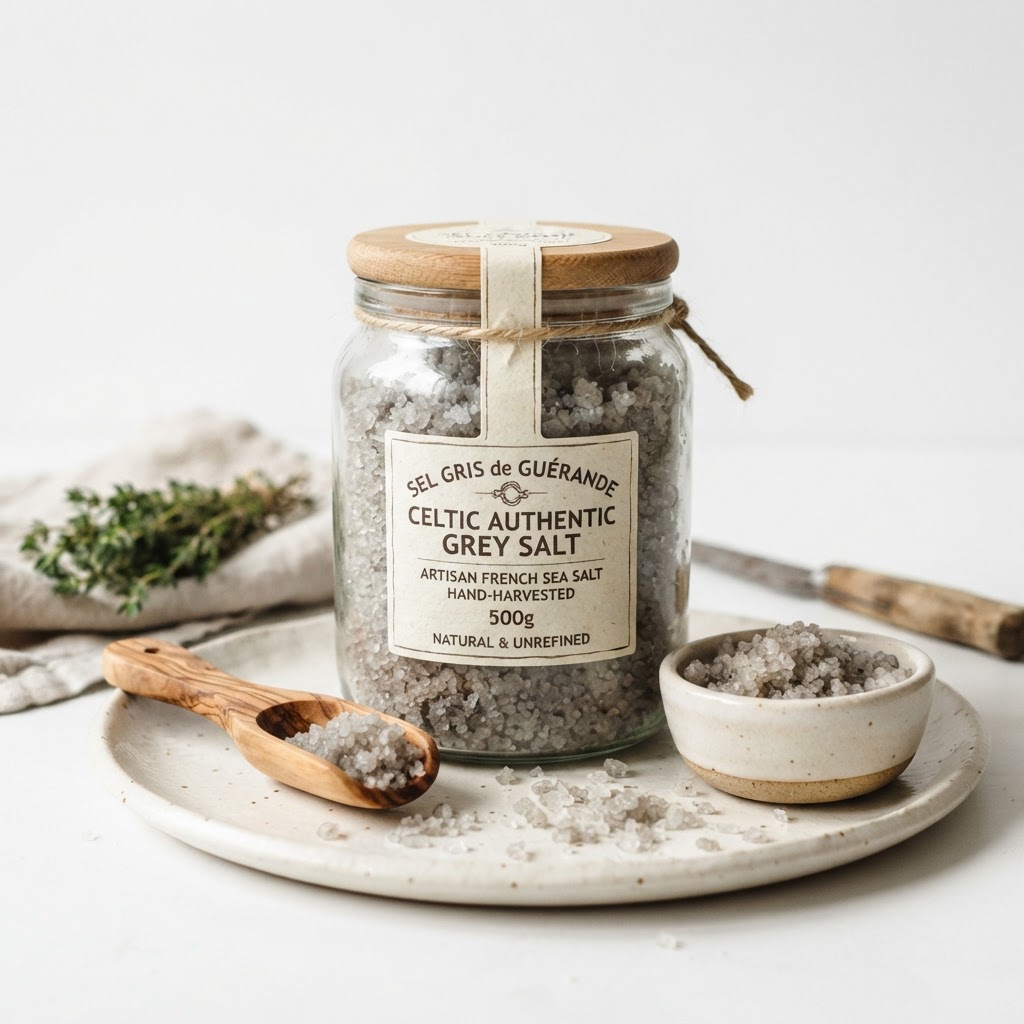
For anyone wishing to explore the full range of authentic Guérande Celtic grey salt products, including both coarse and fine varieties, you can browse the collection at celtic-salt.com, where traditionally harvested salt is available directly from source.
Health and Culinary Benefits
The health benefits associated with Celtic salt minerals are best understood in the context of whole-diet nutrition rather than as standalone therapeutic claims. Salt is consumed daily by virtually every person on earth, and the cumulative difference between consuming mineral-rich unrefined salt versus stripped refined salt over months and years is nutritionally meaningful. The most frequently cited benefit of Celtic grey salt is its contribution to magnesium intake. Magnesium deficiency is considered a widespread but underdiagnosed nutritional issue in modern populations, linked in epidemiological research to fatigue, muscle cramps, poor sleep quality, and general metabolic dysfunction. While Celtic grey salt should not be considered a primary magnesium supplement, it provides a consistent, bioavailable source of magnesium with every meal — a gentle, cumulative contribution to daily mineral intake that refined salt simply cannot offer.
The electrolyte profile of Celtic grey salt is another area of genuine interest. Electrolytes — minerals that carry an electrical charge when dissolved in water — are essential for hydration, nerve signalling, and muscle function. The combination of sodium, potassium, magnesium, and calcium present in Celtic grey salt creates a naturally balanced electrolyte profile that closely mirrors the mineral composition of human blood plasma and interstitial fluid. Athletes and physically active individuals have long been advised to replenish electrolytes after strenuous exercise, and whole-food sources of electrolytes are generally considered superior to synthetic electrolyte supplements. Using Celtic grey salt in cooking, particularly in broths, soups, and post-exercise meals, provides a naturally complex electrolyte replenishment that works in harmony with the body's own biochemistry.
From a culinary perspective, the mineral content of Celtic grey salt is directly responsible for its distinctive flavour. Refined salt tastes sharply, flatly salty — because sodium chloride is the only flavour compound present. Celtic grey salt, by contrast, has a complex, rounded flavour with subtle oceanic, mineral, and even slightly sweet undertones. Chefs describe this as umami-adjacent — a depth of flavour that enhances food rather than simply salting it. This complexity comes from the interplay of minerals: magnesium compounds contribute a slight bitterness that balances the saltiness; calcium adds a mild sweetness; the trace mineral matrix contributes subtle oceanic notes. The result is a salt that enhances the natural flavours of ingredients rather than overwhelming them. This is why Celtic grey salt is particularly prized for finishing dishes, seasoning raw vegetables, and enhancing seafood and grilled meats.
The lower sodium concentration of Celtic grey salt compared to refined salt is also worth noting from a practical perspective. Because Celtic grey salt is approximately 12–18% lower in sodium chloride than refined salt, cooks who use it by weight are consuming less sodium per gram of actual salt than they would with refined varieties. Combined with the flavour complexity that means you often need to use less salt to achieve satisfying seasoning, Celtic grey salt can contribute to a naturally reduced sodium intake without requiring the kind of dramatic dietary restriction that many people find difficult to sustain. This is a nuanced but meaningful health benefit that aligns with broader nutritional guidance around salt reduction while preserving the pleasure and function of seasoning in cooking. You can read more about the culinary applications of traditional Guérande salt in our guide to cooking with Celtic grey salt.