Hand-harvested Guérande salt · Tracked international delivery included
Guide· by Celtic Salt Editorial Team
Is Magnesium In Celtic Salt
Food information, not medical advice. Salt remains a significant source of sodium. Trace-mineral levels can vary by harvest and product, and culinary salt should not be used as a treatment or medical electrolyte supplement.
What Is Magnesium in Celtic Salt and Why It Matters in 2026
When people talk about the nutritional value of traditional grey salt harvested from the marshes of Guérande in Brittany, one mineral consistently stands out above the rest: magnesium. The question of whether magnesium is present in Celtic salt — and in what quantities — has become one of the most searched topics in the natural health and artisan food communities. In 2026, as more consumers move away from heavily processed table salt and seek alternatives that deliver genuine nutritional value alongside flavour complexity, understanding the magnesium content of authentic Celtic grey salt is more relevant than ever. Unlike refined white table salt, which is stripped of virtually all trace minerals during industrial processing, genuine Celtic salt from the Atlantic coast of France retains a remarkable spectrum of naturally occurring minerals — and magnesium is among the most significant of these.
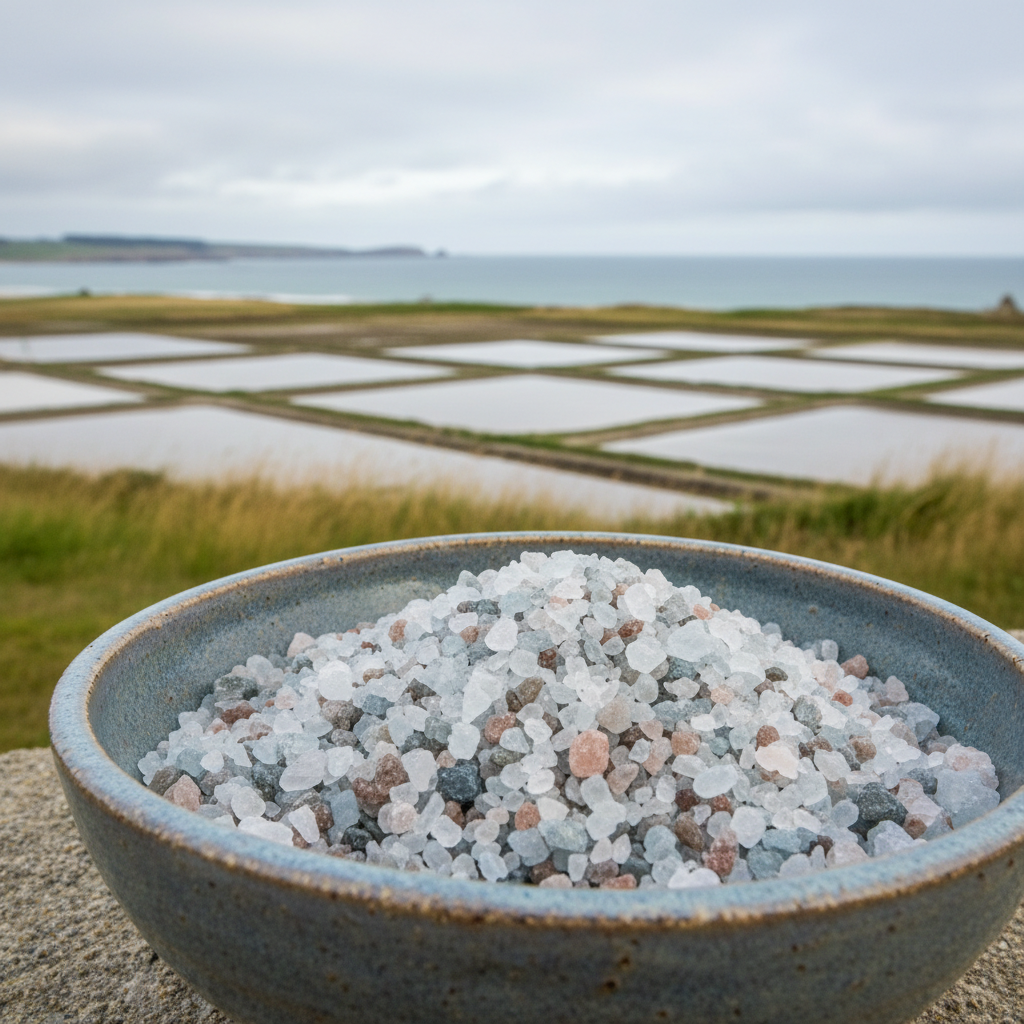
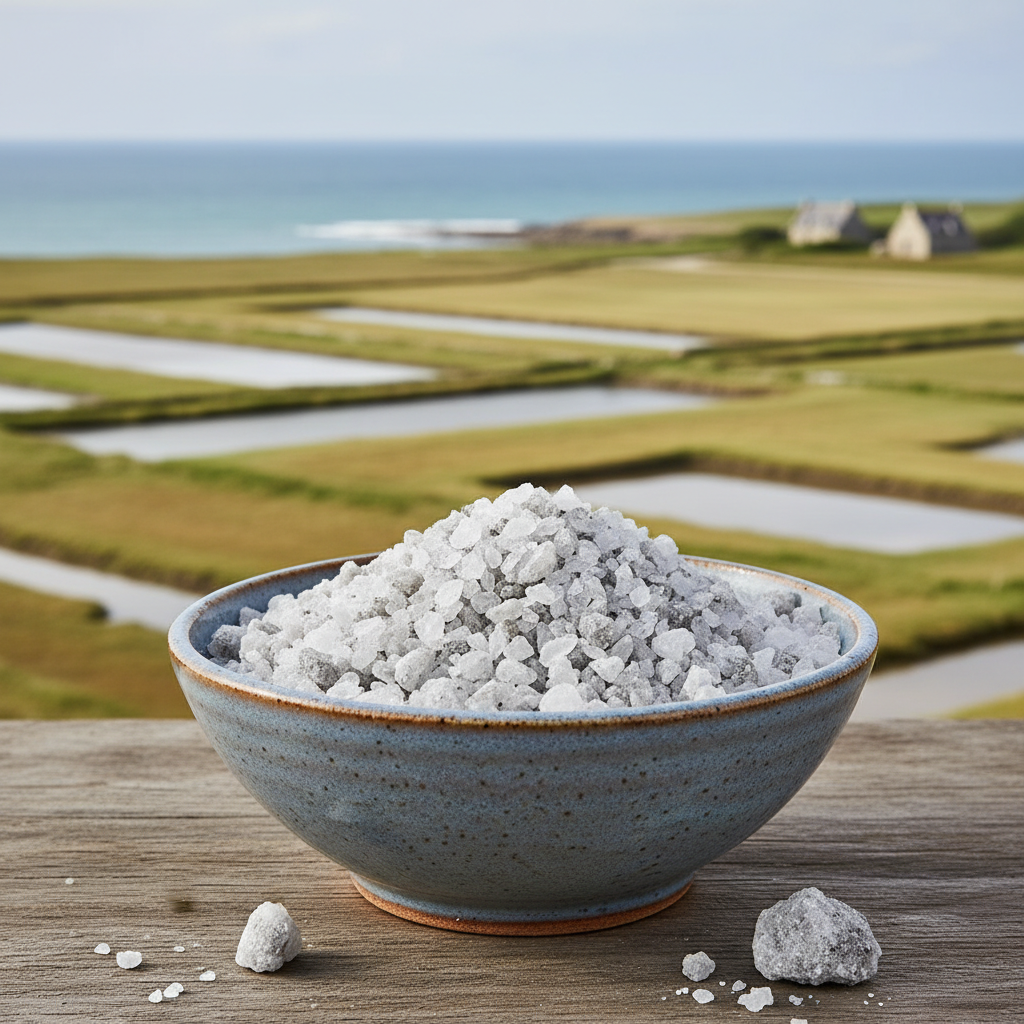
Authentic Celtic grey salt gets its characteristic damp texture and grey-green hue from the mineral-rich clay beds of the salt marshes where it is harvested. The salt paludiers — traditional salt farmers working in the Guérande region — use wooden rakes to collect salt that has crystallised on the surface of shallow tidal pools. During this process, the salt absorbs trace minerals directly from the surrounding water and clay substrate. Magnesium, which is naturally abundant in Atlantic seawater, becomes incorporated into the salt crystals as magnesium chloride and other magnesium compounds. This is not something added artificially or as a supplement; it is an intrinsic part of the salt's natural mineral composition. The result is a salt that contains measurably higher magnesium levels than any refined or even many other artisan salts available on the market today.
The relevance of magnesium in 2026 cannot be overstated. Nutritional surveys across Europe and North America consistently show that a large proportion of the adult population is deficient in magnesium — some estimates suggest that up to 50% of people in Western countries do not meet their recommended daily intake. This deficiency is linked in research literature to a wide range of health concerns, including poor sleep quality, muscle cramps, fatigue, elevated stress responses, and suboptimal cardiovascular function. While Celtic grey salt should never be viewed as a primary magnesium supplement, and while daily salt intake itself must be considered in the context of overall dietary health, the fact that every pinch of authentic grey salt contributes a small but meaningful amount of bioavailable magnesium gives it a distinct advantage over sodium chloride alone. For people who already use salt in their cooking and at the table, choosing a salt that naturally contains magnesium is a logical and relatively effortless way to support their dietary mineral intake.
The growing consumer interest in Celtic salt's mineral profile also reflects a broader cultural shift toward whole, minimally processed foods. People are reading labels more carefully, questioning industrial food production, and returning to artisanal traditions that have stood the test of centuries. The Guérande salt marshes have been producing grey salt using traditional methods for over a thousand years. The knowledge of the paludiers, combined with the unique geochemical environment of the Atlantic marshes, creates a product that is genuinely unlike anything produced by modern industrial salt refining. In this context, magnesium in Celtic salt is not a marketing claim or a nutritional afterthought — it is a natural consequence of where the salt comes from and how it is made. Understanding this is fundamental to appreciating why authentic Celtic grey salt has earned such a devoted following among chefs, health-conscious consumers, and food lovers across the world.
The Complete Guide to Magnesium in Celtic Salt
To fully understand the magnesium content of Celtic grey salt, it helps to look at the science behind how minerals are retained in naturally harvested sea salt. Atlantic seawater contains approximately 1,300 milligrams of magnesium per litre, making it one of the more magnesium-rich natural sources available. When seawater is channelled into the traditional salt marshes of Guérande and allowed to evaporate slowly under the sun and wind, salt crystals begin to form. The paludiers harvest these crystals by hand before they sink to the bottom and become contaminated with mud — or in the case of the finer fleur de sel, they skim the lightest crystals from the very surface. In both cases, the harvested salt retains a significant proportion of the minerals present in the original seawater, including magnesium in the form of magnesium chloride, magnesium sulfate, and other naturally occurring compounds.
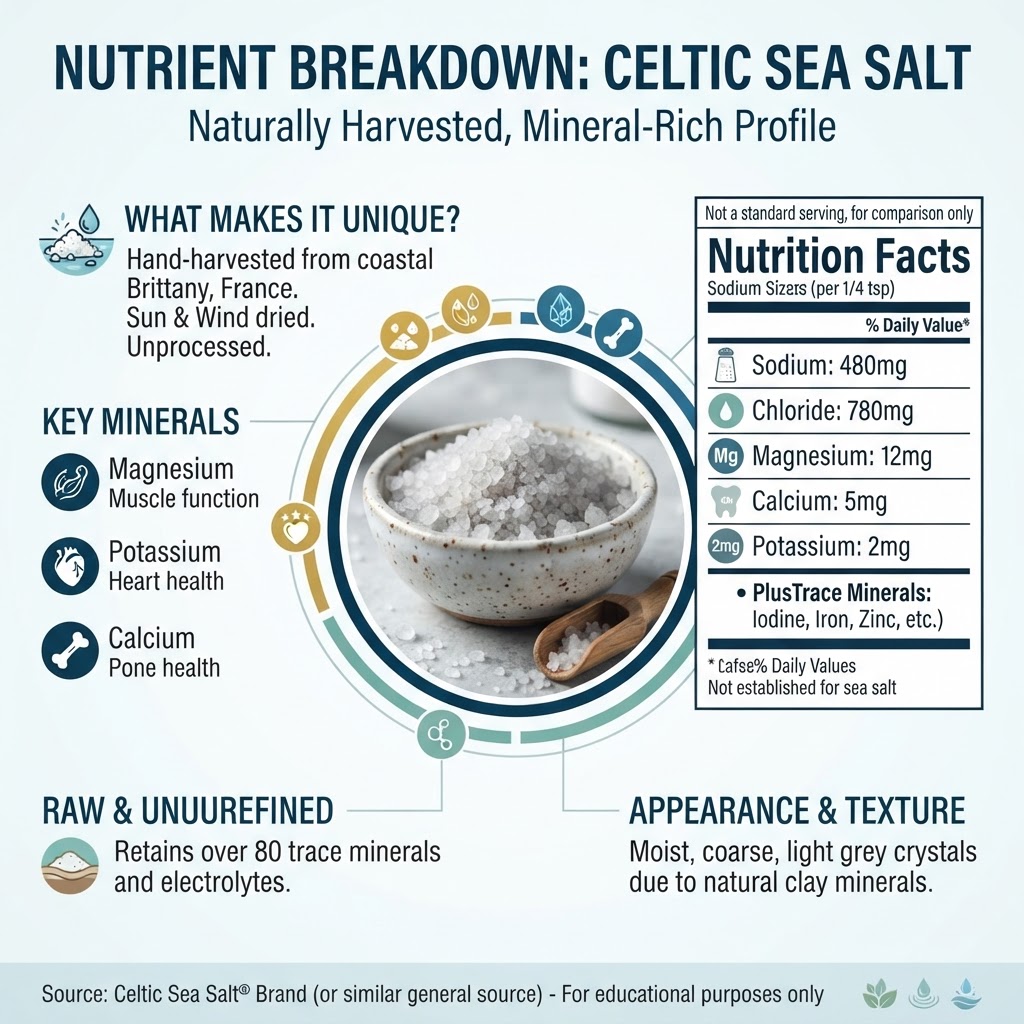
Laboratory analyses of authentic grey Celtic salt typically reveal magnesium concentrations ranging from around 0.3% to over 0.6% by weight, depending on the specific batch and harvest conditions. This may sound like a small percentage, but when you consider that a teaspoon of coarse grey salt weighs approximately six to eight grams, you are looking at between 18 and 48 milligrams of magnesium per teaspoon. The recommended daily intake of magnesium for adults is approximately 300 to 420 milligrams, depending on age and sex. While salt consumption alone cannot meet this requirement, the contribution from Celtic grey salt used regularly in cooking is genuinely non-trivial, particularly compared to the essentially zero magnesium delivered by refined iodised table salt.
The form in which magnesium exists in Celtic salt also matters. Magnesium chloride, which is the predominant magnesium compound in sea salt, is considered highly bioavailable — meaning that the body can absorb and utilise it efficiently. This is actually one of the reasons why magnesium chloride is a popular form used in standalone magnesium supplements. In Celtic salt, this magnesium chloride exists in its natural, food-matrix context, alongside dozens of other trace minerals including potassium, calcium, iron, manganese, zinc, and iodine. There is growing evidence in nutritional science that minerals consumed as part of a complex, naturally occurring matrix may be absorbed more effectively than isolated mineral compounds taken in supplement form. The synergistic relationship between minerals in whole-food sources is an active area of research, and Celtic salt's rich mineral matrix positions it as an interesting subject of study in this regard.
It is worth noting that the magnesium content in Celtic grey salt is directly related to its moisture content and grey colour. The grey hue comes from microscopic particles of clay and algae, and the dampness of the salt reflects its retained mineral-rich brine. When salt is dried, bleached, and refined — as is the case with most commercial table salts — the magnesium chloride and other hygroscopic mineral compounds are removed precisely because they attract moisture and cause salt to clump. This is why table salt requires anti-caking agents. In choosing grey Celtic salt, consumers are essentially choosing to keep those minerals intact. The moisture in grey salt is not a flaw or a sign of poor quality — it is physical evidence of the mineral richness that makes this salt nutritionally and culinarily superior to its refined counterparts. You can read more about the full mineral profile of this traditional salt in our detailed overview on the complete mineral profile of Celtic grey salt.
Health and Culinary Benefits
Magnesium plays a fundamental role in hundreds of enzymatic processes in the human body. It is involved in energy production at the cellular level, protein synthesis, muscle and nerve function, blood glucose regulation, and the structural development of bone. Given this wide-ranging biological importance, it is no surprise that adequate magnesium intake is associated with numerous positive health outcomes in the scientific literature. When we talk about the health benefits of Celtic salt in relation to its magnesium content, we are talking about supporting these foundational biological processes through dietary means — specifically, through a salt that naturally provides this essential mineral as part of its intrinsic composition.
One of the most widely discussed benefits associated with magnesium intake is its role in supporting healthy sleep patterns. Magnesium is involved in the regulation of neurotransmitters that calm the nervous system and in the production of melatonin, the hormone that governs sleep-wake cycles. Many people who switch from refined table salt to grey Celtic salt report improvements in sleep quality and muscle relaxation. While it would be scientifically irresponsible to attribute these effects entirely to the magnesium in salt — dietary habits are complex, and multiple factors influence sleep — the cumulative contribution of magnesium from all dietary sources, including Celtic salt, forms part of the overall picture. Athletes in particular have noted that using grey Celtic salt as part of their electrolyte replenishment strategy helps reduce muscle cramping and supports post-exercise recovery, outcomes that align with what we know about magnesium's role in muscle function.
From a culinary perspective, the magnesium content of Celtic grey salt is inseparable from its flavour profile. Magnesium chloride and other mineral compounds contribute a subtle complexity and mild bitterness that softens the sharp, one-dimensional taste of pure sodium chloride. Professional chefs who work with grey Celtic salt often describe it as having a rounder, more nuanced flavour that enhances food without overwhelming it. This mineral complexity means you can often use slightly less grey salt than refined salt to achieve the same level of seasoning, which is a practical benefit from a sodium intake perspective. The salt dissolves more slowly due to its coarser, moisture-retaining crystals, releasing its flavour gradually through cooking rather than all at once. This behaviour makes it particularly well suited to slow-cooked dishes, brines, and finishing applications where layered flavour development is desired.
The culinary benefits extend to baking as well. Bakers who use grey Celtic salt find that its mineral profile contributes to more complex bread flavours, and that the natural moisture in the salt interacts beneficially with dough hydration. In fermented foods, the trace minerals including magnesium in Celtic salt can support the microbial activity of beneficial bacteria and yeasts, potentially contributing to more vibrant and complex fermentation outcomes. From simple everyday cooking to the most refined professional kitchen applications, the presence of magnesium and other minerals in authentic grey Celtic salt translates into a genuinely superior culinary experience. Explore more about using Celtic salt in professional cooking in our article on Celtic salt cooking techniques for home and professional kitchens.
How to Use Celtic Salt with Magnesium in Mind — Expert Tips
If you want to maximise the nutritional and culinary benefits of the magnesium naturally present in Celtic grey salt, the way you use it matters. The first and most important principle is to avoid excessive heat exposure when it is not necessary. While cooking with Celtic salt is perfectly fine and the mineral compounds are stable at normal cooking temperatures, using grey salt primarily as a finishing salt — added to dishes just before serving or at the table — ensures that you consume the full mineral profile in its most intact form. Heat does not destroy magnesium, but some of the more volatile mineral compounds and trace elements may be altered at very high temperatures. For everyday cooking, this is not a major concern, but for those who are specifically interested in the mineral benefits, a combination of cooking salt and finishing salt usage is an excellent approach.
For those interested in electrolyte balance — particularly athletes, people who follow low-carbohydrate diets, or individuals who sweat heavily — Celtic grey salt can be used to create simple, natural electrolyte drinks. A pinch of coarse grey salt dissolved in a glass of water with a squeeze of lemon and a small amount of natural honey provides sodium, magnesium, potassium, and other trace minerals in a naturally balanced ratio. This is a far more wholesome and effective approach than many commercially packaged electrolyte products, which often contain artificial colours, sweeteners, and isolated mineral compounds. The magnesium in Celtic salt contributes directly to this electrolyte profile, making the grey salt an ideal choice for this application.
In the kitchen, consider these practical applications for getting the most from Celtic salt's magnesium content. Use coarse grey Celtic salt in brines for meat and vegetables — a magnesium-rich brine penetrates deeply into food and contributes to flavour complexity at a cellular level. Sprinkle fine grey Celtic salt over avocado, eggs, grilled fish, or roasted vegetables just before serving to add mineral depth and visual appeal. Use it in homemade salad dressings, where its slightly moist texture helps it dissolve smoothly into oil-based emulsions. Incorporate it into homemade bread and pastry doughs, where its mineral complexity will be evident in the final baked flavour. Use it to season pasta water generously — the minerals in the salt will be absorbed by the pasta during cooking, subtly enhancing the flavour of the final dish.