What Is Celtic Salt Iodized and Why It Matters in 2026
When people first discover Celtic grey salt from the ancient salt marshes of Guérande, Brittany, one of the most common questions they ask is whether this traditional sea salt is iodized. It's a perfectly reasonable concern, particularly in an era where iodine deficiency has made global headlines and public health agencies continue to remind consumers about the importance of adequate iodine intake. The short answer is that authentic Celtic grey salt is not iodized — and understanding why that matters is the foundation of making informed choices about which salt you bring into your kitchen and your body. This article explores every dimension of that question, from the history of iodization programs to the mineral-rich composition of genuine hand-harvested Celtic salt.
Iodization of table salt became a widespread public health intervention during the early twentieth century, when iodine deficiency was recognized as a leading cause of goiter and cretinism in inland populations who had little access to seafood or coastal foods naturally rich in iodine. Governments across North America and Europe began mandating or strongly recommending the addition of potassium iodide or potassium iodate to refined table salt, and the results were dramatic: rates of iodine deficiency disorders plummeted in many regions within a generation. Today, iodized salt remains one of the most cost-effective nutritional interventions in public health history. However, iodized salt is almost always a heavily refined product — stripped of its natural mineral content, bleached, and then fortified with synthetic compounds. This is the critical distinction that separates industrial iodized salt from a living, biodiverse product like Celtic grey salt.
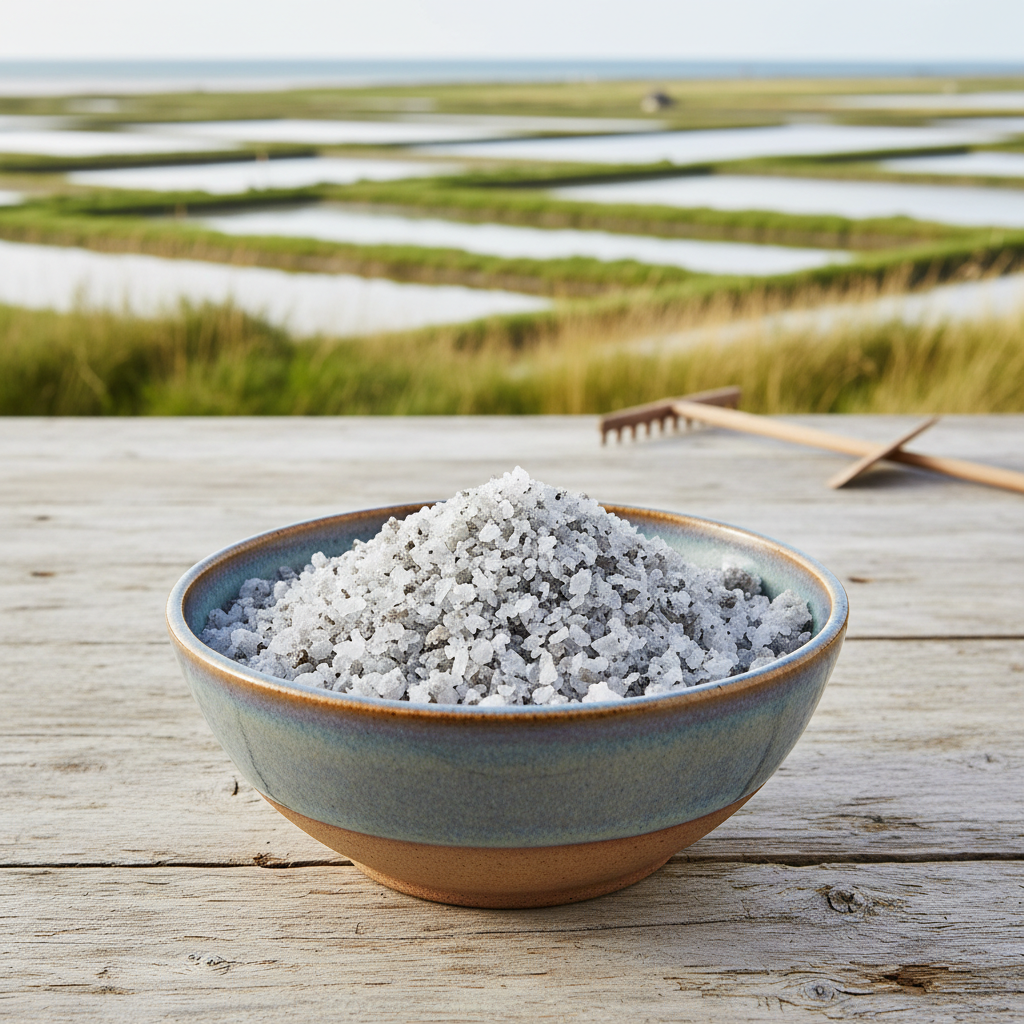
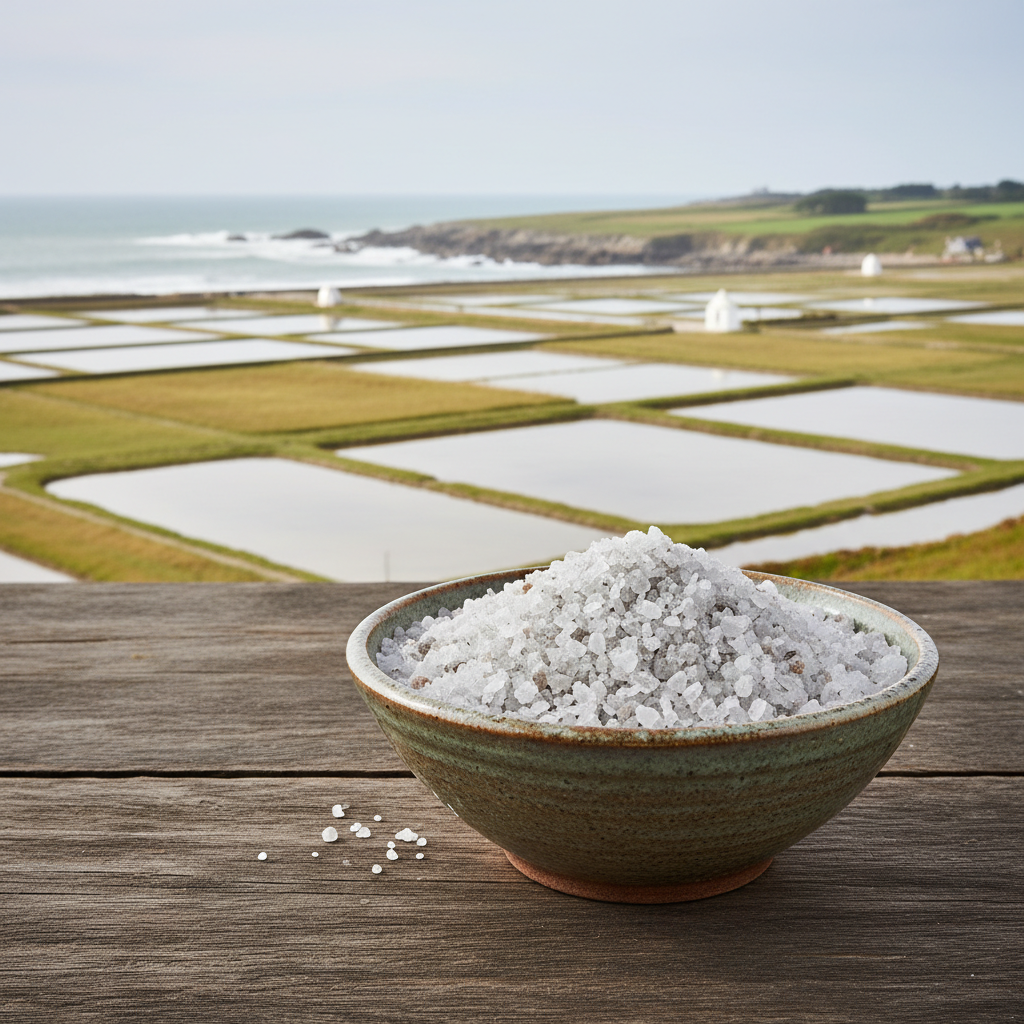
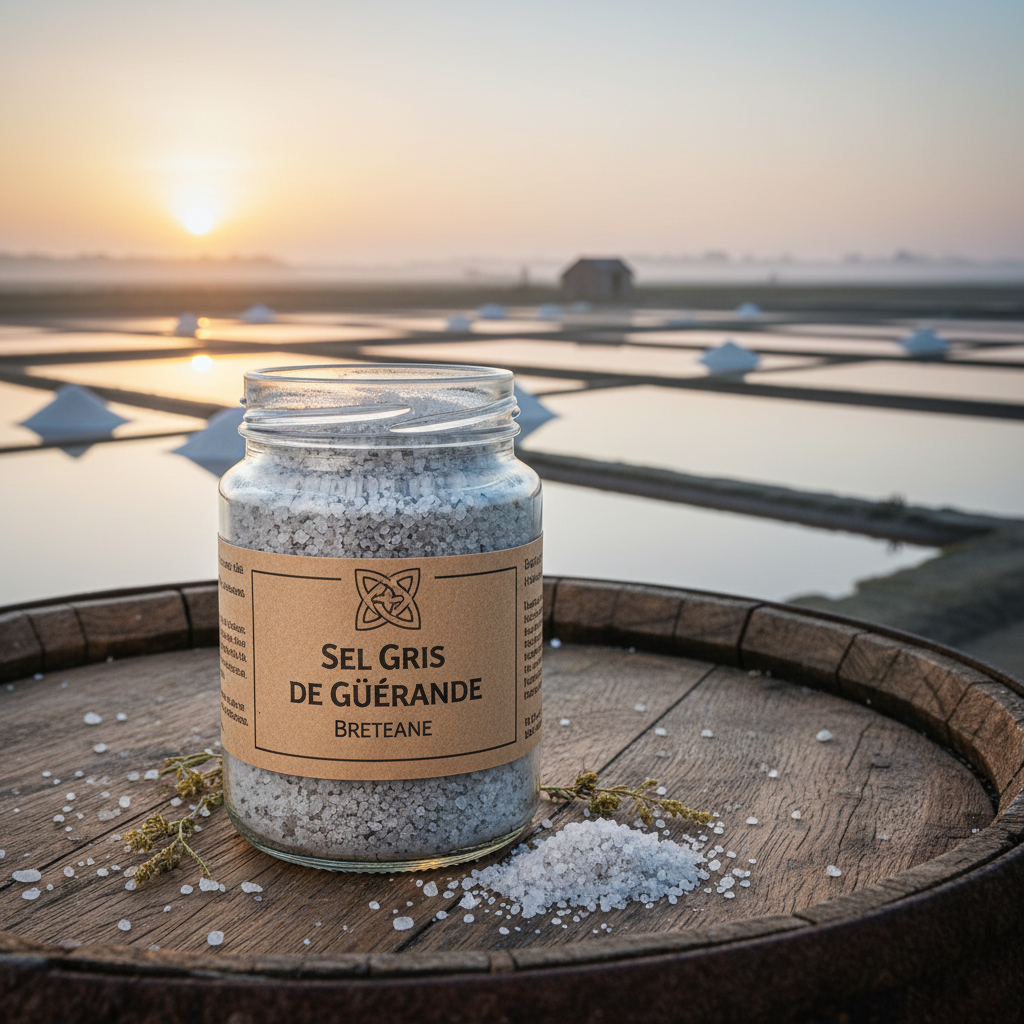
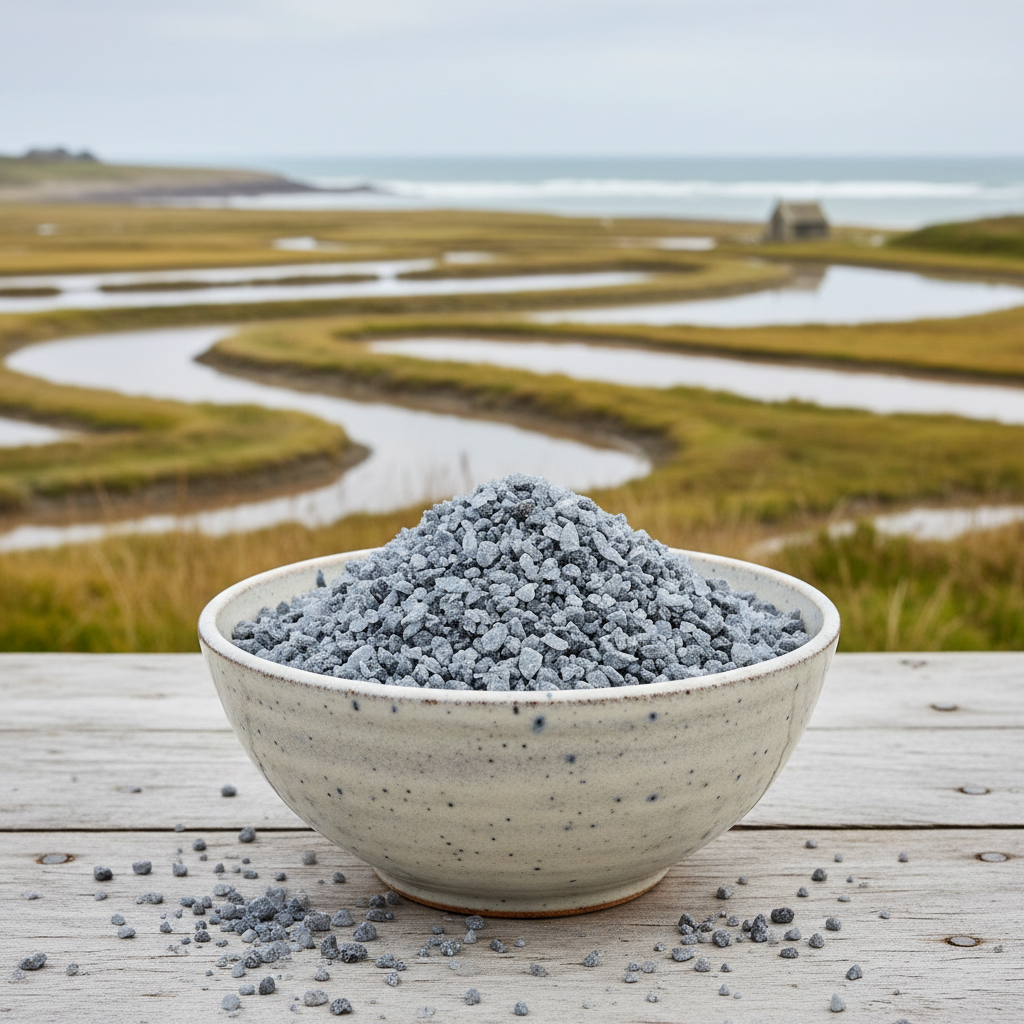
Celtic salt, harvested by hand using centuries-old wooden tools on the salt flats of Guérande in western Brittany, is a fundamentally different product from the white, free-flowing table salt most people grew up using. It retains its naturally grey hue because it is never washed, never bleached, and never stripped of the clay minerals and trace elements that give it its characteristic color and moisture. It contains naturally occurring traces of iodine alongside over eighty other trace minerals, including magnesium, potassium, calcium, zinc, and manganese. These naturally occurring minerals are not added in a laboratory — they come directly from the Atlantic Ocean water that flows through the carefully managed clay basins where paludiers (traditional salt harvesters) have worked for over a thousand years. The naturally present iodine in Celtic salt, however, is present in far smaller quantities than you would find in iodized refined salt, and this is the nuance that every consumer deserves to understand clearly.
In 2026, the conversation around iodine and salt has grown more sophisticated than ever before. Nutritional science has evolved, and so has consumer awareness. People are increasingly moving away from ultra-processed foods — including heavily refined iodized table salt — toward more natural, minimally processed alternatives. At the same time, health authorities are urging people not to abandon iodine intake altogether. For those who use Celtic grey salt as their primary culinary salt, understanding the iodine content, what it means for daily nutrition, and how to supplement wisely is more important than ever. This article serves as your definitive guide to that conversation, covering the science, the history, the practical culinary applications, and the key quality markers you should look for when purchasing authentic Celtic salt.
The Complete Guide to Celtic Salt and Iodization
To understand why Celtic salt is not iodized, you first need to understand what iodization actually involves. The iodization process typically takes place after salt has been harvested, processed, and refined. Industrial salt manufacturers dissolve raw mined salt or sea salt, filter out all impurities and minerals, evaporate the purified brine under vacuum conditions, and then add precisely measured amounts of potassium iodide or potassium iodate along with anti-caking agents like sodium aluminosilicate or ferrocyanide. The result is a perfectly white, dry, free-flowing product that stays shelf-stable for years but contains almost none of the natural trace minerals found in whole sea salt. This refined product bears almost no resemblance to Celtic grey salt, which is never subjected to any of these industrial processes.
Authentic Celtic grey salt — known in French as sel gris de Guérande — is harvested by raking the bottom of shallow salt pans called œillets. The grey color comes from the natural interaction between the brine and the clay-rich soil of the Guérande peninsula. Unlike fleur de sel, which is skimmed from the surface and is white or light pink, sel gris is harvested from the bottom of the pan and retains far more of the mineral-rich clay sediment. This moist, chunky salt is then stored in wooden or clay containers and sold without further processing. Because it is never refined, iodization would require adding it back as a separate step — and the producers of authentic Celtic salt have no reason or tradition to do so. Their product is valued precisely for what it already contains naturally.
So does Celtic grey salt contain any iodine at all? Yes — in naturally occurring trace amounts. Ocean water contains iodine, and because Celtic salt is made directly from Atlantic seawater without industrial refinement, it retains whatever iodine was present in the original brine. However, iodine is a volatile compound. During the natural evaporation process under the Brittany sun, a significant portion of any naturally present iodine can be lost. Studies on natural sea salts have found that unrefined sea salts typically contain anywhere from 0 to 10 micrograms of iodine per gram, compared to iodized table salt, which typically contains around 45 to 76 micrograms per gram in most countries. The daily recommended intake of iodine for adults is approximately 150 micrograms, meaning that if you rely solely on Celtic salt for your iodine, you will almost certainly fall short of this target through salt alone.
This is not a flaw in Celtic salt — it is simply a characteristic you need to be aware of as a consumer making intentional food choices. People who switch entirely from iodized table salt to Celtic grey salt should ensure they obtain iodine from other dietary sources. Fortunately, iodine is abundant in seafood, dairy products, eggs, and certain vegetables grown in iodine-rich soil. Seaweed in particular is one of the most concentrated natural sources of iodine available. Many people who embrace Celtic salt as part of a whole-foods, minimally processed diet also tend to eat more seafood and nutrient-dense whole foods, naturally compensating for the lower iodine content in their salt. But this connection should be made consciously, not accidentally.
It is also worth noting that the iodine in iodized table salt is not as bioavailable as it might appear on paper. Potassium iodate, the form most commonly used today because of its greater stability, must be converted by the body into iodide before it can be absorbed and used. The naturally occurring iodine compounds found in seafood and seaweed, such as iodoamino acids, may be more readily utilized by human physiology. This adds another layer of nuance to the discussion: the quantity of iodine in a food is not the only factor — its form and bioavailability matter too. While Celtic salt should not be considered an iodine source in any meaningful clinical sense, the naturally occurring minerals it does provide — particularly magnesium — are delivered in highly bioavailable ionic form that the body can readily absorb.
Health and Culinary Benefits of Celtic Grey Salt
While Celtic grey salt should not be promoted as a medicinal product or a treatment for any health condition, there is a well-established body of nutritional science supporting the idea that whole, unrefined mineral salts offer a more complex nutritional profile than refined table salt. The key distinction lies in the mineral matrix. Refined table salt is approximately 99.9% sodium chloride, with trace amounts of added iodine and anti-caking agents. Celtic grey salt, by contrast, is typically around 84% sodium chloride, with the remaining 16% composed of a diverse array of naturally occurring minerals. This lower sodium chloride percentage means that people who switch to Celtic salt as their primary seasoning salt may actually consume less sodium per gram of salt used, while simultaneously obtaining trace minerals that are often missing from modern diets.
Magnesium is perhaps the most nutritionally significant of these trace minerals. Modern diets are frequently deficient in magnesium — a mineral involved in over three hundred enzymatic reactions in the human body, including energy production, protein synthesis, muscle and nerve function, and the regulation of blood glucose levels. Celtic grey salt is one of the few culinary salts that contains meaningful quantities of magnesium chloride, absorbed directly from the clay-rich brine of the Guérande marshes. While the amount of magnesium in a typical serving of salt is not sufficient to meet daily requirements on its own, it represents a meaningful contribution that adds up over time for people who use Celtic salt consistently in their cooking. This is a genuinely nutritional characteristic, not a marketing invention.
The difference a real salt makes: Discover Celtic Grey Salt →
From a culinary perspective, the mineral richness of Celtic grey salt translates into a more complex, rounded flavor that many professional chefs actively prefer. The slight brininess, the subtle mineral undertones, and the moist, chunky texture all contribute to a seasoning experience that goes beyond simple saltiness. When used as a finishing salt — sprinkled over grilled fish, roasted vegetables, or artisan bread just before serving — Celtic grey salt adds texture as well as flavor. The individual crystals dissolve more slowly on the palate than fine table salt, creating a layered seasoning effect that enhances the perceived depth of a dish. Chefs at high-end restaurants across Europe and North America have increasingly adopted Celtic grey salt as their finishing salt of choice, valuing it for exactly these sensory characteristics.
The moisture content of authentic Celtic grey salt is another distinctive property with culinary implications. Because it is never kiln-dried or artificially desiccated, Celtic salt retains a natural dampness that can be felt when you pinch it between your fingers. This moisture comes from magnesium chloride, which is hygroscopic — it naturally attracts and retains water molecules. This property makes Celtic salt less suitable for standard salt shakers (it tends to clump) but ideal for small ceramic salt cellars kept near the stove, where pinching and sprinkling the salt directly into food gives the cook tactile feedback and intuitive control over seasoning. Many experienced cooks find that once they begin cooking with Celtic grey salt in this hands-on way, they use less salt overall, as the direct sensory engagement with the ingredient leads to more mindful seasoning.
How to Use Celtic Salt in Your Kitchen — Expert Tips
The transition from refined iodized table salt to authentic Celtic grey salt requires a few practical adjustments. The most important thing to understand is that Celtic grey salt is denser and coarser than table salt, meaning that a direct one-to-one volume substitution is not always accurate. If a recipe calls for one teaspoon of table salt and you substitute one teaspoon of coarse Celtic grey salt, you may actually be adding more sodium than intended — not because Celtic salt is more salty, but because the coarser crystals pack differently into a measuring spoon. A useful rule of thumb is to start with slightly less Celtic salt than the recipe calls for, then taste and adjust. With practice, this becomes entirely intuitive.
For everyday cooking, coarse Celtic grey salt works beautifully when added to boiling water for pasta, potatoes, or blanched vegetables. The salt dissolves readily in hot water, releasing its full mineral complexity into the cooking liquid and seasoning the food from within. Many cooks report that vegetables blanched in water seasoned with Celtic grey salt have a noticeably more vivid, rounded flavor compared to those blanched in water seasoned with standard table salt — likely because of the complex mineral profile interacting with the cellular structure of the vegetables during cooking. This is particularly noticeable with green vegetables like asparagus, broccolini, and green beans.