Hand-harvested Guérande salt · Tracked international delivery included
Guide· by Celtic Salt Editorial Team
How Much Sodium In A Teaspoon Of Celtic Salt
Food information, not medical advice. Salt remains a significant source of sodium. Trace-mineral levels can vary by harvest and product, and culinary salt should not be used as a treatment or medical electrolyte supplement.
What Is the Sodium Content in a Teaspoon of Celtic Salt and Why It Matters in 2026
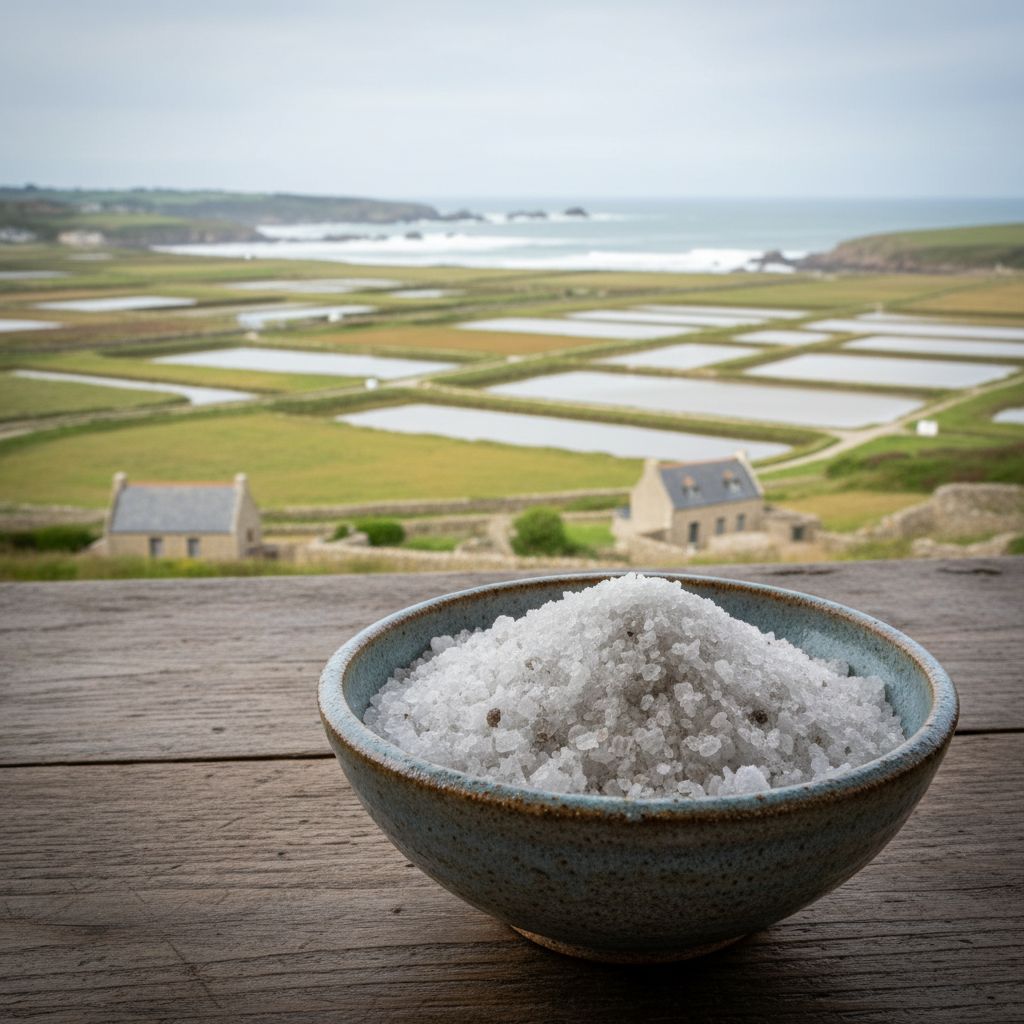
As awareness around dietary sodium continues to grow in 2026, more and more health-conscious individuals, home cooks, and nutritional professionals are turning their attention not just to how much salt they consume, but to which kind of salt they use. Celtic grey salt — the hand-harvested, mineral-rich salt produced in the ancient salt marshes of Guérande, Brittany — has become one of the most talked-about alternatives to conventional refined table salt. Yet one of the most frequently asked questions remains surprisingly underexplored: exactly how much sodium is in a teaspoon of Celtic salt, and how does this compare to other salts on the market? The answer is more nuanced than most people expect, and understanding it could genuinely change the way you season your food and think about your daily sodium intake.
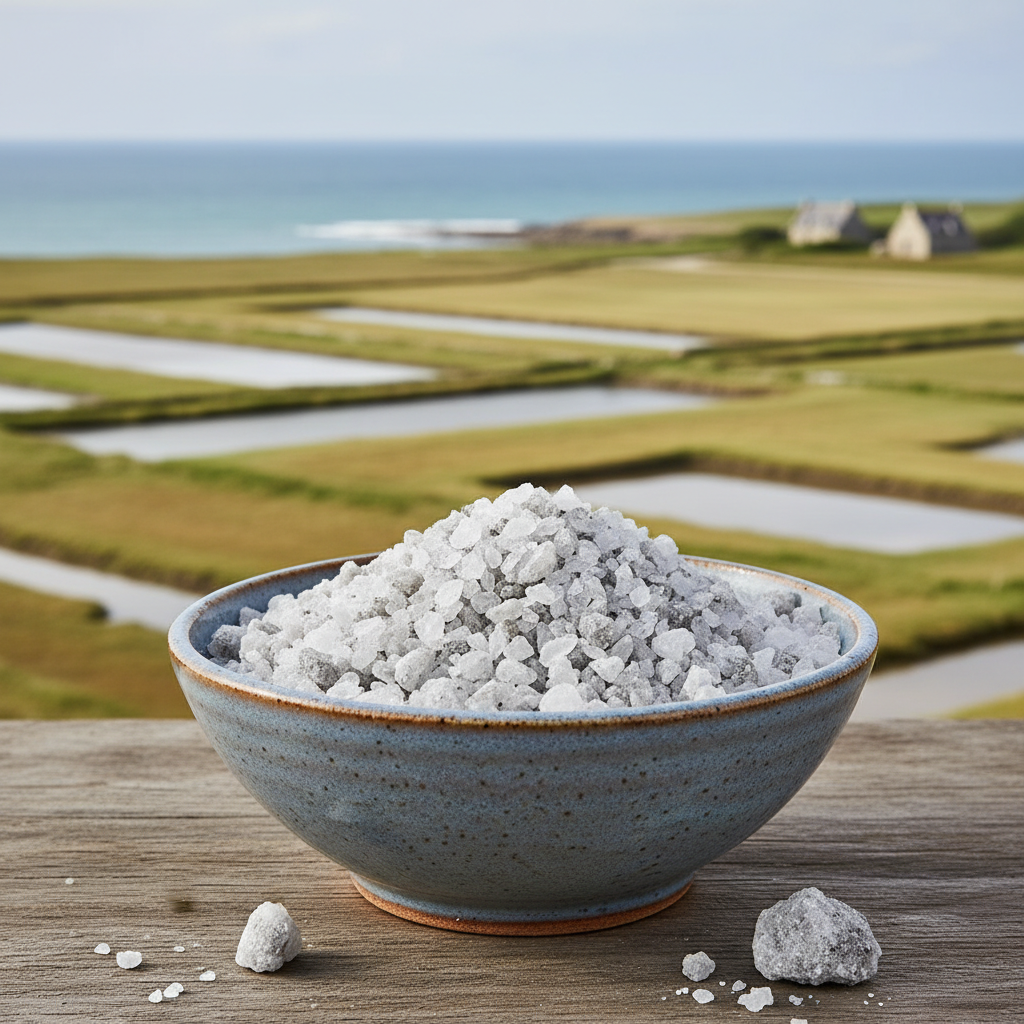
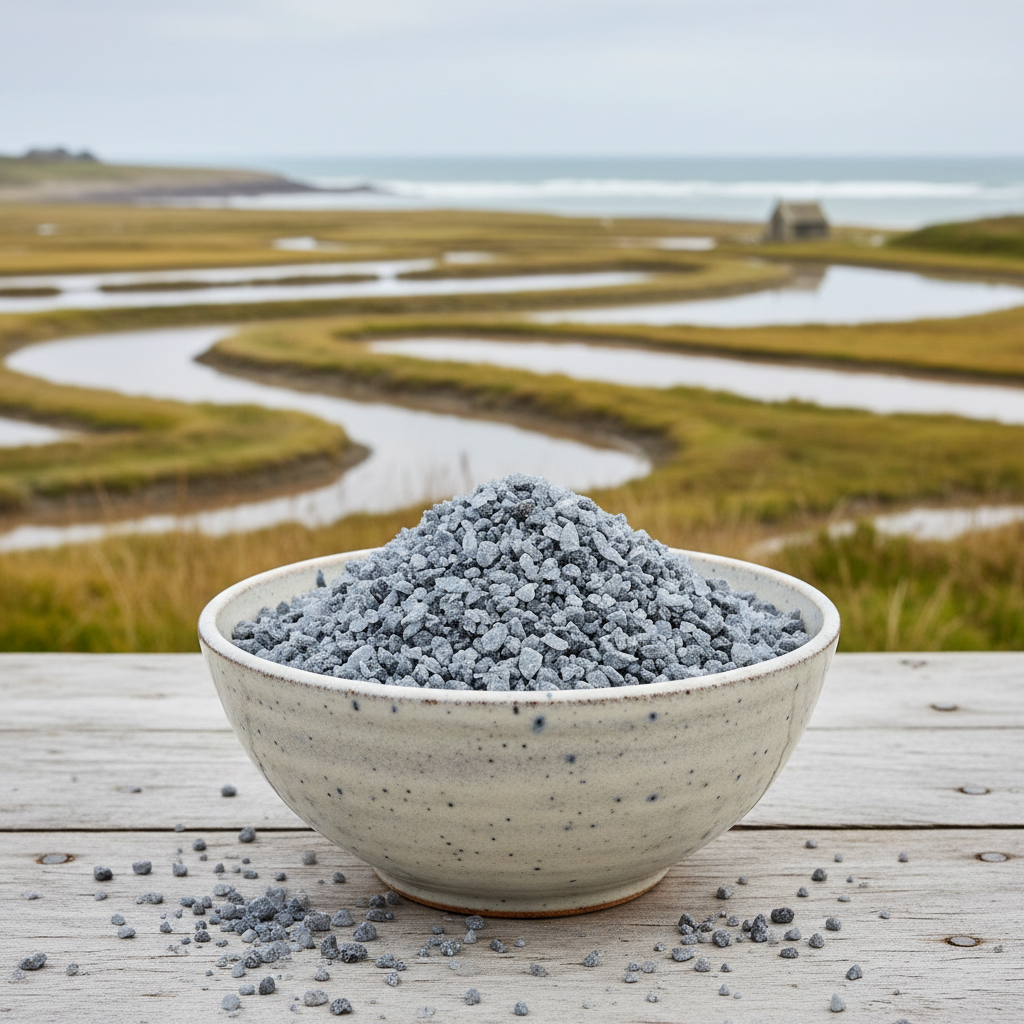
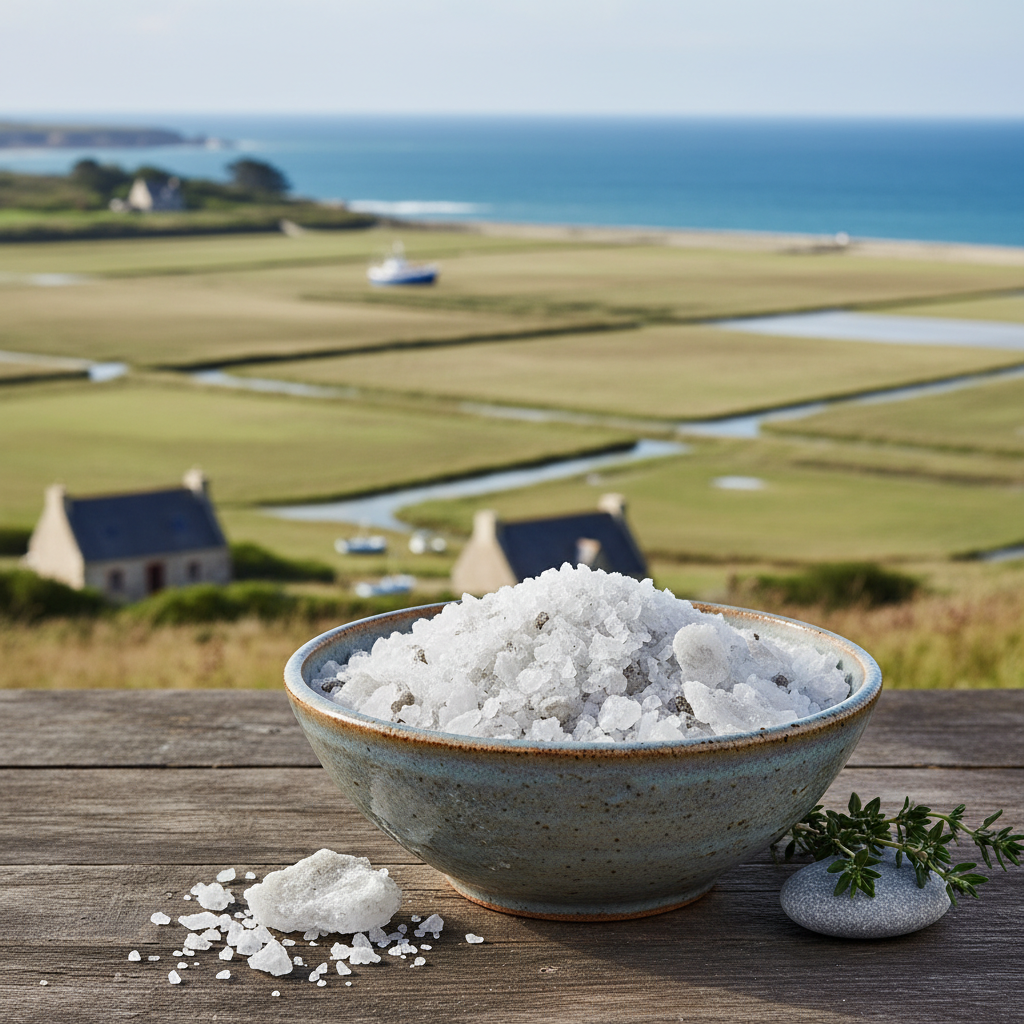
Celtic grey salt is a naturally moist, unrefined salt that retains its characteristic grey hue from the clay-lined salt pans in which it is harvested. Unlike heavily processed white table salt, Celtic grey salt is not stripped of its trace minerals, not dried at extreme temperatures, and not treated with anti-caking agents or bleaching chemicals. This means its physical and chemical composition is fundamentally different from industrial table salt. One of the most significant consequences of this difference is its sodium content per teaspoon. Because Celtic grey salt is coarser, moister, and denser in mineral complexity, a single teaspoon of this salt contains notably less sodium than the equivalent volume of fine-grain refined table salt. This distinction is critically important for anyone monitoring sodium intake for cardiovascular health, kidney function, or general dietary balance.
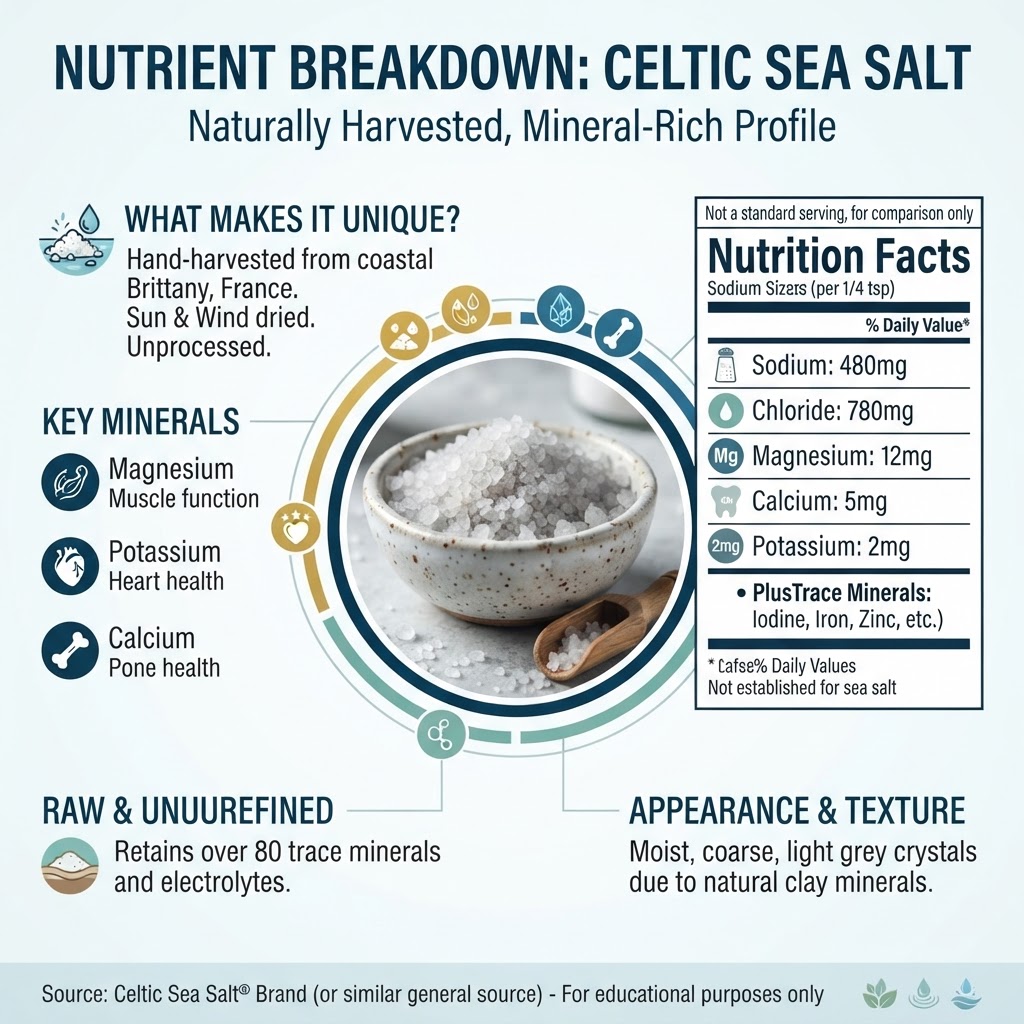
Understanding sodium levels in Celtic salt is not just a matter of culinary curiosity — it has real implications for public health conversations in 2026. Major health organisations across Europe and North America have repeatedly highlighted excessive sodium consumption as a contributing factor to hypertension, water retention, and associated cardiovascular risks. Yet the conversation often treats "salt" as a monolithic substance, failing to account for the significant variation between salt types. When you choose an unrefined, mineral-dense salt like Celtic grey salt from Guérande, you are making a choice that inherently reduces your sodium intake per teaspoon compared to conventional salt — while simultaneously introducing a broader spectrum of naturally occurring minerals including magnesium, calcium, potassium, and over 80 additional trace elements. This mineral matrix not only contributes to flavour complexity but may also play a role in how the body processes and balances sodium.
In the broader context of 2026's food culture — characterised by a surge in whole-food eating, artisan ingredient sourcing, and label transparency — knowing exactly what is in your salt and how much of it you are consuming has never been more relevant. The question of sodium content in a teaspoon of Celtic salt sits at the intersection of gastronomy, nutrition science, and sustainable food production. Throughout this comprehensive guide, we will break down the numbers clearly, explore the science behind why Celtic grey salt differs from refined alternatives, and offer practical guidance on how to incorporate this extraordinary salt into your daily life with both confidence and culinary mastery. Whether you are a seasoned chef, a nutrition-aware home cook, or simply someone trying to make better choices for your health, this article is designed to give you everything you need to know.
The Complete Guide to Sodium Content in a Teaspoon of Celtic Salt
Let us begin with the precise numbers. A standard level teaspoon of fine-grain white table salt weighs approximately 5.7 to 6 grams and contains roughly 2,300 to 2,400 milligrams of sodium — a figure that represents the entirety of most adults' recommended daily sodium intake in a single small measurement. In contrast, a level teaspoon of coarse Celtic grey salt from Guérande typically weighs between 4 and 5 grams, owing to its larger, irregular crystal structure and natural moisture content. That same teaspoon of Celtic grey salt contains approximately 1,700 to 2,000 milligrams of sodium. This means you are automatically consuming somewhere between 15% and 30% less sodium per teaspoon simply by switching from refined white salt to authentic Celtic grey salt — without any conscious effort to reduce the amount you use.
The reason for this sodium reduction comes down to physics and chemistry. Refined table salt is processed to achieve a fine, uniform crystal that packs tightly into measuring spoons, maximising the density of salt — and therefore sodium — per unit of volume. Celtic grey salt, on the other hand, retains its natural moisture (typically between 10% and 13% water content), its irregular crystal shapes, and the air pockets that naturally occur between larger grains. All of these factors mean that when you fill a teaspoon with Celtic grey salt, you are filling a portion of that space with moisture and air rather than pure sodium chloride. The result is a naturally lower sodium density per volume measurement. This is not a flaw or a dilution — it is an inherent quality of a genuinely unrefined salt that has not been engineered for maximum packing efficiency.
It is also important to understand that the sodium in Celtic grey salt is accompanied by a rich array of other minerals. While refined table salt is approximately 97% to 99.9% pure sodium chloride, authentic Guérande Celtic grey salt contains closer to 84% to 87% sodium chloride, with the remaining percentage comprising naturally occurring minerals and trace elements. These include magnesium (often found in concentrations of 0.3% to 0.5%), calcium, potassium, iodine, iron, and many others. This broader mineral profile does not merely reduce the sodium percentage — it actively contributes to the salt's flavour, its culinary behaviour, and its relationship with the body's complex mineral-balancing systems. The magnesium content, in particular, is frequently highlighted by nutrition researchers as complementary to healthy sodium metabolism.
For those who use measuring spoons in cooking — a common practice in baking, sauce preparation, and recipe development — understanding this volume-to-sodium relationship is essential for accurate recipe adaptation. If you are converting a recipe that calls for standard fine table salt to use Celtic grey salt instead, you can generally use a slightly larger volume to achieve a similar salinity, while still ending up with less total sodium than the original recipe specified. As a practical rule of thumb, if a recipe calls for one teaspoon of fine white salt, using one and a quarter teaspoons of coarse Celtic grey salt will deliver a similar level of perceived saltiness while keeping sodium levels comparable or slightly lower. This is an adjustment that takes minutes to learn but yields meaningful long-term dietary benefits.
For those tracking sodium intake with precision — as recommended for individuals managing hypertension, kidney conditions, or cardiovascular risk factors — weighing salt by gram rather than measuring by volume is always the most accurate approach. One gram of Celtic grey salt contains approximately 370 to 390 milligrams of sodium. Using this figure, you can calculate your sodium consumption with reasonable precision regardless of the crystal size or moisture content of the particular batch of salt you are using. Many premium scales used in modern kitchens can measure down to 0.1 grams, making this level of precision entirely achievable for home cooks who wish to be rigorous about their mineral intake.
Health and Culinary Benefits of Celtic Grey Salt
The health and culinary appeal of Celtic grey salt extends well beyond its lower sodium-per-teaspoon profile. The salt's rich mineral content, natural harvesting methods, and distinctive flavour characteristics make it a uniquely valuable ingredient in both the kitchen and as part of a thoughtful approach to nutrition. While no salt should be considered a health supplement or medical treatment, the naturally occurring minerals in Celtic grey salt offer properties that refined salt simply cannot replicate. The magnesium content, for example, is of particular interest to nutritionists and researchers. Magnesium is a mineral that many adults in Western populations are deficient in, and while salt is not a primary dietary source, the presence of magnesium in Celtic grey salt contributes to its overall mineral balance in a way that pure sodium chloride does not.
From a culinary standpoint, Celtic grey salt from Guérande is celebrated by professional chefs and passionate home cooks alike for its complex, briny, slightly earthy flavour. This flavour complexity is a direct result of the mineral matrix surrounding each crystal. Where refined table salt delivers a sharp, one-dimensional saltiness, Celtic grey salt provides a layered taste experience that enhances food rather than simply overwhelming it with sodium. Chefs use it as a finishing salt on grilled meats, roasted vegetables, fresh bread, and even certain desserts where a counterpoint of savoury mineral depth enhances sweetness. Its moist texture also means it adheres readily to food surfaces, distributing evenly and dissolving at a rate that allows flavours to bloom gradually.
The natural moisture retention in Celtic grey salt also has a practical benefit in cooking: it dissolves more slowly than dry refined salt, which means it releases its flavour over time rather than all at once. This is particularly advantageous in slow-cooked dishes, marinades, and brines, where a gradual release of saline flavour creates a more balanced, penetrating seasoning throughout the dish. Many chefs who have switched to Celtic grey salt report needing to use less salt overall to achieve the same perceived level of seasoning, largely because the complex mineral flavours give the impression of greater depth without requiring higher sodium concentrations. This aligns perfectly with the sodium-reduction benefits discussed in the previous section.
There is also a growing body of interest — though it is important to note this does not constitute medical endorsement — in the relationship between naturally mineral-rich salts and hydration. The electrolyte profile of Celtic grey salt, which includes not just sodium but also potassium, magnesium, and calcium, mirrors in some ways the composition of electrolyte drinks used in sports nutrition. For individuals who use salt as part of their hydration strategy during exercise or recovery, the broader mineral spectrum of Celtic grey salt may offer a more balanced electrolyte replacement than pure sodium chloride. Athletes, yoga practitioners, and those following active lifestyles increasingly seek out Celtic grey salt for this reason. Discover more about Celtic salt and hydration benefits to understand how this mineral-rich salt supports active lifestyles.
How to Use Celtic Grey Salt — Expert Tips for Maximum Benefit
Using Celtic grey salt effectively requires a slightly different approach than using conventional table salt, primarily because of its larger crystal size, higher moisture content, and richer flavour profile. The good news is that once you understand the basic principles, adapting your cooking technique is straightforward and deeply rewarding. The first and most important tip is to avoid adding Celtic grey salt directly into a salt shaker designed for fine-grain salt. The moisture content and larger crystal size will cause clogging and uneven distribution. Instead, keep your Celtic grey salt in a small open ceramic or wooden salt cellar, and use your fingertips to pinch and apply it — a technique that also gives you more tactile control over how much you are using.
When cooking pasta, vegetables, or grains in boiling water, Celtic grey salt performs beautifully. Use it as you would any quality salt, adding it to the water before boiling. The coarser grains dissolve fully in water, releasing their mineral content into the cooking liquid and, in turn, into your food. For pasta, the commonly recommended ratio is approximately one teaspoon of Celtic grey salt per litre of water — this will deliver a gently saline cooking environment without oversalting the finished dish. Because Celtic grey salt contains less sodium per teaspoon than refined salt, this ratio is both flavourful and relatively gentle on daily sodium intake.