Hand-harvested Guérande salt · Tracked international delivery included
Guide· by Celtic Salt Editorial Team
How Much Magnesium Does Celtic Salt Have
Food information, not medical advice. Salt remains a significant source of sodium. Trace-mineral levels can vary by harvest and product, and culinary salt should not be used as a treatment or medical electrolyte supplement.
What Is the Magnesium Content of Celtic Salt and Why It Matters in 2026
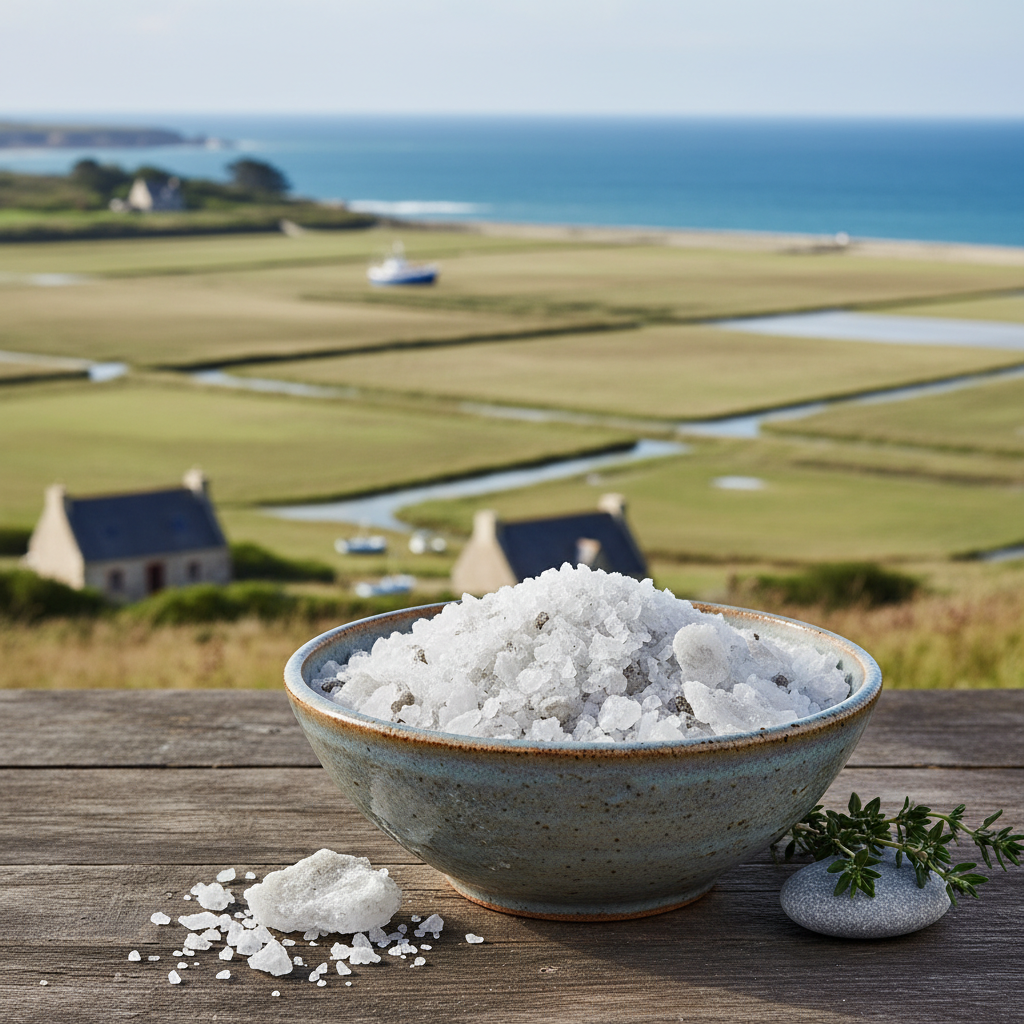
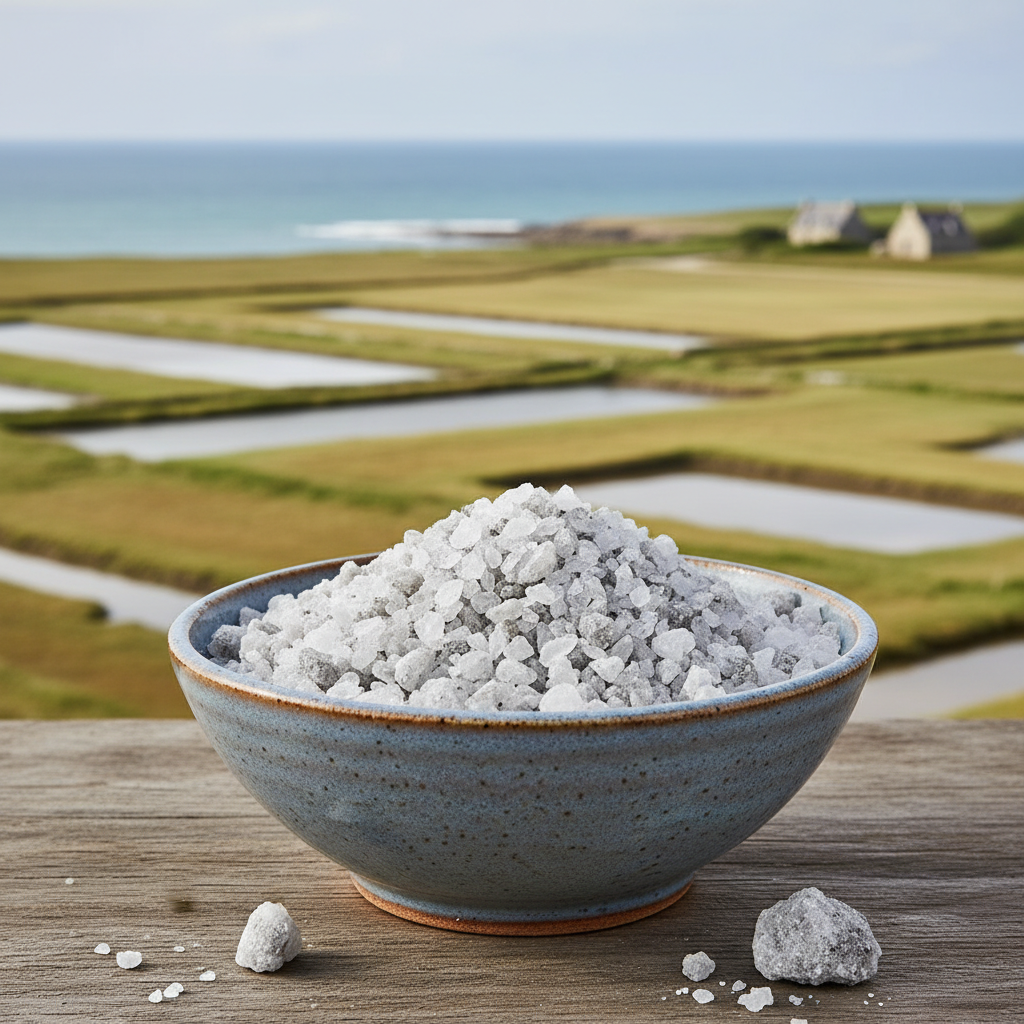
Celtic salt, the revered grey sea salt harvested by hand from the ancient salt marshes of Guérande in Brittany, France, is increasingly recognised not just as a culinary ingredient but as a meaningful dietary source of essential trace minerals — chief among them, magnesium. As modern diets drift further from whole, unprocessed foods and closer to ultra-refined, mineral-stripped alternatives, understanding the magnesium content of Celtic salt can shed light on its role in promoting optimal health.
The Nutritional Profile of Celtic Salt
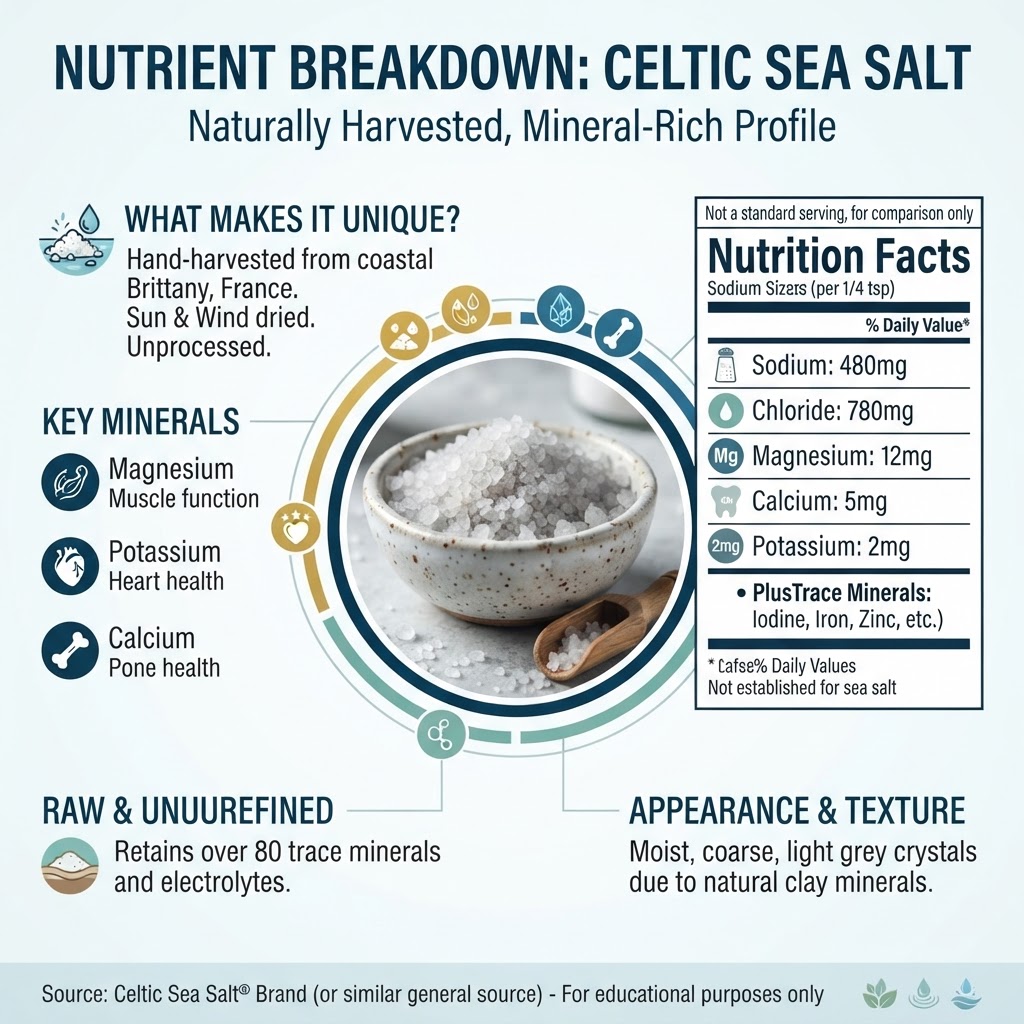
Celtic salt is not just any ordinary salt. It is harvested using traditional methods that have been preserved over centuries. The salt crystals retain a unique grey tint due to the clay from the salt marshes where they form, and this rich mineral content gives Celtic salt its signature flavor and health benefits. On average, Celtic salt contains approximately 10-15% of magnesium by weight, varying depending on the batch and specific harvesting conditions.
In addition to magnesium, Celtic salt is also a source of other vital minerals, including calcium, potassium, and iron. The diverse mineral profile essentially makes it a more nutritious alternative to conventional table salt, which is typically stripped of its trace minerals.
Health Benefits of Magnesium
Magnesium plays an essential role in the human body, contributing to numerous physiological processes. It supports nerve and muscle function, regulates blood sugar levels, and is involved in protein synthesis. Additionally, magnesium is crucial for maintaining bone health, aiding in the absorption of calcium.
Nerve and Muscle Function: Magnesium helps conduct nerve signals and muscle contractions, making it important for overall physical performance.
Blood Pressure Regulation: Adequate magnesium intake can help regulate blood pressure, reducing the risk of cardiovascular diseases.
Bone Health: Magnesium, along with calcium, is vital for bone density and strength.
Stress Reduction: Magnesium has been shown to help alleviate anxiety and support mental well-being.
Energy Production: It plays a role in the body’s energy production mechanisms, aiding in the conversion of food into energy.
How Does Celtic Salt Compare to Other Salts?
When comparing Celtic salt to other common salts, such as table salt and Himalayan pink salt, the differences in mineral content become apparent. Table salt, primarily comprised of sodium chloride, often lacks essential minerals, while Himalayan salt is known for its trace minerals but may contain less magnesium than Celtic salt.
Type of Salt
Magnesium Content (per 100g)
Other Minerals
Celtic Salt
10-15%
Calcium, Potassium, Iron, Trace Minerals
Table Salt
0%
Primarily Sodium Chloride
Himalayan Salt
2-4%
Calcium, Potassium, Iron, Trace Minerals
How to Incorporate Celtic Salt into Your Diet
Incorporating Celtic salt into your meals can be a simple yet effective way to increase your magnesium intake. Here are some practical tips:
Cooking: Use Celtic salt to season vegetables, meats, and fish. Its unique flavor enhances dishes while providing essential minerals.
Finishing Touch: Sprinkle Celtic salt over roasted vegetables or salads right before serving to preserve its mineral content.
Beverages: Some health enthusiasts add a pinch of Celtic salt to their smoothies or water for added electrolyte balance.
It’s important to enjoy Celtic salt in moderation, just like any other salt, ensuring that your overall sodium intake remains within recommended levels.
Frequently Asked Questions
1. Is Celtic salt better for you than regular table salt?
Yes, Celtic salt contains trace minerals, including magnesium, which regular table salt generally lacks, making it a more nutritious choice.
2. How does the magnesium content of Celtic salt vary?
The magnesium content can vary depending on the batch and where the salt is harvested, typically ranging from 10-15% by weight.
3. Can I use Celtic salt in baking?
Absolutely! Celtic salt can be used in baked goods, but be mindful of its mineral-rich properties which may alter the flavor.
4. Is Celtic salt safe for everyone?
Generally, Celtic salt is safe for most people. However, those on sodium-restricted diets should consult with a healthcare provider.
5. How should I store Celtic salt?
Store Celtic salt in a cool, dry place in an airtight container to maintain its quality and prevent clumping.
6. Does Celtic salt contain any additives?
High-quality Celtic salt contains no additives, making it a natural choice compared to some commercial salts.
7. What dishes pair well with Celtic salt?
Celtic salt pairs beautifully with roasted vegetables, grilled meats, seafood dishes, and even desserts for a hint of saltiness.
8. How can I tell if I have authentic Celtic salt?
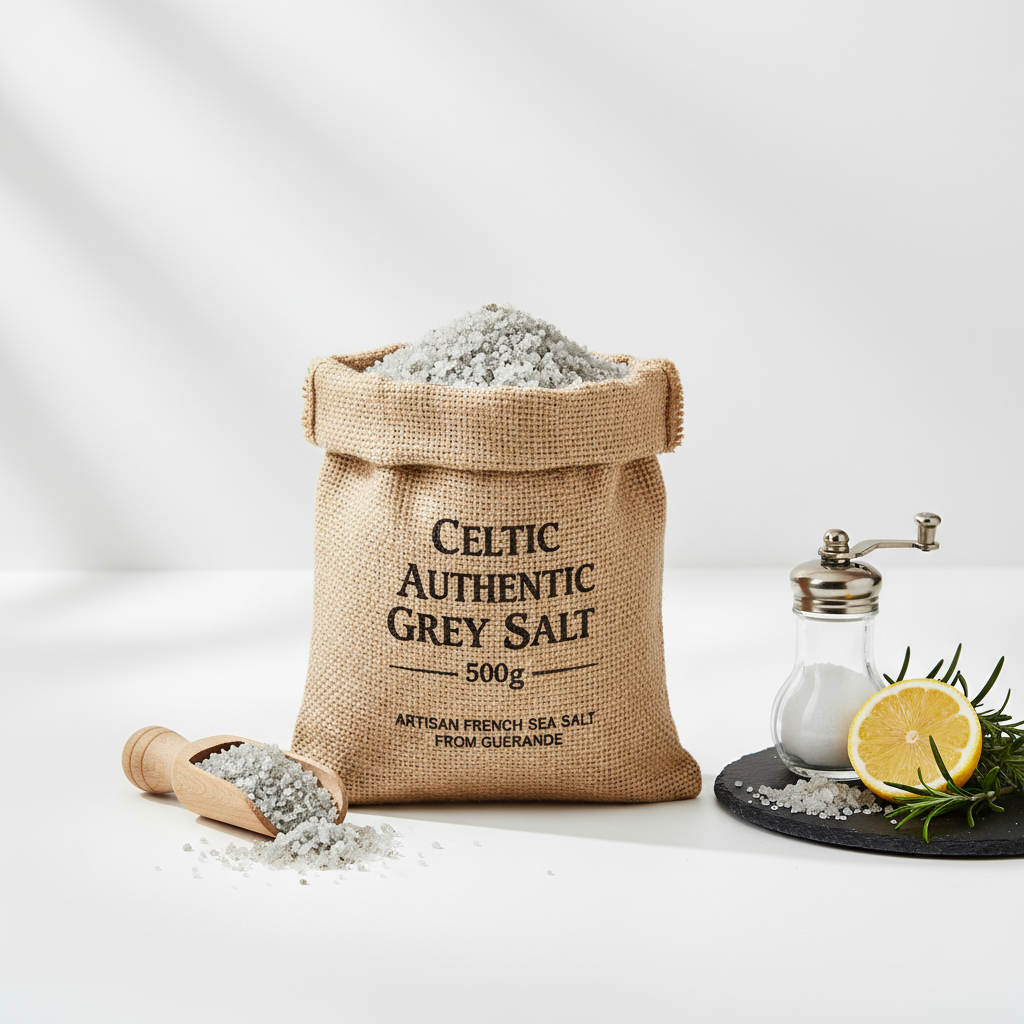
Authentic Celtic salt often comes in a grey hue and may have a moist texture. Look for packaging that indicates it is harvested from Guérande or similar sources.
Conclusion
In a world where dietary choices significantly influence health outcomes, Celtic salt stands out as a valuable addition to the modern kitchen. Its rich magnesium content, along with other trace minerals, supports multiple facets of health, making it a sensible alternative to conventional salt. With its unique flavor profile and health benefits, incorporating Celtic salt into your diet is an easy way to enhance your meals while prioritizing your health.
Independent laboratory analyses of authentic Guérande grey salt consistently reveal a magnesium content in the range of 0.4% to 1.2% by dry weight. To contextualise this practically: a standard teaspoon of Celtic grey salt weighs approximately 5 to 6 grams. At 0.5% magnesium content, that teaspoon delivers approximately 25 to 30 milligrams of magnesium. At the higher end of 1.0%, the same teaspoon could provide 50 to 60 milligrams — representing roughly 12 to 15% of the adult recommended daily intake of magnesium in Europe, which sits at around 375 milligrams per day. Given that most adults use one to two teaspoons of salt daily across cooking, finishing, and seasoning, the cumulative contribution of authentic grey salt to daily magnesium intake is genuinely meaningful, particularly when every other refined salt in that context would contribute zero.
The variability in magnesium content across different batches and grades of Celtic salt is worth understanding. The finest grade, known as Fleur de Sel, is the delicate crystalline crust that forms on the surface of the water on warm, dry, windless days. While Fleur de Sel from Guérande is celebrated for its extraordinary flavour and light, flaky texture, its magnesium content tends to be slightly lower than that of coarser grey salt, because it is harvested before full mineral saturation occurs. The classic grey salt — harvested from the bottom of the salt pan and carrying that characteristic damp, moist texture — contains the highest concentrations of magnesium, as the prolonged contact with the mineral-rich clay base and the concentrated brine allows for maximum mineral uptake into the salt crystals.
It is also important to understand the form in which magnesium occurs in Celtic salt. Unlike the magnesium oxide, magnesium citrate, or magnesium glycinate found in supplement capsules, the magnesium in genuine grey sea salt exists as magnesium chloride — a naturally occurring ionic form that has been present in seawater and traditional salt for millennia. Magnesium chloride is considered by many nutritional researchers to be among the most bioavailable forms of magnesium available, absorbing readily in the digestive tract. Furthermore, because it occurs alongside dozens of other complementary trace minerals in Celtic salt, including potassium, calcium, and various sulphates, there is a natural synergism that may enhance the overall mineral absorption profile compared to isolated supplements. This concept of food-form mineral complexity is at the heart of why traditional salts have been valued by traditional food cultures for generations.
Moisture content is another distinguishing factor that relates directly to magnesium richness. Authentic Celtic grey salt is naturally moist — a characteristic that confounds those accustomed to dry, free-flowing table salt but is actually a sign of mineral integrity. The residual brine, known as bittern or nigari in some culinary traditions, is extraordinarily rich in magnesium chloride. Processors of authentic Guérande salt do not remove this brine, meaning the magnesium it carries remains bound to the salt crystals and is delivered to your food and body with every use. If your grey salt is bone dry and free-flowing, it has likely been heat-dried or processed in ways that reduce its magnesium content. Genuine Celtic salt should feel slightly damp and may even clump slightly — these are features, not flaws, and are direct indicators of intact mineral content including magnesium.
For those tracking precise magnesium intake, it is worth noting that cooking methods can slightly affect the mineral delivery from salt. When Celtic salt is dissolved in water for boiling vegetables or pasta, the magnesium enters the cooking water and some will be absorbed by the food. When used as a finishing salt sprinkled directly onto food before eating, the magnesium is consumed directly without any dilution effect. Both methods are valuable and contribute to dietary magnesium intake, but finishing-salt use represents the most direct and immediate mineral delivery. Explore our guide to using Celtic salt in cooking for more techniques that maximise both flavour and mineral benefit.
Health and Culinary Benefits of Magnesium-Rich Celtic Salt
The health significance of the magnesium found in authentic Celtic grey salt should be understood within the framework of overall dietary patterns rather than as a standalone medical intervention. While we make no specific medical claims, the peer-reviewed nutritional literature paints a compelling picture of why magnesium matters and why obtaining it from food-form sources like traditional sea salt is a sensible approach. Magnesium participates in over 300 enzymatic reactions in the human body, according to established biochemistry. It plays a foundational role in energy production at the cellular level, protein synthesis, the regulation of nerve and muscle function, blood glucose management, and the structural development of bone. In short, it is a mineral with pervasive biological importance, and most adults in developed countries are not consuming enough of it.
One of the most practically appreciated benefits associated with adequate magnesium intake — and one that many Celtic salt users report anecdotally — relates to muscle function and recovery. Magnesium is essential for proper muscle relaxation following contraction. When magnesium levels are low, muscles may remain partially contracted, contributing to the cramping and tension that many people experience, particularly in the calves and feet during the night. Athletes, active individuals, and those who spend long hours on their feet frequently notice improvements in muscle comfort and recovery when they transition from mineral-stripped refined salt to a mineral-rich alternative like genuine Guérande grey salt. This is not a cure or treatment, but simply the physiological outcome of providing the body with a mineral it requires and has historically obtained through traditional, unrefined food sources.
From a cardiovascular and electrolyte perspective, the combination of sodium, magnesium, and potassium found naturally in authentic Celtic salt mirrors, to a meaningful degree, the electrolyte balance that the human body maintains in its fluids. Refined table salt delivers only sodium chloride, creating a lopsided electrolyte input that requires the body to source potassium and magnesium entirely from other dietary sources. Genuine grey salt, by contrast, delivers these complementary electrolytes together in naturally occurring proportions, which may support better overall electrolyte balance — particularly relevant for athletes, those in hot climates, or anyone who sweats heavily. The naturally occurring magnesium in Celtic salt contributes to this broader electrolyte story in a way that adds genuine value beyond simple sodium delivery.
On the culinary side, the magnesium content of Celtic salt is inseparable from its exceptional flavour profile. The trace minerals, including magnesium, contribute a complex, oceanic depth that white refined salt simply cannot replicate. Chefs and food writers who have worked extensively with authentic Guérande grey salt consistently describe a rounded, satisfying saltiness with subtle mineral notes — sometimes characterised as briny, clean, or faintly sweet. This mineral complexity means that many cooks find they use less Celtic salt to achieve the desired level of seasoning compared to refined salt, because the fuller flavour satisfies the palate with smaller quantities. From a health perspective, this lower usage threshold is a welcome bonus: you receive the mineral benefits of authentic grey salt while potentially reducing overall sodium intake compared to heavy use of flat-tasting refined alternatives. Read our detailed mineral comparison between Celtic salt and table salt for a full side-by-side breakdown.
The alkalising potential of mineral-rich salts is another area of ongoing nutritional discussion. Some researchers and nutritional practitioners propose that the presence of minerals like magnesium and potassium in traditional salts may contribute to a more balanced acid-base environment in the body compared to the exclusively acidic-leaning ionic profile of pure sodium chloride. While the science here is still developing and we present this as an area of interest rather than established fact, it represents one of many reasons why the mineral complexity of authentic Celtic grey salt — and the magnesium it contains — is viewed favourably by nutritionally conscious consumers and practitioners.
How to Use Magnesium-Rich Celtic Salt — Expert Tips and Practical Guidance