Hand-harvested Guérande salt · Tracked international delivery included
Guide· by Celtic Salt Editorial Team
Celtic Salt and Electrolytes: What Minerals It Actually Contains
What Is Celtic Salt and Electrolytes: What Minerals It Actually Contains and Why It Matters in 2026
In a world where wellness culture has become increasingly sophisticated, the conversation around electrolytes has moved far beyond sports drinks loaded with artificial colours and refined sugar. People are asking deeper, more nuanced questions: where do their minerals come from, how were they processed, and what is actually left in the salt after it reaches their table? Celtic grey salt — harvested by hand from the ancient salt marshes of Guérande in Brittany, France — has emerged as one of the most compelling answers to all three of those questions. Unlike highly refined white table salt, which is stripped of virtually every trace mineral during industrial processing, authentic Celtic grey salt retains the naturally occurring mineral profile of the Atlantic seawater from which it is drawn. This distinction is not merely cosmetic or philosophical. It has genuine, measurable implications for electrolyte balance, hydration, and overall mineral intake.
The term "electrolyte" refers to minerals that carry an electrical charge when dissolved in water. Inside the human body, electrolytes govern a staggering range of functions: the contraction of muscles, the firing of neurons, the regulation of fluid inside and outside cells, the maintenance of blood pH, the pumping of the heart, and the transmission of nerve signals from the brain to every organ and limb. Without an adequate supply of these charged minerals, even a healthy, well-nourished person will begin to experience fatigue, cramping, brain fog, irregular heartbeat, and in severe cases, life-threatening complications. The body cannot manufacture electrolytes on its own — they must come from dietary sources. For most of human history, unrefined salt was the primary dietary vehicle for delivering a broad spectrum of these minerals in one convenient, bioavailable package. Celtic grey salt represents a living continuation of that ancient tradition, preserved through centuries of artisanal craftsmanship along the Atlantic coast of France.
What makes 2026 a particularly important moment to understand Celtic salt and its mineral content is the convergence of several major cultural and scientific trends. The low-sodium narrative that dominated nutritional guidance for decades is being re-examined in the context of overall mineral balance. Endurance sports, intermittent fasting, ketogenic diets, and high-heat climates all dramatically increase electrolyte requirements, sending athletes, biohackers, and everyday wellness enthusiasts searching for natural, food-based solutions. At the same time, soil depletion and ultra-processed food consumption mean that many people in the modern world are chronically deficient not just in sodium but in magnesium, potassium, and a range of trace minerals that their ancestors consumed daily without a second thought. Celtic grey salt, with its characteristically damp texture, distinctive grey hue, and complex mineral profile, offers a beautifully simple and historically proven way to address several of these deficiencies simultaneously.
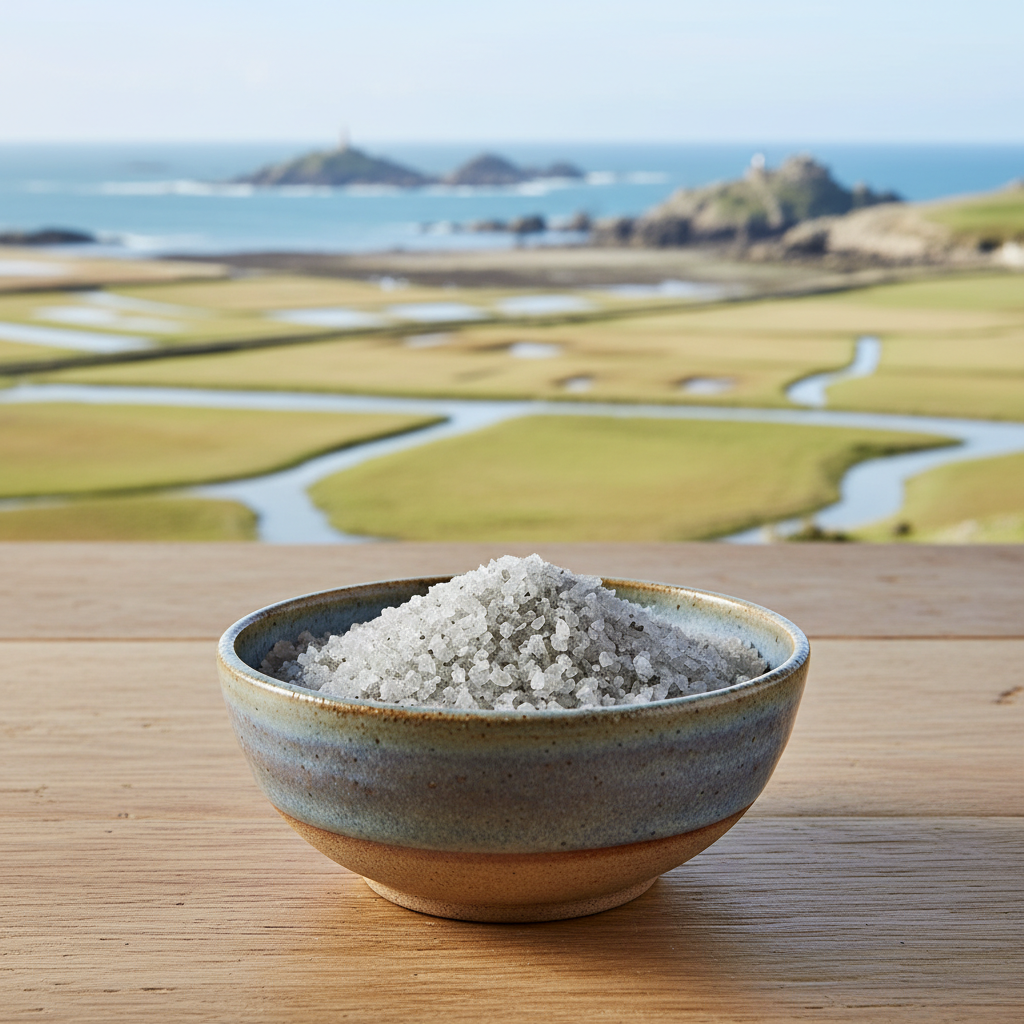
The story of Celtic salt is inseparable from the geography and ecology of the Guérande peninsula. The salt marshes — called marais salants in French — are a UNESCO-protected landscape that has been carefully managed for over a thousand years. Paludiers, the traditional salt farmers of Brittany, use wooden tools to guide Atlantic seawater through a series of shallow clay-lined basins, allowing the sun and wind to gradually evaporate the water and concentrate the minerals. The grey colour of the finished salt comes from the mineral-rich clay of the marsh floor, which contributes additional trace elements to the final product. This is not a flaw or a sign of contamination — it is the visual signature of authenticity and mineral density. When you hold authentic Celtic grey salt in your hand, you are holding a product that has been shaped by the tides, the Atlantic winds, the Breton clay, and the skilled hands of craftspeople who have inherited their knowledge across generations. Understanding the mineral profile within that salt is the first step toward understanding why it is genuinely different from every other salt on the market.
The Complete Guide to Celtic Salt and Electrolytes: What Minerals It Actually Contains
Let us begin with the foundational mineral: sodium. Celtic grey salt, like all salt, contains sodium chloride as its primary component. However, unlike refined table salt which is typically 99.9% sodium chloride with added anti-caking agents, authentic Celtic grey salt generally contains between 82% and 87% sodium chloride by weight. This means that for every gram of Celtic grey salt you consume, you are getting slightly less sodium than you would from the same weight of refined salt — but you are also getting a meaningful dose of every other mineral listed below. The reduced sodium concentration is not a weakness; it is part of the balanced electrolyte picture that makes Celtic grey salt nutritionally distinct. For people who have been advised to moderate sodium intake, this partial dilution through co-occurring minerals may also be practically relevant.
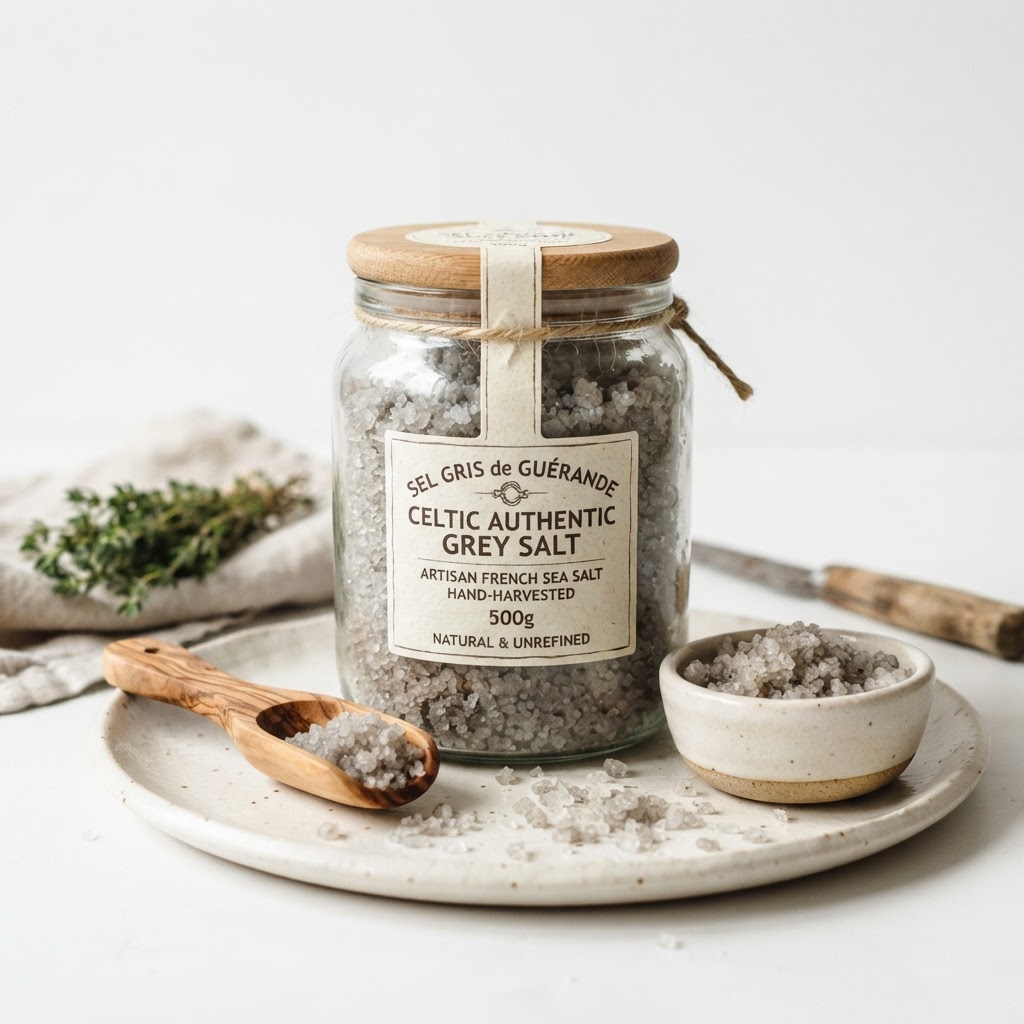
Magnesium is perhaps the most celebrated co-mineral in Celtic grey salt, and for excellent reason. Magnesium is involved in over 300 enzymatic processes in the human body, including protein synthesis, muscle and nerve function, blood glucose regulation, and energy production. The World Health Organisation has noted that magnesium deficiency is surprisingly common in developed nations, linked to soil depletion and the widespread consumption of refined, mineral-stripped foods. Celtic grey salt contains meaningful levels of magnesium chloride, concentrated in the moisture that gives the salt its characteristic dampness. The magnesium content varies by harvest and by the specific area of the marsh from which the salt was collected, but it is consistently present and consistently bioavailable. The damp, slightly sticky texture of quality Celtic grey salt is literally the magnesium-rich brine clinging to each crystal — a fact that distinguishes it sharply from any salt that has been kiln-dried or heavily processed.
Potassium is the primary intracellular electrolyte in the human body, counterbalancing sodium's extracellular dominance and playing a critical role in maintaining the electrical potential across cell membranes. This balance — the sodium-potassium pump — is fundamental to nerve signal transmission and muscle contraction, including the rhythmic contraction of the heart. Celtic grey salt contains potassium in the form of potassium chloride, though at lower concentrations than sodium. The presence of potassium, even in modest quantities, means that Celtic grey salt functions more like a complete electrolyte package than a single-mineral sodium supplement. Athletes who sweat heavily lose potassium alongside sodium and chloride, and reaching for a mineral-rich natural salt rather than pure sodium chloride provides a more nutritionally complete replenishment strategy.
Calcium in Celtic grey salt occurs primarily as calcium chloride and calcium sulphate. Calcium is most widely known for its role in bone density and dental health, but it is equally important as an electrolyte in the context of muscle contraction and nerve signalling. The calcium present in Celtic grey salt is relatively modest in absolute terms, but it contributes to the overall mineral complexity of the product and supports its identity as a whole-food seasoning rather than an isolated chemical compound. Zinc, iron, manganese, copper, silicon, selenium, and iodine are among the additional trace elements that have been identified in authentic Guérande salt through independent laboratory analyses. These minerals occur in very small quantities — sometimes measured in parts per million — but their cumulative presence across a varied, mineral-rich diet may contribute to preventing trace mineral deficiencies that are difficult to identify through conventional medical testing but which nonetheless affect energy, immune function, and cognitive performance.
Chloride itself deserves mention as an electrolyte in its own right. While it typically travels attached to sodium or other minerals and is therefore easy to overlook, chloride plays essential roles in maintaining fluid balance, producing stomach acid (hydrochloric acid), and supporting the transport of carbon dioxide in the blood. A salt that provides both sodium and chloride in their naturally balanced form — alongside magnesium, potassium, and calcium — is providing the body with a far more complete electrolyte cocktail than any single-mineral supplement could offer. This is why functional medicine practitioners, nutritional therapists, and sports performance coaches have increasingly been recommending authentic grey salt as a foundational dietary tool for clients dealing with chronic fatigue, poor hydration, or inadequate mineral intake. The science behind this recommendation is straightforward: the minerals in Celtic grey salt are exactly the minerals the body needs, in forms that have evolved alongside human physiology for millennia.
For a clearer picture of the mineral profile, authentic Guérande Celtic grey salt typically contains, per 100 grams of product: approximately 33–36 grams of sodium, 50–55 grams of chloride, 0.1–0.4 grams of magnesium, 0.1–0.2 grams of potassium, 0.1–0.2 grams of calcium, and trace quantities of over 60 additional minerals. These figures are approximate and vary between harvests and producers, which is a natural characteristic of any genuinely unrefined, terroir-driven product. The grey clay of the Guérande basin is particularly rich in magnesium and trace silicates, which is why Breton grey salt consistently tests higher in these minerals than grey salts from other origins. Understanding how Celtic grey salt compares to other natural salt varieties helps clarify exactly why origin and harvesting method matter so profoundly.
Health and Culinary Benefits
The health benefits associated with Celtic grey salt are rooted not in exotic claims or pseudoscience, but in straightforward nutritional logic. When the body has access to a broad spectrum of electrolytes — sodium, magnesium, potassium, calcium, chloride, and trace minerals — it is better equipped to maintain the many homeostatic processes that depend on mineral balance. Hydration is perhaps the most immediately tangible benefit. Water alone does not hydrate cells effectively; it requires electrolytes to cross cell membranes and enter the intracellular space where it is actually needed. People who struggle with persistent thirst, dry mouth despite drinking plenty of water, or frequent nocturnal leg cramps may find that incorporating a mineral-rich salt into their diet produces noticeable improvements in these symptoms. This is because these symptoms are often signals of electrolyte imbalance rather than simple dehydration per se.
The magnesium content of Celtic grey salt is particularly relevant to a wide range of wellness concerns. Magnesium plays a central role in sleep quality, stress regulation, and the function of the parasympathetic nervous system — the "rest and digest" mode that counteracts chronic stress responses. Many people who have incorporated authentic grey salt into their daily cooking and hydration routine report improvements in sleep depth and a general sense of calm, which is consistent with what nutritional science would predict from increased magnesium intake. It is important to note that salt alone cannot correct a serious magnesium deficiency — dedicated supplementation may also be necessary in clinical cases — but as a daily dietary habit, cooking with mineral-rich grey salt rather than refined table salt is one of the simplest and most sustainable ways to consistently increase magnesium intake from food sources.
From a culinary perspective, Celtic grey salt offers something that no refined salt can replicate: complexity of flavour. The combination of minerals, moisture, and the subtle mineral notes derived from Breton clay produces a salt with a rounded, savoury, slightly briny flavour profile that professional chefs describe as tasting "of the sea." Because of this natural complexity, experienced cooks often find they need to use less Celtic grey salt to achieve a satisfying level of seasoning than they would with standard table salt — which is significant both for flavour management and for those keeping an eye on their overall sodium consumption. The large, irregular crystals of Celtic grey salt also behave differently from refined salt in cooking: they dissolve more slowly, providing bursts of flavour rather than a uniform saline background, and they add textural interest when used as a finishing salt on roasted vegetables, grilled fish, artisan bread, or dark chocolate.