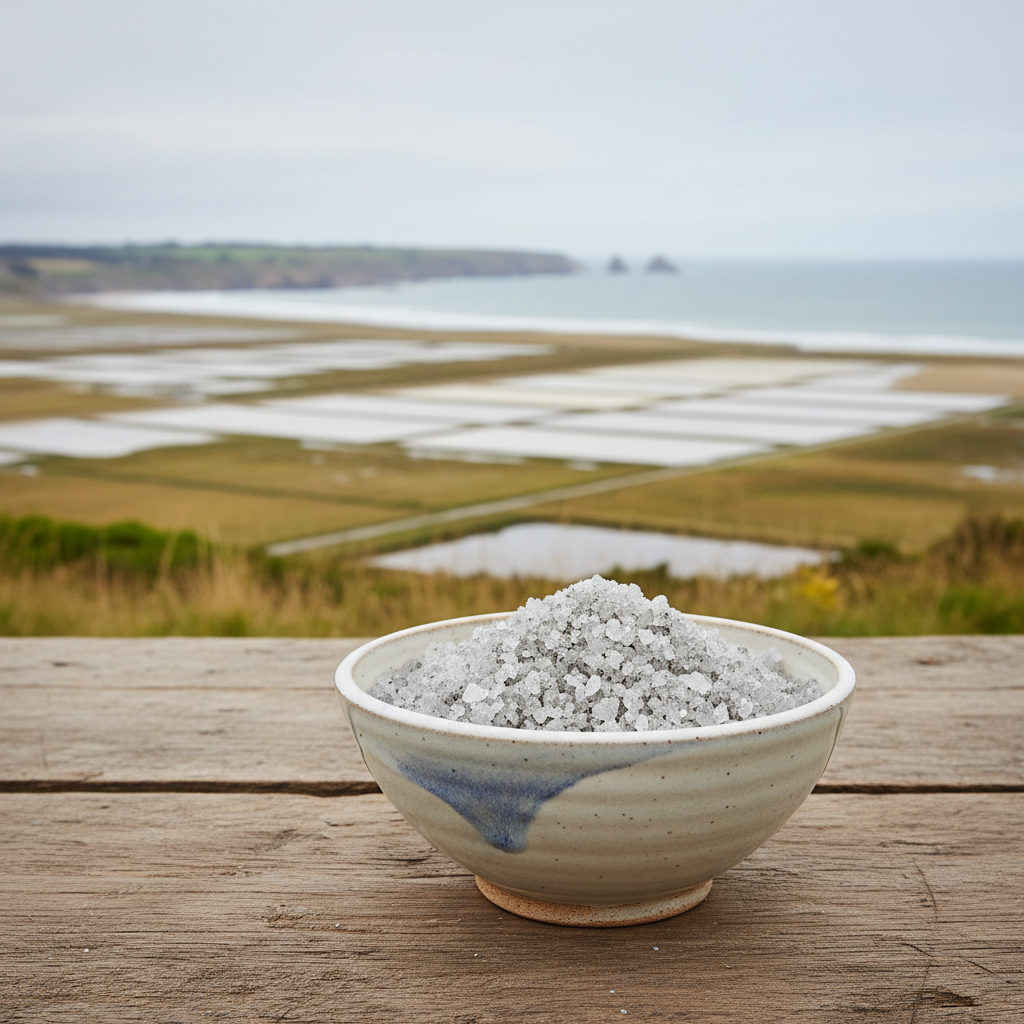
Introduction — Why celtic salt vs himalayan salt Matters
When it comes to culinary practices and health-conscious living, the choice of salt can significantly influence both flavor and nutritional balance. The debate between Celtic salt and Himalayan salt has gained traction among discerning consumers who aim to make informed decisions in their diets. While both salts are praised for their unrefined status and mineral content, understanding their distinct properties, origins, and uses can help you make a better choice tailored to your lifestyle. This article explores the key differences and similarities between Celtic sea salt and Himalayan salt, assisting you in navigating through the myriad of options available in today’s marketplace.
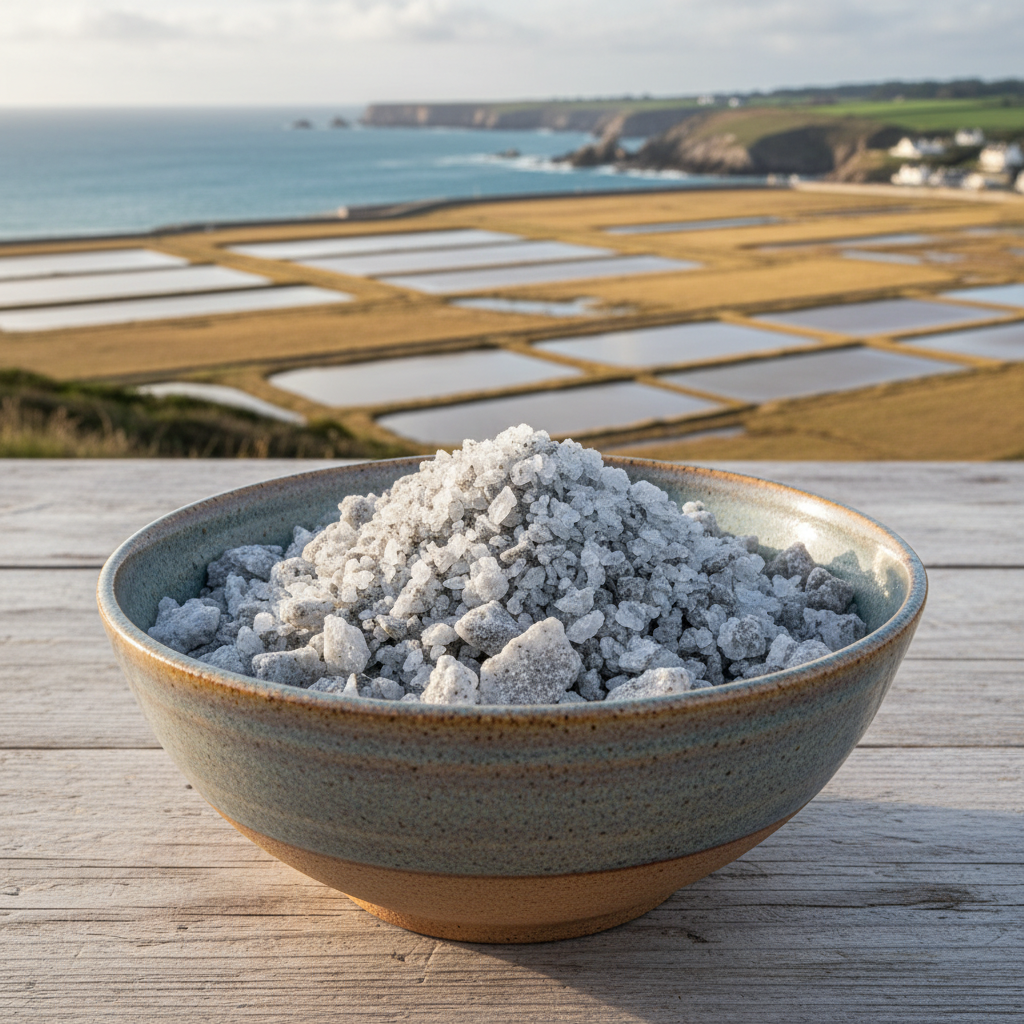
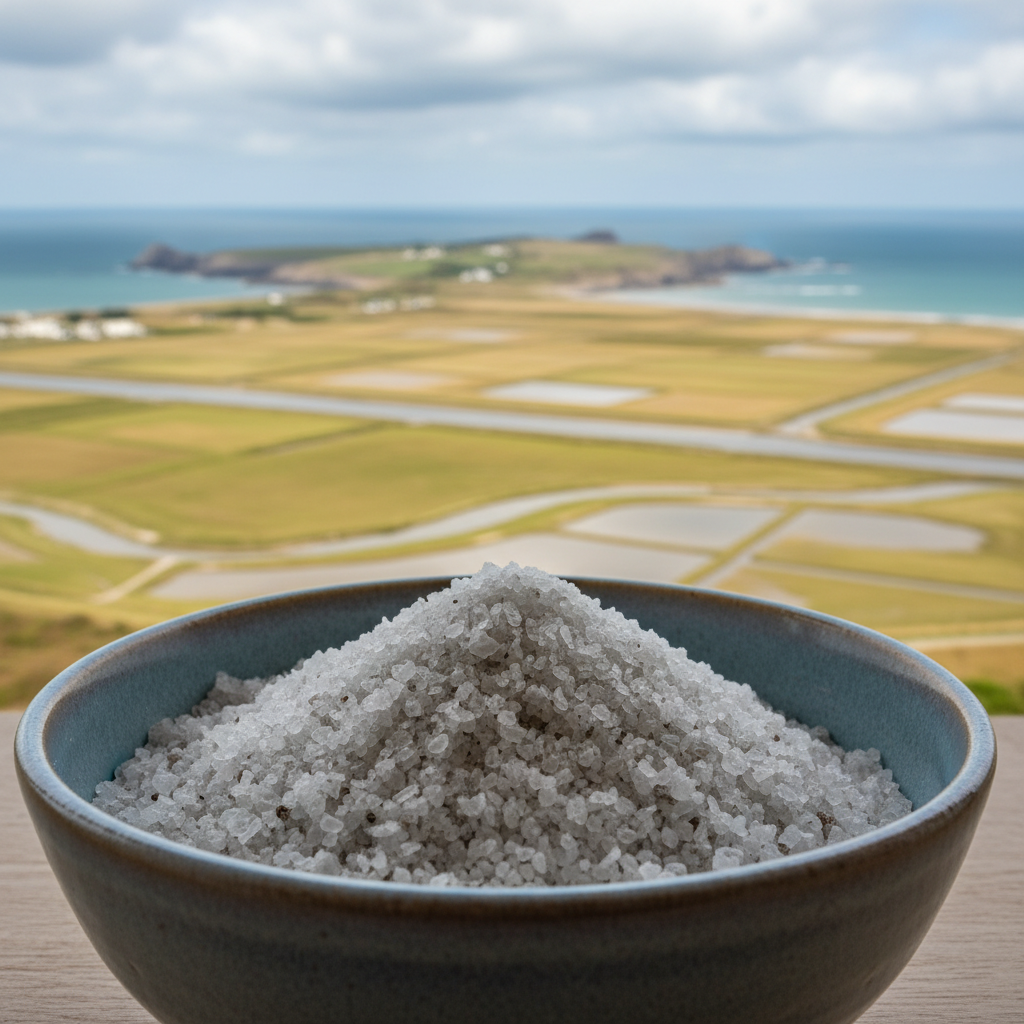
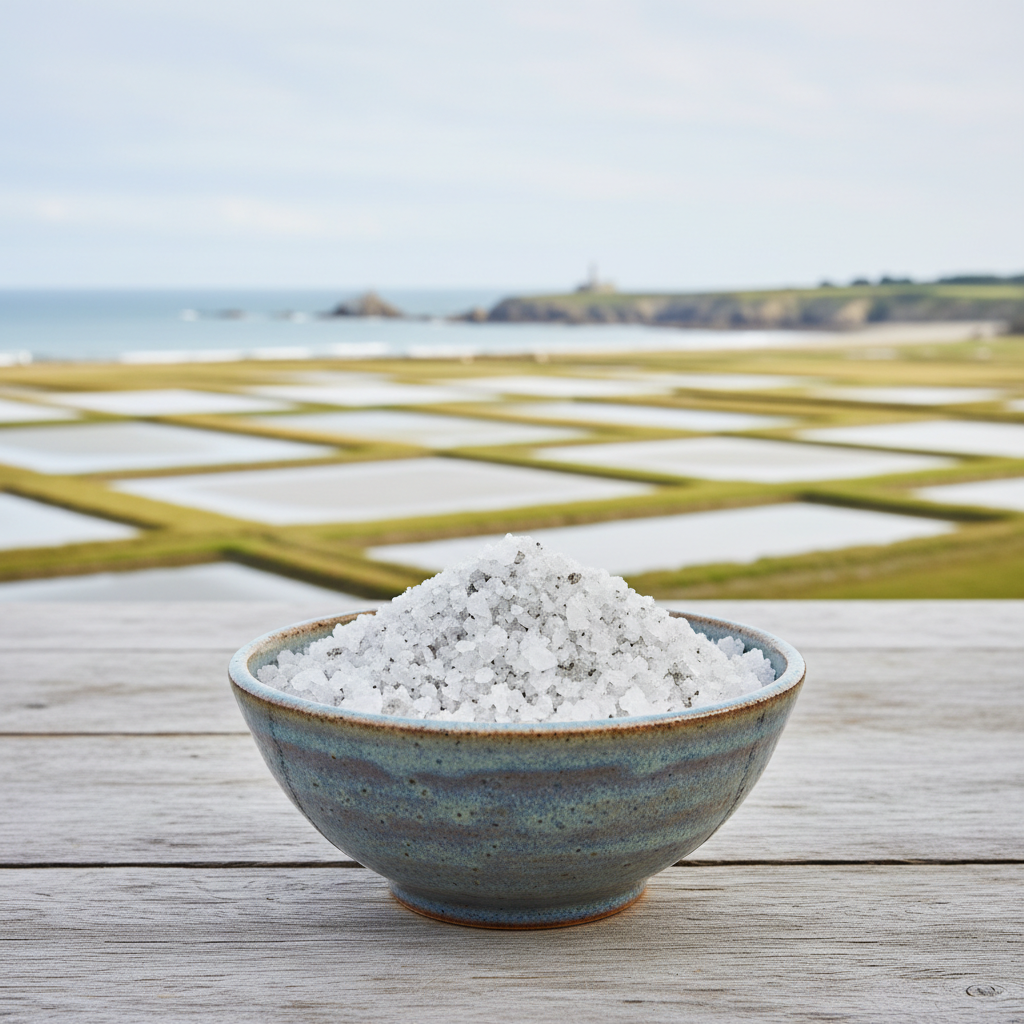
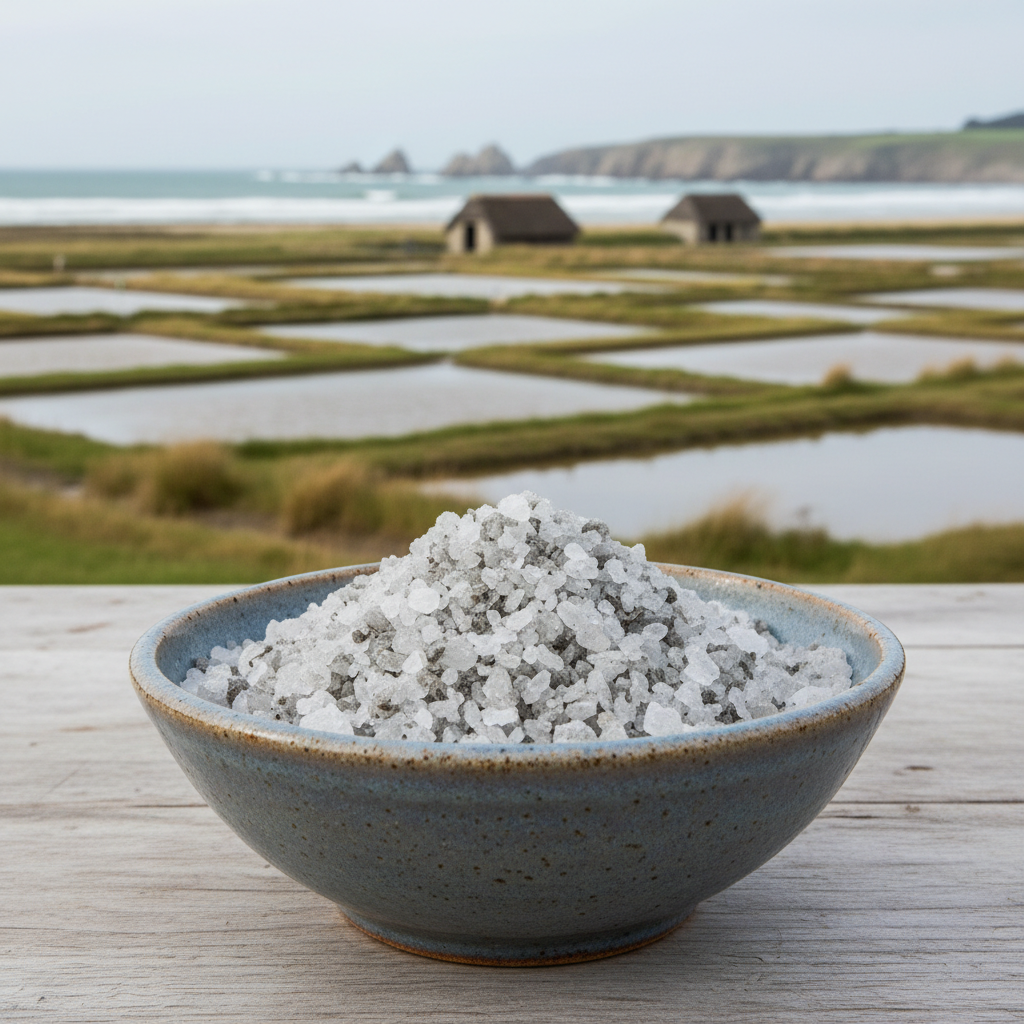
Celtic salt, often referred to as “grey salt” due to its natural color, is harvested in the coastal region of Brittany, France, using traditional methods by skilled artisans known as paludiers. In contrast, Himalayan salt is mined from ancient salt deposits in the Khewra region of Pakistan, drawing its light pink hue from various minerals embedded in the salt. Both salts have unique profiles that not only affect culinary outcomes but may also potentially contribute to various health benefits.
This article aims to provide a comprehensive understanding of these two salts to enable health-conscious consumers to make choices that resonate with their culinary and lifestyle preferences. By exploring the origins, health benefits, and various applications, we lay the groundwork for an informed discussion about Celtic salt versus Himalayan salt. The right choice of salt can enhance both flavor and well-being, making it a vital consideration for anyone interested in improving their diet and overall health.
What Is celtic salt vs himalayan salt?
Celtic salt and Himalayan salt are two varieties of unrefined salt that have gained popularity for their unique properties and mineral content. Celtic salt, or sea salt, is harvested from the coastal marshes of Brittany, France, specifically in the Guérande region. The harvesting process involves traditional methods that maintain its mineral-rich composition, resulting in moist, grey crystals. This natural variety is known for its slightly briny flavor profile and high moisture content, making it an ideal choice for seasoning and finishing dishes. Celtic salt is also recognized for its association with historical culinary practices, where it was used for preservation and flavor enhancement due to its natural moisture and mineral profile.
On the other hand, Himalayan salt is sourced from ancient salt deposits in the Himalayas, primarily from the Khewra salt mine in Pakistan. The distinctive pink hue of Himalayan salt comes from trace minerals like iron oxide, potassium, and magnesium, which not only contribute to its flavor but also to its aesthetic appeal. Himalayan salt is available in various forms, including fine and coarse grains, and is popular for its versatility in culinary applications, as well as for decorative purposes like salt lamps and blocks.
In essence, while both salts are prized for being unrefined and containing essential minerals, the distinct geographic origins and unique harvesting processes set them apart. Understanding these differences can empower consumers to appreciate the nuances in flavor, texture, and functionality, allowing for a more tailored approach to culinary and lifestyle choices. This knowledge is vital for anyone seeking to maximize the benefits and experiences associated with these salt varieties.
Key Benefits and Uses
Both Celtic salt and Himalayan salt offer an array of benefits that appeal to health-conscious consumers. Although they vary in taste and texture, they share common ground in being unrefined salts, which retain their natural mineral content. Celtic salt is rich in minerals like magnesium and potassium, which may support overall well-being due to its mineral complexity. Traditionally used in French cuisine, it is believed to enhance not just flavor but also the nutritional profile of food. The slightly moist crystals of Celtic salt lend themselves well to seasoning soups, stews, and roasted vegetables, providing a burst of flavor that can elevate even the simplest dishes.
On the flip side, Himalayan salt is celebrated for its mineral richness as well, particularly its unique blend of over 80 trace minerals. Consumers often tout its restorative qualities, which may support balanced hydration and overall wellness. Himalayan salt is versatile and can be utilized in various culinary contexts, from seasoning grilled meats to being incorporated into baking. Its visually striking appearance also allows it to double as a serving piece, making it a favorite among chefs and home cooks alike.
Both salts also hold potential in non-culinary applications. Celtic salt has been traditionally used in baths for its alleged soothing properties, while Himalayan salt is increasingly utilized in spa treatments and wellness routines. Salt lamps made from Himalayan salt are popular for creating ambient lighting and are believed by some to purify the air. However, it is crucial to approach these uses with an understanding that while some consumers may find enjoyment and satisfaction in these practices, claims regarding health benefits should be approached cautiously.
🧂 AUTHENTIC IGP GUÉRANDE SALT
500g / 17.6 oz · Hand-harvested · Brittany, France
In summary, Celtic salt and Himalayan salt each offer a distinct set of benefits, making them valuable additions to both culinary endeavors and wellness practices. Consumers can choose based on taste preferences, culinary applications, and lifestyle choices, ensuring that their salt selection aligns with their individual needs.
How to Use celtic salt vs himalayan salt in Your Daily Cooking — Practical Guide
Incorporating Celtic salt and Himalayan salt into daily cooking can enhance flavor and elevate dishes in unique ways. Understanding how to effectively utilize these salts may open up new culinary possibilities. To start, consider the texture of each salt when integrating it into your cooking routine. Celtic salt, with its moist crystals, can be particularly effective as a finishing salt. Simply sprinkle a pinch over prepared dishes just before serving to add a pleasant crunch and a burst of savory flavor. This technique works exceptionally well with roasted vegetables and grilled meats.
Himalayan salt, being available in various granule sizes, offers flexibility depending on the dish. For applications requiring precise seasoning, such as baking, opt for fine Himalayan salt, while coarse grains are excellent for enhancing the texture on roasted items or as a seasoning for grilled foods. Incorporating salt into rubs or marinades can also elevate flavor profiles; consider mixing either salt with herbs, spices, and acids to create a well-rounded seasoning blend.
Another delightful way to use Himalayan salt is through its unique applications, like cooking on a heated salt block. This technique not only imparts a subtle taste but also showcases the aesthetic qualities of the pink salt. Cooking seafood or meats directly on a Himalayan salt block allows for a distinctive presentation and adds a nuanced flavor layer.
For those who prefer culinary experimentation, consider adding Celtic salt to homemade salad dressings or sauces. Its mineral-rich composition can offer depth, enhancing the overall taste. Remember to start with a smaller amount and adjust based on your personal preferences, as the salinity of unrefined salts can differ from process to process.
As a broad culinary guide, aim to experiment with both Celtic salt and Himalayan salt across diverse recipes, keeping in mind the specific flavor profiles and textures they each contribute. Being mindful of how these salts can enhance the fresh ingredients in your dishes will promote a more flavorful and rewarding cooking journey.
How to Use celtic salt vs himalayan salt
While Celtic salt and Himalayan salt are primarily celebrated in culinary circles, they also boast various uses beyond the kitchen that cater to holistic lifestyles. One significant application of Celtic salt is in the realm of self-care and wellness. Many advocates claim that using Celtic salt in bathwater can provide a soothing experience. The minerals present in this salt are believed to promote relaxation, offering a gentle detoxifying experience for the skin.
To create a rejuvenating bath, simply add a cup of Celtic salt to warm running water and allow it to dissolve, providing your body with minerals that may support the skin's natural harmony. The tactile sensation of salt water can also lead to an invigorating and refreshing feeling, making it ideal for unwinding after a long day.
Himalayan salt also finds its place in wellness routines, particularly through the use of salt lamps. These lamps, made from large blocks of Himalayan salt, are touted not only for their calming glow but also for their alleged air-purifying properties. Although more research is needed to substantiate these claims, many enthusiasts enjoy using Himalayan salt lamps to create a tranquil atmosphere conducive to relaxation or contemplation.
In addition to wellness practices, both salts have also gained attention for use in decorative applications. Himalayan salt blocks can serve as beautiful serving platters for cold dishes, while Celtic salt can be employed in culinary presentations or as part of aesthetic arrangements on the dinner table. These elements not only enhance visual appeal but also encourage conversations centered around quality, sustainability, and natural living.
Ultimately, incorporating Celtic salt and Himalayan salt into broader lifestyle applications goes beyond mere cooking. From skincare routines to ambient lighting, these salts can add layers of value to daily living, emphasizing the importance of quality and careful selection in lifestyle choices.
🧂 AUTHENTIC GUÉRANDE CELTIC SALT
Celtic Authentic Grey Salt – 500g / 17.6 oz
Hand-harvested · Unrefined · 80+ trace minerals · IGP certified
Compare at $114.99
Get Your Bag — $79.99 →What to Look for When Buying
When purchasing Celtic salt or Himalayan salt, consumers should be aware of several key quality indicators to ensure that they are selecting the best products available. One major aspect to consider is sourcing and production methods. Quality Celtic salt carries the IGP (Indication Géographique Protégée) designation, confirming its authenticity and traditional production methods specific to the Guérande region of France. This certification guarantees that the salt is harvested sustainably and that it complies with strict guidelines that aid in maintaining its inherent mineral content.
For Himalayan salt, look for reputable brands that source their salt from legitimate mines, as the purity of the salt can vary significantly among suppliers. Authentic Himalayan salt should have a rich, pink hue and a slightly coarse texture. Check for labels that state it is unrefined, as refined salts may lose many beneficial minerals during processing.
Additionally, consider packaging and presentation. High-quality salts should be stored in moisture-proof packaging to maintain integrity and flavor. Also, be wary of products that appear overly polished or excessively fine; these could be indications of excessive processing or additives. Ideally, seek products that highlight their natural appearance, as this often reflects a commitment to preserving the salt’s unique characteristics.
Finally, if you’re exploring Celtic salt or Himalayan salt for their taste or culinary attributes, sampling is a practical way to evaluate flavor profiles. Many gourmet food stores offer tasting programs or small sample sizes, allowing you to connect with the salt profile that best suits your palate. By keeping these considerations in mind, consumers can ensure that they are making an informed choice when purchasing salt, promoting both flavor satisfaction and nutritional integrity.
Common Questions About celtic salt vs himalayan salt
What is the primary difference between celtic salt and himalayan salt?
The primary difference between Celtic salt and Himalayan salt lies in their geographic origins and production methods. Celtic salt is harvested from coastal marshes in Brittany, France, while Himalayan salt is mined from ancient salt deposits in Pakistan. Additionally, Celtic salt has a characteristic grey color due to its mineral content and moisture, whereas Himalayan salt is known for its pink hue.
Can I use celtic salt and himalayan salt interchangeably in cooking?
Yes, you can use Celtic salt and Himalayan salt interchangeably in cooking, although there may be slight differences in taste and texture. Celtic salt is slightly moister and offers a briny flavor, while Himalayan salt provides a unique mineral profile and crunch. Consider experimenting with both to discover which enhances your dishes best.
Is one salt healthier than the other?
Both Celtic salt and Himalayan salt are unrefined, meaning they retain essential minerals, which may be beneficial in small amounts. While neither can be strictly categorized as "healthier," they both serve as flavorful alternatives to processed table salt. Choosing between them often boils down to personal preference and specific culinary applications.
Are there any allergens in celtic salt or himalayan salt?
Generally, both Celtic salt and Himalayan salt are allergen-free as they are natural mineral-containing substances. However, if you have specific sensitivities to salts or minerals, it is best to consult with a healthcare provider before adding any new salt variety to your diet.
How should I store celtic salt and himalayan salt for optimal freshness?
To maintain freshness, store both Celtic salt and Himalayan salt in a cool, dry place, away from direct sunlight and moisture. Using airtight containers can help to preserve flavor and texture, ensuring that your salt remains in peak condition for use.
Conclusion
Celtic salt and Himalayan salt both represent the natural, unrefined qualities that many health-conscious consumers seek in their diets today. Understanding their distinct origins, flavors, and uses can empower you to make informed decisions beneficial for culinary practice and enhanced well-being. Whether you gravitate towards the mineral-rich moisture of Celtic salt or the visually appealing crystalline structure of Himalayan salt, both options provide exceptional flavor and versatility in the kitchen and beyond.
As you explore the many ways to incorporate these salts into your cooking and lifestyle routines, consider the deeper implications surrounding their sourcing and production methods. Choosing quality products not only enhances your personal experience but also contributes to a broader movement towards supporting sustainable practices. Ultimately, the choice between Celtic salt and Himalayan salt can elevate your culinary experiences, enrich your daily life, and cultivate a more conscious approach to what you consume.
Celtic Salt — IGP Guérande
Hand-harvested by Breton paludiers. 500g / 17.6 oz jar, unrefined, 80+ trace minerals.
Free shipping — no minimum order
Get Your Bag — $79.99 →More from Celtic Salt