Hand-harvested Guérande salt · Tracked international delivery included
Guide· by Celtic Salt Editorial Team
Difference Between Celtic Salt And Normal Salt
Introduction — Why difference between celtic salt and normal salt Matters in 2026
In 2026, as consumers become increasingly knowledgeable about their food sources and the ingredients they use, the demand for high-quality, natural products continues to rise. Among these products, salt plays a fundamental role in our daily lives, not only as a seasoning but also as a significant contributor to our health and culinary practices. While table salt has long dominated the market, more people are turning towards alternative options like Celtic sea salt, recognizing its unique properties and benefits. This article will explore the differences between Celtic salt and normal table salt, shedding light on their origins, processing methods, flavor profiles, and health benefits. Understanding these differences is crucial for anyone looking to enhance their culinary experiences or improve their dietary choices.
What Is difference between celtic salt and normal salt?
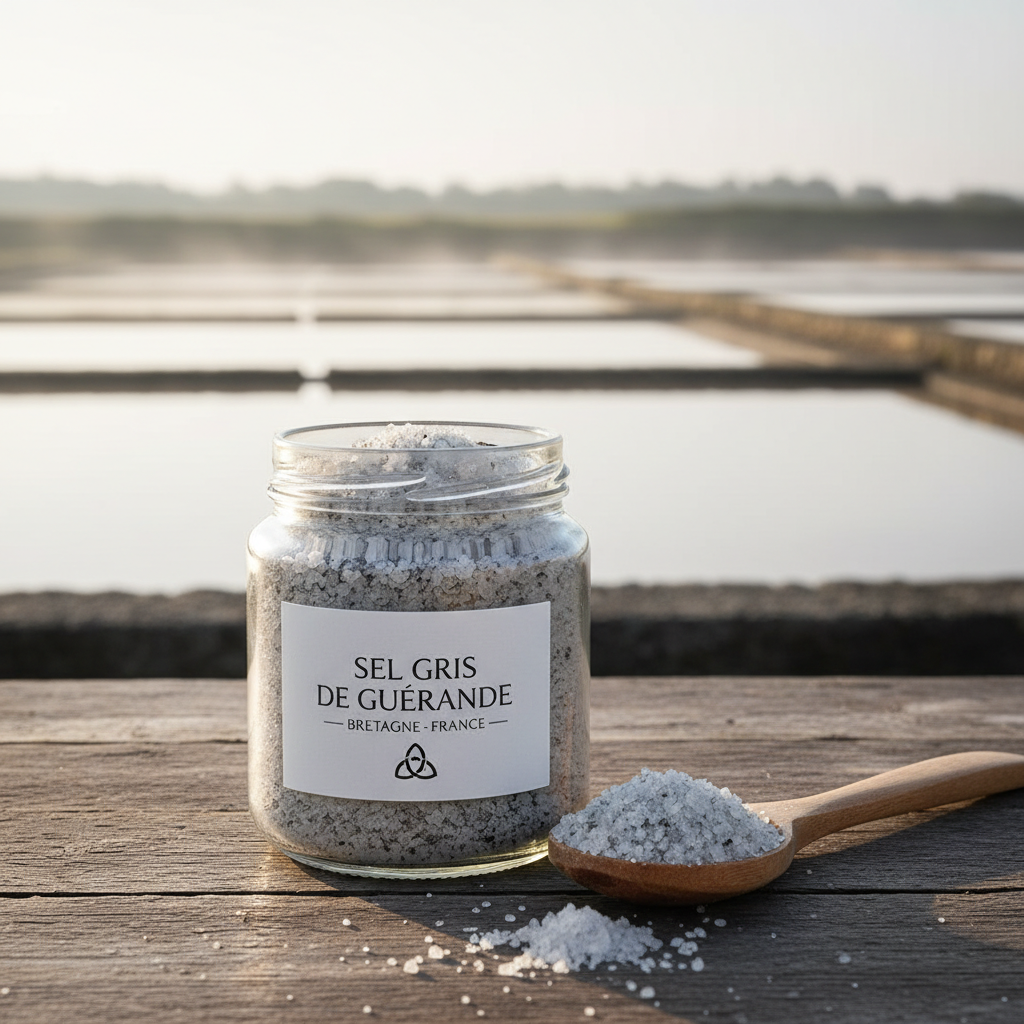
The primary differences between Celtic salt and regular table salt stem from their origins and processing methods. Celtic salt is harvested from the coastal regions of France, specifically the salt marshes of Guérande in Brittany. The paludiers, or salt farmers, utilize traditional methods that respect the environment and maintain the natural mineral content of the salt. This artisanal approach involves evaporating seawater in clay pools, allowing the salt to crystallize in its natural state.
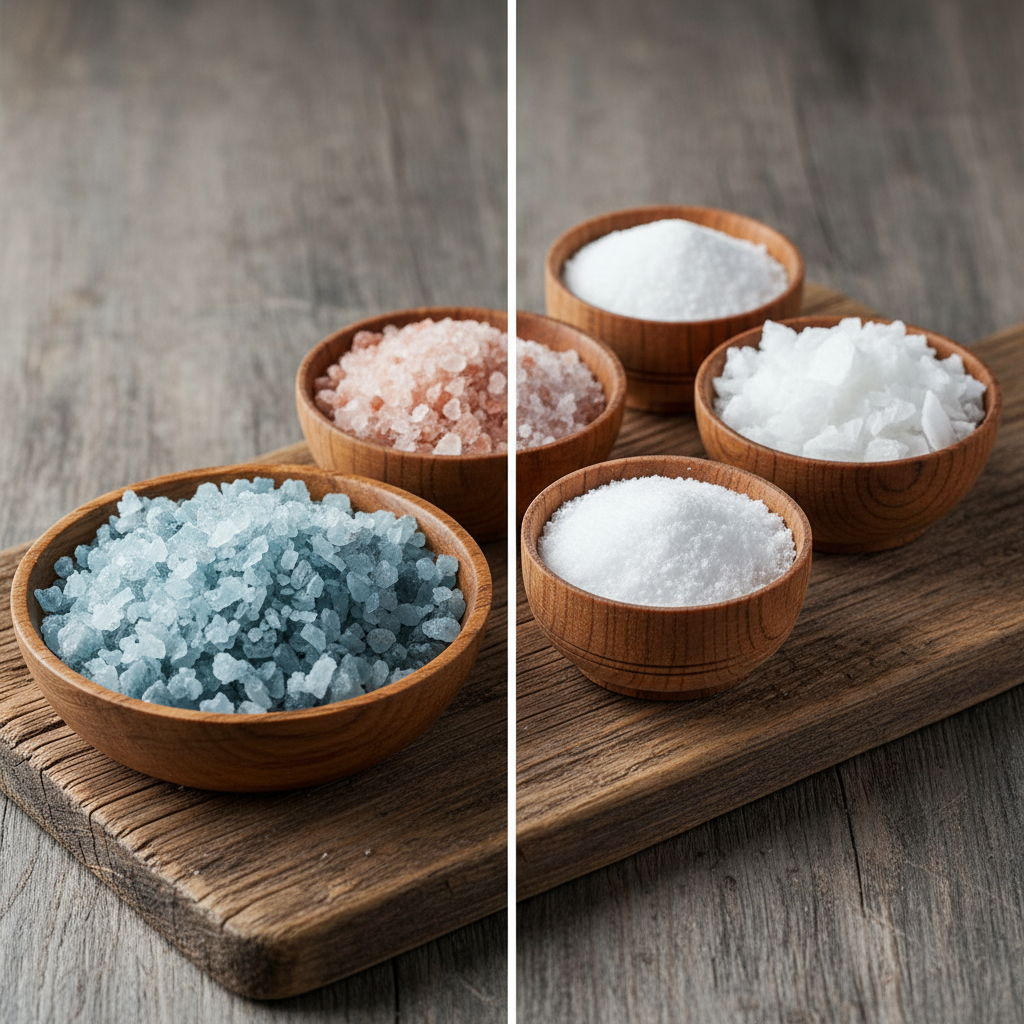
In contrast, normal table salt, often referred to as refined salt, undergoes significant processing. Harvested from underground salt mines or sea sources, it is refined to remove impurities and minerals. This process typically results in the elimination of beneficial trace minerals, leading to a product that is predominantly sodium chloride. Additionally, anti-caking agents are commonly added to prevent clumping, further affecting the overall quality and flavor.
Celtic salt, often characterized by its grey color and moist texture, retains essential trace minerals such as magnesium, calcium, and potassium, contributing to its distinct flavor and potential health benefits. These minerals impart a unique taste that enhances dishes in a way that ordinary table salt cannot replicate.
Key Benefits and Properties
Celtic sea salt boasts a plethora of benefits and properties that distinguish it from normal salt. One of the most notable aspects is its mineral content. Unlike refined table salt, which primarily consists of sodium chloride, Celtic salt contains up to trace minerals whose levels vary by harvest and product. These include magnesium, calcium, iron, and potassium, which are essential for various bodily functions, promoting better well-being and hydration.
Moreover, the grey color of Celtic salt indicates its richness in natural minerals. This distinctive hue is a direct result of the clay and marine elements found in the salt beds of Brittany. The presence of these minerals not only contributes to its vibrant color but also adds layers of flavor that enhance the culinary experience.
Another key property of Celtic salt is its natural moisture. With its lightly damp consistency, Celtic salt provides a different cooking experience compared to the dry texture of table salt. This moisture allows for a slower dissolution in dishes, ensuring a more gradual release of flavor, which can be particularly beneficial in slow-cooked meals or when finishing a dish.
Additionally, Celtic salt is often praised for its balancing effect on the body. Many enthusiasts advocate for its use as a natural electrolyte replacement, as the minerals can help replenish what is lost during physical activities. This makes Celtic salt a favorable choice for athletes or anyone engaged in regular physical exertion.
How to Use difference between celtic salt and normal salt: Practical Guide
When it comes to using Celtic salt in comparison to normal salt, understanding the appropriate applications and techniques is essential for maximizing its flavor and benefits. Celtic salt can be sprinkled onto dishes just like regular salt, but due to its unique flavor profile and texture, it can alter the taste experience in significant ways.
For cooking, it's advisable to use Celtic salt during the initial stages of preparation. Its natural moisture will help season the ingredients as they cook, enhancing the overall flavor. For example, when sautéing vegetables, sprinkling Celtic salt over them early on can draw out moisture and deepen the taste.
Moreover, due to its more robust flavor, you generally need less Celtic salt than normal table salt. This is particularly true when finishing a dish. A light sprinkling of Celtic salt on salads or grilled meats just before serving can elevate the dish to new heights, bringing a balanced, briny depth that regular salt may lack.
In baking, the differences can also be notable. Because of its mineral content, it’s wise to experiment with adjusting recipes when substituting Celtic salt for table salt. For optimal results, consider starting with a smaller quantity and adjusting to taste, as the flavor can be more pronounced.
Finally, remember to store Celtic salt properly. Due to its higher moisture content, it’s best kept in a cool, dry place or sealed container to prevent clumping and maintain its quality. This will allow you to enjoy its distinctive taste and benefits for a longer period.
AUTHENTIC IGP GUÉRANDE SALT
🧂 AUTHENTIC GUÉRANDE CELTIC SALT
Celtic Authentic Grey Salt – 500g
Hand-harvested · Coarse · Dried · Brittany, France
How to Choose Quality difference between celtic salt and normal salt
Choosing high-quality Celtic salt requires an understanding of what to look for in terms of sourcing, processing, and overall characteristics. First and foremost, look for products that are labeled specifically as "Celtic sea salt." authentic Celtic salt is harvested in the traditional manner from the salt marshes of Guérande, adhering to strict ecological standards maintained by local paludiers. This ensures that you're getting a product that has been naturally cultivated and minimally processed.
Next, examine the appearance of the salt. Genuine Celtic salt is characterized by a greyish hue, which indicates that it retains its mineral content. Be cautious of overly white salt, as this may be a sign of excessive processing and may not offer the benefits associated with real Celtic salt. Additionally, look for a moist texture; this is an indicator that the salt is fresh and has been harvested correctly.
Another factor to consider is the packaging. Authentic Celtic salt should come in resealable bags or containers that protect the salt from moisture and contaminants. Be wary of excessively cheap options or unbranded salts, as they may not adhere to quality standards and could be inferior imitations.
Finally, consider the taste. Quality Celtic salt has a rich, complex flavor, often described as having briny depth with a slight sweetness. If you can, sample different varieties of Celtic salt to find one that suits your palate, as the flavor can vary between brands and batches.
Common Mistakes to Avoid
When it comes to using Celtic salt instead of normal salt, several common mistakes can lead to suboptimal results or a misunderstanding of its unique benefits. One major mistake is assuming that Celtic salt can be used in the same quantity as table salt. Due to its more intense flavor profile and mineral content, a smaller quantity of Celtic salt is often sufficient, and overusing it can lead to dishes that are overly salty.
Another common error is overlooking the importance of flavor timing in cooking. Many cooks add salt too late in the cooking process, diminishing the unique flavors that Celtic salt can impart. Instead, try adding it incrementally during preparation to develop savory layers that enhance your dishes.
Additionally, some may mistakenly believe that all gray salts are the same. It's essential to distinguish between various types of unrefined salts; not all gray salts offer the same mineral benefits or flavors as authentic Celtic salt from Guérande. Always research and verify the source before purchasing.
Storage is another area where mistakes can occur. Given Celtic salt's moisture, it’s crucial to store it in an airtight container to prevent clumping. Some people make the mistake of leaving it exposed to air, thus compromising its quality and texture.
Finally, an overly simplistic view of salt can lead to the misconception that all salts provide the same health benefits. Understanding that the mineral content varies widely between Celtic salt and table salt is key to making informed dietary choices and achieving culinary excellence.
Ready to taste the difference?
Celtic Authentic Grey Salt – 500g — Hand-harvested · trace minerals whose levels vary by harvest and product · No additives
Frequently Asked Questions
CELTIC GREY SALT — IGP GUÉRANDE
Celtic Grey Salt – Guérande 500g
Hand-harvested · Unrefined · Brittany, France
Ships from France · Worldwide delivery · 30-day return guarantee
FEATURED PRODUCT
Celtic Authentic Grey Salt – 500g
$79.99$114.99SAVE 30%
Hand-harvested · Coarse · Dried · Brittany, France
✓ Ships from France · ✓ 30-day return · ✓ Secure checkout
What makes Celtic salt different from regular table salt?
Celtic salt is harvested using traditional methods from the coastal salt marshes of Brittany, retaining essential trace minerals and moisture, which distinguishes it from processed table salt that is mainly sodium chloride.
Can I use Celtic salt in baking?
Yes, but when using Celtic salt in baking, it’s essential to use it in moderation due to its stronger flavor and mineral content. It's best to start with less and adjust to taste during the baking process.
How should I store Celtic salt?
Celtic salt should be stored in an airtight container in a cool, dry place to maintain its moisture and prevent clumping, allowing it to retain its quality over time.
Is Celtic salt healthier than regular salt?
Celtic salt contains a variety of trace minerals that regular table salt lacks, which can contribute to a more balanced diet. However, moderation is key, as both types of salt should be consumed responsibly.
Can I substitute Celtic salt for regular salt in recipes?
Yes, you can substitute Celtic salt for regular salt, but keep in mind that due to its richer flavor, you may need to use less. Always taste and adjust according to your preferences.
Conclusion
The differences between Celtic salt and regular table salt are profound, impacting not only flavor and culinary experiences but also health due to the latter's trace minerals. As more consumers recognize the benefits of high-quality, minimally processed foods, Celtic salt stands out as an exceptional choice that enhances both dishes and overall wellbeing. By understanding its unique properties and how to incorporate it properly, you can elevate your cooking and promote a more informed approach to dietary choices. Embracing Celtic salt as a staple in your kitchen not only enriches your meals but also connects you to a centuries-old tradition of salt harvesting that emphasizes sustainability and quality.
Ready to experience authentic Celtic salt?
Hand-harvested from the marshes of Guérande, Brittany · IGP certified · trace minerals whose levels vary by harvest and product
Ships from France · 30-day return guarantee
AVAILABLE NOW — LIMITED STOCK
Experience the Authentic Taste of Guérande Celtic Salt
Celtic Authentic Grey Salt – 500g · Hand-harvested · Coarse · Dried · Brittany, France