Hand-harvested Guérande salt · Tracked international delivery included
Guide· by Celtic Salt Editorial Team
Celtic Unrefined Sea Salt
What Is Celtic Unrefined Sea Salt and Why It Matters in 2026
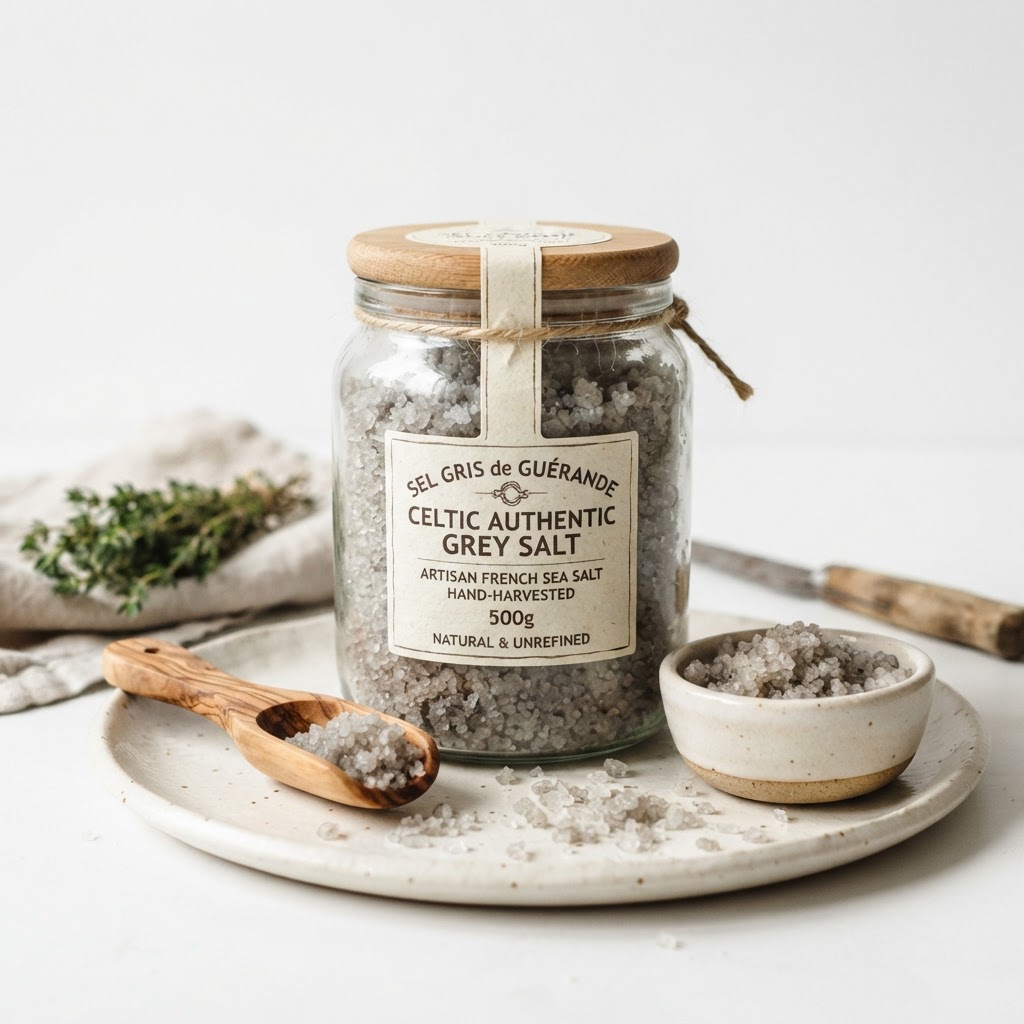
Celtic unrefined sea salt is one of the most ancient and respected mineral-rich salts still harvested by hand today. Originating from the pristine coastal marshes of Guérande in Brittany, France, this remarkable salt has been collected using traditional paludier techniques for over a thousand years. Unlike the highly processed table salt that dominates supermarket shelves across the world, celtic unrefined sea salt retains its full natural moisture content, its distinctive grey colour, and an extraordinary spectrum of trace minerals that are simply lost during industrial refining processes. The result is a salt that tastes profoundly different — deeper, more complex, and more satisfying — and one that works in harmony with the body rather than against it. As health-conscious consumers and professional chefs alike seek out more authentic, minimally processed ingredients, celtic unrefined sea salt has moved from a niche artisan product to a cornerstone of intelligent, flavour-forward cooking in kitchens around the world.
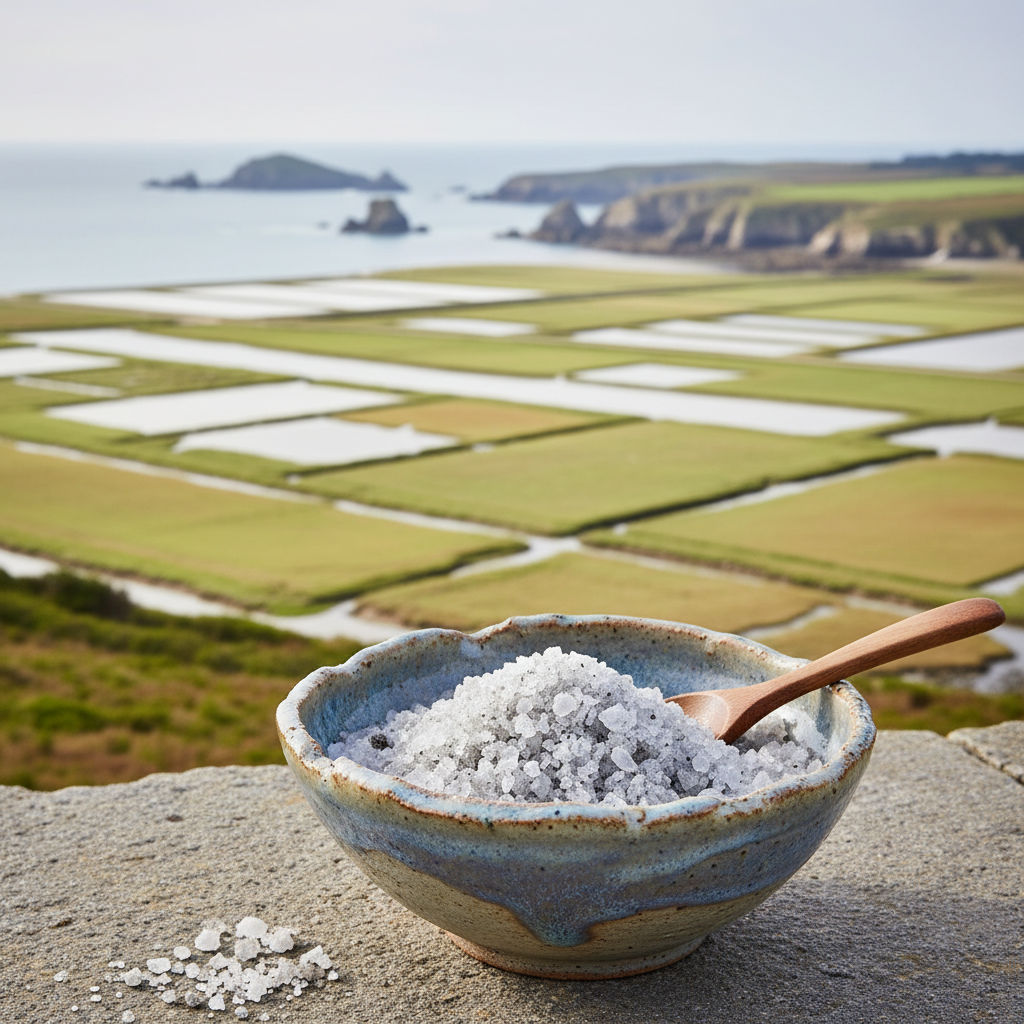
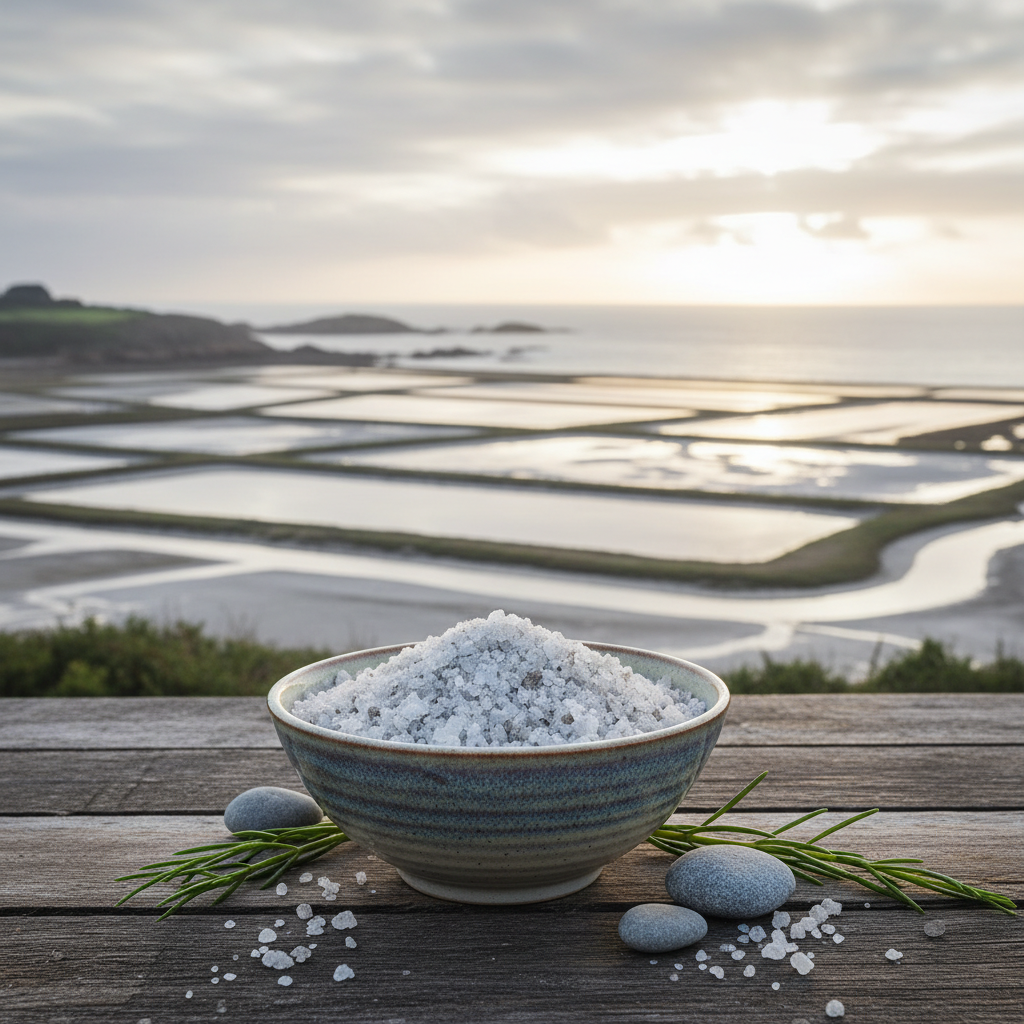
What sets celtic unrefined sea salt apart from virtually every other salt on the market is the method of its creation. The salt marshes of Guérande, known locally as the marais salants, are a UNESCO-protected landscape where seawater from the Atlantic Ocean flows through a carefully engineered series of shallow clay-lined basins. As the water evaporates under the influence of sun and wind, salt crystals naturally form and accumulate. The paludiers — the traditional salt farmers of Brittany — rake these crystals by hand using long wooden tools called lousse, collecting the salt without disturbing the clay bed beneath. This clay bed is crucial: it imparts the characteristic grey hue to the salt and contributes a unique mineral signature that simply cannot be replicated artificially. No heat processing, no chemical additives, no anti-caking agents, and no bleaching — just seawater, sun, wind, time, and human skill. This is what unrefined truly means, and it is a standard that very few salts in the world genuinely meet.
In 2026, the relevance of celtic unrefined sea salt has never been greater. As global conversations about food quality, nutritional integrity, and sustainable sourcing continue to intensify, consumers are asking harder questions about every ingredient they bring into their homes. The industrial food system has long relied on heavily processed sodium chloride — stripped of its natural minerals, dried at extreme temperatures, and laced with additives like sodium ferrocyanide and silicon dioxide to keep it free-flowing. While convenient, this product bears little resemblance to the salt that sustained human civilisations for millennia. Celtic unrefined sea salt represents a return to something more honest and more nourishing. It is a product that carries with it not just flavour and minerals, but a story of place, of craft, and of an ecological relationship between humans and the sea that has endured for generations. For anyone who takes their food seriously, understanding this salt is essential.
The growing interest in celtic unrefined sea salt also reflects a broader cultural shift toward what might be called ingredient literacy — the ability to understand not just what something tastes like, but where it comes from, how it was made, and what it actually contains. Food writers, nutritionists, culinary educators, and home cooks are all contributing to a renaissance of appreciation for traditional foods that have been validated both by centuries of use and by modern scientific interest in trace mineral nutrition. Celtic unrefined sea salt sits at the intersection of tradition and contemporary wellness culture in a way that few other ingredients can claim. Whether you are seasoning a simple roast chicken, brining vegetables for fermentation, finishing a dark chocolate dessert, or dissolving a generous pinch into your morning glass of water, this salt brings something genuinely special to the table. The sections that follow explore in depth exactly what that something is, and how you can make the most of it in your own life.
The Complete Guide to Celtic Unrefined Sea Salt
To truly understand celtic unrefined sea salt, it helps to begin with geography. The Guérande peninsula in the Loire-Atlantique department of Brittany, France, is home to one of the most remarkable salt-producing ecosystems on Earth. The region's unique combination of factors — a temperate but sunny Atlantic climate, strong seasonal winds, shallow tidal basins, and the specific mineral composition of the local clay subsoil — creates conditions that are essentially impossible to replicate elsewhere. The salt marshes here have been in continuous operation since at least the ninth century, with historical records documenting their existence and economic importance throughout the medieval period. Today, the Guérande salt marshes cover approximately 2,000 hectares and are home to around 300 active paludiers who continue to work in the same manner as their ancestors, guided by the same seasonal rhythms and the same respect for the land and sea.
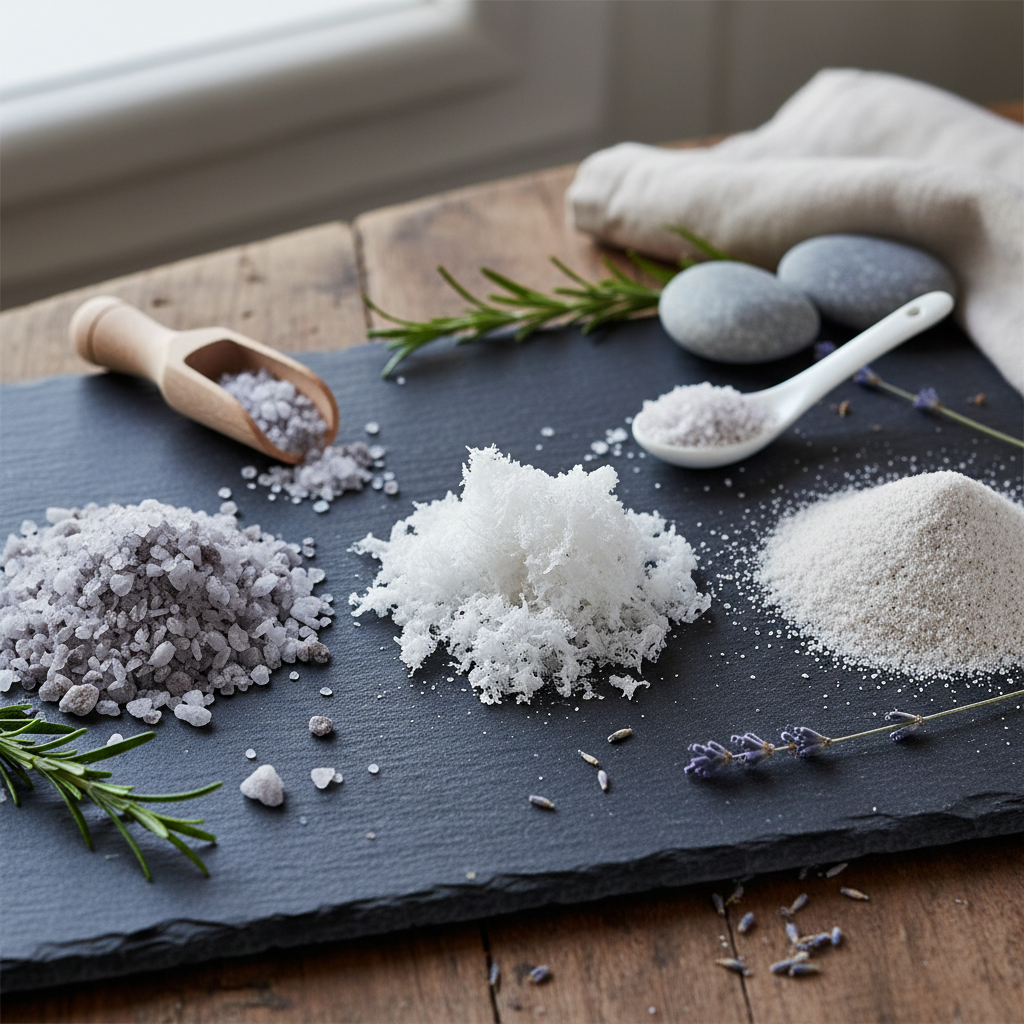
The harvesting season for celtic unrefined sea salt runs roughly from June through September, when the combination of sunshine and wind is sufficient to drive evaporation in the salt pans. During this period, paludiers work long days monitoring water levels, managing the flow between basins, and raking salt crystals as they form. The main harvest produces what is known as gros sel — the coarse grey salt that accumulates on the floor of the final evaporation basins. This is the classic celtic unrefined sea salt: moist, grey, granular, and intensely mineral. Under specific weather conditions — calm, sunny days with just enough breeze — a delicate, flaky white salt forms on the surface of the water. This is fleur de sel, the "flower of salt," which is skimmed by hand and represents the finest and rarest product of the marsh. Both products are unrefined in the truest sense: they go from seawater to harvest to packaging without any additional processing whatsoever.
The mineral profile of celtic unrefined sea salt is one of its most defining and distinguishing characteristics. Because the salt is not subjected to industrial processing, it retains not only sodium chloride but also a complex array of naturally occurring trace minerals including magnesium, calcium, potassium, iron, zinc, manganese, and over eighty other elements present in Atlantic seawater. The concentration of these minerals varies slightly from harvest to harvest and from year to year, reflecting natural variations in the seawater composition and weather conditions — much like vintage variation in wine. Magnesium is particularly notable in celtic unrefined sea salt; it is present in significantly higher quantities than in refined table salt and plays an important role in the salt's characteristically moist texture. This natural moisture — often seen as a drawback by those accustomed to free-flowing table salt — is in fact a sign of authenticity and quality, indicating that the salt has not been artificially dried or treated.
Storage of celtic unrefined sea salt is straightforward once you understand its nature. Because it retains natural moisture, it should be stored in a container that allows some air circulation — a ceramic salt pig, a wooden salt box, or a loosely covered ceramic bowl are all ideal. Airtight plastic containers can cause the salt to become overly damp and clump uncomfortably. The salt will not spoil — salt is by its nature a preservative — but it may dry out or absorb odours if stored improperly. Keep it away from direct heat sources like the stovetop, and away from steam-generating appliances. Some clumping is entirely normal and can be broken up easily with a fork or the back of a spoon. If you purchase celtic unrefined sea salt in larger quantities, consider keeping a small working supply in a convenient container by the stove and storing the bulk supply in a cool, dry place. This approach preserves the quality and freshness of the salt while keeping your cooking workflow smooth and efficient.
Health and Culinary Benefits of Celtic Unrefined Sea Salt
The health conversation around salt has long been dominated by a simple, reductive narrative: salt raises blood pressure and should be minimised. While there is genuine scientific consensus that excessive sodium intake can be problematic for certain individuals, the nuanced reality is that not all salt is created equal, and the trace mineral content of unrefined salts like celtic grey salt may offer benefits that refined sodium chloride simply does not. Magnesium, present in meaningful quantities in celtic unrefined sea salt, is a mineral in which many people in the modern world are chronically deficient. It plays roles in hundreds of enzymatic reactions, supports muscle and nerve function, and contributes to cardiovascular health. While celtic unrefined sea salt should not be thought of as a magnesium supplement, the fact that it delivers this and other minerals alongside sodium chloride represents a meaningful nutritional advantage over its refined counterpart.
From a culinary standpoint, the benefits of celtic unrefined sea salt are immediate, tangible, and deeply satisfying. Professional chefs have long prized this salt for its ability to enhance and deepen flavour without the sharp, one-dimensional "saltiness" that characterises refined table salt. This is partly a function of the trace minerals themselves — magnesium and other elements soften and round out the sodium chloride bite — and partly a function of the salt's texture and moisture. Because celtic unrefined sea salt dissolves more slowly than fine table salt, it creates a different sensory experience on the palate, releasing its flavour gradually and persistently. When used as a finishing salt — scattered over a piece of grilled fish, a ripe tomato salad, or a bowl of freshly made soup — it delivers a burst of complex, oceanic flavour that elevates the dish in a way that is difficult to describe but immediately recognisable.
Celtic unrefined sea salt also has a long and well-documented history of use in food preservation. Its hygroscopic properties — the ability to draw moisture from food — make it ideal for curing meats, fermenting vegetables, and preserving fish. Traditional charcuterie, lacto-fermented vegetables like sauerkraut and kimchi, and preserved lemons all rely on the interaction between salt and the food's natural moisture to create an environment hostile to harmful bacteria while supporting beneficial microbial activity. Many fermentation enthusiasts specifically prefer celtic unrefined sea salt for these applications because the trace minerals it contains support the activity of beneficial lactobacillus bacteria, potentially resulting in more robust and flavourful fermented products. Learn more about using celtic salt for fermentation on our blog. The absence of anti-caking agents and other additives is also important for fermentation, as these chemicals can inhibit microbial activity.
Beyond the kitchen, celtic unrefined sea salt has been used in various wellness traditions for generations. Sole water — a saturated solution of celtic unrefined sea salt in pure water — is a practice embraced by many natural health advocates as a way to begin the day with a mineral-rich tonic. Salt baths using coarse celtic grey salt are valued for their potential to soothe tired muscles and nourish the skin. While it is important to note that these are traditional wellness practices rather than medically validated treatments, the cultural longevity of these uses speaks to a deep human intuition about the relationship between mineral-rich salt and wellbeing. The skin, like the gut, is a site of mineral exchange, and many people report genuine benefits from regular salt baths. As always, individuals with specific health conditions should consult a qualified healthcare provider before making significant dietary changes.
How to Use Celtic Unrefined Sea Salt — Expert Tips