Hand-harvested Guérande salt · Tracked international delivery included
GuideAugust 26, 2026· by Celtic Salt Editorial Team
Celtic Salt vs Kosher Salt: A Chef’s Guide to Better Cooking
The Culinary Debate: Understanding Salt Varieties
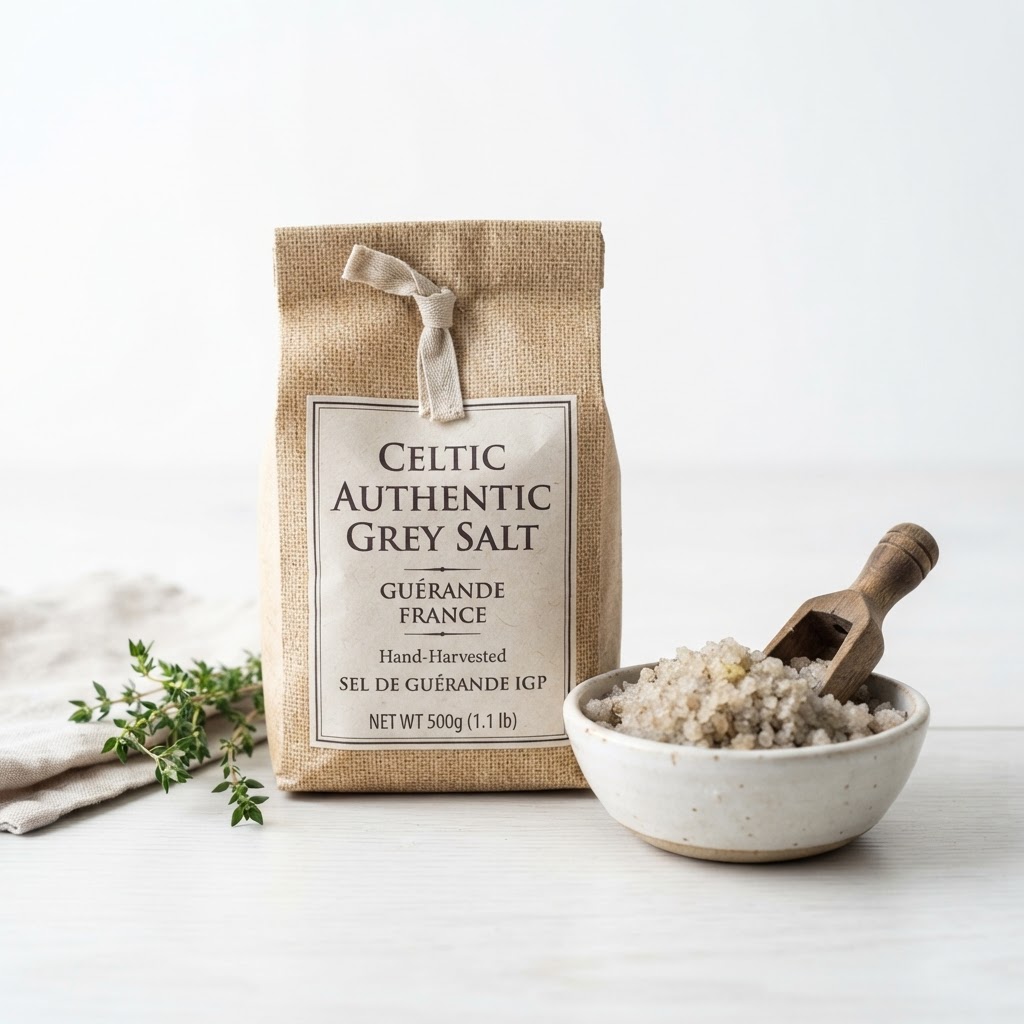
In the world of high-end gastronomy, salt is far more than a simple preservative or a background seasoning. It is the architect of flavor, the catalyst that unlocks the hidden potential within every ingredient, from garden-fresh vegetables to prime cuts of meat. As home cooks and professional chefs alike strive for excellence, the conversation often centers on the difference between standard kitchen staples and artisan options. The central debate of 'Celtic salt vs kosher salt' is one we hear frequently at the Celtic Salt Editorial Team. While many kitchens default to kosher salt for its ease of use, those looking to elevate their cooking are increasingly turning to the unrefined richness of our Celtic Authentic Grey Salt – 500g ($79.99).
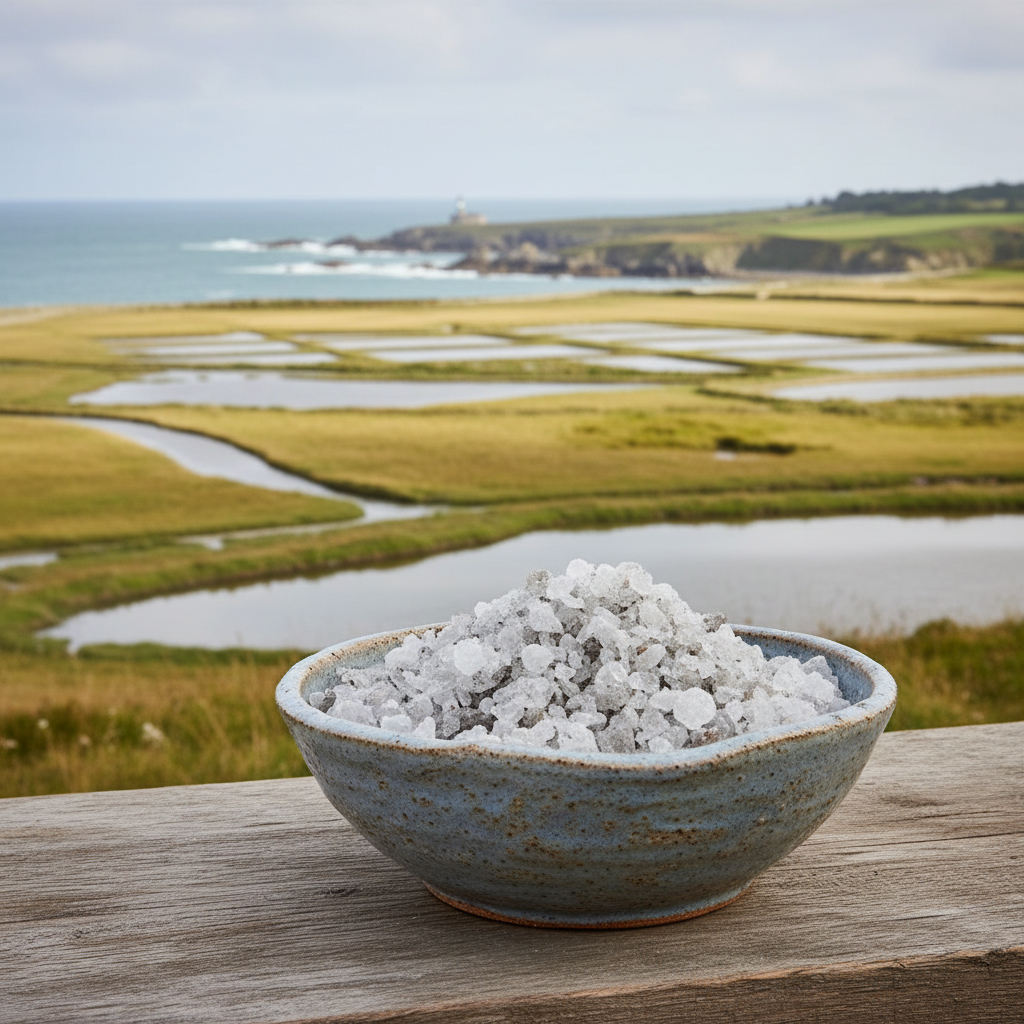
Understanding this distinction begins with how the salt is sourced and processed. Kosher salt is typically a factory-produced mineral salt, refined to achieve a consistent, uniform flake or granule. It is designed for mass-market predictability. In stark contrast, Celtic salt is harvested using ancient, manual methods in the pristine salt marshes of Guérande, France. This IGP-certified process ensures that the salt remains in its raw, natural state, retaining trace minerals and the moisture of the ocean. When you choose an unrefined sea salt, you are not just adding sodium chloride to a dish; you are introducing complexity and a nuanced mineral profile that changes the chemical interaction between your ingredients and your palate. As you refine your culinary techniques, you will find that the choice of salt dictates the final outcome of your signature dishes more than almost any other variable.
The Fundamental Differences in Composition and Texture
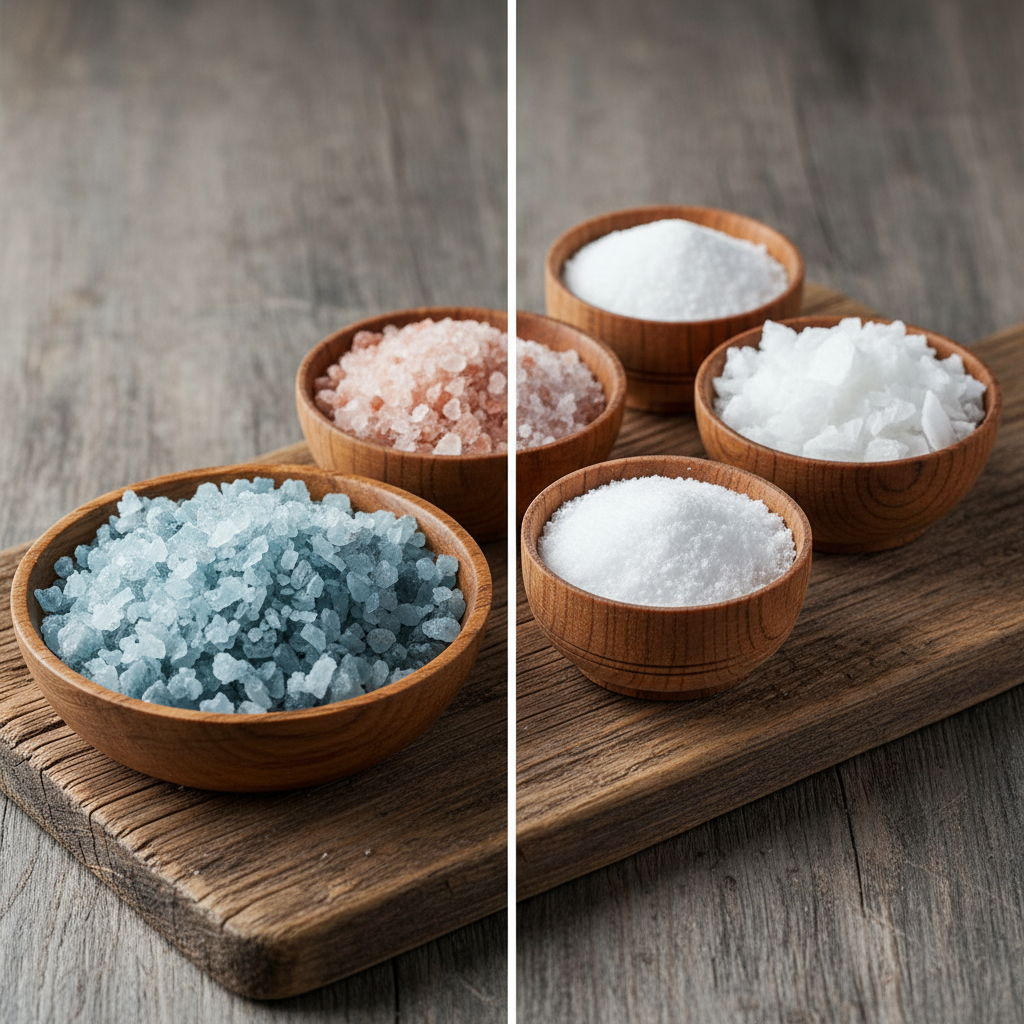
The primary reason for the difference in cooking performance lies in the physical and chemical composition of the salts. Kosher salt consists of large, hollowed-out crystals. These are designed specifically to be easily gripped by the fingers and distributed over food. Because they are often produced through evaporation and mechanical processing, they are generally pure sodium chloride. While they serve a purpose in high-volume, repetitive cooking, they lack the multi-dimensional flavor profile that defines our Celtic Authentic Grey Salt – 500g ($79.99).
Celtic salt, by definition, is a 'moist' salt. It contains small amounts of natural brine and trace minerals, such as magnesium, calcium, and potassium, which are present in the clay-lined marshes of the Guérande region. This moisture is not a defect; it is a hallmark of quality. These minerals act as natural flavor enhancers, providing a rounded, mellow taste rather than the sharp, aggressive 'bite' often associated with highly processed table or kosher salts. When you use Celtic salt in a recipe, you will notice that it does not just make a dish 'saltier'; it makes it taste more like itself. Vegetables become sweeter, meats become more savory, and fats become more balanced. If you are exploring the best sea salt for your kitchen, transitioning from a static kosher salt to a dynamic, living Celtic salt is the single most effective upgrade you can make to your daily cooking routine.
Integrating Celtic salt into your cooking requires a slight shift in mindset. Because it is denser and richer in minerals, you don't always need as much as the recipe might call for if you are measuring by weight. Here is how to incorporate our Celtic Authentic Grey Salt – 500g ($79.99) into your repertoire.
1. The Pre-Prep Phase: Before you even turn on the stove, ensure your salt is accessible. Use a small wooden salt cellar to house your Celtic Authentic Grey Salt. This keeps the moisture levels consistent and makes it easier to pinch. Check out our guide on Where To Store Celtic Salt to ensure long-term freshness.
2. Seasoning Proteins: When searing a steak or roasting a chicken, use Celtic salt as a rub. Unlike kosher salt, which can sit on the surface, the natural moisture of Celtic salt helps it adhere to the surface of the protein, creating a superior crust during the Maillard reaction.
3. Vegetable Sautéing: Add your salt at the end of the cooking process for sautéed greens or roasted root vegetables. The moisture in the salt helps dissolve it quickly, creating a beautiful glaze that coats the vegetables evenly.
4. The Finishing Touch: For dishes like garden salads, sliced tomatoes, or even artisanal chocolates, a final pinch of Celtic salt on top provides a satisfying crunch and an immediate burst of flavor that highlights the freshness of the ingredients.
Common Mistakes to Avoid and Pro Tips
One of the most frequent mistakes home cooks make when transitioning to Celtic salt is over-salting. Because you are used to the 'hollow' volume of kosher salt, you might be tempted to use a larger volume of Celtic salt, which is more compact and mineral-dense. Start with 25% less than your recipe suggests and season to taste. You can always add more, but the depth provided by our Celtic Authentic Grey Salt – 500g ($79.99) is significantly more potent than what you are used to.
Another common error is keeping the salt in an environment that is too dry or exposed to the air. While the moisture in our salt is natural, it can eventually evaporate if left in an open container for weeks on end. Keep it covered. A pro tip for home chefs is to use a dedicated 'salt pig' or a small ceramic bowl near your workspace. This allows for the 'pinch' method, which is the hallmark of a skilled cook. Furthermore, when using Celtic salt in baking, ensure you are weighing your salt rather than measuring by volume. Because the crystals vary in size, volume measurement can lead to inconsistent results in delicate bread or pastry recipes. Embrace the artisan nature of the salt, and your bread will have a depth of flavor that is simply unattainable with standard supermarket alternatives.
⭐ IGP Certified — Guérande, France
Celtic Authentic Grey Salt – 500g
Hand-harvested · trace minerals whose levels vary by harvest and product · No additives
$79.99$114.99
Free shipping — standard tracked delivery included
Ships from France · Worldwide delivery · 30-day return guarantee
The Science of Mineral Richness in Gourmet Cooking
Why does the presence of trace minerals matter so much in the flavor of your food? It comes down to chemistry. In standard refined salts, the processing removes nearly everything except sodium and chlorine. This leaves a 'flat' sensation on the tongue. Our Celtic Authentic Grey Salt – 500g ($79.99) retains naturally occurring magnesium and calcium. Magnesium, in particular, is known for its ability to cut through acidity and balance bitterness. This is why a pinch of Celtic salt in a dark chocolate mousse or a citrus-based vinaigrette creates a significantly more harmonious result than any other salt.
Furthermore, the physical structure of our salt crystals—formed by the interaction of seawater, wind, and clay—allows for a slower dissolution rate. This is vital when cooking long-braised dishes or soups. While kosher salt might dissolve almost instantly, losing its identity within the liquid, Celtic salt maintains its structural integrity longer, providing a consistent release of flavor throughout the cooking time. This ensures that the final bite of your stew is as well-seasoned as the first. When you integrate these principles into your daily kitchen work, you transition from being a recipe-follower to being a true artisan chef, capable of balancing complex flavors with the precision of a professional.
Mastering the Art of Seasoning for the Modern Palate
As we move into 2026, the modern kitchen is becoming a space for high-quality, authentic ingredients. Consumers are rightfully scrutinizing what they use in their food. By choosing Celtic salt, you are making a commitment to both quality and tradition. The IGP Guérande certification on our product is a testament to the rigorous, time-tested process used to harvest this salt. It is not just about the salt itself; it is about the heritage and the environment from which it comes. This is the difference between mass-produced commodities and premium ingredients.
To truly master this, try a 'salt tasting' experiment. Prepare two identical bowls of sliced cucumber or radish. Season one with standard kosher salt and the other with our Celtic Authentic Grey Salt – 500g ($79.99). The difference will be immediate and profound. The kosher-seasoned vegetable will taste primarily of salt, whereas the Celtic-seasoned vegetable will taste of the earth, the garden, and a clean, oceanic brightness. This is the culinary gold standard. By understanding the 'Celtic salt vs kosher salt' dynamic, you are not just seasoning food; you are unlocking the latent qualities of every ingredient you touch. Keep your kitchen stocked with the best, treat your ingredients with respect, and let the superior mineral profile of Celtic Authentic Grey Salt – 500g ($79.99) transform your cooking forever.
Ready to taste the difference?
Celtic Authentic Grey Salt – 500g — Hand-harvested · trace minerals whose levels vary by harvest and product · No additives