Hand-harvested Guérande salt · Tracked international delivery included
Guide· by Celtic Salt Editorial Team
Celtic Salt For Keto Diet
What Is Celtic Salt for Keto Diet and Why It Matters in 2026
The ketogenic diet has evolved dramatically over the past decade, and in 2026, it remains one of the most widely adopted nutritional strategies for fat loss, metabolic health, and cognitive clarity. At its core, the ketogenic diet is a high-fat, moderate-protein, and very low-carbohydrate eating plan that forces the body into a metabolic state known as ketosis. During ketosis, the liver converts fat into ketone bodies, which become the primary fuel source for the brain and muscles. While much of the conversation around keto focuses on macronutrient ratios — hitting your fat, protein, and carbohydrate targets — one critically underappreciated element is the role of electrolytes, and specifically, the type and quality of salt you consume every single day. This is where Celtic salt for keto diet becomes not just relevant, but genuinely essential to your long-term success and wellbeing on a ketogenic protocol.
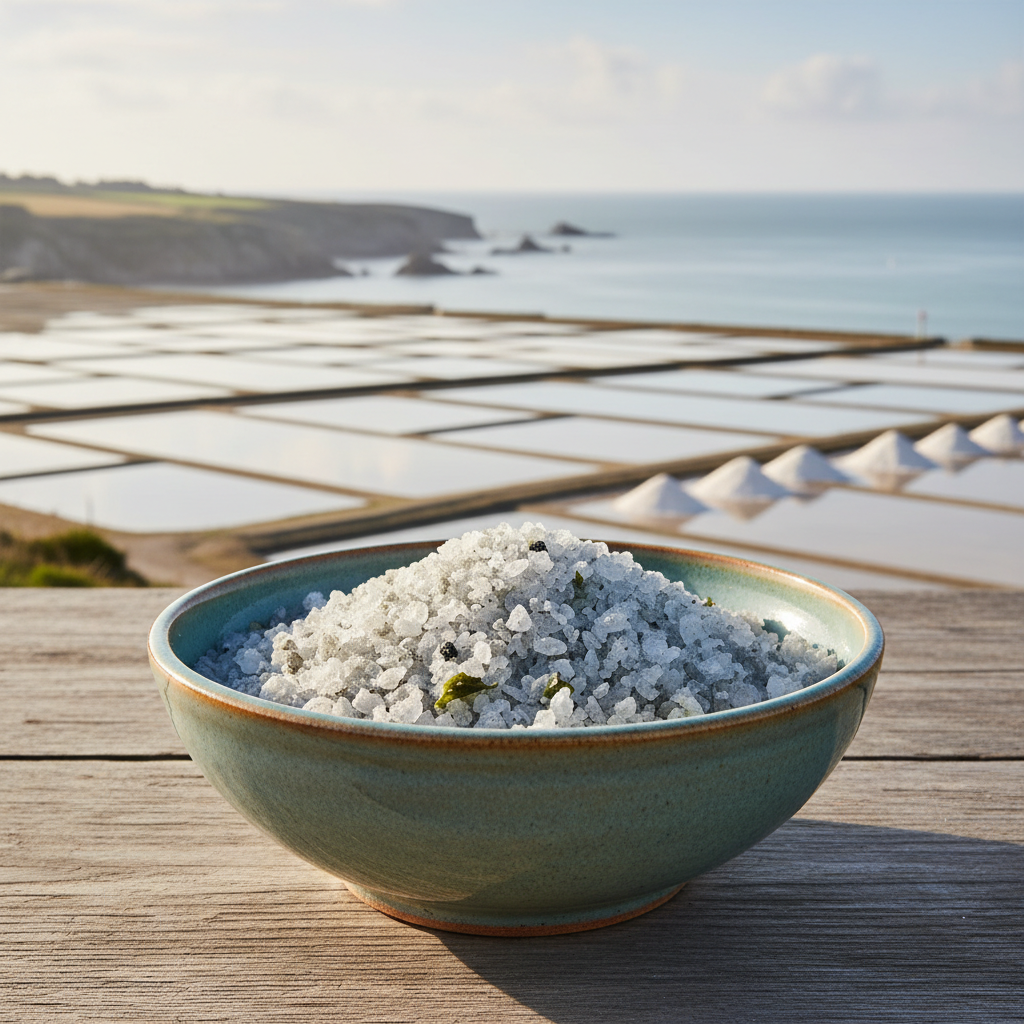
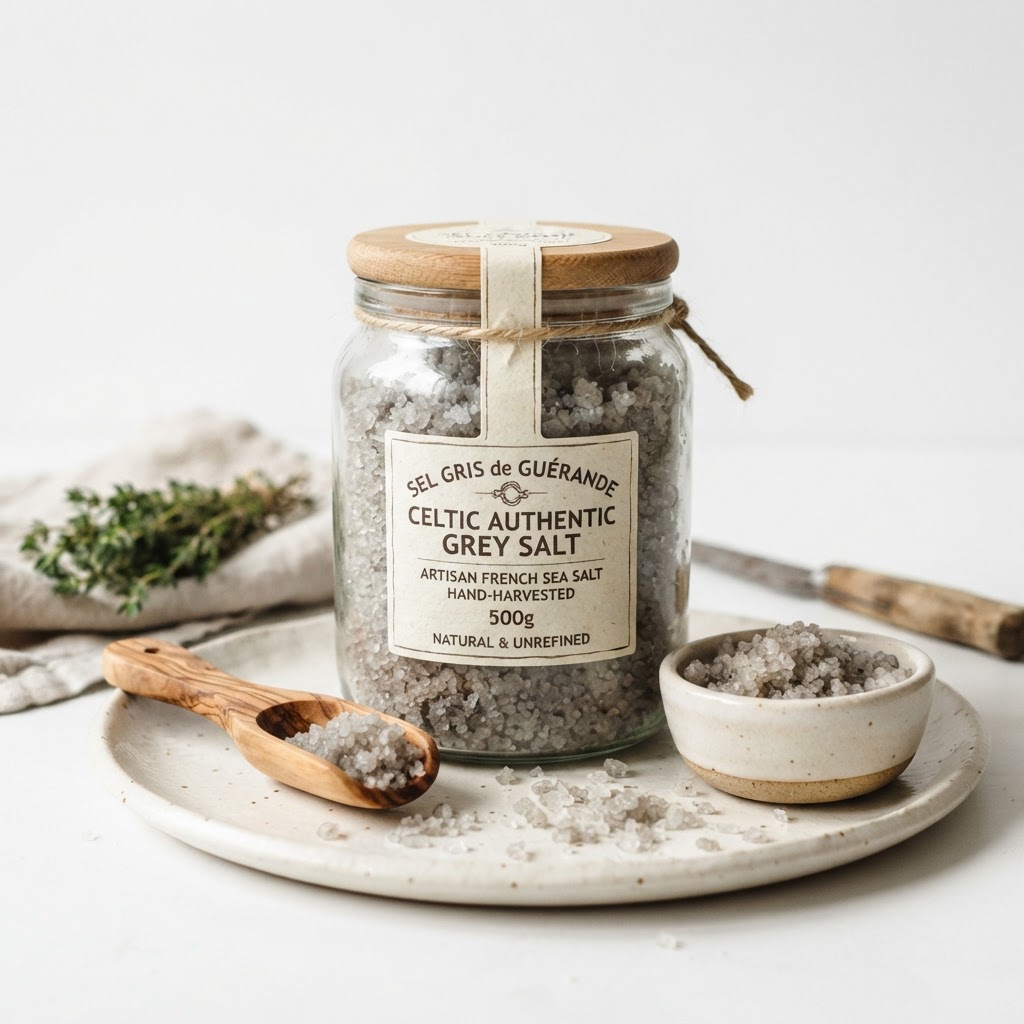
Celtic grey salt, harvested from the ancient salt marshes of Guérande in Brittany, France, is one of the most mineral-rich, unprocessed, and naturally harvested salts available anywhere in the world. Unlike the white, free-flowing refined table salt found in most supermarkets, Celtic grey salt retains its natural moisture, its characteristic grey hue, and most importantly, its full spectrum of trace minerals. These minerals — including magnesium, potassium, calcium, zinc, iodine, and over 80 other naturally occurring trace elements — are present because the salt is harvested using traditional paludier methods, hand-raked by skilled artisans who have perfected the craft over generations. The salt is not bleached, not chemically treated, and not stripped of its natural mineral profile. What you get is a living, mineral-dense salt that behaves very differently in your body compared to conventional refined salt.
Understanding why Celtic salt specifically matters for the keto diet requires a brief understanding of the keto flu — the infamous collection of symptoms that many people experience during the first one to three weeks of transitioning into ketosis. Headaches, fatigue, muscle cramps, brain fog, irritability, and difficulty sleeping are all classic signs of the keto flu, and virtually every one of these symptoms is directly linked to electrolyte depletion. When carbohydrate intake drops sharply, insulin levels fall. Lower insulin signals the kidneys to excrete sodium at a significantly higher rate than usual. This increased sodium excretion also pulls potassium and magnesium out of the body, creating a cascade of mineral imbalances. Without adequate electrolyte replacement, the body simply cannot function optimally in ketosis. Celtic salt, with its broad mineral matrix, addresses this electrolyte deficit in a way that refined sodium chloride simply cannot replicate.
By 2026, the keto community has grown more sophisticated and discerning about the quality of food inputs, and salt is no longer treated as an afterthought. Health-conscious ketogenic dieters are actively seeking out mineral-rich, authentic salts that go beyond simple sodium replacement. Celtic grey salt from Guérande has emerged as the gold standard for this purpose. Its natural mineral density makes it uniquely suited to supporting the elevated electrolyte demands of a ketogenic metabolism. Its culinary versatility means it enhances the flavour of the high-quality animal proteins, healthy fats, and low-carbohydrate vegetables that form the foundation of a well-formulated keto diet. And its authenticity — traceable to a specific geography, harvested by hand, unprocessed, and certified — gives keto practitioners confidence that what they are consuming is as pure and natural as the principles of their diet demand.
The Complete Guide to Celtic Salt for Keto Diet
To truly understand the relationship between Celtic salt and the ketogenic diet, you need to understand electrolyte physiology on a keto protocol. The ketogenic metabolic state fundamentally changes how the kidneys handle sodium and other minerals. In a standard high-carbohydrate diet, insulin promotes sodium reabsorption in the renal tubules. When insulin drops on a keto diet, the kidneys become far less efficient at retaining sodium, and the body begins excreting it at an accelerated rate. Researchers have estimated that keto dieters may need anywhere from 3,000 to 7,000 milligrams of sodium per day — significantly more than the general population's recommended intake — just to maintain normal physiological function. This is not a flaw in the ketogenic diet; it is simply a feature of a low-insulin metabolic state, and it must be managed proactively.
Celtic grey salt is exceptionally well-positioned to address this elevated sodium need for several important reasons. First, it provides sodium in its natural, unrefined form, accompanied by the co-factors and trace minerals that facilitate proper cellular uptake and utilisation. In processed table salt, the sodium chloride has been isolated and stripped of these accompanying minerals, which means the body may absorb and use it differently. Celtic salt's mineral matrix more closely resembles the mineral composition of the human body's extracellular fluid, which some nutritional scientists believe may support more efficient electrolyte balance. Second, Celtic salt's natural magnesium content is particularly valuable on keto. Magnesium is the fourth most abundant mineral in the human body and is involved in over 300 enzymatic reactions, including those related to energy production, muscle function, and nervous system regulation — all of which are directly relevant to keto dieters experiencing fatigue or muscle cramps.
Potassium is another electrolyte that becomes critically important on a ketogenic diet. The kidneys excrete not only sodium but also potassium when insulin is low, and potassium deficiency can cause muscle weakness, heart palpitations, constipation, and severe fatigue. While Celtic grey salt is primarily a sodium source and is not a high-potassium food in isolation, its role within a broader keto electrolyte strategy is to provide the sodium foundation upon which potassium and magnesium supplementation can be built. Many experienced keto practitioners combine Celtic salt liberally applied to food with potassium-rich keto-friendly foods such as avocado, leafy greens, and salmon, and a quality magnesium supplement. This comprehensive approach, anchored by the mineral richness of Celtic grey salt, forms the backbone of effective keto electrolyte management.
Beyond electrolytes, Celtic salt supports hydration in a uniquely effective way on the ketogenic diet. One of the most well-known side effects of keto is rapid initial water loss — often five to ten pounds of water weight in the first week. This occurs because glycogen stored in the muscles and liver holds approximately three to four grams of water for every gram of glycogen. As glycogen depletes, that water is released and excreted. This rapid fluid loss exacerbates electrolyte depletion and contributes heavily to keto flu symptoms. Celtic salt, with its natural hygroscopic properties (its ability to attract and retain moisture), can help the body maintain better cellular hydration when consumed regularly. The trace minerals in the salt support the sodium-potassium pump at the cellular level, which is the primary mechanism by which cells regulate their internal water balance. Drinking water with a small pinch of Celtic grey salt dissolved in it has become a widely practised strategy among experienced keto dieters for maintaining hydration throughout the day.
For a detailed overview of how natural unprocessed salts compare in their mineral profiles and why this matters for electrolyte management, visit our article on the mineral profile of Celtic grey salt.
Health and Culinary Benefits of Celtic Salt on a Keto Diet
The health-supporting properties of Celtic grey salt align remarkably well with the goals and demands of the ketogenic diet. Starting with the mineral content: the natural magnesium found in Celtic salt contributes to normal muscle function and the reduction of tiredness and fatigue — two benefits that are of enormous practical relevance to anyone in the early stages of keto adaptation. During this adaptation phase, the body is learning to run on fat and ketones rather than glucose, and this metabolic transition can be energetically demanding. Supporting the body's enzymatic processes with mineral-rich salt rather than depleted refined sodium is a sensible, evidence-informed approach. Magnesium also supports normal psychological function and contributes to normal protein synthesis — both relevant in a high-fat, moderate-protein diet.
The calcium naturally present in Celtic grey salt contributes to normal muscle contraction and nerve transmission. While Celtic salt is not a primary dietary source of calcium compared to dairy foods, the bioavailable calcium it does contain complements the calcium typically consumed through the full-fat cheeses, cream, and Greek yogurt that many keto dieters include in their eating plan. The trace amounts of iodine naturally occurring in genuine Guérande Celtic salt also contribute to normal thyroid function, which regulates metabolism — something particularly important for keto dieters who are relying on a finely tuned metabolic engine. It is worth noting that iodine content in unrefined sea salts can be variable, and Celtic salt from Guérande provides this mineral as part of its natural seawater-derived mineral complex rather than as a synthetic additive.
From a culinary perspective, Celtic grey salt is a genuine game-changer for the keto kitchen. The ketogenic diet places a heavy emphasis on full-flavoured, high-quality whole foods — grass-fed beef, pasture-raised eggs, wild-caught fish, extra virgin olive oil, avocado, nuts and seeds, cruciferous vegetables. These are foods that deserve to be seasoned with a salt that enhances rather than merely salts. Celtic grey salt has a complex, briny, slightly oceanic flavour that adds depth and dimension to food in a way that flat, one-dimensional refined salt cannot match. Its coarser texture — particularly when using the traditional moist grey variety — provides a satisfying crunch as a finishing salt on grilled meats or roasted vegetables. Its moisture content means it dissolves more slowly and integrates into food in a subtly different way that experienced cooks often describe as rounder and more satisfying.
The practical culinary advantages extend to specific keto cooking techniques. When searing fatty cuts of meat such as ribeye steak or pork belly — both staples of the keto diet — Celtic grey salt creates a beautiful crust that enhances the Maillard reaction, the browning process responsible for deep, complex flavour. When curing fatty fish such as salmon, Celtic salt's mineral content contributes to a flavour profile that is markedly superior to that achieved with refined salt. When pickling low-carb vegetables such as cucumbers, radishes, or cauliflower in a keto-friendly brine, Celtic grey salt produces a more complex, nuanced flavour due to its trace mineral content. Even simply finishing a bowl of bone broth — a cornerstone of keto nutrition and electrolyte replenishment — with a generous pinch of Celtic grey salt elevates both its flavour and its mineral contribution.
How to Use Celtic Salt for Keto Diet — Expert Tips
The most important practical principle for using Celtic salt on a keto diet is consistency and intentionality. Because your sodium requirements are significantly elevated compared to non-keto eaters, you cannot rely on passively seasoning food to meet your needs — you need to actively plan your salt intake as you would plan your macronutrients. A practical starting point recommended by many experienced keto coaches is to aim for at least one teaspoon of Celtic grey salt per day, distributed across meals and potentially supplemented with a salt-and-water drink once or twice daily. One teaspoon of Celtic grey salt provides approximately 1,900 to 2,200 milligrams of sodium, depending on crystal size and moisture content. Given that most keto practitioners need between 3,000 and 7,000 milligrams daily, two to three teaspoons spread across the day is a reasonable target for many individuals.
The most effective daily practice for keto practitioners is to begin the morning with what the keto community often calls a "salt water flush" or simply a mineral hydration drink. Dissolve a quarter to half teaspoon of Celtic grey salt in a large glass of filtered water and drink it upon waking, before coffee. This simple practice immediately begins to replenish the sodium and trace minerals lost overnight and helps offset the diuretic effect of morning coffee, which many keto dieters consume in the form of black coffee or butter coffee. Starting the day with a mineral base significantly reduces the risk of mid-morning energy crashes, headaches, and brain fog that many keto beginners experience and mistakenly attribute to the diet itself.