Hand-harvested Guérande salt · Tracked international delivery included
Guide· by Celtic Salt Editorial Team
Celtic Salt Fine
What Is Celtic Salt Fine and Why It Matters in 2026
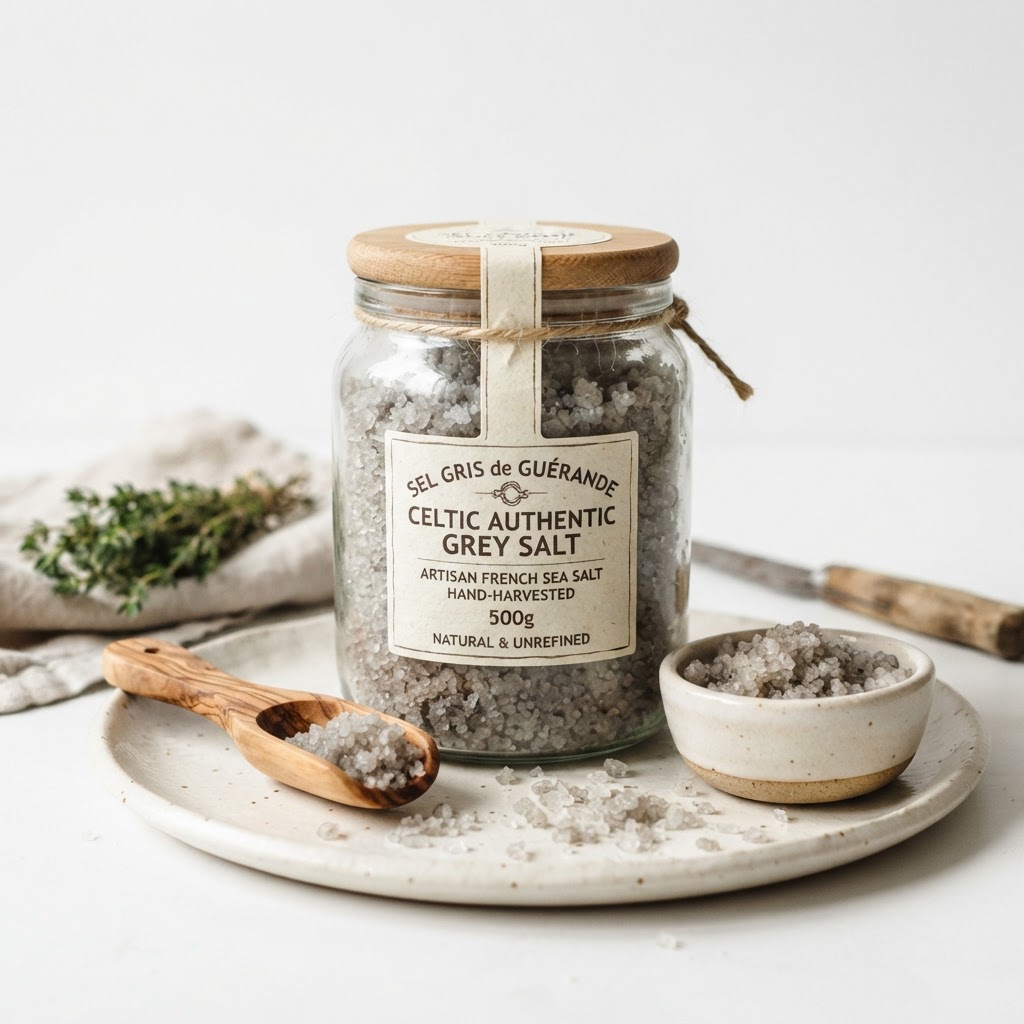
Celtic salt fine is the finely ground version of the legendary grey sea salt harvested by hand from the ancient salt marshes of Guérande, in the Brittany region of northwestern France. Unlike heavily processed table salts that are stripped of their natural minerals and then chemically bleached, Celtic salt fine retains the full spectrum of trace minerals that make artisanal sea salt so nutritionally and culinarily distinct. The "fine" designation simply refers to the grain size — smaller and more easily dissolved than coarse grey salt — making it an incredibly versatile pantry staple for modern kitchens. As consumers around the world become increasingly conscious of what goes into their food, Celtic salt fine has emerged as one of the most sought-after natural salts available, prized for its mineral complexity, its subtle oceanic flavour, and its authentic provenance from one of the world's most celebrated salt-producing regions.
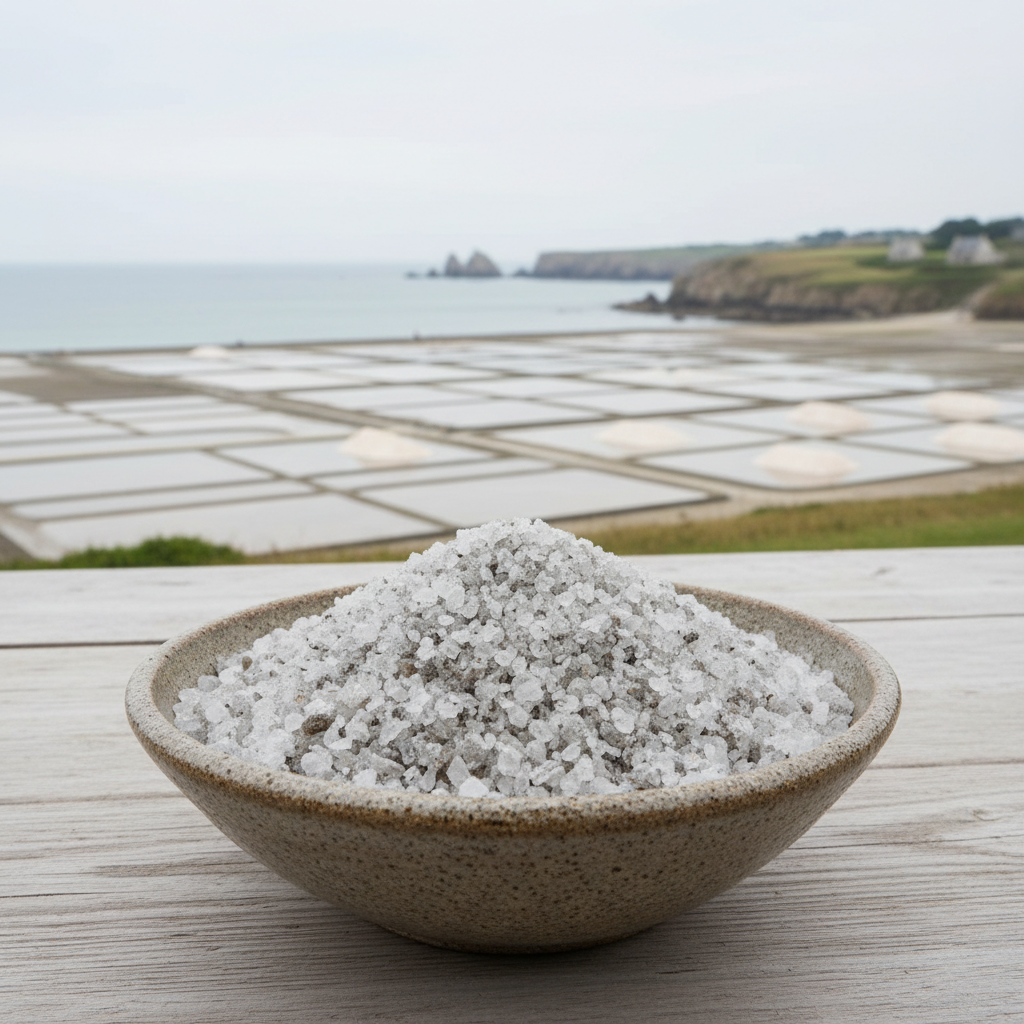
The significance of Celtic salt fine in 2026 cannot be overstated. We are living through a genuine renaissance in artisanal food production, where consumers are rejecting mass-manufactured ingredients in favour of products with traceable origins, sustainable harvesting methods, and genuine nutritional integrity. Celtic salt fine sits perfectly at the intersection of all these values. Harvested using techniques that date back over a thousand years, it is collected by skilled salt farmers known as paludiers who work the clay-lined salt pans of Guérande using only wooden tools and human labour. This commitment to traditional harvesting means that the salt retains its natural grey colour — a direct result of the clay minerals from the salt pan floor — and its characteristic moisture, which keeps the mineral content intact and gives it a uniquely satisfying texture.
In a world saturated with marketing claims and wellness trends that come and go, Celtic salt fine represents something genuinely enduring. The Guérande salt marshes have been producing salt using these same artisanal methods since at least the ninth century, and the craft has been protected by dedicated farming cooperatives for generations. The fine version of this salt has gained particular traction in recent years because of its ease of use — it dissolves quickly, disperses evenly, and can be used directly from a salt cellar without the need for a grinder. Professional chefs, home cooks, nutritionally minded individuals, and food artisans have all discovered that switching to Celtic salt fine delivers a meaningful upgrade to their cooking without requiring any significant change in technique or habit. It is, in the truest sense, a simple swap with profound results.
What truly sets 2026 apart in the conversation about Celtic salt fine is the level of scientific and culinary attention now being paid to the mineral content of artisanal salts. Research into the role of trace minerals in human health has accelerated significantly, and while it would be misleading to make specific medical claims, it is widely acknowledged by nutritionists and food scientists that minimally processed salts containing naturally occurring minerals offer a fundamentally different nutritional profile compared to refined table salt, which is essentially pure sodium chloride with anti-caking agents added. Celtic salt fine, with its naturally occurring magnesium, calcium, potassium, and over eighty trace minerals, represents a far more complex and complete mineral source. This growing body of awareness has made it not just a culinary choice, but a lifestyle one — and its fine grain format ensures that this choice is as practical and convenient as it is meaningful.
The Complete Guide to Celtic Salt Fine
Understanding Celtic salt fine requires a brief journey into the geography and geology of the Guérande peninsula. Located on the Atlantic coast of Brittany, Guérande sits at a latitude where the combination of coastal winds, strong sunshine during summer months, and the unique clay composition of the local terrain creates ideal conditions for natural salt evaporation. The salt marshes, known locally as marais salants, are a UNESCO-recognised heritage landscape covering thousands of hectares of carefully engineered tidal pools. Seawater flows in through a network of channels and reservoirs, gradually concentrating as it moves through successive pools and evaporates under the Breton sun. The final crystallisation occurs in shallow pans called oeillets, where the grey clay lining imparts both colour and mineral richness to the harvested crystals.
Celtic salt fine is produced by taking the naturally harvested grey salt — which initially forms as larger, irregular crystals — and milling or grinding it to a finer, more uniform grain size. Crucially, this process is done without any washing, bleaching, or chemical treatment. The moisture inherent in freshly harvested grey salt is preserved, which is one reason why genuine Celtic salt fine has a slightly damp feel compared to dry, free-flowing table salt. This moisture is not a defect — it is a quality indicator. It signals that the salt has not been subjected to the industrial drying processes that drive off moisture along with volatile minerals, and it ensures that the salt clumps slightly when pressed between the fingers, releasing a clean, complex oceanic aroma that refined salts simply cannot replicate.
The grain size of Celtic salt fine typically falls in the range of 0.2 to 0.8 millimetres, making it fine enough to dissolve rapidly in liquids and to distribute evenly when sprinkled over food, but still substantial enough to provide a gentle textural presence. This is distinct from the ultra-fine powders produced by some industrial salt manufacturers, which often dissolve so instantaneously that they provide no perceptible texture at all. Celtic salt fine strikes a balance — it is practical enough for everyday cooking yet characterful enough to make a genuine difference to the sensory experience of a dish. It performs equally well in baked goods, where even salt distribution is critical to texture and flavour, and in finishing applications where a delicate mineral note elevates a simple dish to something special.
One of the most important aspects of the complete guide to Celtic salt fine is understanding how to store and handle it correctly. Because it retains natural moisture, Celtic salt fine should be stored in a non-metallic container — ceramic, glass, or wood are ideal — in a cool, dry location away from direct sunlight or heat sources. A lidded ceramic salt cellar is the traditional and most practical solution. The salt will naturally clump slightly during storage, particularly in humid environments, but this is easily managed by stirring with a dry wooden spoon or by placing a small piece of dry bread in the container to absorb excess moisture. Avoid storing it in metal containers, as the mineral-rich salt can react with metal over time. Properly stored, Celtic salt fine has an essentially indefinite shelf life — salt does not expire, though its moisture balance and mineral freshness are best preserved within the first two to three years of harvest.
Health and Culinary Benefits of Celtic Salt Fine
From a nutritional perspective, Celtic salt fine offers a profile that is genuinely distinct from refined table salt. While all salts are primarily sodium chloride, the key differentiator lies in what else is present. Refined table salt is typically 99.9% sodium chloride, with iodine added artificially and anti-caking agents included to ensure it flows freely. Celtic salt fine, by contrast, is approximately 82-84% sodium chloride, with the remaining percentage composed of naturally occurring minerals including magnesium chloride, calcium, potassium, iron, manganese, zinc, and a broad spectrum of other trace elements. These minerals are present in their natural ionic form, which means they exist in ratios that closely mirror those found in seawater and, interestingly, in human blood plasma. Nutritional researchers have noted this parallel with considerable interest, though it is important to approach any health-related discussion with appropriate nuance and to consult healthcare professionals regarding dietary choices.
The slightly lower sodium chloride content of Celtic salt fine compared to refined salt is a practical consideration for those monitoring their sodium intake. Because the salt is less purely sodium and contains other minerals, a given volume of Celtic salt fine delivers somewhat less sodium than the same volume of refined table salt. This does not mean it is a low-sodium product — it is still salt, and should be used in sensible quantities — but it does mean that those who season their food to taste may naturally end up consuming slightly less sodium when cooking with Celtic salt fine. Additionally, many people who switch to artisanal grey salt report that its more complex flavour means they use less of it overall, since it delivers a more satisfying and rounded saltiness that does not require as large a quantity to achieve the desired effect.
Culinarily, the benefits of Celtic salt fine are immediate and undeniable. Its complex mineral flavour — often described as briny, subtly sweet, and faintly earthy — adds depth to dishes in a way that pure sodium chloride cannot. When dissolved in cooking water for pasta, grains, or vegetables, it imparts a gentle oceanic quality that elevates even the simplest preparations. In baking, its even distribution ensures consistent flavour throughout bread, pastry, and biscuit doughs, while its natural moisture helps maintain the hydration balance in certain recipes. For meat and fish, a dry brine using Celtic salt fine draws out surface moisture and then reabsorbs it along with the dissolved minerals, creating a seasoning effect that penetrates deeper and more evenly than coarse salt. Chefs across Europe and increasingly in North America and Asia have made Celtic salt fine a cornerstone of their seasoning philosophy, not because of trend-chasing, but because it genuinely makes food taste better. You can explore more about how traditional salt enhances cooking techniques in our guide to using Celtic salt in cooking.
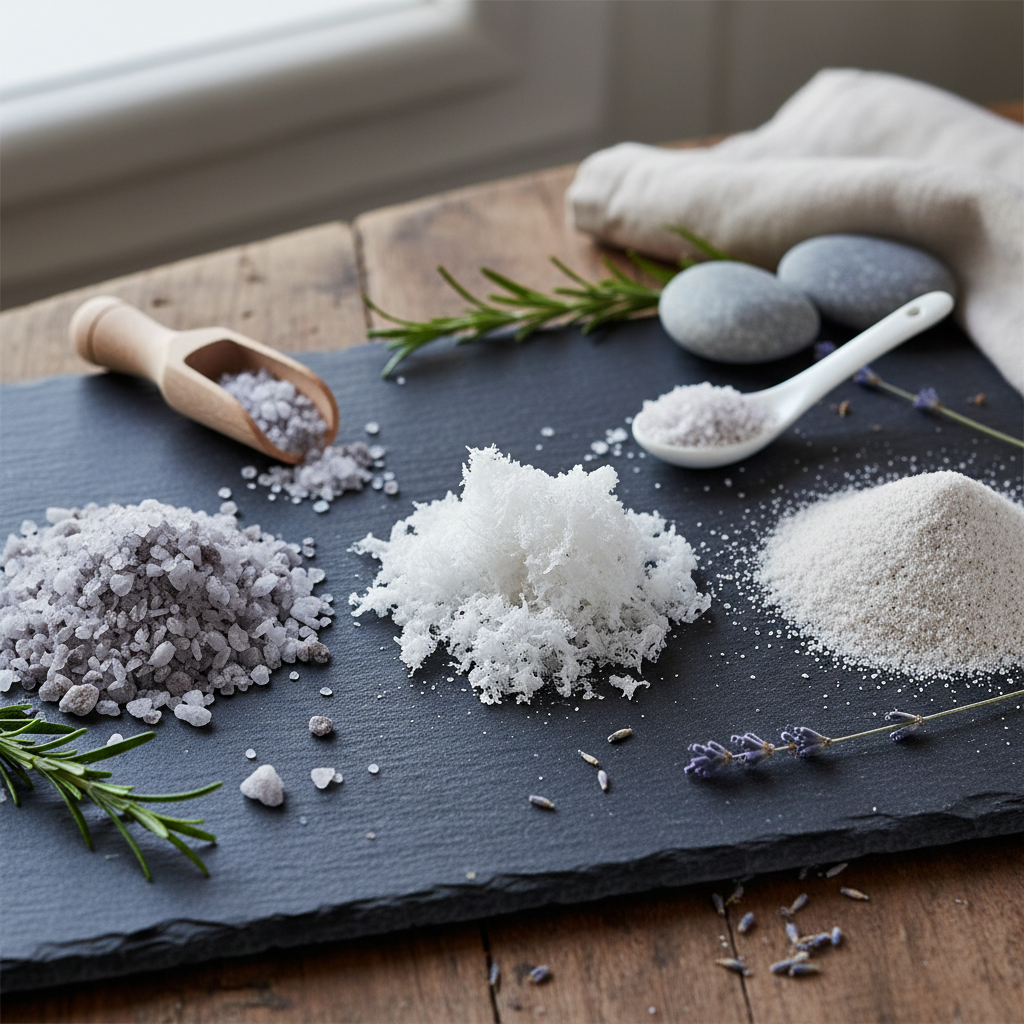
Beyond cooking, Celtic salt fine has found applications in wellness rituals, skincare formulations, and food preservation. Its mineral richness makes it a popular ingredient in homemade bath salts and body scrubs, where the fine grain size is ideal for gentle exfoliation without abrasion. In fermentation and pickling, its natural mineral content supports the microbial activity responsible for lacto-fermentation, and its lack of additives means it will not inhibit the beneficial bacteria that make fermented foods so nutritionally valuable. The use of natural, additive-free salt in fermentation is not merely aesthetic preference — anti-caking agents and iodine additions in refined salt can genuinely interfere with fermentation processes, making Celtic salt fine a functionally superior choice for anyone making their own kimchi, sauerkraut, pickles, or sourdough.
How to Use Celtic Salt Fine — Expert Tips
The versatility of Celtic salt fine means that it can replace refined salt in virtually every application without requiring any adjustment to quantities or technique — and in most cases, it will produce noticeably better results. The key to getting the most from Celtic salt fine lies in understanding when to add it, how much to use, and which applications benefit most from its specific characteristics. The following expert tips are drawn from professional culinary practice and from the traditions of the Breton salt-farming communities who have been cooking with this salt for generations.
For everyday cooking, use Celtic salt fine exactly as you would use any fine salt — in cooking water, in sauces, in dressings, and as a seasoning throughout the cooking process. Because its flavour is more complex than refined salt, start with the same quantity you would normally use and then taste before adding more. Many cooks find they need slightly less Celtic salt fine to achieve their preferred level of saltiness, simply because its mineral complexity registers more fully on the palate. In pasta water, use generously — a large pot of vigorously boiling water should taste like mild seawater before you add the pasta. In salad dressings, Celtic salt fine dissolves readily in acidic liquids like lemon juice and vinegar, making it ideal for vinaigrettes and marinades.
For baking, Celtic salt fine is an excellent choice precisely because of its even grain size and reliable dissolution. In bread doughs, add it after the initial mixing stage to avoid it coming into direct contact with the yeast, which it can inhibit in high concentrations. In pastry, mix it thoroughly with the flour before adding fats and liquids to ensure even distribution. For sweet baked goods like cookies, cakes, and caramels, Celtic salt fine's subtle mineral sweetness is particularly complementary — the classic combination of salt and caramel is elevated when the salt itself carries a faint oceanic sweetness rather than the sharp, one-dimensional hit of refined salt. A pinch of Celtic salt fine in chocolate ganache or brownie batter will produce a noticeably rounder, more satisfying flavour.