Hand-harvested Guérande salt · Tracked international delivery included
Guide· by Celtic Salt Editorial Team
Celtic Rock Salt
Introduction — Why Celtic Rock Salt Matters in 2026
As we move into 2026, the importance of natural and unrefined culinary ingredients continues to grow. Among these, Celtic rock salt stands out for its unique properties and rich heritage. This salt, harvested from the coastal regions of France, specifically from Brittany, not only adds flavor to our dishes but also brings with it a legacy of tradition and sustainability. With consumers increasingly seeking out healthier and more authentic food options, Celtic rock salt is carving out its niche in a competitive market.
The journey of Celtic rock salt from the ocean is steeped in history, involving methods passed down through generations of paludiers, or salt harvesters. These artisans utilize traditional techniques in the salt marshes, resulting in a product that is unrefined and packed with minerals. In a time when processed foods dominate grocery aisles, the appeal of a natural product like Celtic rock salt cannot be overstated. Its distinctly gray color, texture, and briny flavor add character to a variety of culinary creations, making it a welcomed addition to any spice rack.
Moreover, as the global community continues to emphasize sustainable practices, Celtic rock salt represents a commitment to environmentally-friendly harvesting and production. Its rising popularity in gourmet cooking, wellness, and home seasoning reflects a broader shift towards valuing quality over quantity in our food choices. Thus, understanding, appreciating, and incorporating Celtic rock salt in our everyday cooking is not just a trend but a return to valuing the earth’s gifts in their most authentic form.
What Is Celtic Rock Salt?
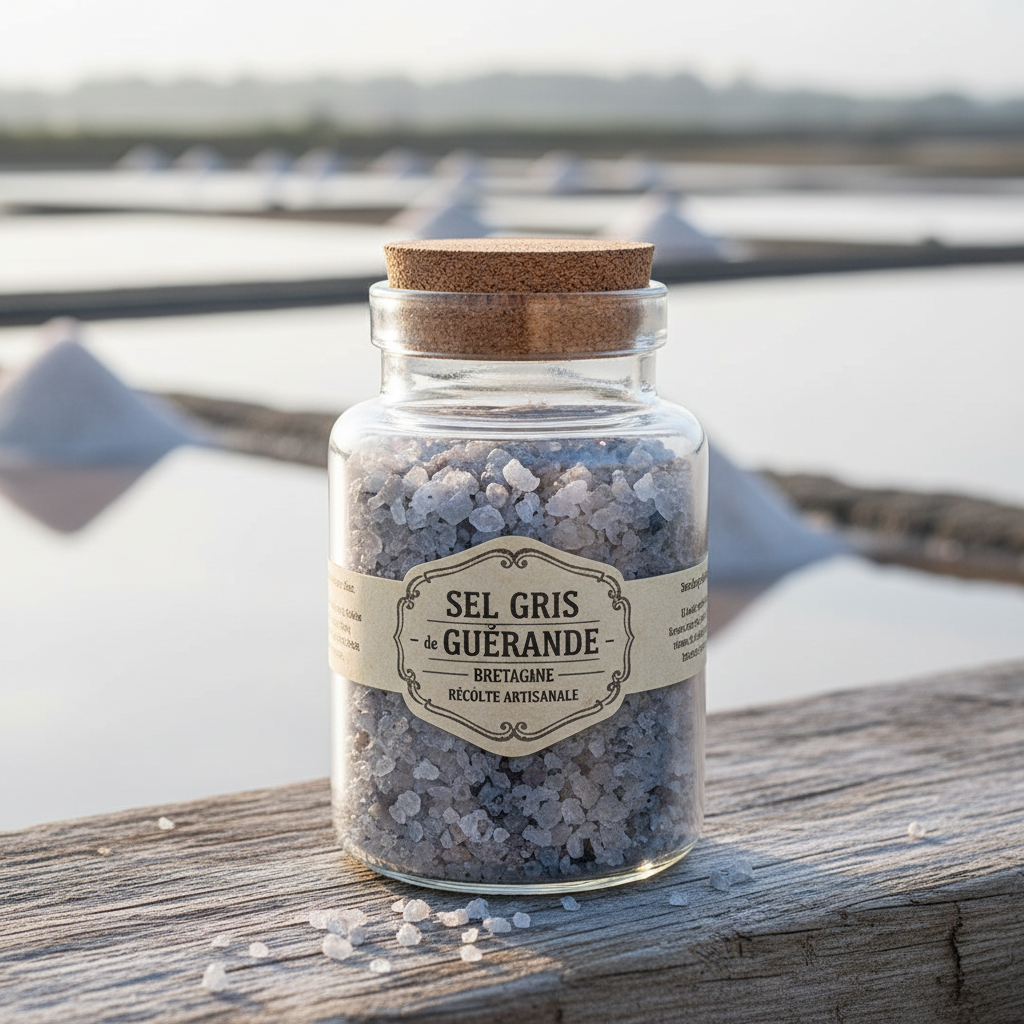
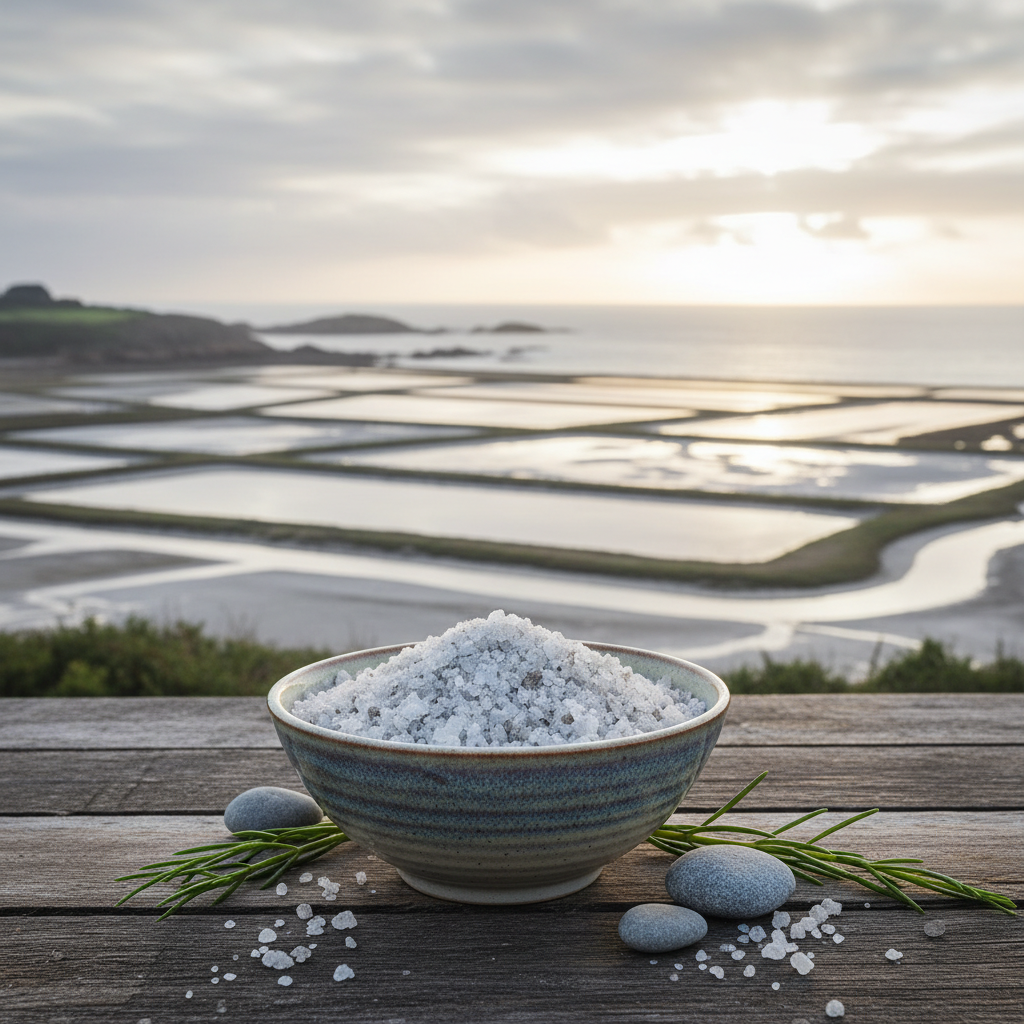
Celtic rock salt, or fleur de sel de guérande, is a type of sea salt that comes from the coastal salt marshes located in Guérande, Brittany, France. It is known for its distinctive gray color, which is due to the presence of mineral-rich clay found in the salt flats. The salt is harvested by skilled paludiers who take a meticulous approach to collecting it, ensuring that the unique characteristics and flavors are preserved.
The harvesting process is labor-intensive and requires favorable weather conditions. During low tide, paludiers carefully rake the top layer of the salt crust to gather the delicate crystals that form on the water’s surface. Unlike most commercial salts, which are often refined and stripped of minerals, Celtic rock salt retains its natural moisture and mineral content, providing a complex flavor profile that enhances various dishes.
The salt’s gray hue sets it apart visually and is an indicator of the beneficial trace minerals that it contains, such as magnesium, potassium, and calcium. These minerals not only contribute to the flavor but also play a role in the salt’s overall health benefits. Celtic rock salt is often celebrated in culinary circles for its natural flavor and artisanal quality.
In recent years, Celtic rock salt has gained recognition not just for culinary purposes but also as a sustainable product. Its harvesting methods support local economies and preserve natural habitats, making it a preferred choice for environmentally-conscious consumers. In 2026, understanding that Celtic rock salt is more than just a seasoning becomes crucial for appreciating its place in the modern kitchen.
Key Benefits and Properties
Celtic rock salt is celebrated for its multifaceted benefits, both culinary and environmental, making it a unique choice for any kitchen. One of the primary advantages is its rich mineral content, which includes a variety of essential elements like magnesium, calcium, and iron. These minerals not only enhance the flavor of food but can also contribute to a balanced diet when used in moderation.
One of the defining features of Celtic rock salt is its natural moisture content. This moisture helps to deliver a softer, more textured salt that clumps less, making it ideal for seasoning directly from the grinder or salt shaker. The flavor profile of Celtic rock salt is complex, often described as having a mildly briny taste with a subtle hint of sweetness and earthiness, unlike highly processed table salt which tends to have a more one-dimensional flavor.
Additionally, Celtic rock salt is known for its eco-friendliness. The traditional harvesting techniques employed by paludiers involve sustainable practices that respect the natural ecosystem of the salt marshes. This not only helps maintain the health of the environment but also supports local communities economically, as the salt harvest provides livelihood opportunities.
Another key benefit is its versatility in the kitchen. Celtic rock salt can be used not only for seasoning food but also in brines, marinades, and even baking. Chefs love to use it as a finishing salt to add a delightful crunch and burst of flavor atop finished dishes. This adaptability makes it a must-have ingredient for home cooks and professional chefs alike.
Finally, it is crucial to emphasize that Celtic rock salt is typically unrefined and free from the additives and chemicals commonly found in table salt. This purity enhances its appeal for those seeking to consume wholesome, natural products, aligning with the growing trend toward cleaner labels and more informed food choices.
How to Use Celtic Rock Salt: Practical Guide
Using Celtic rock salt in your cooking is both straightforward and rewarding. Its unique characteristics make it suitable for a wide range of culinary applications, ensuring that it can enhance the flavor and presentation of various dishes. Here’s a practical guide on how to incorporate Celtic rock salt into your cooking.
1. **Seasoning During Cooking**: Use Celtic rock salt when boiling pasta or blanching vegetables. Adding it to your boiling water not only helps to season the food evenly but also enhances the natural flavors. A general guideline is to add about 1-2 tablespoons per gallon of water.
2. **Finishing Salt**: One of the best ways to showcase Celtic rock salt is as a finishing salt. Sprinkle a pinch over cooked meats, fish, vegetables, or salads right before serving. This adds a delightful crunch and burst of flavor that elevates any dish.
3. **In Marinades and Brines**: Use Celtic rock salt in your marinades or brines for meats and vegetables. Its mineral content will infuse flavor deep within the food while breaking down tougher fibers, resulting in tender and flavorful dishes.
4. **In Baking**: While it may not be conventional, many artisanal bakers are now incorporating Celtic rock salt into bread and pastry dough. It can enhance the overall flavor and contribute to a better crust texture when baked.
5. **Mixing with Other Seasonings**: Combine Celtic rock salt with fresh herbs, spices, or citrus zest to create your own unique seasoning blends. This can add depth and complexity to your culinary creations.
6. **Garnishing**: Use it as a garnish for appetizers, cheeses, or charcuterie boards. The gray color and texture of the salt not only enhance the aesthetic appeal but also provide a burst of flavor with every bite.
7. **Infused Salts**: You can also create infused salts by mixing Celtic rock salt with flavors like garlic powder, smoked paprika, or dried herbs. This can add additional layers of flavor to your meals.
In conclusion, the uses for Celtic rock salt are practically endless, thus ensuring its place in your kitchen adventures. Its versatility not only enhances flavors but also allows for creativity in cooking, making it an essential ingredient for both casual and expert chefs.
How to Choose Quality Celtic Rock Salt
Choosing high-quality Celtic rock salt requires an understanding of its origins, harvesting methods, and packaging. Here are several factors to consider when selecting the best Celtic rock salt for your culinary needs.
1. **Source**: Authentic Celtic rock salt should come from the salt marshes of Guérande, Brittany. Check the packaging for labels or certifications that indicate the source, as this ensures you are purchasing the real thing. Authenticity is crucial as imitation salts may lack the distinctive qualities of true Celtic rock salt.
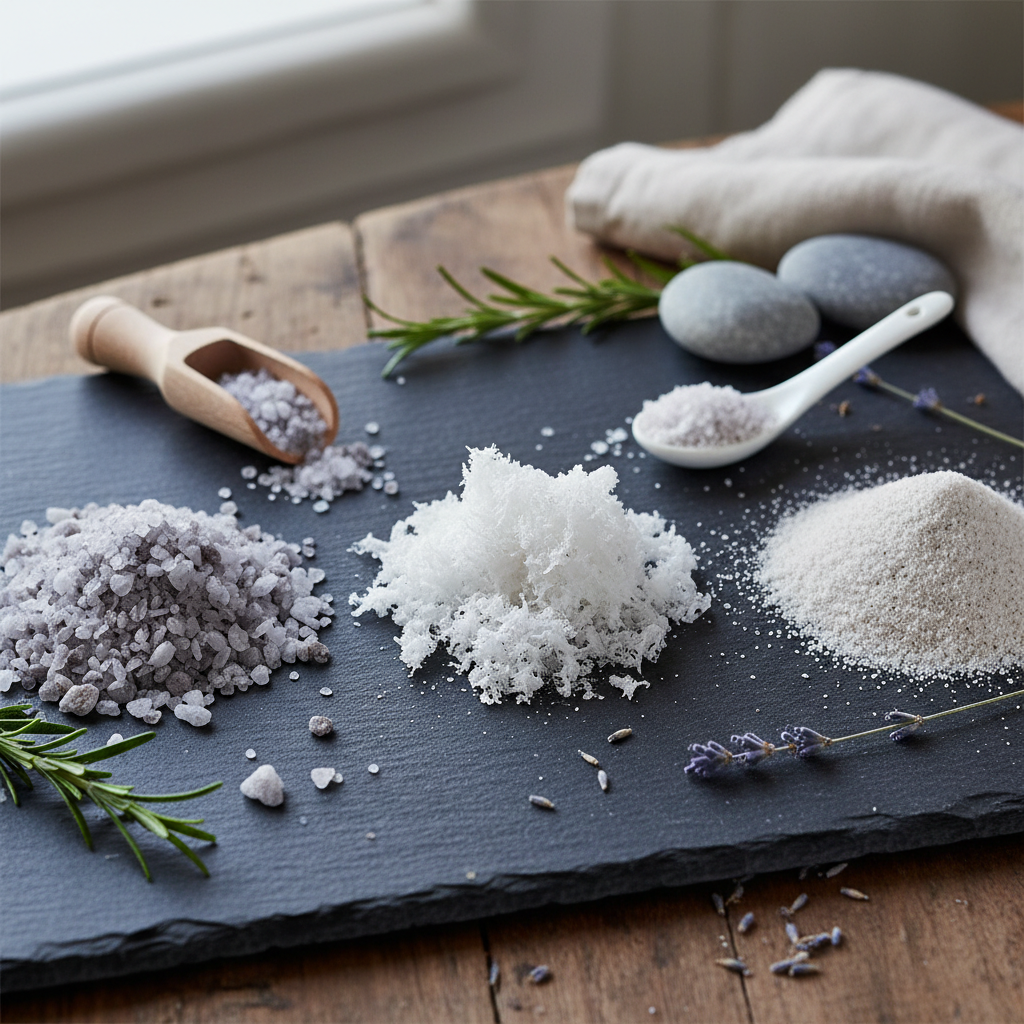
2. **Color and Texture**: High-quality Celtic rock salt is characteristically gray in color, attributed to the mineral-rich clay found in the harvesting area. It should appear slightly moist and have a coarse texture. Avoid overly dry or overly fine salts, as these may have been processed or adulterated.
3. **Packaging**: Purchase Celtic rock salt packaged in airtight containers whenever possible. This ensures the salt maintains its moisture content and freshness for a longer time. Avoid products in clear plastic bags or containers that may not protect the salt from moisture or light exposure.
4. **Organic Certification**: Check if the salt has any organic certifications. While Celtic rock salt itself is naturally occurring, organic certifications may indicate that the sediment is free from harmful additives and meets stringent farming and harvesting standards.
5. **Taste Testing**: If possible, taste the salt before purchasing. Authentic Celtic rock salt should have a complex flavor profile, with the mineral notes and slight brininess evident. A bland or overly salty flavor indicates lower quality or processing.
6. **Reputation of Supplier**: Purchase from reputable suppliers that specialize in gourmet or natural products. Research customer reviews and ratings to gain insight into other buyers' experiences with the product.
By considering these factors, you can choose a quality Celtic rock salt that will not only elevate your cooking but also reflect the traditional methods of its harvest and the authenticity of its origin.
Common Mistakes to Avoid
When it comes to using Celtic rock salt, there are several common mistakes that home cooks and culinary enthusiasts may make. Avoiding these pitfalls can help you maximize the benefits of this unique salt, ensuring that you achieve the desired flavor and texture in your dishes.
1. **Using Too Much Salt**: One of the most common errors is over-salting. Celtic rock salt is rich in flavor, so you may require less than you would with table salt. Start with a smaller amount and adjust according to taste, as you can always add more.
2. **Not Understanding Texture**: Celtic rock salt has a coarser texture compared to regular table salt. Using it in recipes that require fine salt may lead to uneven seasoning and a grainy taste. Be mindful of the texture, especially in baking, where precise measurements matter.
3. **Ignoring Pairings**: Some might overlook the importance of ingredient pairings. While Celtic rock salt pairs well with many foods, understanding which flavors complement the salt can enhance your dishes’ overall profile. Experiment with various herbs and spices to develop the best combinations.
4. **Storing Incorrectly**: Salt should be stored in a cool, dry place, ideally in an airtight container. Leaving it in a damp environment can lead to clumping or degradation of flavor. Avoid glass containers exposed to sunlight, which can alter the salt's qualities.
5. **Assuming All Sea Salts Are the Same**: Not all sea salts have the same properties. Comparing Celtic rock salt to other salts can be misleading. Each variety has unique mineral content and flavor profiles, so understanding its characteristics is crucial for proper culinary applications.
6. **Over-Reliance on Measurement Tools**: While measuring salt accurately is important, relying solely on measuring tools can miss the mark for flavors. Taste your dishes as you cook and adjust the seasoning based on the overall profile, rather than strictly adhering to measurements.
By avoiding these common mistakes, you can enhance your culinary skills and fully appreciate the unique qualities of Celtic rock salt, leading to better flavor and enjoyment in your cooking experience.
Frequently Asked Questions
What is the difference between Celtic rock salt and table salt?
Celtic rock salt is minimally processed and retains its natural minerals, while table salt is heavily refined and often contains additives like anti-caking agents. This difference contributes to the distinct flavor and texture of Celtic rock salt.
Can Celtic rock salt be used in baking?
Yes, Celtic rock salt can be used in baking, but due to its coarser texture, it might be better suited for bread or crusts rather than delicate pastries. It's essential to balance salt evenly in your recipes.
How should I store Celtic rock salt?
Celtic rock salt should be stored in a cool, dry place in an airtight container to maintain its freshness and prevent clumping. Avoid exposure to moisture and direct sunlight.
Is Celtic rock salt healthier than regular salt?
Celtic rock salt contains more trace minerals than regular table salt, offering a different flavor and texture. However, it should still be used in moderation as part of a balanced diet.
Where can I buy authentic Celtic rock salt?
Authentic Celtic rock salt can be purchased at specialty food stores, farmers’ markets, or online from reputable suppliers that focus on gourmet and natural products.
Conclusion
Celtic rock salt, with its rich history and unique properties, is more than just a seasoning—it’s a culinary treasure that has been celebrated for generations. Harvested from the pristine salt marshes of Guérande, Brittany, this salt brings with it a wealth of minerals and a texture that elevates everyday dishes to gourmet experiences. As we progress further into 2026, the shift towards more natural and authentic ingredients underscores the need for ingredients like Celtic rock salt in our kitchens.
From its versatility in cooking to its sustainable harvesting methods, Celtic rock salt is an ingredient that not only enhances flavor but also supports a movement towards better food choices. By understanding how to properly select, use, and store this salt, you can unlock its full potential in your cooking. Avoiding common mistakes and embracing its capabilities will lead you to a richer culinary journey.
In conclusion, whether you’re a seasoned chef or a novice cook, Celtic rock salt deserves a prominent place in your kitchen. Explore its many uses, experiment with its flavor profile, and most importantly, savor the experience of cooking with a product that embodies tradition and quality.
Celtic Salt — IGP Guérande
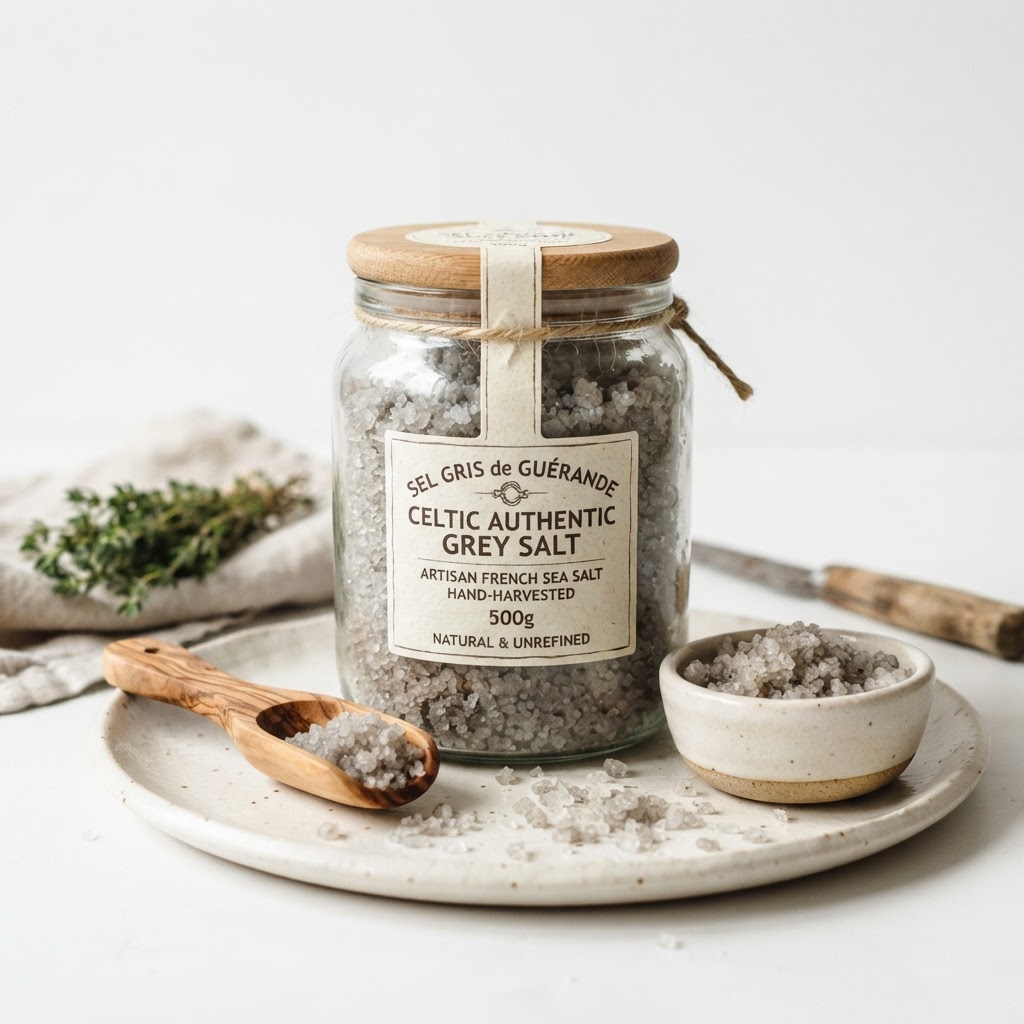
Hand-harvested by Breton paludiers. 500g / 17.6 oz jar, unrefined, trace minerals whose levels vary by harvest and product.