Hand-harvested Guérande salt · Tracked international delivery included
Guide· by Celtic Salt Editorial Team
Celtic Mineral Salt
Food information, not medical advice. Salt remains a significant source of sodium. Trace-mineral levels can vary by harvest and product, and culinary salt should not be used as a treatment or medical electrolyte supplement.
Introduction — Why celtic mineral salt Matters
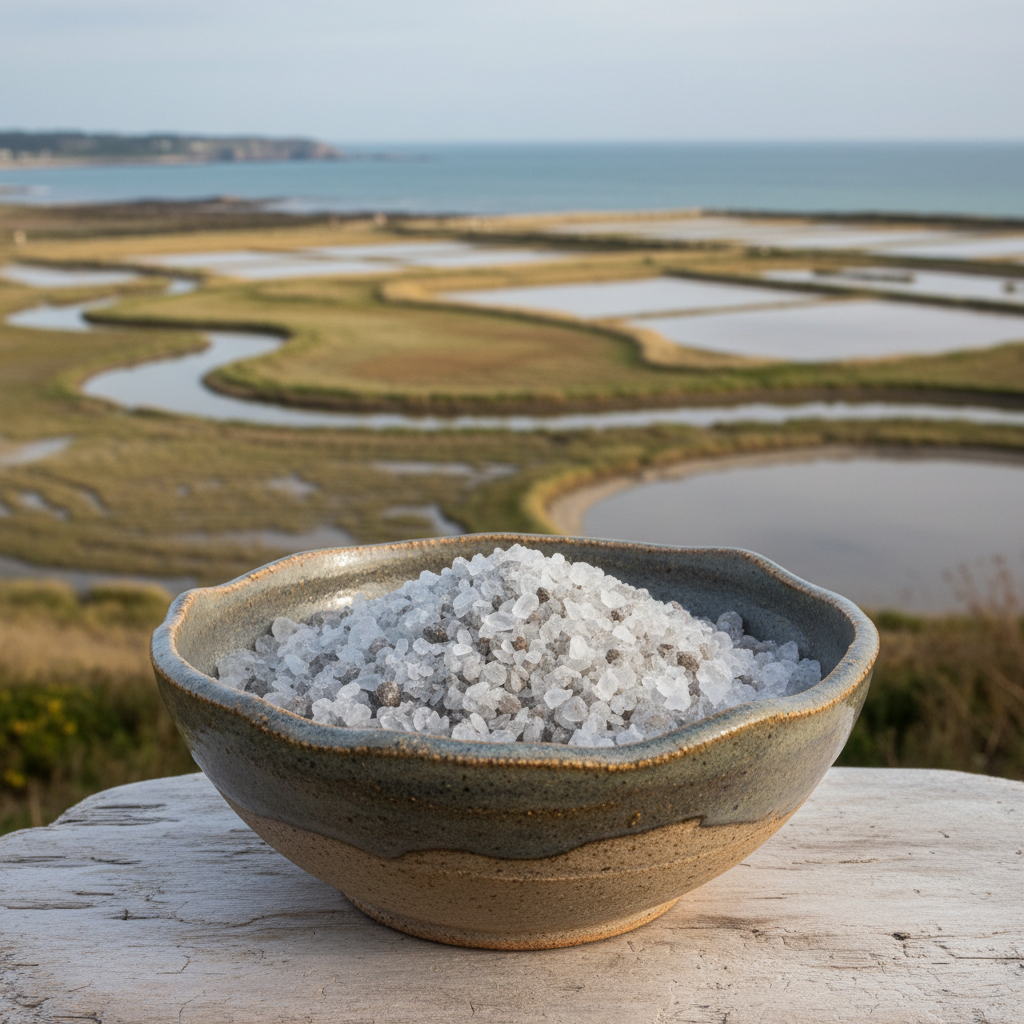
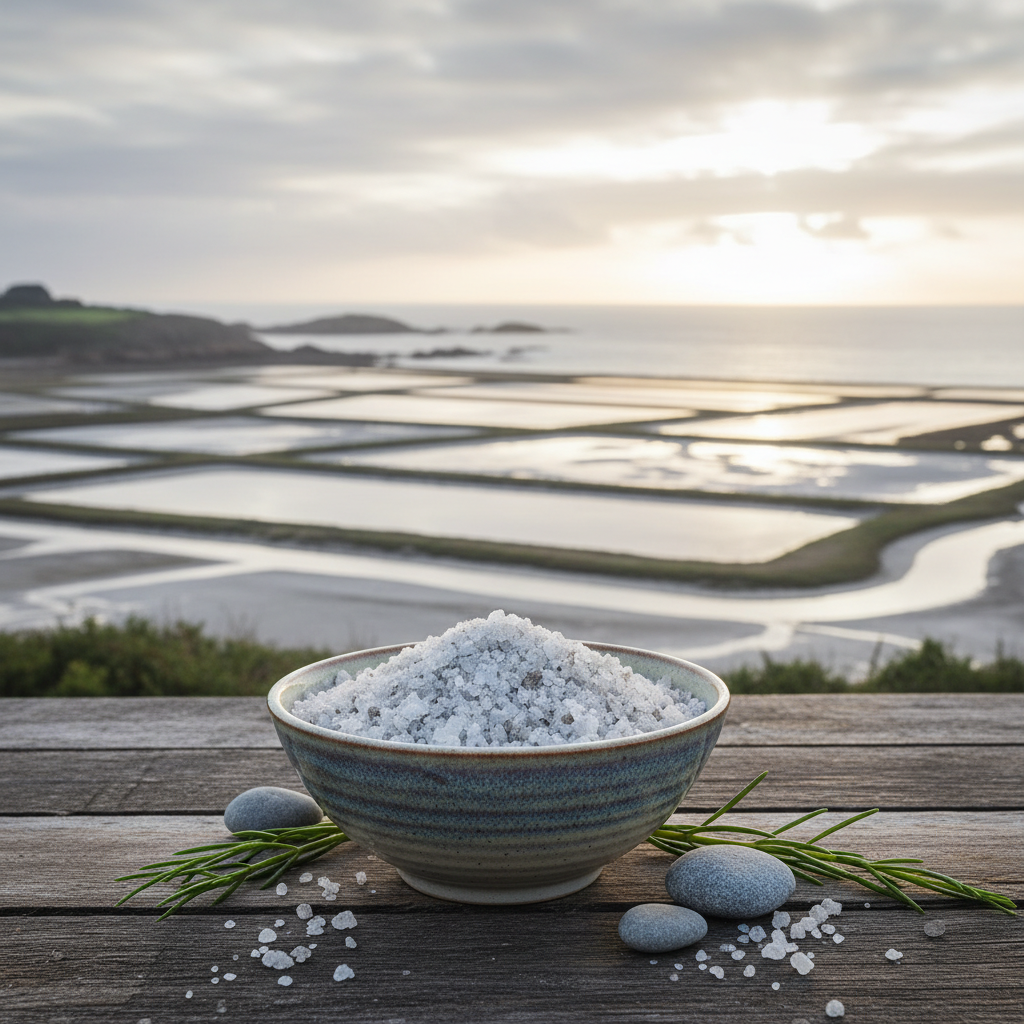
Celtic mineral salt, a treasure harvested from the pristine coastal marshes of Brittany, France, is not just a condiment for your meals; it is a symbol of culinary heritage and a source of essential minerals. As health-conscious consumers increasingly seek natural alternatives to processed ingredients, Celtic sea salt has emerged as an alluring option due to its unique flavor profile and potential benefits. Distinctive in its grey tint, which results from the natural clay and minerals in the salt flats, this unrefined salt reflects centuries of artisanal tradition. The production process engages the paludiers, traditional salt farmers, who employ age-old techniques to ensure that the salt retains its natural qualities, making it one of the most sought-after salts globally.
This article delves deep into what makes Celtic mineral salt unique and why incorporating it into your diet not only enhances the taste of your food but also supports a healthier lifestyle. With its distinctive taste and numerous culinary applications, Celtic salt is favored by chefs and home cooks alike. As awareness of the importance of minerals in our diets grows, understanding the value and uses of Celtic mineral salt helps you make informed choices in your cooking and wellness routines. From its nutritional richness to its versatile uses in daily life, Celtic mineral salt presents a holistic approach to dietary enrichment. Let’s explore the intricacies of this exceptional salt and how it can play a vital role in your kitchen and beyond.
What Is celtic mineral salt?
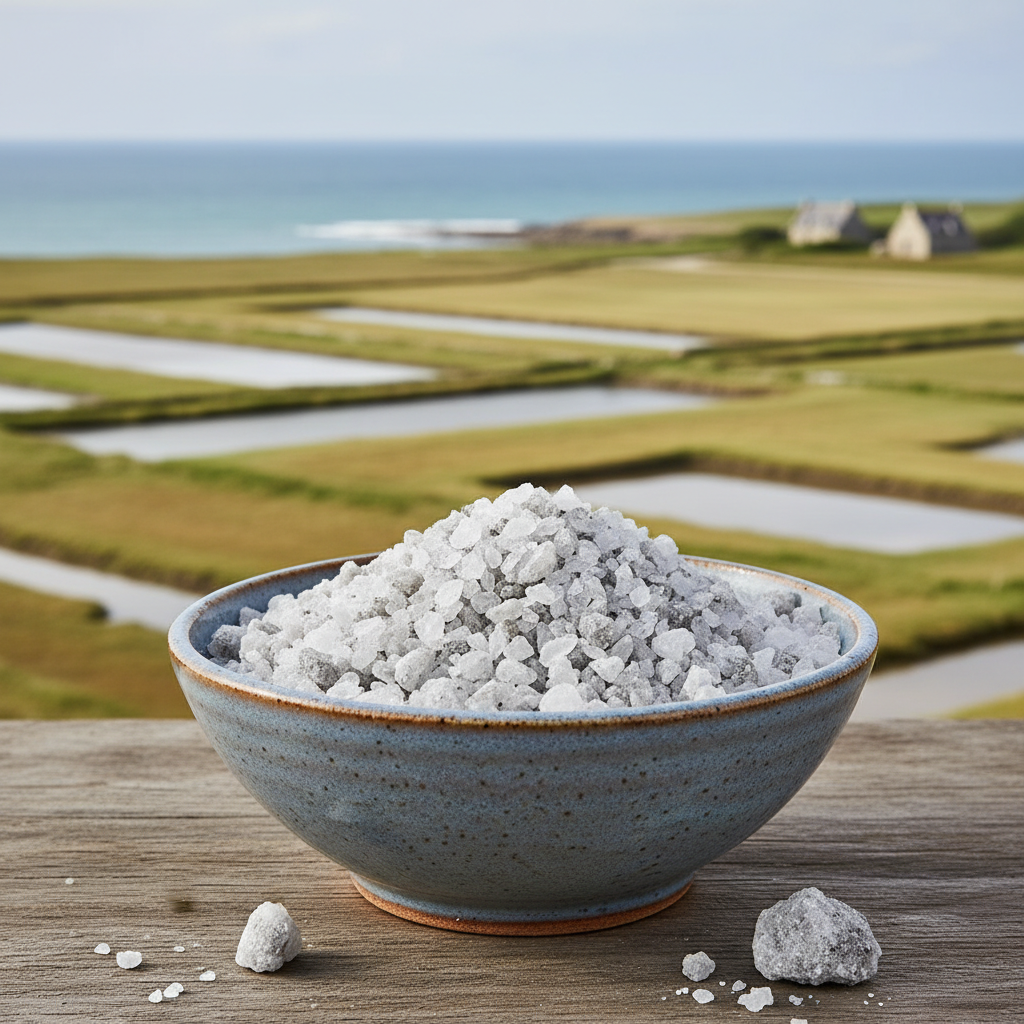
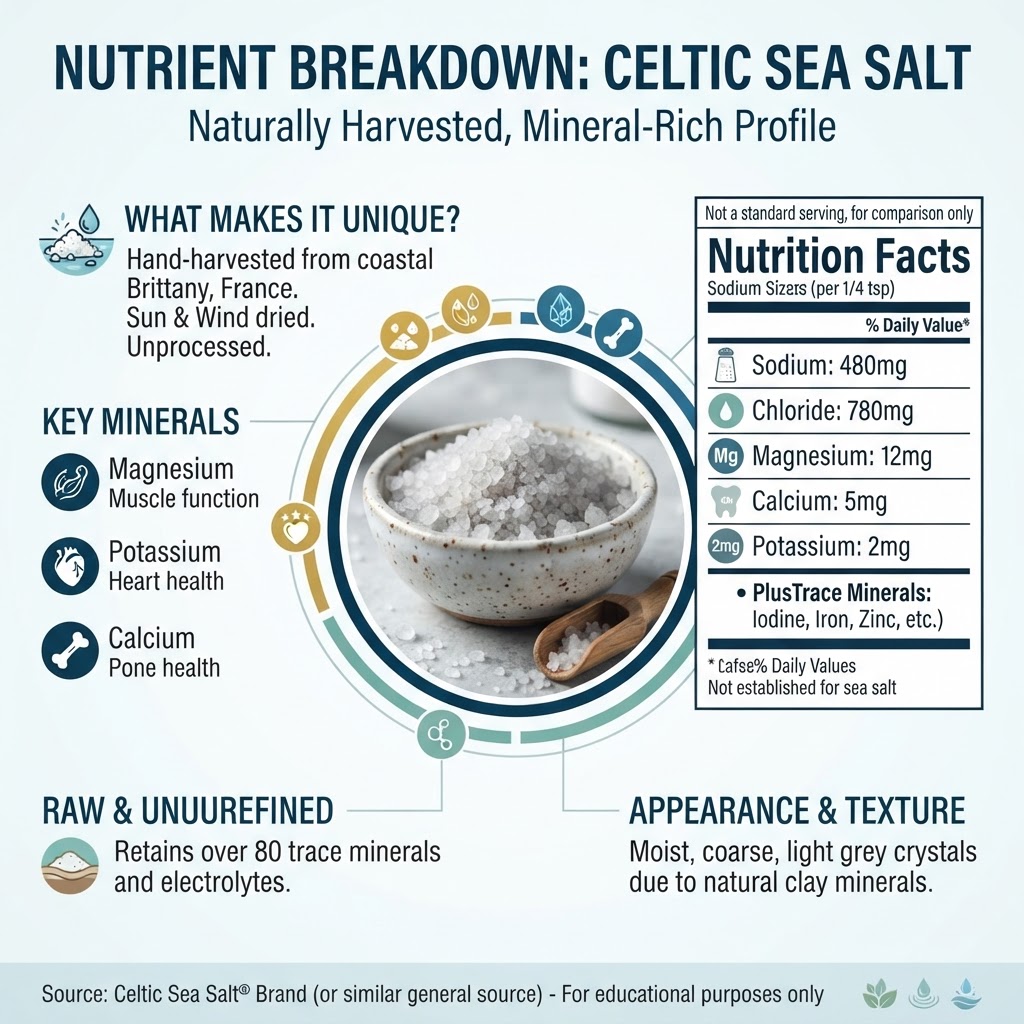
Celtic mineral salt, often referred to as grey salt, is harvested from the salt pans located in the Brittany region of France, particularly from the Guérande area. The production process of Celtic salt is steeped in tradition and has been handed down through generations. Unlike table salt, which undergoes extensive refining processes, Celtic salt remains unrefined, allowing it to retain its rich mineral content. The distinctive grey color of Celtic salt is attributed to the fine clay particles present in the salt flats, which contribute to its unique appearance and flavor.
The process of harvesting Celtic mineral salt is both labor-intensive and environmentally conscious. Paludiers, or traditional salt farmers, carefully channel seawater into shallow pools and allow it to evaporate under the sun and wind. As the water evaporates, salt crystals begin to form, which are then hand-harvested. This artisanal approach ensures the salt's purity and preserves its trace minerals, including magnesium, calcium, and potassium. These minerals not only enrich the flavor but also contribute to the salt's overall quality profile. As a result, Celtic mineral salt is renowned not just for its taste but also for its blend of essential nutrients, setting it apart in the world of culinary ingredients.
Key Benefits and Uses
Celtic mineral salt offers a range of attributes that make it a desirable component in any health-conscious kitchen. One of the primary benefits is its mineral content. Being unrefined, Celtic salt retains vital minerals that are often stripped away during the processing of table salt. These minerals may support overall well-being and contribute to hydration. Traditionally used in various culinary applications, Celtic salt's distinct flavor enhances the taste of both simple and complex dishes, making it a versatile ingredient in cooking.
Celtic mineral salt is often used as a finishing salt, bringing out the flavors of grilled meats, roasted vegetables, and even baked goods. Its mild yet distinctive taste profile elevates the overall dish without overpowering it, allowing the natural flavors of the ingredients to shine. Additionally, the salt’s unique texture can add an enjoyable crunch to dishes, appealing not only to the taste buds but also to the senses.
Beyond the kitchen, Celtic mineral salt has traditionally been used in various wellness routines, including skin care. Soaking in baths with Celtic salt can create a relaxing experience and may support skin health due to its mineral richness. As wellness trends continue to evolve, more consumers are turning to Celtic mineral salt for its multifaceted uses, finding it beneficial in both culinary and holistic applications. Overall, the rich flavors and potential benefits of Celtic mineral salt make it an excellent choice for anyone looking to enhance their dietary habits.
🧂 AUTHENTIC IGP GUÉRANDE SALT
500g / 17.6 oz · Hand-harvested · Brittany, France
How to Use celtic mineral salt in Your Daily Cooking — Practical Guide
Incorporating Celtic mineral salt into your daily cooking can elevate your culinary creations while adding much-needed nutrients to your diet. Here's how to effectively use this remarkable salt in your cooking. Start by understanding its flavor intensity; Celtic salt is often less salty than table salt, allowing for more generous applications without overwhelming your dishes.
When cooking, it's best to add Celtic mineral salt at various stages for optimal flavor. For example, seasoning proteins like fish or chicken with salt before cooking allows the flavors to penetrate deeply. A general rule of thumb is to use about a teaspoon of Celtic salt per pound of meat. Additionally, when preparing vegetables, sprinkle the salt before steaming or roasting to enhance their natural sweetness and flavor.
For salads, consider using Celtic mineral salt as a finishing touch. Just before serving, a light sprinkle over a fresh salad can bring freshness and enhance the taste of the greens, making it a delightful addition. When baking, although you may use traditional salt in your dough or batter, using Celtic salt on top of baked goods, such as focaccia or crusty bread, can create a beautiful contrast in texture and flavor.
For a simple culinary idea, try incorporating Celtic salt into your favorite soup recipes. Adding salt during the cooking process can deepen flavors, while a dash just before serving provides a fresh finish. Pairing Celtic salt with ingredients like olive oil, lemon juice, or even herbs and spices can create a perfect seasoning blend for dipping or drizzling. The versatility of Celtic mineral salt allows for limitless pairing options, which can enhance the overall taste of your dishes.
How to Use celtic mineral salt
Celtic mineral salt is not limited to cooking; it also plays a significant role in various lifestyle applications. Its versatility extends beyond the kitchen, allowing you to incorporate this exceptional salt into your wellness routines. One of the most popular methods is through salt baths. Adding Celtic salt to your bathwater can create a soothing and relaxing experience, helping to ease tension and promote a sense of calm.
The minerals found in Celtic salt, such as magnesium and potassium, are renowned for their skin-supporting properties. After a long day, treating yourself to a bath with Celtic mineral salt can create a spa-like ambiance at home. To enhance your experience, consider combining the salt with essential oils to create a personalized aromatherapy experience.
Another way to use Celtic mineral salt is in body scrubs. Mixing it with natural oils, such as coconut or olive oil, can create an exfoliating scrub that helps in removing dead skin, leaving your skin feeling refreshed and rejuvenated. This application showcases the salt's ability to contribute to beauty routines while promoting self-care.
Additionally, Celtic mineral salt can be used in salt inhalation practices. Some wellness enthusiasts find that the inhalation of salt particles can help clear the airways and promote relaxation. While this goes beyond traditional culinary uses, it highlights the diverse applications and benefits that Celtic mineral salt can provide.
Furthermore, its unique flavor can enhance snacks. Consider sprinkling a touch of Celtic salt on fresh popcorn, sliced fruits, or nut mixes to elevate your snacking experience. These lifestyle applications contribute to a holistic approach, making certainty that Celtic mineral salt can be a valuable addition to your overall wellness regime.
What to Look for When Buying
🧂 AUTHENTIC GUÉRANDE CELTIC SALT
Celtic Authentic Grey Salt – 500g / 17.6 oz
Hand-harvested · Unrefined · trace minerals whose levels vary by harvest and product · IGP certified
Another important aspect to consider is the salt’s appearance. Authentic Celtic mineral salt typically has a damp texture and a grey hue, which is indicative of the natural clay and mineral content it retains. If you find salt that is excessively dry or overly white, it may be overly processed or adulterated. An authentic product should have a rustic, artisanal appearance.
Packaging is also a key consideration. Look for brands that emphasize sustainability and environmentally friendly practices in their packaging. This reflects a commitment not only to quality but also to preserving the natural habitats from which the salt is harvested. Reputable brands often provide details about their harvesting methods, which can enhance your confidence in the product's quality.
Finally, consider researching brands and reading customer reviews. Feedback from other consumers can offer additional insights into the quality and taste of the salt. By keeping these critical factors in mind, you can ensure that you are purchasing high-quality Celtic mineral salt that will elevate both your cooking and wellness practices.
Common Questions About celtic mineral salt
What is the difference between Celtic mineral salt and regular table salt?
The main difference lies in the processing method. Celtic mineral salt is unrefined and retains natural minerals, giving it a unique flavor and grey color. In contrast, table salt undergoes extensive processing, which can strip away essential minerals.
Can Celtic mineral salt be used for baking?
Yes, Celtic mineral salt can be used in baking. However, it’s essential to consider its coarser texture when substituting for fine table salt. Using it as a finishing touch can create delightful flavor contrasts.
How should I store Celtic mineral salt?
Store Celtic mineral salt in a cool, dry place in an airtight container to maintain its quality and prevent clumping. A glass jar is an excellent option for this purpose.
Is Celtic mineral salt more expensive than regular salt?
Generally, yes. The artisanal harvesting methods and unique qualities of Celtic mineral salt often result in a higher price point compared to regular table salt. However, many consumers find the flavor and quality well worth the investment.
How can I incorporate Celtic mineral salt into my diet?
There are numerous ways to incorporate Celtic mineral salt into your diet, such as using it in cooking, as a finishing salt on dishes, or in wellness routines like baths. Its versatility makes it easy to enjoy.
Conclusion
Celtic mineral salt stands out as a premium choice for those seeking a natural, flavorful, and mineral-rich seasoning. With its rich history rooted in the salt marshes of Brittany and the traditional practices of paludiers, it offers not only culinary benefits but also various wellness applications. From simple seasoning to enhancing your self-care routines, the uses of Celtic mineral salt are diverse. As health-conscious consumers, incorporating this unique salt into your daily life can elevate both your meals and well-being. By understanding its benefits, quality indicators, and versatile applications, you can confidently explore all that Celtic mineral salt has to offer. Embrace this artisanal gem and enrich your life with its distinct flavors and potential wellness advantages.
Celtic Salt — IGP Guérande
Hand-harvested by Breton paludiers. 500g / 17.6 oz jar, unrefined, trace minerals whose levels vary by harvest and product.
Free shipping — standard tracked delivery included