The Science Behind Pickling and Salt Selection
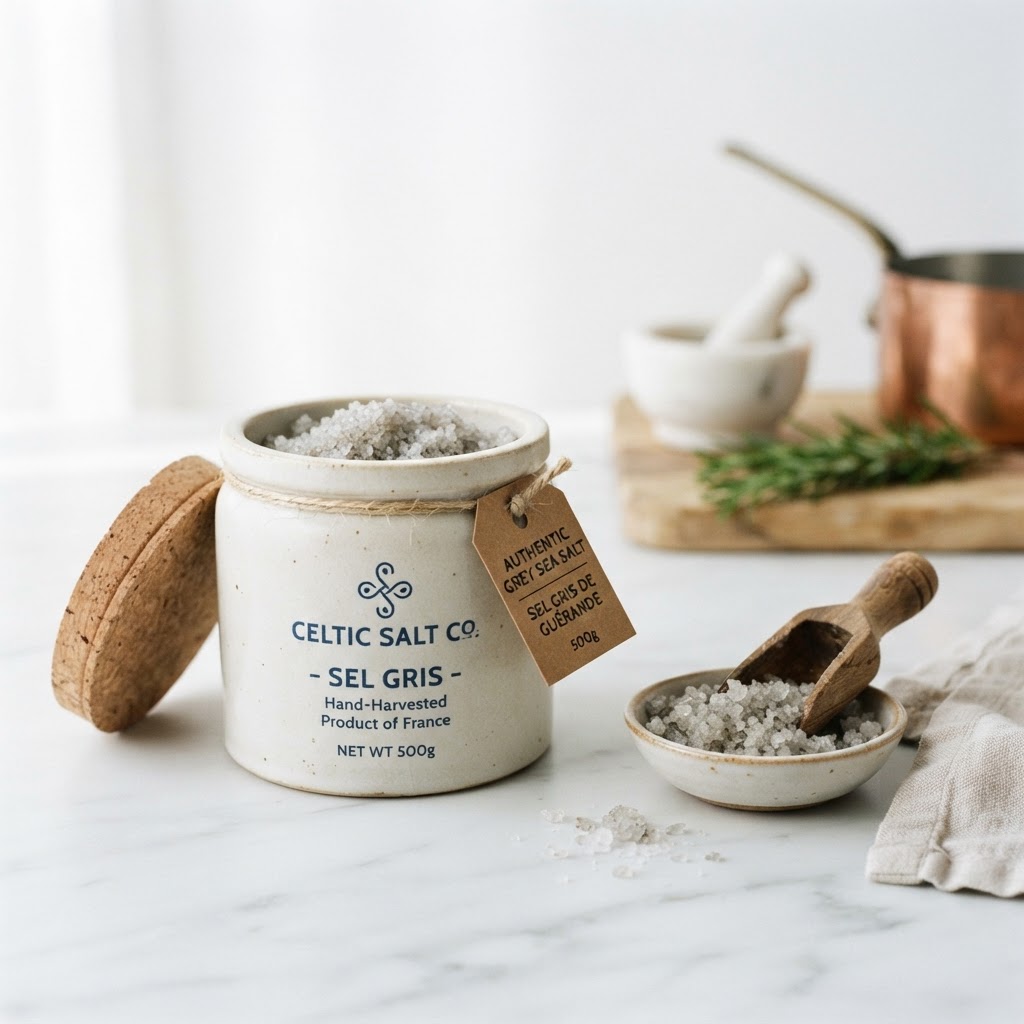
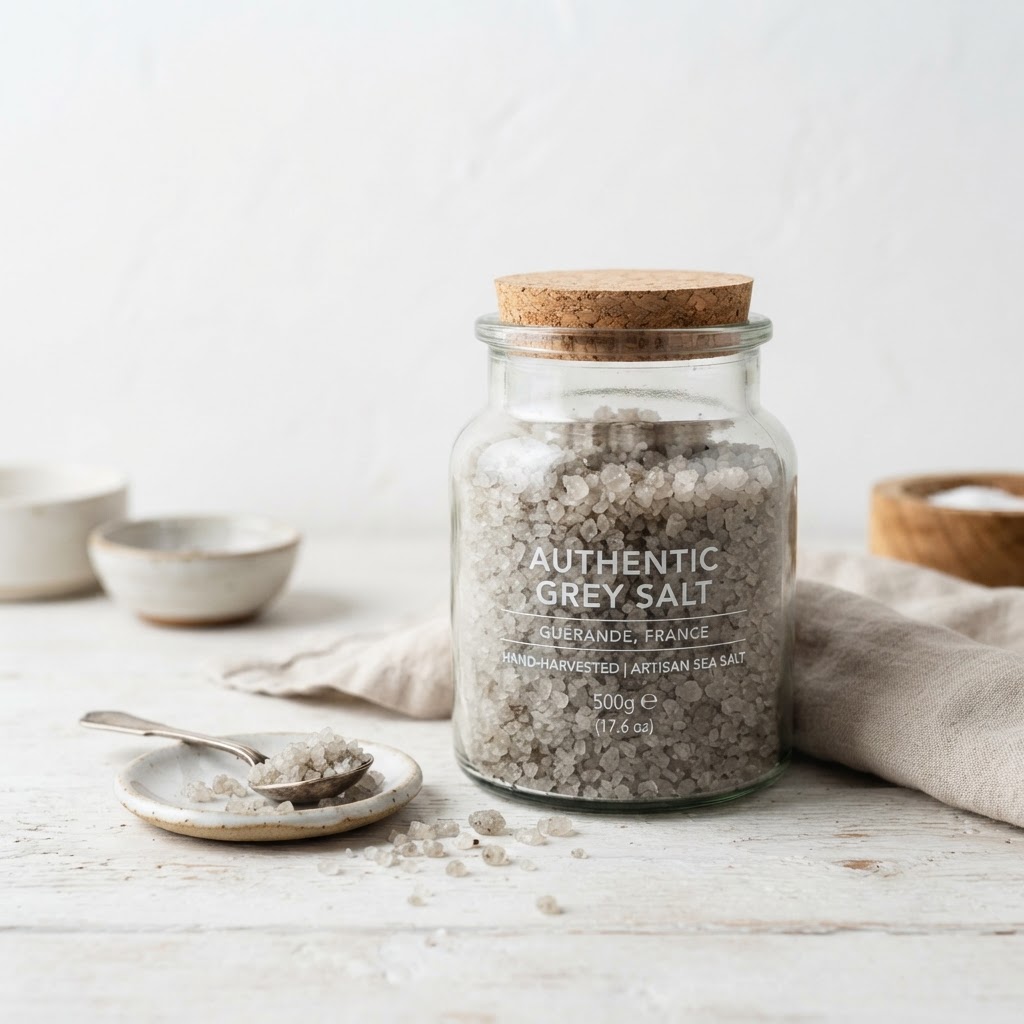
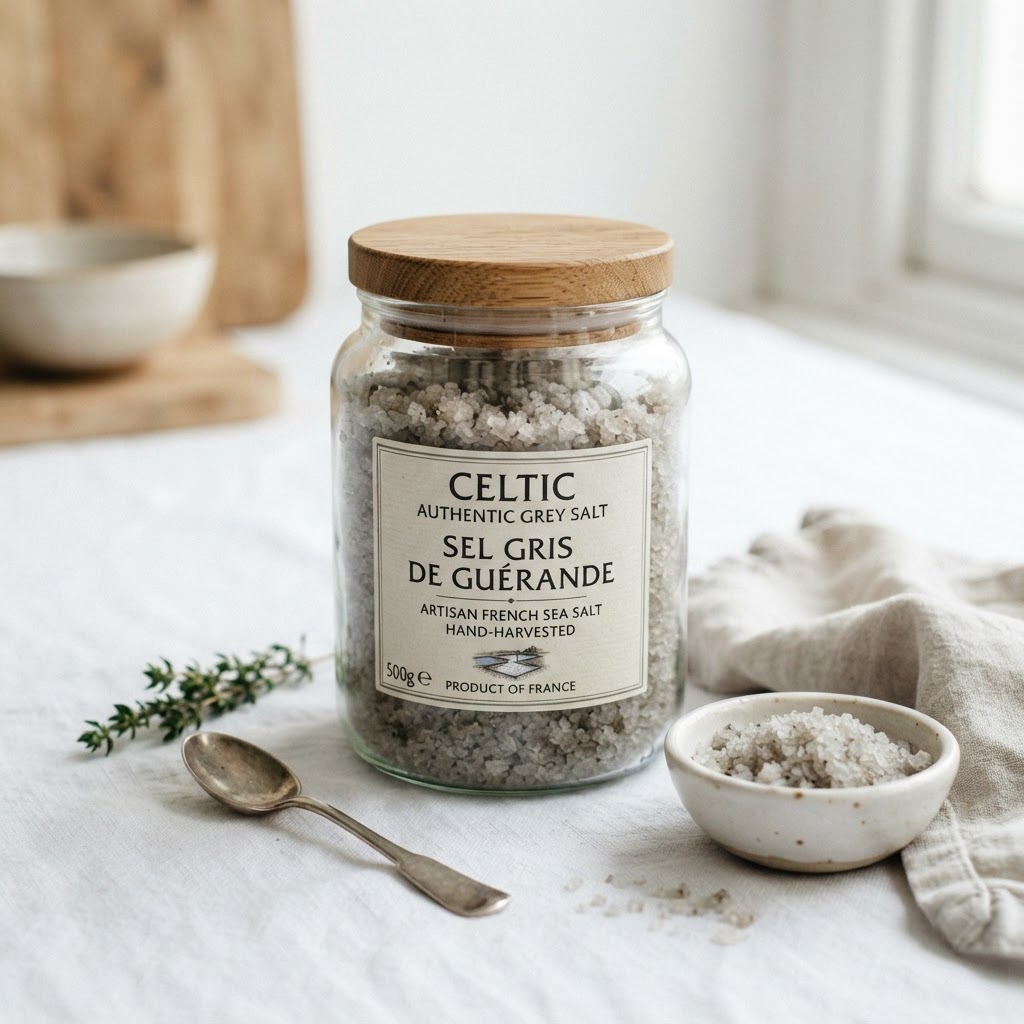
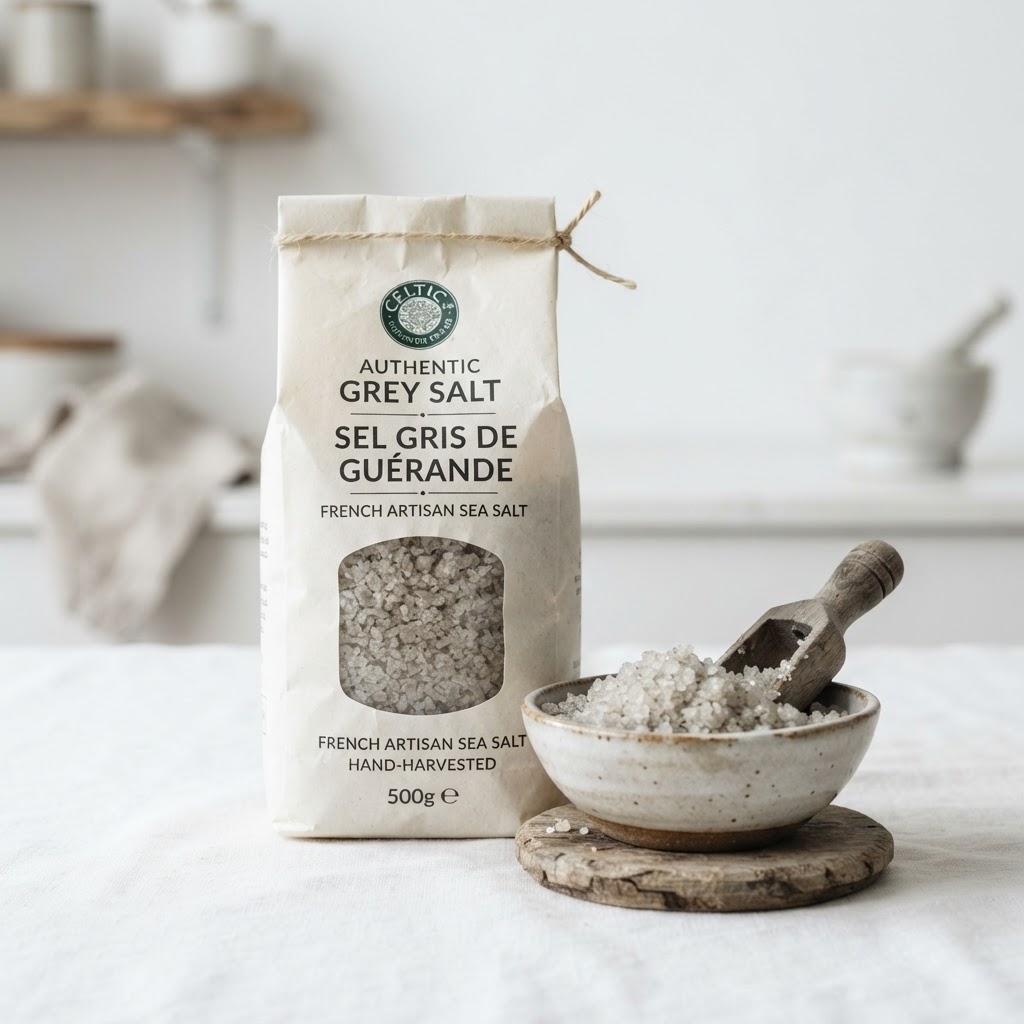
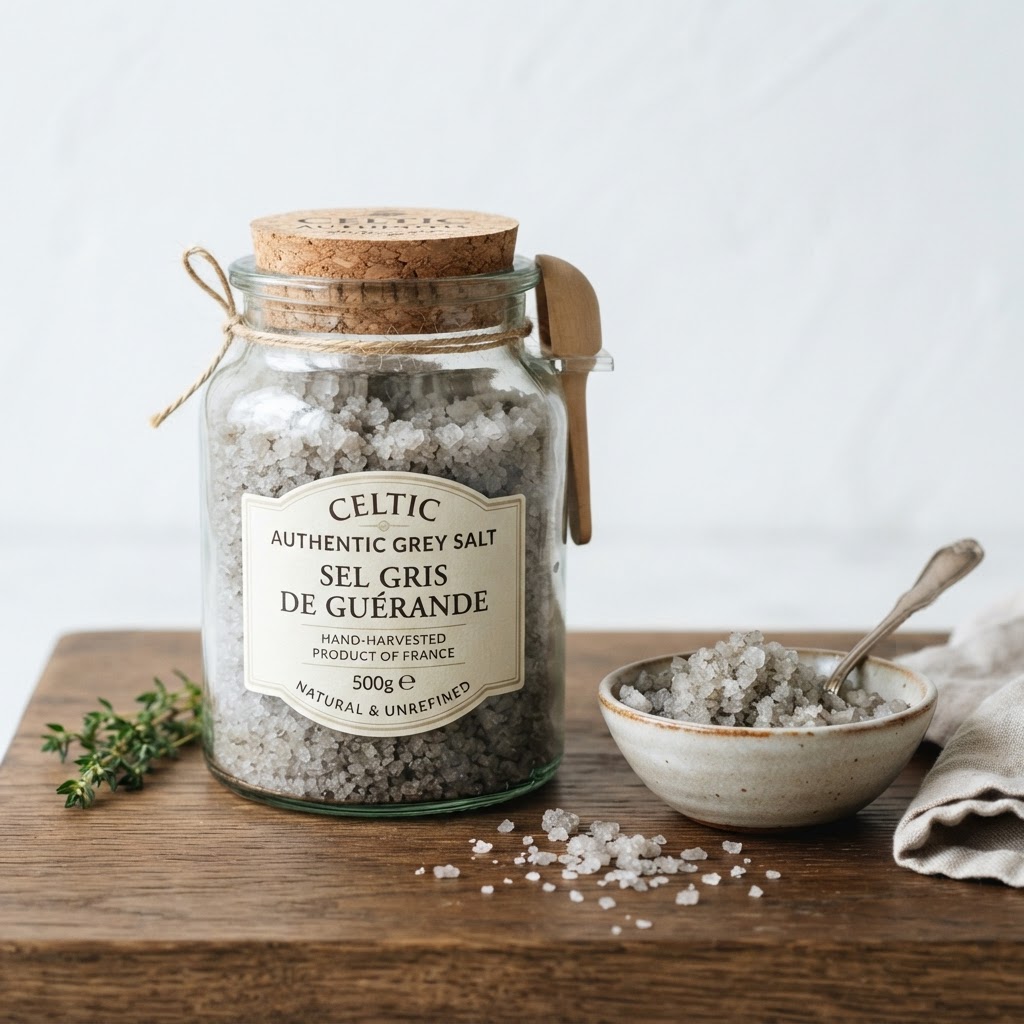
Pickling is an ancient art form that has transformed from a necessity for survival into a gourmet culinary pursuit. At its core, pickling—specifically lacto-fermentation—is a delicate dance between salt, water, and time. Many home fermenters wonder if they can use high-quality mineral salt for their preserves, and the answer is a resounding yes. When you use Celtic Authentic Grey Salt – 500g ($79.99), you are introducing a unique mineral profile to your brines that standard, highly processed table salts simply cannot provide.
The primary role of salt in pickling is to create an environment that inhibits the growth of unwanted putrefying bacteria while encouraging the proliferation of beneficial lactic acid bacteria. In our guide to How Is Celtic Sea Salt Made, we emphasize the integrity of our harvesting methods. Because our salt is hand-harvested from the pristine marshes of Guérande, it retains its natural moisture and a complex array of trace minerals. In the world of fermentation, these minerals can actually influence the texture and crispness of your pickles. While some myths suggest minerals might cloud a brine, true artisans know that these elements contribute to a robust fermentation process. To understand the deeper history of this ingredient, you might enjoy exploring our article on Salt Mythology, which highlights why humans have prized this specific type of harvest for centuries.
Using Celtic salt for your pickling projects ensures that you aren't just adding sodium chloride, but a living component of the terroir. The grey hue of the salt is a hallmark of the clay-lined salt pans of France, and when this salt dissolves into your brine, it brings with it a subtle depth of flavor that complements the raw vegetables. Whether you are pickling crunchy cucumbers, spicy carrots, or garden-fresh green beans, the mineral content helps maintain the cell wall integrity of the vegetables, leading to a superior snap in every bite.
What You Need: Equipment and Ingredients
Preparation is the cornerstone of successful fermentation. Before you begin, gather your supplies to ensure a seamless process. The most important ingredient, of course, is your Celtic Authentic Grey Salt – 500g ($79.99). Because it is unrefined and contains natural moisture, you will notice a difference in the way it dissolves compared to dried-out alternatives. You will also need high-quality spring water or filtered water; avoid chlorinated tap water, as chlorine can interfere with the beneficial bacteria required for successful fermentation.
For equipment, focus on glass vessels. Mason jars are the industry standard for home fermenters because they are easy to clean and allow you to monitor the fermentation process visually. You will also need fermenting weights (either glass or ceramic) to keep your produce fully submerged below the brine line. This is crucial because any vegetable exposed to air can grow mold. A breathable lid or an airlock system is also highly recommended to allow carbon dioxide to escape without letting oxygen inside.
Other essential items include a clean kitchen scale for precision, a sharp knife for cutting your produce into uniform shapes, and a bowl for preparing your brine. Consistency is key in fermentation, and using a scale will ensure that your salinity percentage remains within the safe 2% to 5% range. For those interested in other ways to integrate this salt into their daily rituals, check out our guide on How Much Celtic Sea Salt To Add To Drinking Water for tips on proper measurement and usage.
✨ Try it yourself: Celtic Authentic Grey Salt – 500g — $79.99 with free shipping.
Step-by-Step Instructions for Perfect Fermented Pickles
Follow these numbered steps to master the art of using Celtic salt for your next batch of artisanal pickles:
- Prepare the Produce: Wash your vegetables thoroughly. For cucumbers, remove the blossom end, as it contains enzymes that can soften the pickle during the fermentation process. Slice into spears or keep whole depending on your preference.
- Prepare the Brine: Calculate your salt-to-water ratio. A good rule of thumb is 3% salinity. For every 1 liter of water, add 30 grams of Celtic Authentic Grey Salt – 500g ($79.99). Whisk until the salt is fully dissolved.
- Pack the Jar: Place your vegetables into a clean Mason jar. Add aromatics like garlic, dill, mustard seeds, or peppercorns to build a complex flavor profile.
- Submerge: Pour your brine over the vegetables until they are completely covered. Place your glass or ceramic weight on top to ensure nothing floats above the surface.
- Seal and Store: Close the lid or attach your airlock. Place the jar in a cool, dark place, away from direct sunlight.
- The Waiting Game: Allow the pickles to ferment for 3 to 7 days, depending on the ambient temperature. Taste test after day three. Once they reach your desired level of tanginess, transfer them to the refrigerator to slow down the fermentation process.
Comparison: Standard Table Salt vs. Celtic Authentic Grey Salt
When selecting salt for pickling, the differences in composition can significantly impact your final result. The table below outlines the primary differences between common processed salts and our premium, hand-harvested option.
| Feature | Processed Table Salt | Celtic Authentic Grey Salt |
|---|---|---|
| Mineral Content | Stripped during refining | Naturally rich in trace minerals |
| Additive Content | Often includes anti-caking agents | Pure, no additives |
| Moisture | Extremely dry | Naturally moist |
| Flavor Profile | One-dimensional (salty) | Complex, earthy, nuanced |
| Best For | Basic kitchen chemistry | Artisanal fermentation |
⭐ IGP Certified — Guérande, France
Celtic Authentic Grey Salt – 500g
Hand-harvested · 80+ trace minerals · No additives
$79.99 $114.99
Free shipping — no minimum order
🛒 Get Your Bag — Free ShippingShips from France · Worldwide delivery · 30-day return guarantee
Pro Tips and Flavor Variations
Once you have mastered the basics of using Celtic salt for pickling, you can start experimenting with unique flavor combinations. One of the greatest advantages of using our grey salt is how it enhances the earthiness of root vegetables like beets or radishes. For a spicy kick, add sliced jalapeños or habaneros to your cucumber brine. The heat profile interacts beautifully with the mineral complexity of the salt, resulting in a deep, rounded flavor that is never just "hot."
Another pro tip for texture is to add a source of tannins to your jar. A single grape leaf, a small piece of oak bark, or even a black tea bag can help keep your pickles extra crunchy. The tannins work in harmony with the trace minerals in the Celtic Authentic Grey Salt – 500g ($79.99) to keep the vegetables firm, even after weeks of fermentation. If you are doing a longer fermentation, such as sauerkraut, consider mixing in caraway seeds or juniper berries to provide a classic European flavor profile. Always remember that fermentation is dynamic; do not be afraid to taste as you go, and keep a fermentation journal to track what ratios and temperatures yield your favorite results.
Finally, avoid rushing the process. Fermentation is a biological progression. While it might be tempting to pull your jars out of the pantry early, letting the acidity develop naturally is what gives the pickles that classic, lip-smacking tang. Using high-quality Celtic salt provides the stable foundation required for these complex flavor compounds to form properly.
Common Mistakes to Avoid
The most common mistake when using Celtic salt for pickling is miscalculating the salinity. If the brine is too weak, harmful bacteria can grow. If it is too strong, the fermentation process may stall entirely. Always weigh your ingredients rather than measuring by volume; a tablespoon of salt can vary in weight depending on how it's packed, but 30 grams is always 30 grams. Stick to the 3% to 5% range for the best results.
Another frequent error is failing to maintain the brine level. Even a small piece of vegetable peaking above the water line is an invitation for surface mold. Always use a reliable weight system. If you notice a thin white film on the surface of your brine called "kahm yeast," don't panic. It is generally harmless, but you should skim it off as it can sometimes affect the flavor of your pickles if left to sit too long. However, if you see colorful, fuzzy mold, it is safest to discard the entire batch. Using high-quality Celtic Authentic Grey Salt – 500g ($79.99) generally leads to a more active and vigorous ferment, which helps keep these issues at bay.
Lastly, ensure your jars are sterilized and that your hands and tools are clean. While fermentation is about encouraging "good" bacteria, you don't want to start your experiment by introducing a massive colony of "bad" bacteria into the mix. Treat your fermentation station like a laboratory, and you will be rewarded with delicious, safe, and nutritious pickles every single time you use your Celtic salt.
Ready to taste the difference?
Celtic Authentic Grey Salt – 500g — Hand-harvested · 80+ trace minerals · No additives
🛒 Get Your Bag — Free ShippingFree shipping · 30-day returns · Ships from France