The Evolution of Flavor: Understanding Authentic Salt
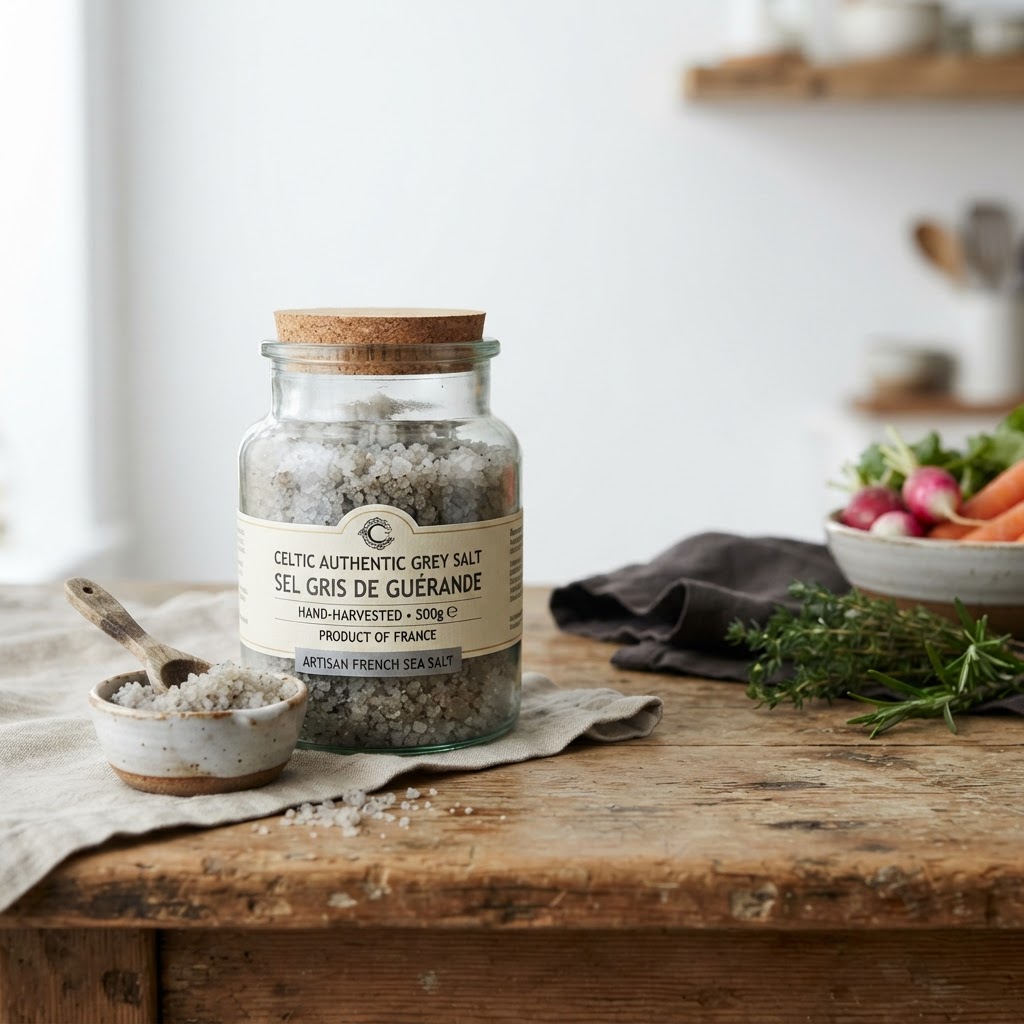
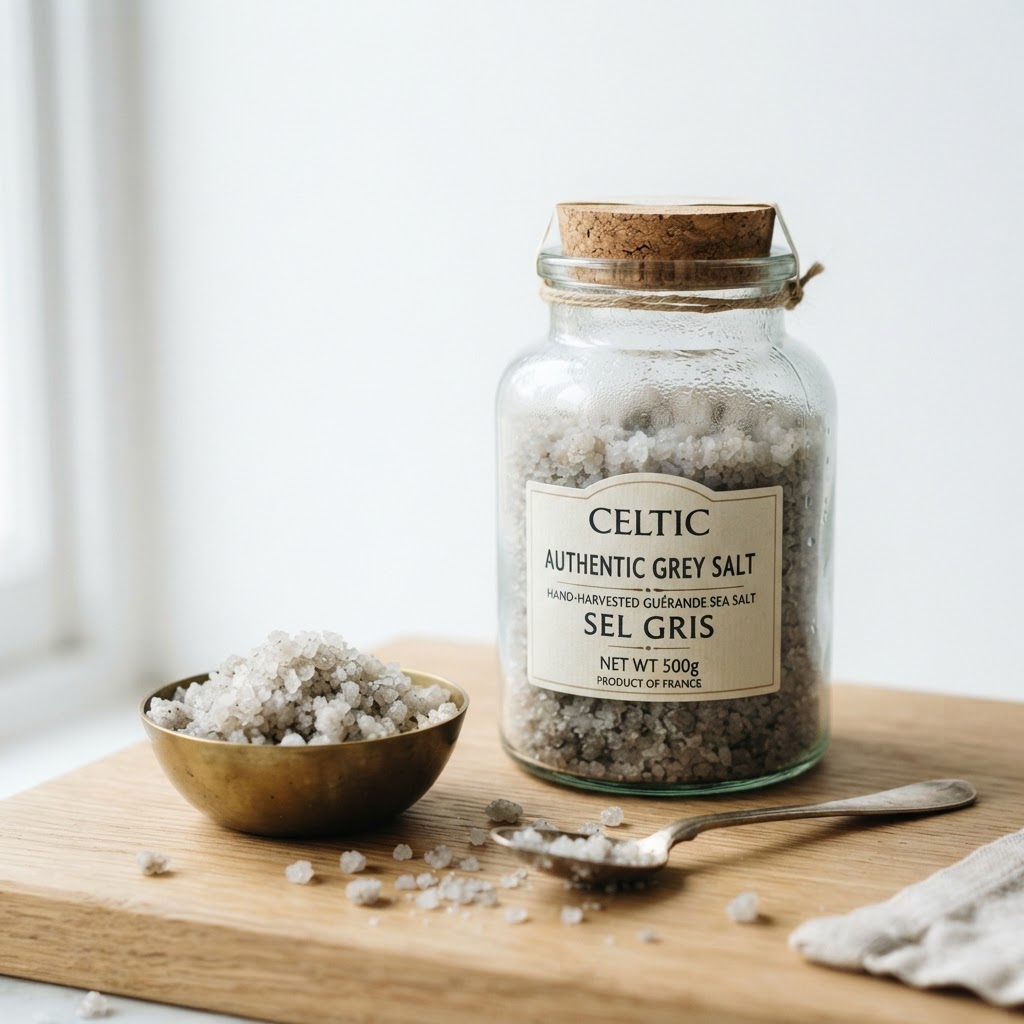
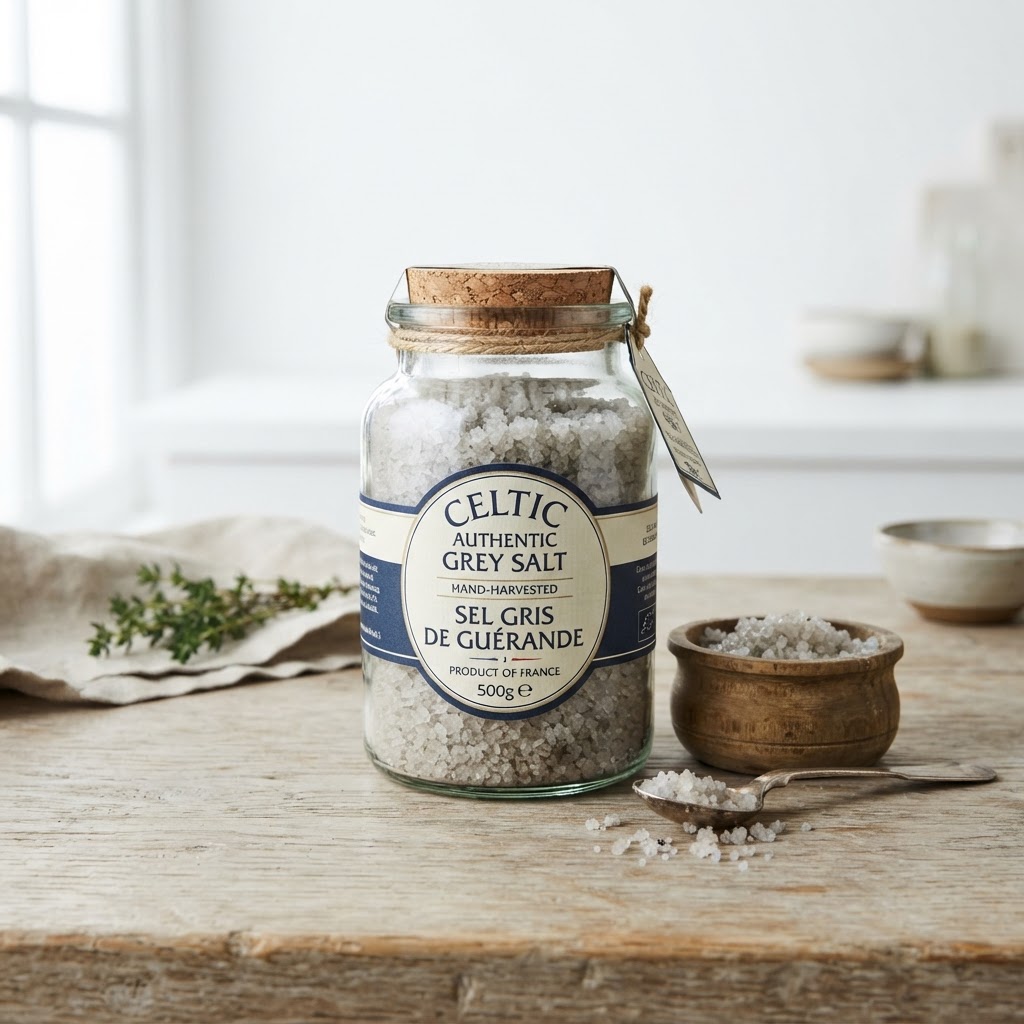
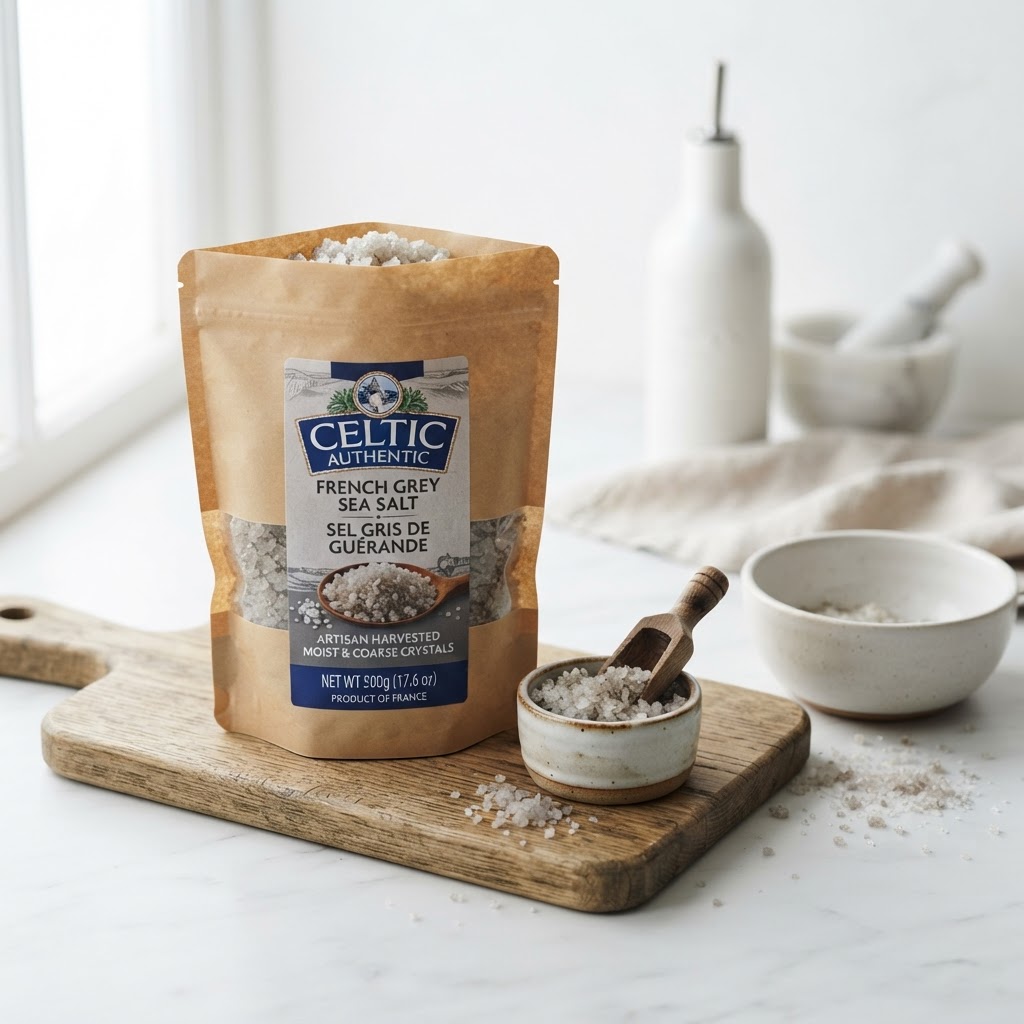
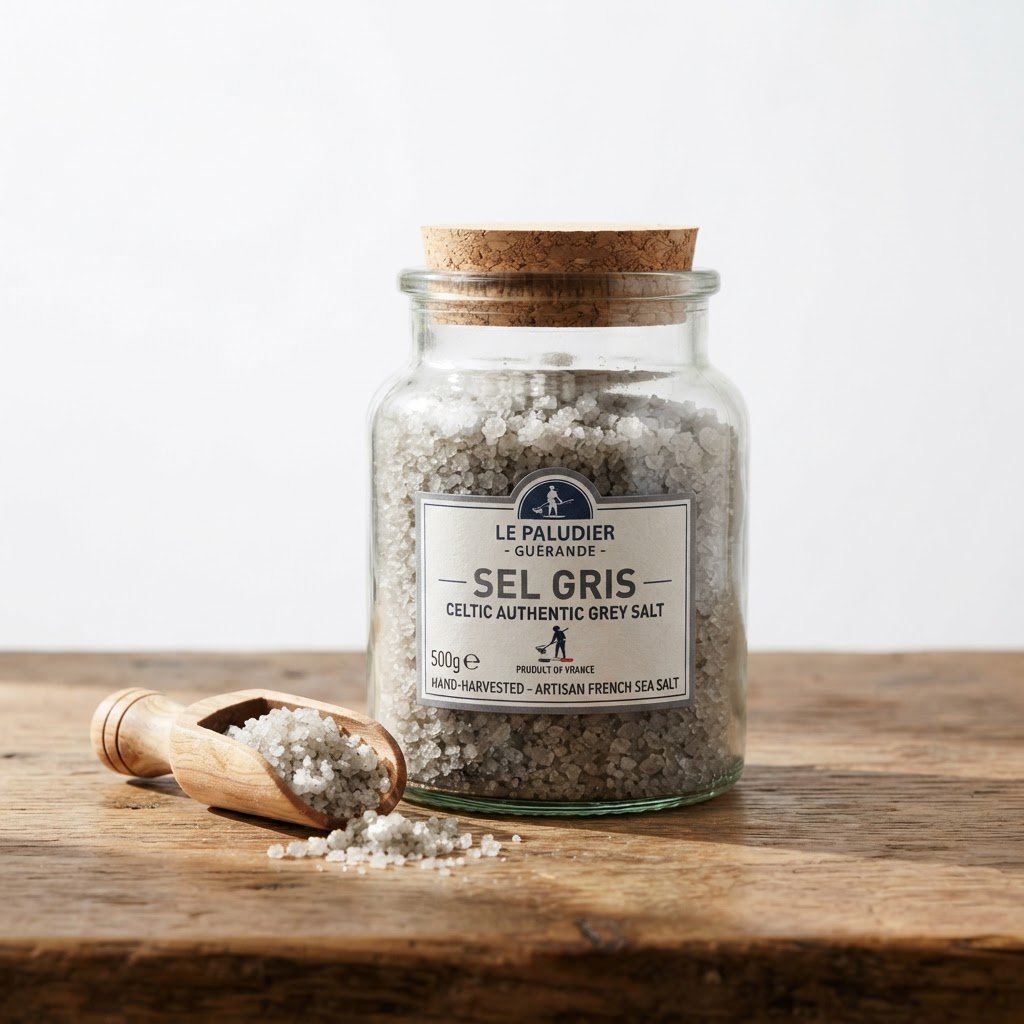
In the culinary world, salt is often treated as a mere afterthought—a simple seasoning meant to bridge the gap between bland and palatable. However, those who prioritize quality in their kitchen understand that the type of salt used can fundamentally transform the profile of a dish. For discerning chefs and home cooks alike, the question of why use Celtic sea salt has become synonymous with a commitment to excellence. Unlike industrial salts that are stripped of their character through heavy processing and chemical refinement, Celtic Authentic Grey Salt – 500g ($79.99) remains a testament to ancient, time-honored harvesting traditions.
Originating from the salt marshes of Guérande, France, this salt is harvested using methods that have been passed down for centuries. Because it is unrefined and harvested by hand, the salt retains its natural moisture and unique mineral balance, giving it that signature grey hue. When you choose an IGP-certified product, you are ensuring that your kitchen is stocked with an ingredient that embodies the 'terroir' of the Atlantic coast. Whether you are curious about Celtec Salt or looking to upgrade your pantry from common table salt, the shift to a premium grey salt is one that your palate will notice immediately. The texture is more substantial, the flavor is more nuanced, and the cultural history behind the grain adds a narrative layer to every meal you create.
The Problem: Why Refined Salt Falls Short
The primary issue with modern table salt is its lack of complexity. Most store-bought salts are put through a rigorous purification process. While this creates a uniform white crystal, it also removes the trace minerals that provide depth of flavor. Furthermore, many commercial salts include anti-caking agents to prevent clumping, which can alter the mouthfeel and, in some cases, leave a bitter chemical aftertaste. This is why many cooks find that no matter how much they season, their food still lacks that 'X-factor.' When you use a highly processed salt, you are essentially using a one-dimensional seasoning that raises salinity without enhancing the natural essence of your ingredients.
By contrast, Celtic salt provides a nuanced flavor experience. It is not just about the sodium; it is about the interplay between the mineral content and the natural moisture of the salt. When you transition to high-quality French sea salt, you are solving the problem of flat-tasting food. You will find that you often need less salt overall because the flavor intensity is significantly higher than that of refined alternatives. If you want to dive deeper into how this compares to other popular options, check out our guide on Which Is Better Celtic Or Himalayan Salt. Understanding these distinctions is the first step toward mastering your seasoning technique and elevating your home-cooked meals to professional standards.
✨ Try it yourself: Celtic Authentic Grey Salt – 500g — $79.99 with free shipping.
Essential Tools for Handling Celtic Authentic Grey Salt
To properly utilize Celtic salt in your kitchen, you must treat it with the same respect as a high-quality spice or finishing oil. Because Celtic Authentic Grey Salt – 500g ($79.99) has a naturally moist consistency, it requires specific storage and application tools to maintain its integrity. Avoid plastic or metal containers, which can react with the moisture and mineral content over time. Instead, opt for a ceramic or wooden salt cellar. Ceramic is excellent for keeping the moisture consistent, while wood can help absorb excess humidity if you live in a particularly damp climate.
You will also need a dedicated set of small wooden spoons or bamboo scoops. Because the salt is slightly damp, reaching into the cellar with your fingers can sometimes introduce unwanted moisture or oils from your skin. A small, dry scoop ensures that every pinch you add to your pot remains clean and effective. For finishing, a high-quality salt mill or a simple 'pinch bowl' placed near your stovetop is essential. Keep in mind that when discussing Celt Salt, the texture is often coarser than what you might be used to, so having a method to crush the grains slightly between your fingers as you season can help distribute the flavor more evenly across your steak, roasted vegetables, or sourdough bread. Preparing your station this way turns the act of seasoning into a deliberate, culinary ritual.
| Feature | Celtic Authentic Grey Salt | Standard Table Salt |
|---|---|---|
| Origin | Guérande, France (IGP) | Industrial Processing Plant |
| Processing | Hand-harvested/Sun-dried | Chemical Refinement |
| Mineral Content | Rich/Trace Minerals Present | Stripped |
| Flavor Profile | Complex/Earthy/Salty | One-dimensional/Sharp |
| Texture | Moist/Coarse | Dry/Fine/Uniform |
Step-by-Step: How to Use Celtic Salt Effectively
The application of Celtic salt is an art form. Unlike table salt, which is often used as a blunt instrument, this salt should be used as a finishing tool and a core flavor builder. Follow these steps to maximize its potential:
1. Preparation: Before you begin, keep your salt cellar in a place accessible to your workspace but away from direct heat sources, like the side of a stove, which can dry out the salt too rapidly.
2. The 'Pinch' Technique: Take a pinch of Celtic salt and crush it slightly between your thumb and index finger as you sprinkle it over your food. This breaks down the larger, moisture-rich crystals, allowing the salt to meld more readily with the natural fats and juices of your dish.
3. Incorporating into Soups and Stews: Add the salt towards the end of your cooking process. Because it contains natural minerals, it can change the profile of a long-simmering liquid if added too early. Adding it near the finish ensures the brightness remains.
4. Finishing Proteins: For grilled meats, lightly dust the surface immediately after removing them from the heat. The residual heat will soften the salt crystals, creating a perfect crust that pops with flavor in every bite.
5. Baking and Dough: When using this salt in baking, ensure you dissolve it into your wet ingredients if you want a uniform dough, or keep the grains whole if you are topping a focaccia or artisanal loaf to provide that satisfying crunch.
⭐ IGP Certified — Guérande, France
Celtic Authentic Grey Salt – 500g
Hand-harvested · 80+ trace minerals · No additives
$79.99 $114.99
Free shipping — no minimum order
🛒 Get Your Bag — Free ShippingShips from France · Worldwide delivery · 30-day return guarantee
Pro Tips and Culinary Variations
One of the best reasons to use Celtic salt is its versatility across different cuisines. A pro tip is to create your own infused salts using a base of Celtic Authentic Grey Salt – 500g ($79.99). Because the salt is slightly moist, it acts as a wonderful carrier for essential oils found in herbs. Mix a small amount of salt with dried rosemary, thyme, or even crushed dried lemon peel in a mortar and pestle. Let it sit for 24 hours to allow the flavors to marry, and you will have a custom seasoning blend that is leagues above any store-bought mix.
Another variation is to use it as a crust for roasting root vegetables. Toss your carrots or parsnips in olive oil and a generous helping of grey salt before roasting them at a high temperature. The minerals in the salt interact with the sugars in the vegetables, resulting in a deeper, more caramelized flavor profile that standard refined salt simply cannot achieve. If you are preparing a salad, create a vinaigrette where you dissolve a small amount of salt into the vinegar before whisking in the oil. This ensures that the seasoning is evenly distributed rather than pooling at the bottom of the bowl. By experimenting with these methods, you will find that your understanding of why use Celtic sea salt expands far beyond basic seasoning and enters the realm of true culinary craftsmanship.
Common Mistakes to Avoid with Premium Sea Salt
When investing in high-quality ingredients, it is vital to avoid common pitfalls that could waste your product. The most frequent mistake is using your hands to season directly from a large bag. This introduces contaminants and moisture that can degrade the quality of the remaining salt. Always transfer your Celtic salt into a smaller, airtight container or a specialized salt cellar for daily use. Keep the bulk package sealed tightly in a cool, dark place to maintain its optimal moisture level.
Another mistake is over-salting during the early stages of cooking. Because this salt has a more potent flavor impact than refined salt, many beginners make the mistake of using the same volume they used with their old table salt. Always taste as you go. Start with less than you think you need, and adjust accordingly. Remember that this salt is intended to enhance the food, not mask it. Finally, avoid using it in high-speed, electric blade grinders unless they are specifically designed for damp salt. The moisture content can clog the mechanisms of standard pepper mills or salt grinders. Instead, use a ceramic burr mill designed for wet salt or simply use your fingers to crush the crystals. By respecting these simple guidelines, you ensure that every grain of your Celtic Authentic Grey Salt provides the intended value and exceptional taste.
What is the shelf life of Celtic salt?
When stored in an airtight container away from direct light and humidity, it can maintain its quality for several years due to its natural mineral composition.
Can I use this salt for fermenting vegetables?
Yes, many people prefer this salt for fermentation because it is unrefined and free from the anti-caking agents found in commercial table salts, which can sometimes interfere with the fermentation process.
Why does the salt look grey?
The grey color is a natural result of the salt crystals coming into contact with the mineral-rich clay lining of the salt marshes in Guérande, France, where it is harvested.
Should I add this salt to boiling water for pasta?
While you can, many chefs prefer to reserve this premium salt for finishing dishes or seasoning during the final stages to preserve the nuanced flavor of the minerals.
Is Celtic salt gluten-free and vegan?
Yes, it is a 100% natural, mineral-rich product that is inherently gluten-free and vegan, making it an excellent choice for a variety of dietary preferences and restrictions.
Ready to taste the difference?
Celtic Authentic Grey Salt – 500g — Hand-harvested · 80+ trace minerals · No additives
🛒 Get Your Bag — Free ShippingFree shipping · 30-day returns · Ships from France