Hand-harvested Guérande salt · Tracked international delivery included
Guide· by Celtic Salt Editorial Team
Where Can You Buy Celtic Salt
Ready to compare the real product?
Authentic Guérande grey salt, shipped from France
The displayed product price includes standard tracked international delivery for eligible destinations, so you can compare the delivered cost rather than a low bag price with shipping added later.
Where Can You Buy Celtic Salt and Why It Matters in 2026
Celtic salt has moved far beyond the niche shelves of health food shops and into the mainstream consciousness of home cooks, professional chefs, nutritionists, and wellness enthusiasts across the globe. As more people become aware of the significant differences between industrially processed table salt and traditionally harvested sea salt, the question of where to buy authentic Celtic salt has never been more relevant. In 2026, the market is flooded with products claiming to be genuine, hand-harvested grey salt from the Atlantic coast of France, but not all of them deliver on that promise. Knowing where to shop — and what to look for — is the first and most important step toward getting a product that is truly worth your money and your health.
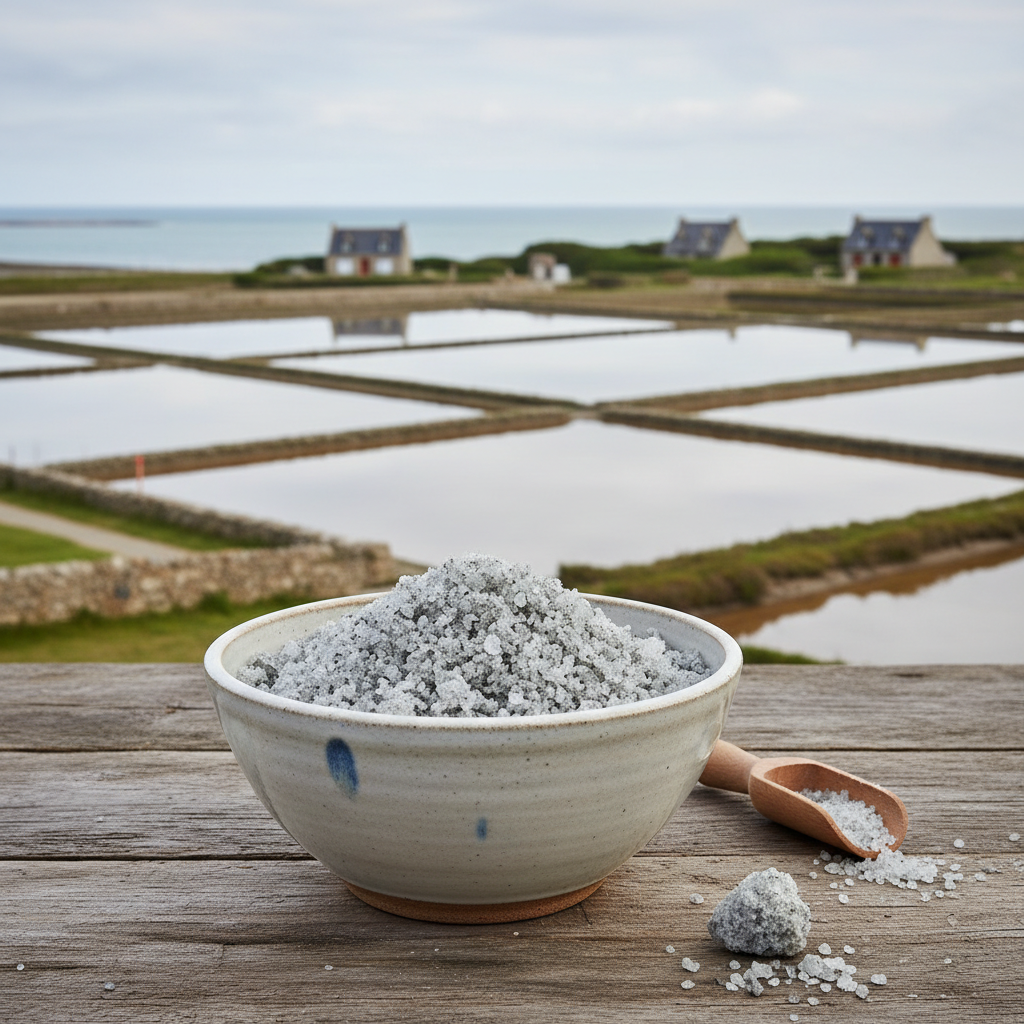
Celtic salt, known in French as sel gris or gros sel de Guérande, originates from the salt marshes of Guérande in Brittany, France. It has been harvested using traditional Celtic methods for over a thousand years, with salt workers — called paludiers — raking the salt by hand from shallow clay-lined basins. This process ensures that the salt retains its natural moisture, its grey-blue hue, and its full spectrum of trace minerals including magnesium, calcium, potassium, and over eighty other naturally occurring elements. This is not a product you can replicate in a factory, and that authenticity is precisely what makes sourcing it correctly so important. When you buy from an unreliable source, you risk getting a product that has been refined, bleached, or simply misrepresented.
The demand for authentic Celtic grey salt has surged dramatically in recent years, driven by a broader cultural shift toward whole, unprocessed foods and a greater awareness of how mineral-depleted conventional table salt really is. Food bloggers, Michelin-starred restaurants, and health-conscious households alike have embraced the deep, briny complexity that genuine Guérande salt brings to everything from a simple roast chicken to elaborate pastry work. With that surge in demand has come a proliferation of imitation products and misleading labeling. Some products on the market use the word "Celtic" loosely, without any genuine connection to the Guérande region or traditional harvesting methods. This makes it critically important to understand where you are buying your salt and what guarantees the seller can actually offer you.
In 2026, the best place to buy authentic Celtic salt is directly from a source that is transparent about its origins, its harvesting methods, and its quality certifications. Dedicated specialty importers and artisan food retailers who work directly with Breton paludiers represent the gold standard. Online direct-to-consumer platforms run by producers or their trusted partners offer convenience alongside traceability. For consumers in Europe, local organic markets, delicatessens, and French épiceries fine are excellent starting points. For those elsewhere in the world, trusted online retailers with clearly stated provenance are often the most reliable option. Throughout this guide, we will walk you through every major purchasing channel, explain how to evaluate each one, and give you the confidence to make the right choice every single time.
The Complete Guide to Where You Can Buy Celtic Salt
Understanding your purchasing options is essential when seeking out genuine Celtic grey salt. The retail landscape has evolved considerably, and there are now more ways than ever to access this ancient product — but quality and authenticity vary enormously from one channel to another. Let us walk through every viable option in detail so you can make an informed decision based on your location, budget, and priorities.
Direct from producers and their official websites: The most reliable way to purchase authentic Celtic salt is to buy directly from a producer or an official importer with traceable supply chain documentation. Websites like celtic-salt.com offer genuine Guérande salt sourced directly from the salt marshes of Brittany, with clear information about harvesting methods, mineral content, and product formats. Buying direct means you skip the middlemen and reduce the risk of counterfeit or adulterated products. It also means you are likely getting fresher stock with better mineral retention, since the product has not been sitting in a large distribution warehouse for months.
Specialty and artisan food retailers: In most major cities around the world, you will find specialty food shops that carry a curated range of high-quality salts, including authentic Celtic grey salt. These stores — often boutique delicatessens, gourmet grocery shops, or French import stores — typically vet their suppliers carefully and can tell you exactly where their salt comes from. When visiting such a store, do not hesitate to ask questions. Can they tell you which paludier or cooperative produced the salt? Is it certified organic? What is the moisture level of the product? A knowledgeable retailer should be able to answer all of these questions confidently.
Health food stores and organic grocers: Celtic salt is a staple product in many health food stores and certified organic grocery chains. These retailers tend to stock salt products that meet certain minimum standards for natural harvesting and freedom from chemical additives. However, even within this category there is significant variation. Some health food stores carry premium, properly labeled Guérande salt; others stock cheaper alternatives that use the word "Celtic" as a marketing term without genuine geographic or methodological authenticity. Always check the label for a clear mention of Guérande, Brittany, or France as the origin, and look for certifications such as the Label Rouge or the AB (Agriculture Biologique) certification.
Farmers markets and artisan food fairs: In France, Belgium, the Netherlands, the United Kingdom, and increasingly in North America and Australia, farmers markets and artisan food fairs are an excellent place to find small-batch Celtic salt sourced directly from independent paludiers. These vendors often travel personally from Brittany to sell their product, which means you can speak directly to the person who harvested your salt. This is as close to a farm-to-table experience as salt can offer. The products available at these markets tend to be particularly high quality, since independent harvesters are deeply invested in the reputation of their product.
Fine dining supply companies: Many professional kitchen supply companies that serve the restaurant industry carry authentic Celtic grey salt in bulk formats. If you use large quantities of Celtic salt — for curing, baking, or running a food business — exploring these wholesale channels may offer excellent value without compromising on quality. Some of these suppliers sell to both trade and domestic customers, so it is worth inquiring even if you are a home cook looking for a larger quantity.
Online marketplaces and specialty e-commerce platforms: While general online marketplaces can be convenient, they require the most careful scrutiny when it comes to Celtic salt. The lack of physical inspection means you are relying entirely on labeling and seller reputation. When using these platforms, prioritize sellers with detailed product descriptions that mention Guérande specifically, verifiable certifications, genuine customer reviews discussing the grey color and moist texture typical of authentic sel gris, and responsive customer service. Avoid any product that describes itself as "white Celtic salt" — authentic Celtic grey salt should always be grey and slightly damp.
Health and Culinary Benefits of Authentic Celtic Grey Salt
One of the primary reasons consumers seek out authentic Celtic salt over ordinary table salt is its remarkable mineral profile. Unlike refined table salt, which is stripped of virtually all naturally occurring trace minerals during processing and then supplemented with synthetic additives like anti-caking agents and iodine, genuine Celtic grey salt retains its full complement of over eighty trace minerals in their natural proportions. These include magnesium, which plays a vital role in muscle and nerve function; potassium, which supports healthy fluid balance; and calcium, which contributes to bone health. The mineral complexity of authentic Celtic salt is a direct result of its unique harvesting environment — the clay-lined salt pans of Guérande, saturated with Atlantic seawater that has filtered through centuries of mineral-rich sediment.
From a culinary perspective, Celtic grey salt offers a depth and complexity of flavor that is simply impossible to replicate with refined salts. Its slightly moist texture and mineral-forward taste make it exceptional as a finishing salt, adding a burst of briny, oceanic flavor to dishes at the moment of serving. Chefs prize it for its ability to enhance the natural flavors of ingredients without overwhelming them. When used in baking, it adds subtle complexity to bread crusts and pastry. In meat preparations, its moisture helps draw out proteins in a way that facilitates better browning and richer flavor development. When used in preserving or fermentation, its full mineral content supports the microbial processes that give pickles, kimchi, and fermented vegetables their distinctive character.
The lower sodium chloride content of Celtic grey salt compared to refined table salt is also worth noting. Because of its retained minerals and natural moisture, authentic sel gris contains approximately eighty to eighty-four percent sodium chloride by weight, compared to ninety-seven to ninety-nine percent in refined table salt. This means that for the same volume of salt, you are consuming somewhat less sodium chloride, which many nutritionists and health professionals consider a meaningful advantage. It is important to note, however, that Celtic salt should still be used in moderation as part of a balanced diet. No salt, however mineral-rich, should be treated as a supplement or cure for any health condition.
Beyond its direct nutritional profile, there is a growing body of interest in the concept of food quality and the cumulative effect of choosing minimally processed ingredients throughout the diet. Celtic salt fits naturally into this philosophy. It is a whole food — harvested directly from nature, unrefined, and free from synthetic additives. For those who have invested in high-quality olive oils, heritage grain flours, or pasture-raised meats, upgrading to authentic Celtic grey salt is a logical and deeply satisfying step. You can read more about the mineral composition and health context of authentic sea salt in our detailed article on the trace minerals found in Celtic grey salt.
How to Use Celtic Salt — Expert Tips and Practical Guidance
Once you have sourced authentic Celtic grey salt, using it effectively is the next art to master. Its unique texture, moisture content, and flavor profile mean it behaves somewhat differently from refined salt in various cooking applications. Understanding these differences will help you get the most out of every grain.
As a finishing salt: This is where Celtic grey salt truly shines. Added to a dish just before serving, the coarse crystals provide small explosions of oceanic, mineral flavor on the palate. Try it on a freshly grilled steak, a slice of avocado toast, a plate of soft scrambled eggs, or even a piece of dark chocolate. The contrast between the rich, fatty, or sweet base flavors and the sharp minerality of the salt creates a genuinely memorable sensory experience.
In bread and pastry baking: Celtic salt performs beautifully in bread doughs, where its minerals interact with the fermentation process to produce a more complex flavor in the finished loaf. Use it in sourdough recipes at approximately the same weight as you would any sea salt. For pastry, a small amount of coarse Celtic salt on top of butter cookies or caramel tarts adds visual appeal and a sophisticated flavor contrast.
In meat curing and dry rubs: The moisture in Celtic grey salt makes it particularly effective for dry brining meat. Apply a generous amount of coarse Celtic salt to a piece of meat — a whole chicken, a rack of lamb, a pork belly — and allow it to rest uncovered in the refrigerator for twelve to forty-eight hours. The salt draws moisture to the surface, dissolves, and is then reabsorbed into the meat along with its minerals, resulting in deeply seasoned, tender flesh with exceptional flavor.
In fermentation and pickling: When making lacto-fermented vegetables, the quality of your salt matters enormously. Celtic grey salt, free from anti-caking agents and other additives that can inhibit microbial activity, is an excellent choice for brine fermentation. Its mineral content may also support the activity of beneficial lactobacillus cultures. Use it in sauerkraut, kimchi, pickled cucumbers, or fermented hot sauces for outstanding results. For more guidance on this topic, explore our article on using Celtic salt in fermentation and food preservation.