Hand-harvested Guérande salt · Tracked international delivery included
Guide· by Celtic Salt Editorial Team
Where Can I Buy Celtic Salt In New Zealand
Ready to compare the real product?
Authentic Guérande grey salt, shipped from France
The displayed product price includes standard tracked international delivery for eligible destinations, so you can compare the delivered cost rather than a low bag price with shipping added later.
What Is Celtic Salt in New Zealand and Why It Matters in 2026
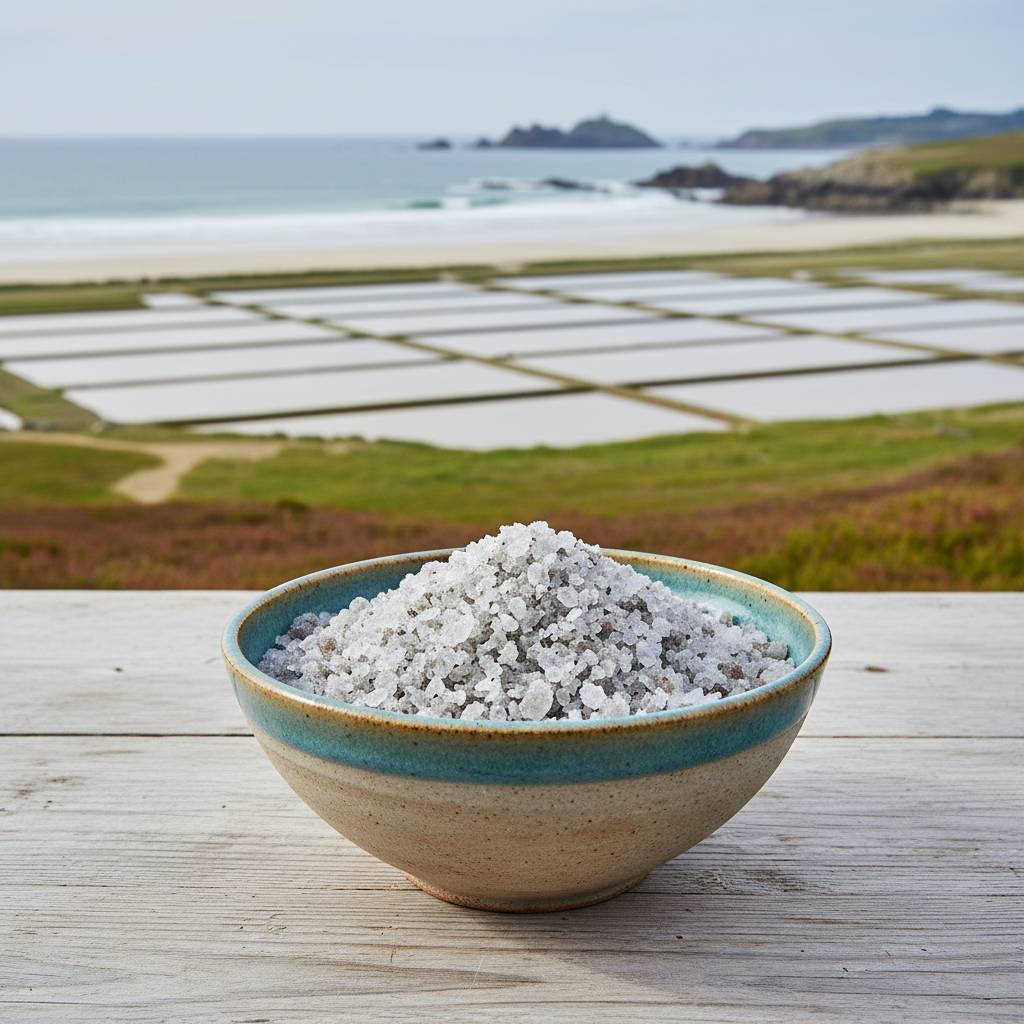
Celtic salt, known in French as sel celtique or gros sel de Guérande, is a hand-harvested, unrefined grey sea salt sourced from the ancient tidal marshes of the Guérande peninsula in Brittany, northwestern France. Unlike the heavily processed table salt that dominates supermarket shelves across New Zealand, Celtic salt retains its natural moisture, its full spectrum of trace minerals, and its characteristic grey hue — all of which are stripped away during industrial salt refining. For New Zealanders who are becoming increasingly conscious of what goes into their bodies, understanding where to buy Celtic salt in New Zealand is not just a curiosity — it is a genuinely important question about food quality, mineral nutrition, and culinary excellence. As we move further into 2026, the demand for authentic, minimally processed food ingredients has never been stronger, and Celtic grey salt sits squarely at the intersection of that growing movement.
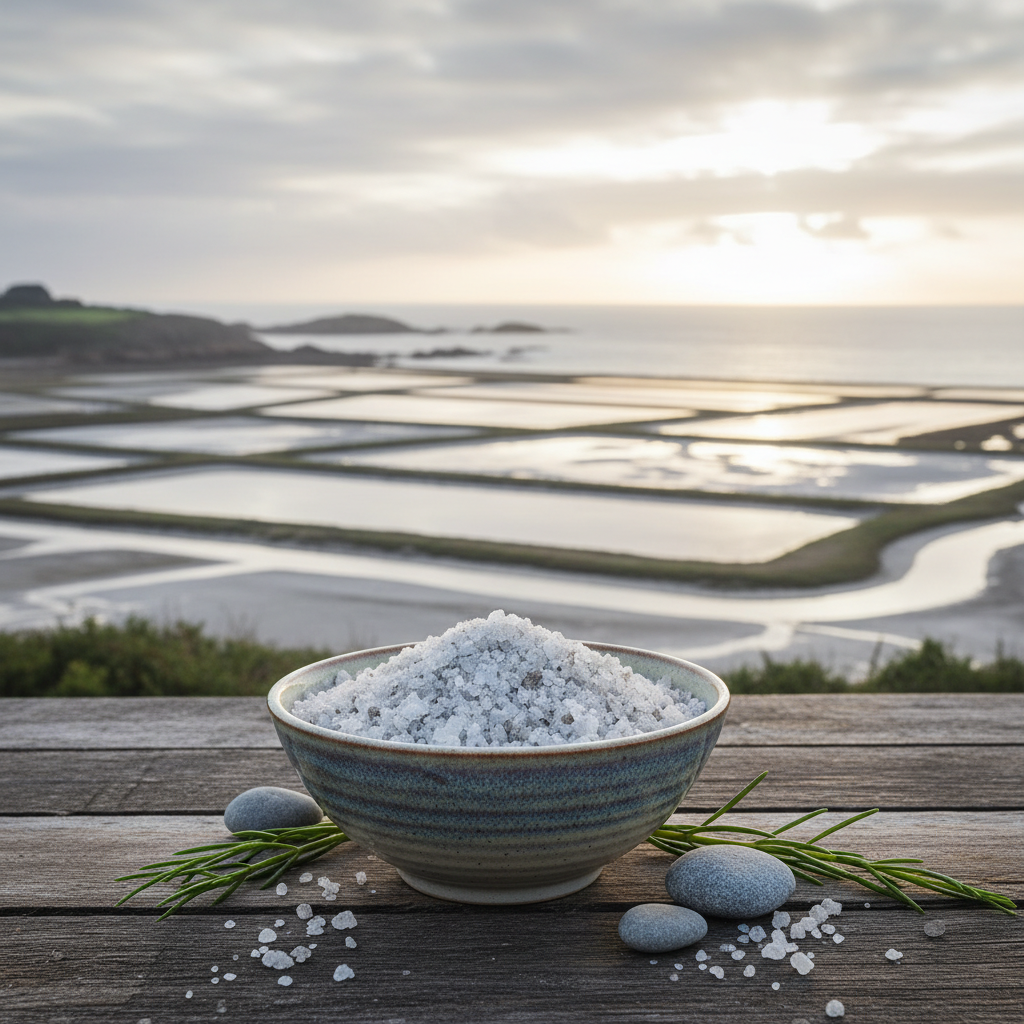
New Zealand has long had a culture of outdoor living, fresh food, and wellness awareness. From the farm-to-table restaurant scenes in Auckland and Wellington to the thriving health food communities in Christchurch and beyond, Kiwi consumers are asking harder questions about ingredient provenance than ever before. When it comes to salt — one of the most fundamental ingredients in any kitchen — many people are starting to recognise that not all salts are created equal. Celtic salt from Guérande brings with it a heritage of over a thousand years of traditional salt-making. The paludiers, the salt farmers of Guérande, use wooden rakes to gently collect the salt by hand from shallow clay-lined ponds called oeillets. This meticulous process ensures that the salt retains its clay minerals, its natural trace elements including magnesium, calcium, and potassium, and the complex flavour profile that chefs across the world have come to prize.
In 2026, sourcing authentic Celtic salt in New Zealand is more accessible than it has ever been, yet it still requires a degree of consumer education to ensure you are purchasing the genuine article rather than an imitation product that simply uses the word "Celtic" as a marketing term. The growing popularity of natural salts has unfortunately also attracted opportunistic producers who market products with similar-sounding names but without the genuine Guérande origin, the traditional harvesting methods, or the mineral richness that defines real Celtic grey salt. This guide is designed to help New Zealand consumers navigate the landscape confidently — understanding which online stores, specialty retailers, health food shops, and direct importers can supply authentic Celtic salt, what to look for on a product label, and how to get the most out of this extraordinary ingredient once it is in your kitchen.
The relevance of this topic in 2026 also speaks to broader global food trends. Across Australia, the United Kingdom, the United States, and increasingly across the Asia-Pacific region including New Zealand, there has been a dramatic rise in interest in ancestral diets, mineral-rich whole foods, and low-toxin living. Celtic salt fits perfectly within these frameworks. It contains no anti-caking agents, no added iodine from synthetic sources, no bleaching chemicals, and no microplastic contamination from industrial processing. The salt is what it has always been — a pure, wild-harvested product of the Atlantic ocean and the Breton landscape, delivered in as natural a state as possible. For anyone living in New Zealand who values authenticity, mineral density, and genuine culinary quality, finding a reliable source of Celtic salt is a worthwhile pursuit that this article will address in full detail.
The Complete Guide to Buying Celtic Salt in New Zealand
New Zealand, while geographically remote from the salt marshes of Brittany, is well-connected to international food supply chains, and Celtic salt is available to Kiwi consumers through several reliable channels. The key is knowing where to look and understanding what distinguishes a genuine supplier from one simply cashing in on the name. Below is a comprehensive breakdown of the main purchasing avenues available to New Zealanders in 2026.
Specialist Online Retailers and Direct Import Stores: The most reliable way to purchase authentic Celtic grey salt in New Zealand is through specialist online health food retailers that import directly from Guérande or from certified French distributors. Several New Zealand-based online stores now stock authentic gros sel de Guérande and fleur de sel in various pack sizes, ranging from small 250g pouches for personal use to large bulk bags of 1kg, 5kg, or even 25kg for restaurants, food producers, and serious home cooks. When purchasing online, always check that the product listing specifies "Guérande, Brittany" or "Bretagne, France" as the origin. Look for certifications such as the Nature et Progrès label or the IGP Sel de Guérande (Protected Geographical Indication), which guarantees geographic authenticity.
Health Food Shops and Organic Grocers: Across New Zealand's major cities and many regional towns, health food shops and organic grocery stores have expanded their specialty salt ranges considerably. Stores in Auckland, Wellington, Christchurch, Dunedin, Hamilton, and Tauranga increasingly stock grey sea salt products sourced from Guérande. While stock levels can vary, it is worth checking with your local health food retailer. These stores often receive products from distributors who import European fine food products, and Celtic grey salt frequently appears alongside other specialty items like raw honey, organic herbs, and cold-pressed oils. If you cannot find it on the shelf, most health food stores are willing to order it in for you if you ask.
Specialty Delicatessens and French Import Stores: New Zealand has a small but thriving community of French food importers and specialty delicatessens, particularly in Auckland and Wellington. These businesses often carry authentic French food products including sel de Guérande, fleur de sel, and other Breton specialty ingredients. If you live near a city with a French cultural community or a well-stocked delicatessen that focuses on European fine food, this can be an excellent source for Celtic salt. The staff at these stores often have direct knowledge of their products' provenance and can confirm the origin and production method of the salt they carry.
Farmers Markets and Artisan Food Stalls: New Zealand's farmers market scene is vibrant, and specialty food importers sometimes sell their products at weekend markets in Auckland, Wellington, and Christchurch. While this is a less consistent channel than online retail, it can be a wonderful way to try before you buy, to speak directly with the importer, and to discover new products. Some importers who operate primarily online also appear at markets periodically, and purchasing from them in person can be a great way to establish a direct relationship and ensure ongoing supply.
Directly from Celtic-Salt.com: For New Zealand consumers who want to ensure absolute authenticity and purchase directly from a source dedicated entirely to Guérande Celtic salt, ordering internationally through the celtic-salt.com product range is a highly recommended option. Direct importation ensures full traceability, genuine Guérande origin, and access to the full range of products including coarse grey salt, fine grey salt, and fleur de sel. International shipping to New Zealand is available, and ordering in larger quantities can make the per-kilogram cost very competitive compared to what you might pay through a local intermediary retailer.
Bulk Buying for Restaurants and Food Businesses: For New Zealand's hospitality industry, the question of where to buy Celtic salt is particularly important. Chefs who have made the switch to authentic Celtic grey salt report significant improvements in both the flavour of their dishes and the consistency of their seasoning. Food service distributors who specialise in European and artisan food products are increasingly able to supply Celtic salt in catering quantities. If you operate a restaurant, café, or food production business in New Zealand, contacting specialty European food importers directly is the most cost-effective approach.
One of the primary reasons New Zealanders seek out Celtic salt is its distinctive nutritional and mineral profile. Unlike refined table salt, which is typically 99.9% pure sodium chloride with additives, Celtic grey salt retains a naturally occurring complex of over trace minerals whose levels vary by harvest and product and elements. These include magnesium, calcium, potassium, iron, zinc, manganese, and silica, among others. The grey colour of the salt is itself a marker of mineral richness — it comes from the clay of the Guérande marshes absorbing into the salt crystals during the harvesting process. This natural mineral complexity means that Celtic salt interacts with the body differently than processed salt, providing not just sodium chloride but a broader spectrum of electrolytes that support cellular hydration and nervous system function.
From a culinary perspective, the differences are immediately apparent. Celtic grey salt has a more complex, rounded, and slightly briny flavour compared to the sharp, one-dimensional taste of refined table salt or even many commercial sea salts. Its natural moisture content — Celtic salt should feel slightly damp to the touch, never completely dry — means that it dissolves beautifully on food and distributes its saltiness evenly. Chefs who cook with it report that they often need to use less salt overall to achieve the same level of seasoning, which has practical implications for anyone who is mindful of sodium intake. The flavour enhancement it provides is subtle but unmistakable, particularly in simple preparations like grilled fish, roasted vegetables, fresh bread, and salad dressings where the quality of individual ingredients shines through.
New Zealand's food culture, with its emphasis on fresh, locally sourced produce, excellent seafood, and outdoor cooking, is particularly well-suited to the culinary profile of Celtic salt. The natural affinity between high-quality Guérande grey salt and simply prepared fresh ingredients is well-documented in French cuisine, and the same principles apply equally beautifully to a New Zealand context. Finishing a piece of fresh-caught hapuka with a pinch of coarse Celtic grey salt, or using fine Celtic salt to season a salad of freshly picked greens from a Waikato farm, creates a flavour experience that simply cannot be replicated with industrially processed salt. To read more about the connection between Celtic salt and fresh cooking, visit our guide to using Celtic salt with seafood.
Beyond flavour, the trace mineral content of Celtic salt supports several aspects of well-being that are increasingly discussed in the nutritional science community. Magnesium, which is notably absent from refined salt but present in meaningful quantities in Celtic grey salt, plays a role in hundreds of enzymatic processes in the human body. Many people in modern Western diets, including New Zealanders, are considered to be low in dietary magnesium. While salt should not be viewed as a primary source of any single nutrient, the fact that Celtic salt contributes a broader mineral profile than refined alternatives is a genuine nutritional advantage. It is also worth noting that authentic Celtic salt contains no synthetic anti-caking agents, no aluminium compounds, and no bleaching chemicals — making it one of the cleanest possible forms of dietary salt available.
How to Use Celtic Salt in New Zealand — Expert Tips
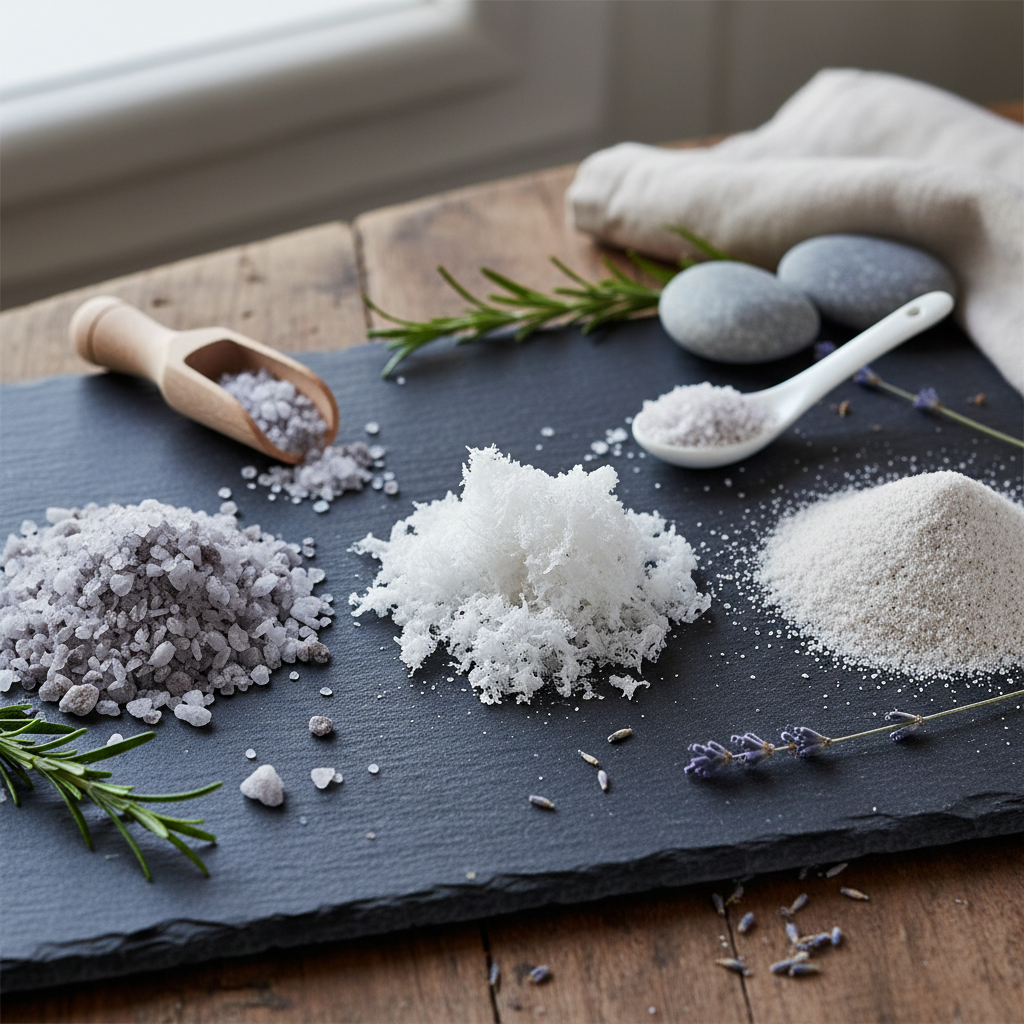
Once you have sourced your authentic Celtic grey salt in New Zealand, making the most of it requires a little understanding of how this unique product behaves in the kitchen compared to what you may be used to. Celtic salt comes in several forms, each suited to different culinary applications, and knowing which to use when will significantly enhance your cooking results.
Coarse Grey Salt (Gros Sel): This is the classic form of Celtic salt — large, irregular grey crystals with a slightly damp texture. Coarse Celtic salt is ideal for cooking applications where the salt will dissolve into liquid or be used to season large quantities of food. Use it generously when salting pasta water, blanching vegetables, or making a brine for pickles or fermented foods. Because the crystals are large, they release their flavour gradually, making them perfect for slow-cooked dishes, stews, and soups. In New Zealand, where barbecuing and outdoor cooking are extremely popular, coarse Celtic salt is also excellent when used as a crust or rub for meat before grilling.