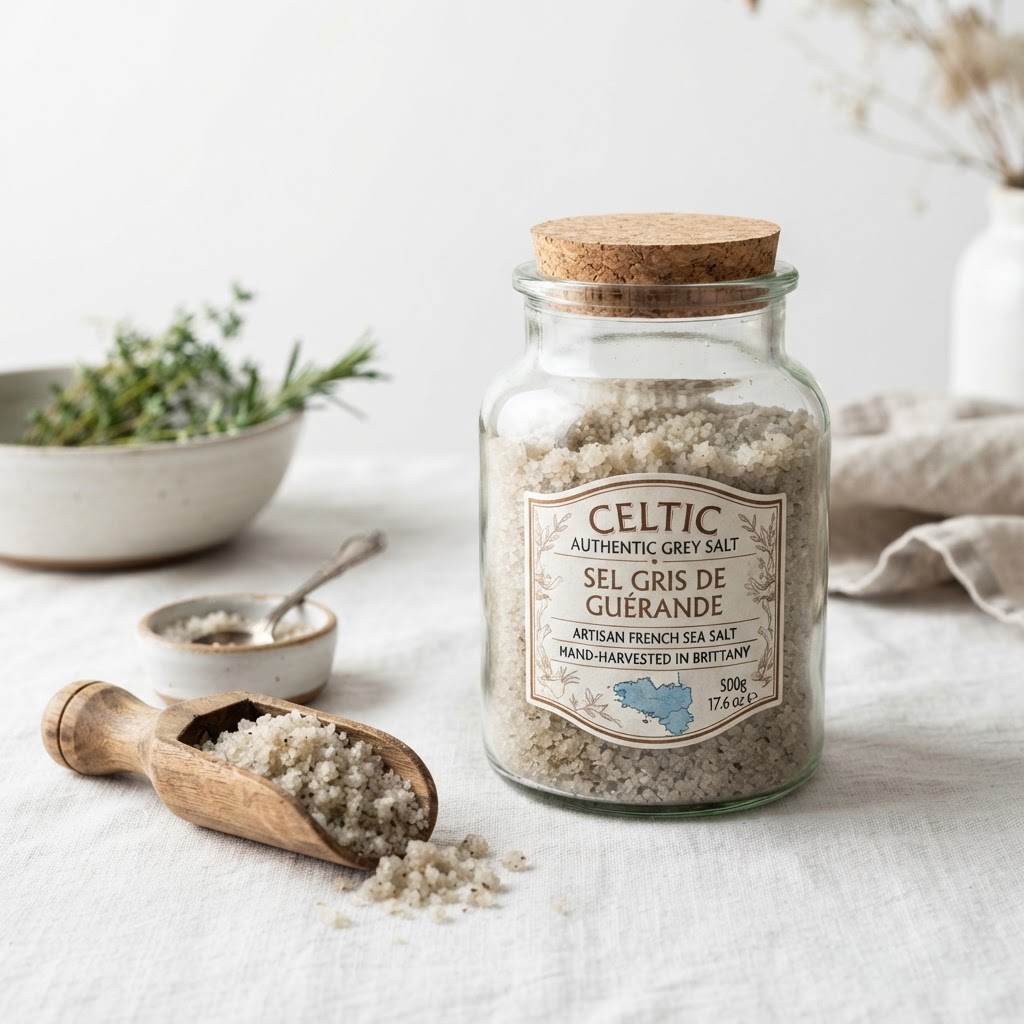
The Importance of Mineral Content in Your Kitchen Salt
In the modern culinary world, the distinction between various types of salt often goes unnoticed by the casual home cook. However, as interest in natural, minimally processed ingredients grows, so does the curiosity regarding the mineral composition of our daily seasonings. Not all salts are created equal; while they may provide a similar salty profile, their chemical compositions differ significantly based on their harvesting methods and geographic origins. Understanding what salt has the most minerals is not just about nutrition; it is about respecting the culinary traditions that have preserved the integrity of ancient harvesting techniques.
Most common table salts are highly processed, stripped of the trace elements that naturally occur in seawater, and often treated with anti-caking agents. Conversely, authentic sea salts retain their natural moisture and trace minerals, which are remnants of the salt pans where they were harvested. For those looking to upgrade their pantry, selecting a salt that is rich in trace minerals can elevate the flavor profile of even the simplest dishes. Whether you are cooking a complex meal or simply seasoning a vegetable harvest, the mineral content contributes to the complexity and depth of the flavor. To understand more about the heritage of these salts, you can read about Celttic Salt and why it remains a top choice for chefs and home cooks alike.
Furthermore, the bioavailability of minerals in unrefined sea salt is a topic that continues to fascinate food enthusiasts. By choosing an unrefined option, you are effectively opting for a product that is closer to the earth—or in this case, the ocean—than its mass-produced counterparts. The focus on mineral-rich salts is part of a broader shift toward intentional consumption, where we pay closer attention to the ingredients we use daily. This guide aims to demystify the complex world of salt, providing an objective comparison so that you can make an informed decision for your kitchen.
Key Differences Between Salt Varieties: A Comparative Overview
To identify which salt holds the highest mineral density, we must look at how each type is produced. Refined table salt undergoes intense mechanical and chemical processing, which removes nearly all minerals except for sodium chloride. Sea salts, depending on their harvest method, retain these minerals. The grey color often associated with mineral-dense salt comes from the clay-lined beds in regions like Guérande, France, where the salt absorbs minerals from the earth and the ocean water during the natural evaporation process.
| Salt Type | Processing Level | Mineral Profile | Texture |
|---|---|---|---|
| Refined Table Salt | High (Bleached/Refined) | Minimal (mostly Sodium Chloride) | Fine, uniform |
| Celtic Authentic Grey Salt | Low (Sun/Wind Dried) | Rich in Magnesium, Potassium, Calcium | Moist, coarse, greyish |
| Kosher Salt | Moderate | Low to Moderate | Flaky, coarse |
As indicated in the table, the processing method directly impacts the final mineral content. When comparing salt types, one must acknowledge that 'minerals' in this context refers to the trace elements like magnesium, potassium, and calcium that occur naturally in the salt marsh. These elements are not added through enrichment; they are inherent to the source. Many users often wonder about the external applications of these ingredients as well. If you are interested in the wider utility of mineralized salt, you might explore Is Sea Salt Good For Your Skin to see how the mineral density transcends the dining table.
✨ Try it yourself: Celtic Authentic Grey Salt – 500g — $79.99 with free shipping.
The Advantages of Celtic Authentic Grey Salt
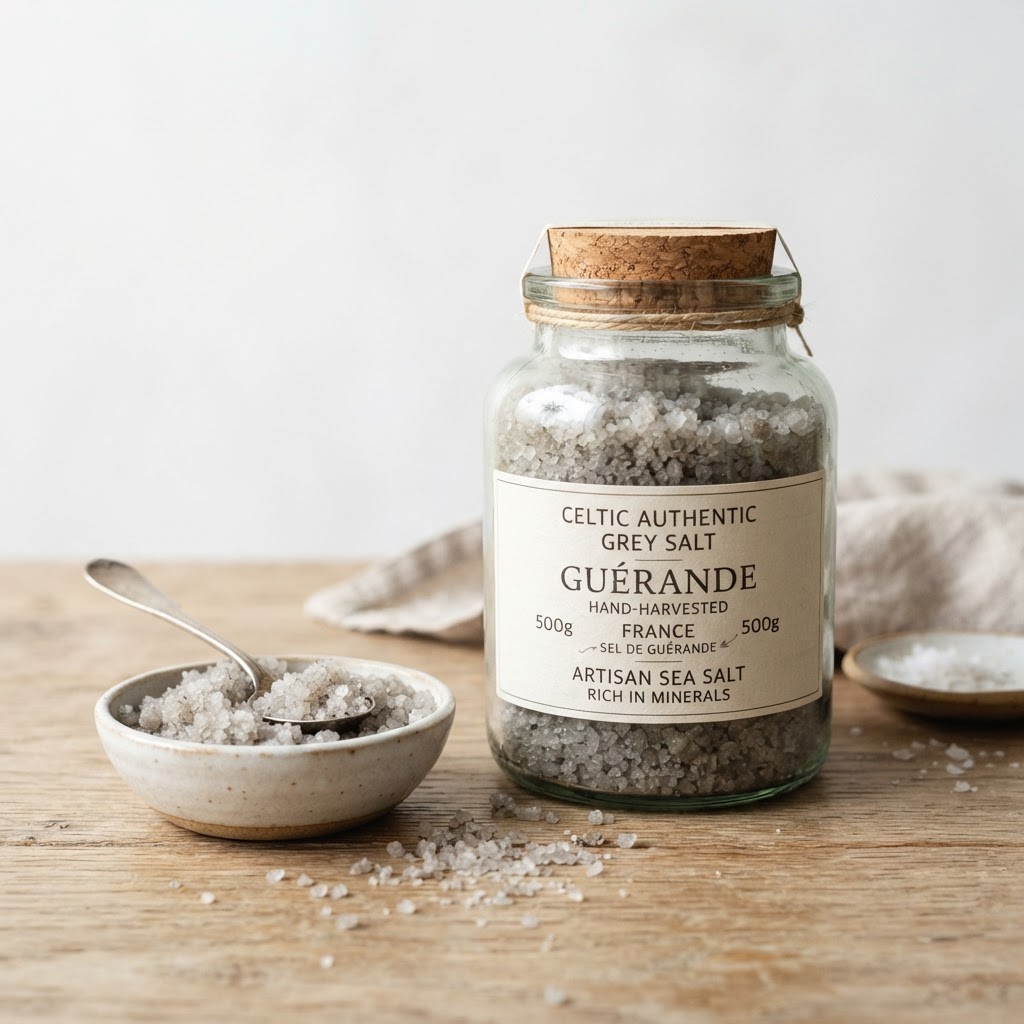
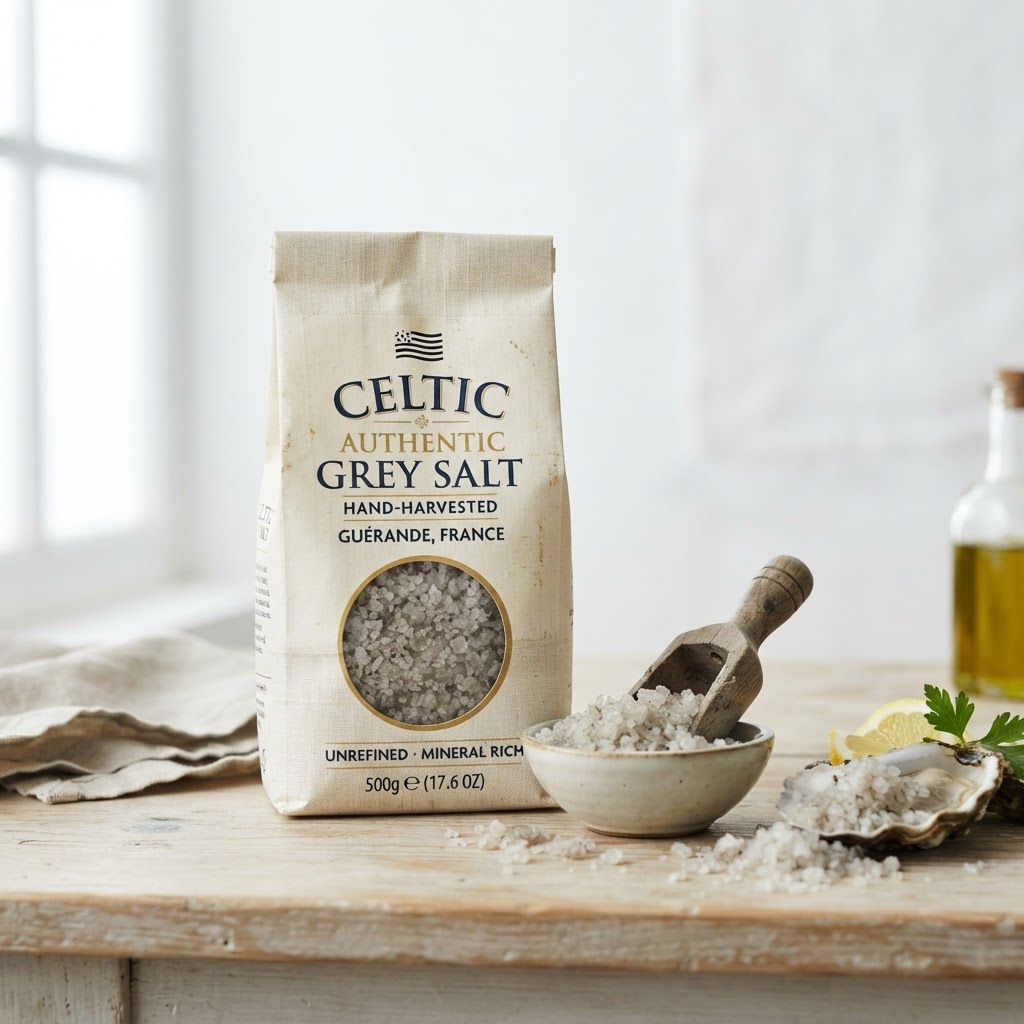
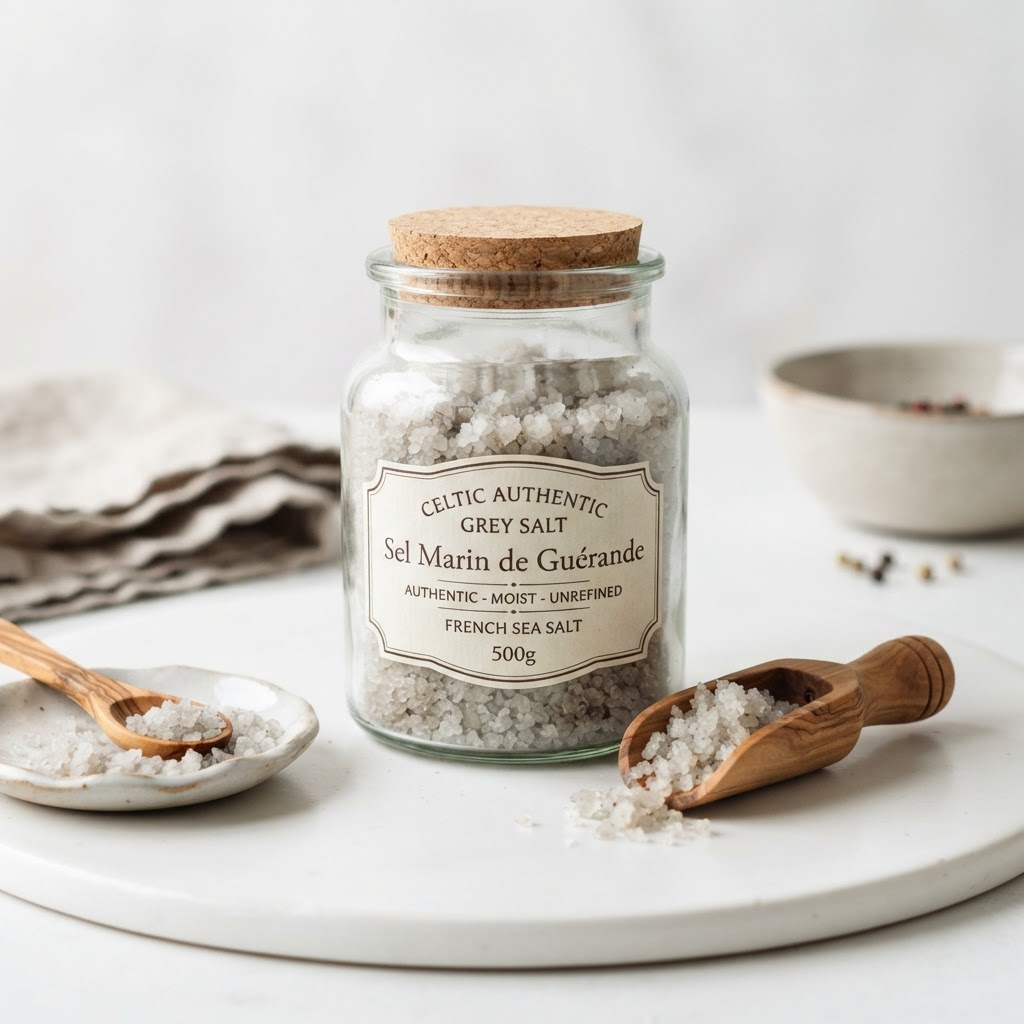
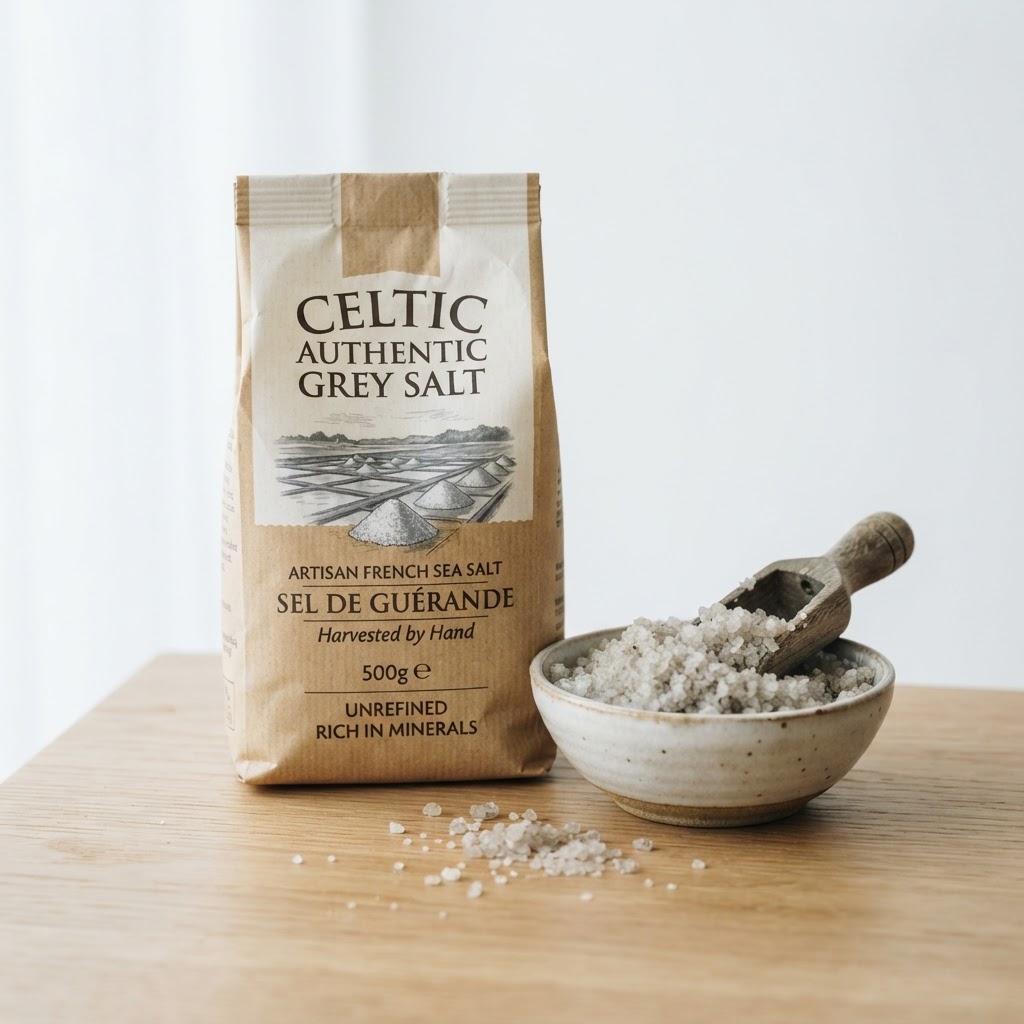
When discussing what salt has the most minerals, the IGP Guérande region stands out as a world-renowned source. Our Celtic Authentic Grey Salt – 500g ($79.99) is harvested using centuries-old methods that preserve the integrity of the salt. Unlike mechanical harvesting, this traditional manual technique ensures that the salt remains in contact with the clay lining of the salt marshes, which is where the unique mineral-rich characteristics are absorbed. This creates a flavor that is noticeably more robust and earthy compared to standard culinary salts.
The primary advantage of choosing an authentic Celtic salt is the flavor intensity. Because the salt is naturally moist and unrefined, it dissolves more slowly and evenly, allowing the mineral-rich notes to permeate the food. It is highly sought after for finishing dishes, as the texture provides a satisfying crunch that refined salts simply cannot replicate. Furthermore, the absence of anti-caking agents means you are getting a pure, singular ingredient that represents the terroir of the French coastline. We take pride in ensuring that every 500g jar of our product adheres to the strict standards of the IGP (Indication Géographique Protégée) designation, guaranteeing that you are receiving an authentic product.
Integrating high-quality salt into your cooking routine also changes how you approach seasoning. Instead of over-salting, the mineral-forward profile of Celtic salt allows you to use less volume while achieving superior flavor results. Whether you are using it in a marinade, as a finishing touch on a steak, or even in a baking recipe, the depth provided by this mineral content is unmistakable. Many of our customers also frequently ask, Is Sea Salt Good For The Skin when used in a culinary or therapeutic context, emphasizing that the value of these trace minerals is a topic of interest far beyond the kitchen.
When and How to Use Different Salt Varieties
Choosing the right salt depends heavily on the cooking technique and the desired outcome. For cooking pasta or potatoes, where the salt is dissolved entirely in water, a standard coarse sea salt may suffice. However, for seasoning proteins, salads, or finishing roasted vegetables, the mineral complexity of Celtic salt is superior. Because of its coarse texture, Celtic Authentic Grey Salt acts as an excellent finishing agent. It provides a burst of flavor and a distinct textural contrast that elevates the presentation of the dish.
When using Celtic salt in baking, ensure that you adjust your ratios slightly, as the moisture content can affect the hydration of your dough or batter. The mineral content also interacts with yeast and fermentation in bread baking, often leading to a more complex crust and crumb structure. For those who enjoy fermenting vegetables or making homemade pickles, Celtic salt is the professional’s choice. The natural mineral composition helps maintain the crispness of the vegetables during the fermentation process, whereas highly processed table salts with added iodine or anti-caking agents can sometimes yield unpredictable results.
In essence, you should reserve your premium salts for instances where the quality of the salt can truly shine. Utilizing a premium product like Celtic salt in a recipe where it will be completely overpowered by heavy sauces may be a waste of its unique mineral profile. Instead, focus on using it where the salt itself is a featured component of the flavor profile. By being intentional about when you use your grey salt, you can stretch your supply while consistently delivering higher-quality meals for yourself and your guests.
⭐ IGP Certified — Guérande, France
Celtic Authentic Grey Salt – 500g
Hand-harvested · 80+ trace minerals · No additives
$79.99 $114.99
Free shipping — no minimum order
🛒 Get Your Bag — Free ShippingShips from France · Worldwide delivery · 30-day return guarantee
Value Analysis: Investing in Quality Ingredients
The price point of $79.99 for 500g of Celtic Authentic Grey Salt often prompts questions about value. In the culinary industry, we evaluate value based on the source, the labor-intensive harvesting process, and the chemical-free integrity of the product. Industrial salts are produced in massive, automated refineries where speed and volume are the priorities. In contrast, Celtic salt is harvested by hand in salt marshes, a process that relies on the sun, the wind, and the expertise of local salt farmers. This manual effort ensures that the mineral profile remains intact, providing a product that is not just a seasoning, but an artisanal craft.
When you consider the longevity of a 500g jar, you realize that for the average home cook, this represents a significant number of meals. Since the salt is more mineral-dense and flavorful, you often require less of it to achieve the desired seasoning levels compared to highly refined products. This makes the investment more manageable over time. You are effectively paying for a premium product that aligns with clean-label philosophies, free from the additives commonly found in standard supermarket options. For the health-conscious consumer, the absence of processing is the highest form of value.
Furthermore, supporting traditional industries helps preserve cultural heritage. The Guérande region has been producing salt for centuries, and supporting this trade ensures that the craft survives for future generations. When you choose an authentic product, you are voting for quality over convenience, and for transparency in how your food is produced. The value of Celtic salt is found in the combination of its superior mineral density, the care put into its harvest, and the transformative effect it has on your daily cooking.
Expert Recommendation for the Modern Kitchen
As the Celtic Salt Editorial Team, we have analyzed various salt types and their mineral compositions extensively. Based on our 2026 research, we unequivocally recommend Celtic Authentic Grey Salt for those prioritizing natural mineral content. The evidence shows that minimal processing is the most effective way to retain the trace elements that the human palate appreciates in high-quality seasonings. If you are looking for a salt that bridges the gap between nutrition and culinary excellence, this is the gold standard.
Our recommendation is to keep two types of salt in your kitchen: a high-quality sea salt for cooking and finishing, and a versatile, clean option for general use. However, if you are forced to choose only one, investing in a salt that provides a rich mineral profile will consistently upgrade every dish you prepare. The complexity that Celtic salt adds to the palate—a slight bitterness, a natural sweetness, and a distinct brine—cannot be mimicked by processed alternatives. It is the secret ingredient of professional chefs who understand that the quality of your foundation ingredients determines the success of the final dish.
Ultimately, the choice to use mineral-rich salt is a commitment to quality. Whether you are a novice cook or an experienced gastronome, your pantry will benefit from the addition of authentic sea salt. Remember to store your salt in a cool, dry place to maintain its moisture content and mineral integrity. By incorporating Celtic salt into your repertoire, you are not just seasoning; you are participating in a long-standing tradition of culinary appreciation. We hope this guide helps you feel more confident in your choice of ingredients, ensuring that your table is always graced with the best possible components.
Ready to taste the difference?
Celtic Authentic Grey Salt – 500g — Hand-harvested · 80+ trace minerals · No additives
🛒 Get Your Bag — Free ShippingFree shipping · 30-day returns · Ships from France