What Is Celtic Salt in India and Why It Matters in 2026
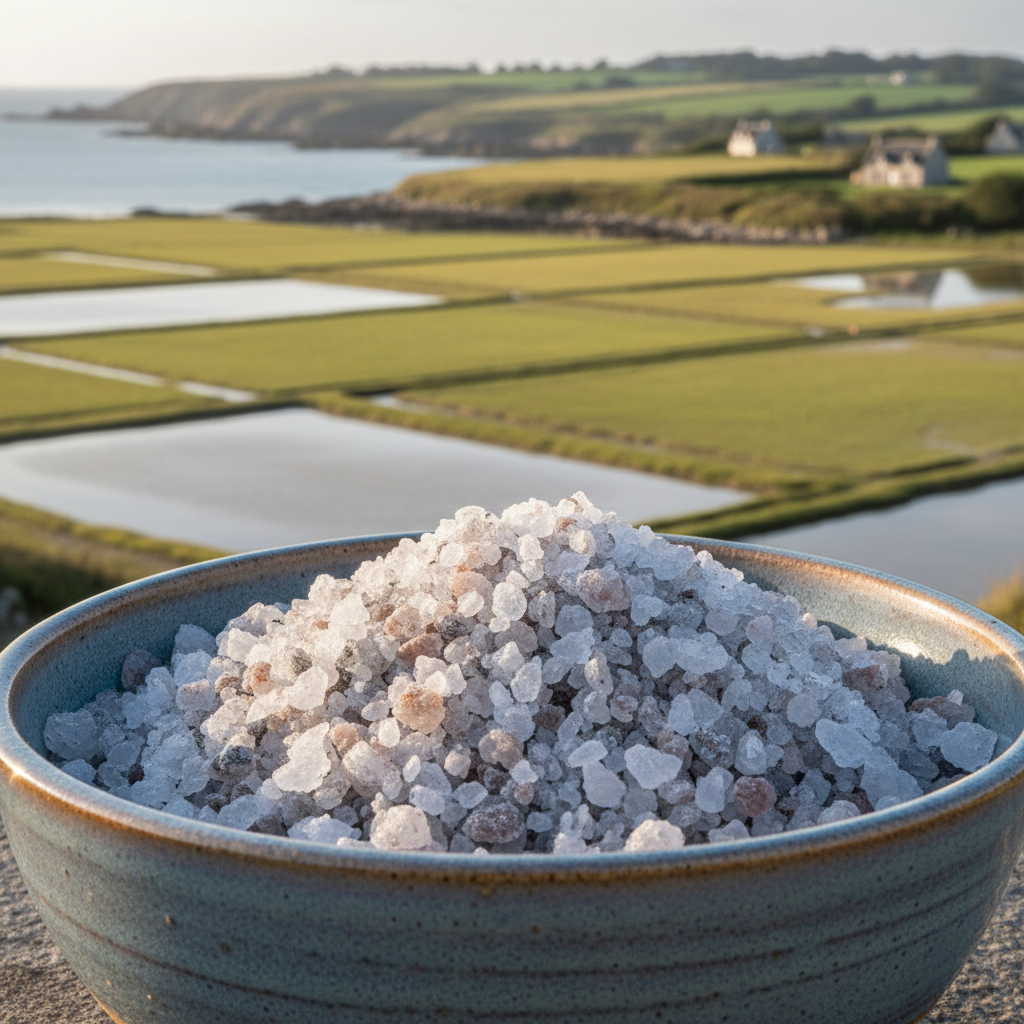
Celtic salt is rapidly becoming one of the most talked-about artisan salts in India, and for good reason. As Indian consumers grow increasingly conscious about the quality of ingredients they bring into their kitchens and wellness routines, the conversation around salt has shifted dramatically. For generations, Indian households relied on iodized table salt or locally produced rock salt like sendha namak and kala namak. But in 2026, a growing community of health-conscious cooks, nutritionists, Ayurvedic practitioners, and wellness enthusiasts across cities like Mumbai, Delhi, Bengaluru, Hyderabad, and Pune are turning their attention to Celtic grey salt — an ancient, hand-harvested, mineral-rich salt sourced from the Atlantic coastal marshes of Guérande in Brittany, northwestern France. This remarkable salt, known in French as "sel gris," carries within its grey, moist crystals an extraordinary mineral complexity that has been naturally preserved through centuries of traditional harvesting methods that remain virtually unchanged to this day.
Understanding what Celtic salt truly is requires stepping away from the modern industrial salt industry and entering a world where time moves more slowly, where the tides of the Atlantic Ocean dictate the pace of work, and where the paludiers — the traditional salt farmers of Brittany — practice their craft with the same dedication and knowledge passed down through generations for over a thousand years. The salt pans of Guérande are a UNESCO-recognised cultural landscape, and the grey salt produced there reflects the unique mineral composition of the Atlantic seawater, the clay-lined salt marsh beds, and the traditional wooden rakes used by the harvesters. No machines, no chemical additives, no bleaching, and no anti-caking agents — just pure, naturally evaporated ocean salt in its most authentic form. For Indian consumers discovering this product, it represents a profound contrast to the heavily processed salt that dominates supermarket shelves across the country.
In India, the timing of Celtic salt's growing popularity could not be more significant. The Indian wellness industry is experiencing unprecedented growth, with millions of people re-examining their dietary habits through both modern nutritional science and traditional Ayurvedic wisdom. There is a cultural openness in India to foods that are described as "natural," "whole," "unprocessed," or "mineral-rich," and Celtic grey salt ticks every one of those boxes. Furthermore, India's vibrant food culture — with its complex spice profiles, diverse regional cuisines, and deeply personal relationship with the cooking process — makes it a particularly receptive market for a salt that genuinely changes the flavour and texture of food in meaningful ways. Chefs across India's fine dining scene have started incorporating Celtic salt into their recipes, while home cooks who have discovered it describe it as a revelatory experience. The salt doesn't just season food; it transforms it in a way that refined white table salt simply cannot replicate.
The importance of this ingredient in 2026 also speaks to a broader global shift. As supply chains have become more transparent and consumers everywhere demand accountability and authenticity from food producers, artisan products with verifiable origins and traditional credentials are gaining ground against industrial alternatives. Celtic grey salt from Guérande carries with it a complete and verifiable story — from the specific geography of the Brière marshes, to the wooden tools used in harvesting, to the natural drying process that preserves its signature moisture content. For discerning Indian buyers who care deeply about provenance and authenticity — qualities deeply embedded in Indian food culture — this level of transparency is enormously appealing. Whether you are a professional chef, a nutrition-aware parent, a yoga practitioner, or simply someone who loves to cook extraordinary meals, understanding what Celtic salt is and why it has earned such devoted followers worldwide is both fascinating and practically useful.
The Complete Guide to Celtic Salt in India
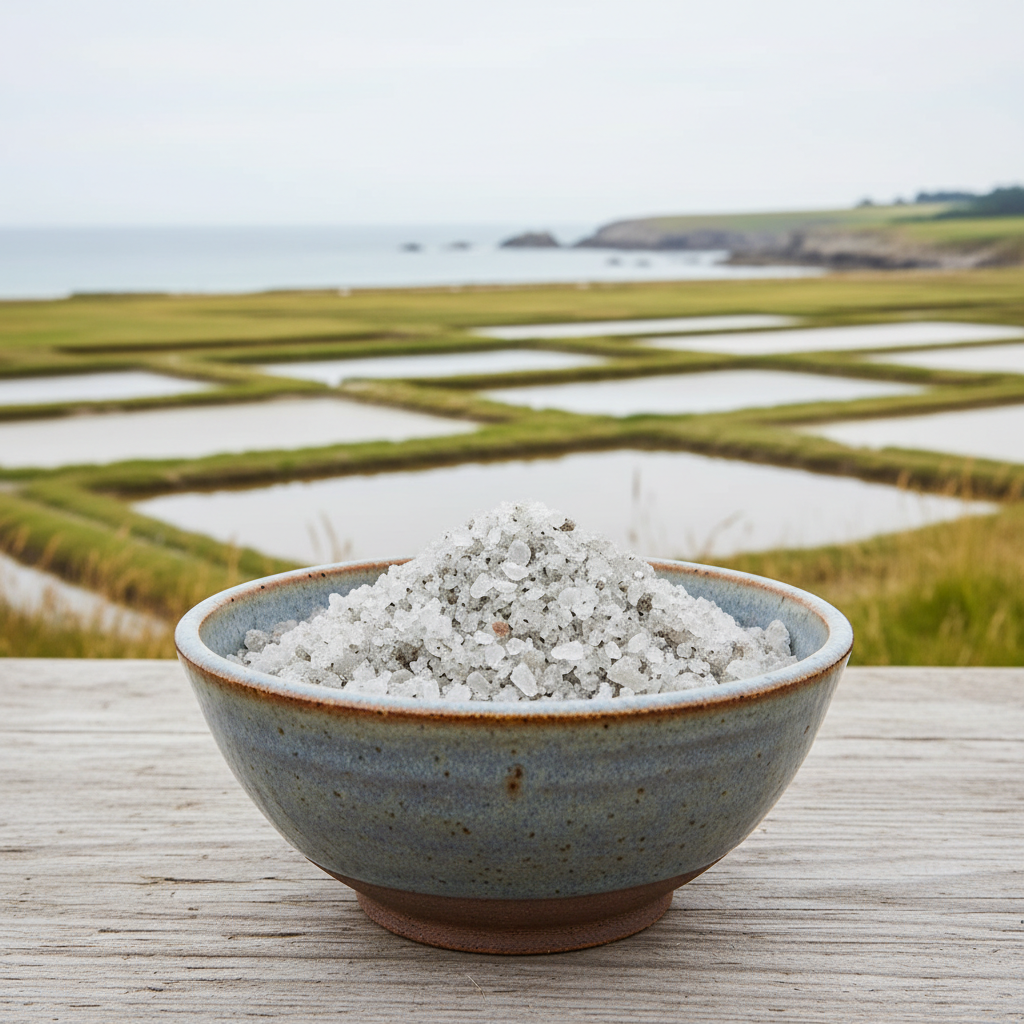
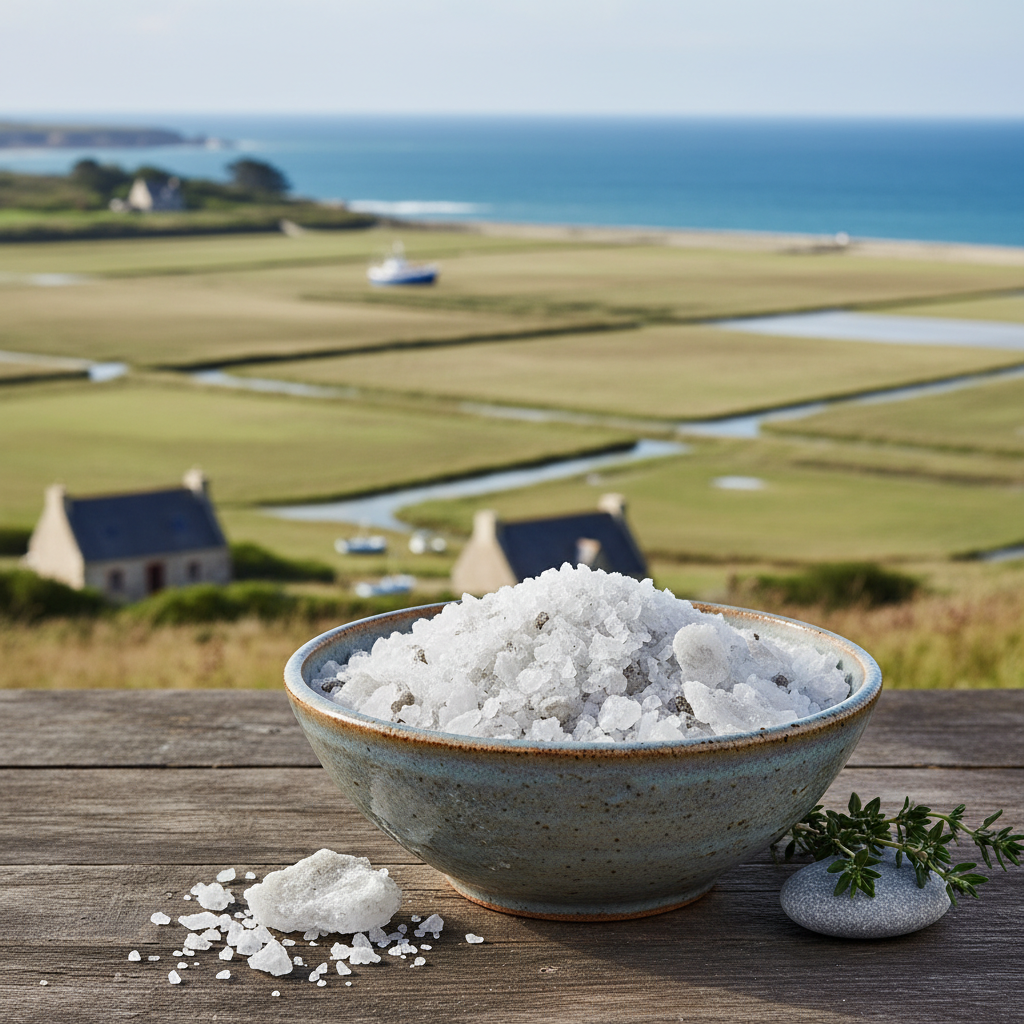
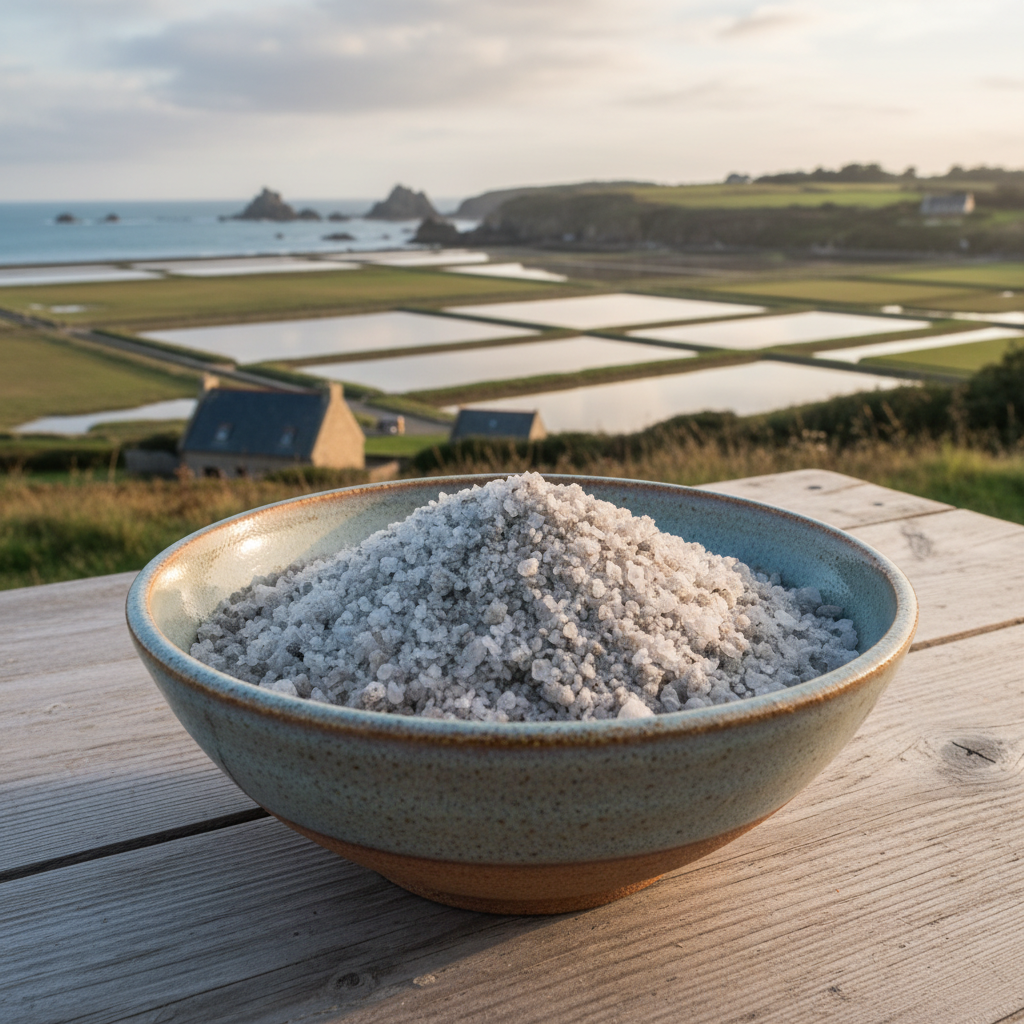
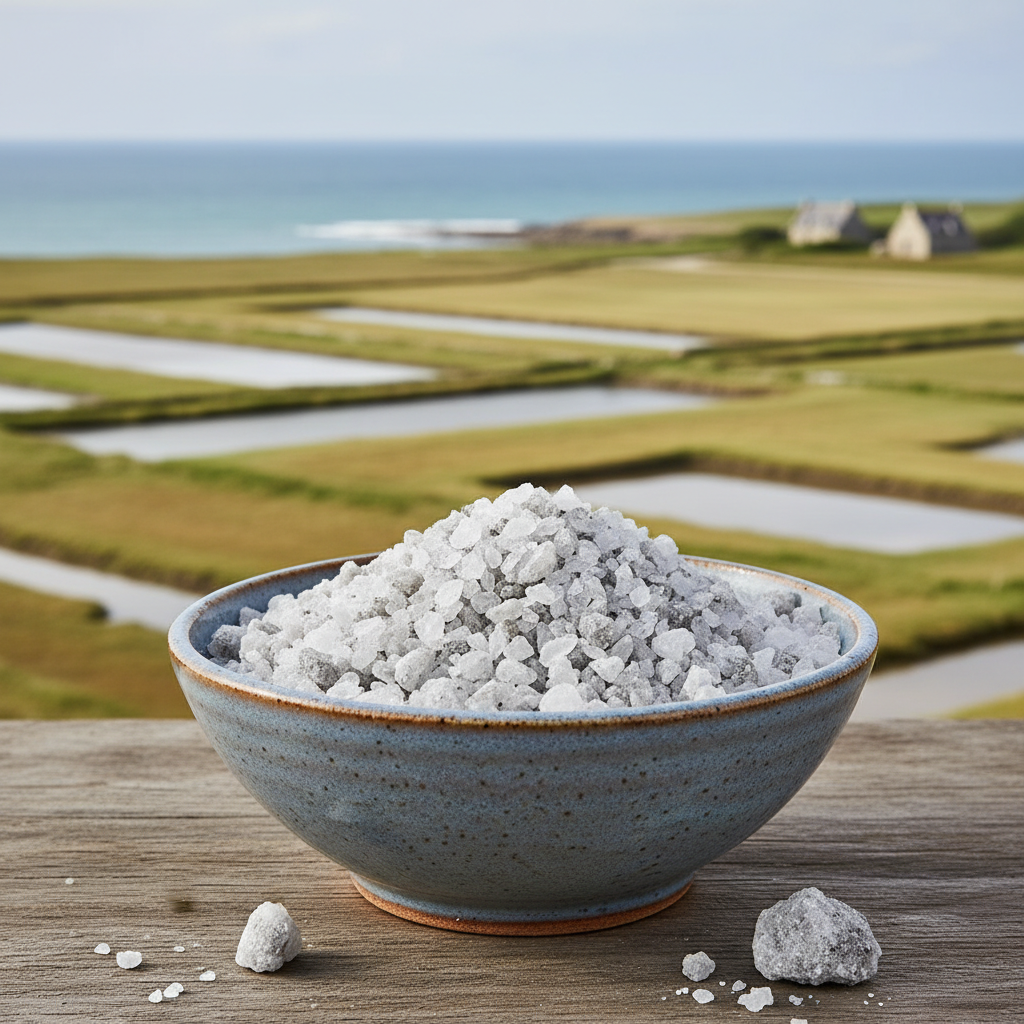
To truly understand Celtic salt in the Indian context, it helps to start at the very source. Guérande, located in the Loire-Atlantique department of Brittany in northwestern France, has been producing salt using the same traditional methods since at least the ninth century. The salt marshes stretch across approximately 2,000 hectares of carefully maintained clay-bottomed ponds and channels that draw in Atlantic seawater at high tide. As the water moves through an intricate system of canals and evaporation basins, it gradually concentrates under the influence of sun and wind. The paludiers guide this process carefully, adjusting the flow of water through sluice gates to maintain optimal salinity levels. When the time is right, the greyish-brown salt crystals that have settled on the clay floor of the oeillets — the final collection ponds — are raked by hand using long wooden tools called lousse. This gentle process ensures the salt retains its natural moisture, its full mineral spectrum, and the characteristic grey colour imparted by the clay.
The grey colour is one of the most visually distinctive features of authentic Celtic salt and one that sometimes surprises or even confuses first-time buyers in India. Unlike the sparkling white salt most people are accustomed to, Celtic grey salt looks almost earthy and damp. This is entirely intentional and is, in fact, a sign of quality and authenticity. The grey hue comes from the clay minerals in the salt pond floors, primarily trace amounts of clay particles and minerals like magnesium, calcium, potassium, and iron. The natural moisture content — which can be as high as thirteen percent in freshly harvested grey salt — is another characteristic that sets it apart. This moisture is not a defect; it is what keeps the mineral structure of the salt intact and contributes to its softer, more complex flavour compared to dry, refined table salt. When you hold a pinch of authentic Celtic grey salt between your fingers, you can feel the dampness and the slight roughness of the irregular crystals — a tactile experience that is itself a testimony to its naturalness.
For Indian consumers evaluating Celtic salt for the first time, it is helpful to understand how it compares to the salts they may already be familiar with. Sendha namak, or rock salt, is widely used in India, particularly during fasting periods, and is valued for its purity and mineral content. Kala namak, the sulfurous black salt used extensively in chaats and raitas, has a completely different flavour profile. Himalayan pink salt has gained enormous popularity globally, including in India, marketed for its mineral richness. Celtic grey salt differs from all of these in several important ways. While Himalayan salt is a fossil salt mined from ancient geological deposits, Celtic salt is a living ocean salt, harvested from actively evaporating contemporary Atlantic seawater. This means its mineral content reflects the full complexity of the modern ocean, including a broad spectrum of trace minerals that are not present in mined salts. Its flavour is distinctly oceanic, rounded, and complex, with none of the sharpness of refined salt and a depth that enthusiasts often describe as "umami-like."
The availability of authentic Celtic grey salt in India has grown significantly in recent years, driven by increasing demand from urban health and wellness communities. Specialty food stores, organic markets, and premium grocery outlets in major Indian cities now stock it, and a number of reputable importers bring in certified Guérande salt for direct-to-consumer and wholesale distribution. When purchasing Celtic salt in India, it is essential to verify its origin — look for products clearly labelled as coming from Guérande, Brittany, and ideally carrying the "Paludiers de Guérande" cooperative label or similar certification that guarantees authentic, hand-harvested production. The price point will naturally be higher than locally produced salts, reflecting the artisan labour and international shipping involved, but for those who use it regularly and appreciate its qualities, the investment is considered well worthwhile. You can explore authentic, certified options directly at celtic-salt.com/produits, where the complete range of Guérande Celtic grey salt products is available with full provenance information.
Health and Culinary Benefits of Celtic Salt in India
One of the primary reasons Indian consumers are drawn to Celtic grey salt is its mineral profile. Unlike refined table salt, which is stripped of virtually all minerals except sodium chloride during processing, Celtic grey salt retains a naturally occurring suite of over eighty trace minerals and elements. These include magnesium, which plays important roles in muscle function and energy metabolism; potassium, which is involved in fluid balance and cardiovascular health; calcium, essential for bone and teeth health; and a range of other trace elements including zinc, iron, manganese, and iodine in naturally occurring rather than artificially added form. It is important to note that while these minerals are genuinely present in Celtic salt, the quantities consumed through normal salt usage are relatively small, and Celtic salt should not be viewed as a primary mineral supplement. Nevertheless, the difference between a salt that provides a small but genuine contribution of trace minerals and one that provides none whatsoever is meaningful to nutritionally aware consumers.
The difference a real salt makes: Discover Celtic Grey Salt →
From a culinary standpoint, the benefits of Celtic grey salt in Indian cooking are perhaps even more immediately apparent than any nutritional considerations. Salt, after all, is the foundation of flavour in every cuisine on earth, and the quality and character of the salt you use profoundly affects the final result. Indian cooking is extraordinarily complex in its flavour architecture, building layers of taste through the use of whole spices, aromatics, tamarind, yogurt, ghee, fresh herbs, and countless other ingredients. In this context, a salt that has genuine character and depth — rather than the harsh, one-dimensional sharpness of refined table salt — can make a significant positive difference. Many Indian chefs who have experimented with Celtic grey salt report that it integrates more harmoniously with complex spice blends, that it enhances the natural sweetness of vegetables like carrots and tomatoes, and that it brings a more rounded, satisfying saltiness to dishes that feels more complete and less abrasive on the palate.
Celtic salt is also particularly well suited to certain traditional Indian preparations in which the quality of salt is especially noticeable. For yogurt-based dishes like raita, lassi, and kadhi, where the salt interacts directly with the delicate cultured dairy without being masked by strong spices, the difference between refined and Celtic salt is very evident. Similarly, in simple preparations like dal, the mineral complexity of Celtic salt can add an almost inexplicable richness and satisfaction to what might otherwise be a straightforward dish. For pickling — a hugely important preservation tradition in Indian food culture, from mango achaar to lemon pickle and mixed vegetable pickles — the mineral content and natural moisture of Celtic salt can contribute positively to the fermentation process, as many of the beneficial minerals support the activity of naturally occurring lactobacillus bacteria. To learn more about how Celtic salt interacts with fermentation and preservation, read our detailed guide on Celtic salt for fermentation and pickling.
For wellness-focused consumers in India who practice yoga, Ayurveda, or follow specific dietary philosophies, Celtic grey salt often aligns naturally with their values. Ayurveda has long distinguished between different types of salt, recognising that not all salts are equal in their effects on the body and mind. While Ayurvedic texts naturally did not describe a salt from Brittany specifically, the general principles they articulate — valuing naturally occurring, minimally processed foods with their full mineral complexity intact — are well served by Celtic grey salt. Many practitioners note that switching from refined salt to Celtic grey salt fits naturally into a broader commitment to consuming whole, unprocessed foods. Additionally, because Celtic salt tends to have a more pronounced and complex flavour, many people find they use slightly less of it than they would refined salt, naturally moderating their sodium intake in a way that feels satisfying rather than restrictive.