Hand-harvested Guérande salt · Tracked international delivery included
Guide· by Celtic Salt Editorial Team
What Is Celtic Salt Good For
What Is Celtic Salt Good For and Why It Matters in 2026
Celtic salt — known in French as sel celtique or gros sel de Guérande — has been harvested along the Atlantic coast of Brittany for more than a thousand years. Today, in an era when consumers are increasingly scrutinising food labels and questioning the origins of what they put into their bodies, this ancient mineral-rich salt is experiencing a remarkable renaissance. Millions of people across Europe, North America, and beyond are swapping out their conventional table salt for this moist, grey-tinted crystal, and the reasons go far beyond simple culinary fashion. Understanding what Celtic salt is good for means exploring its unique mineral composition, its traditional harvesting methods, and the way it interacts with the human body and the kitchen environment in ways that industrially processed salts simply cannot replicate.
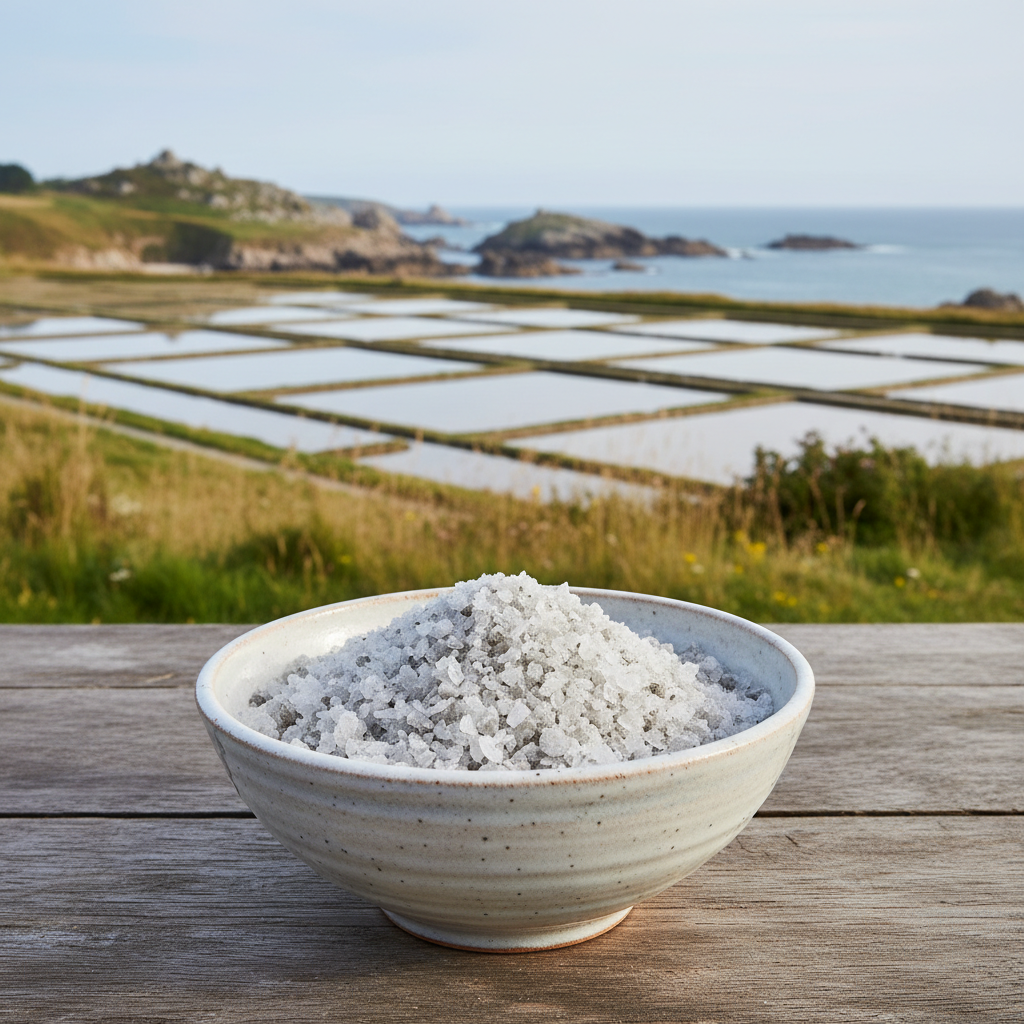
What truly distinguishes Celtic salt from the white, free-flowing salt most people grew up with is the process — or rather, the deliberate absence of industrial processing. Harvested by hand by trained salt farmers called paludiers in the ancient salt marshes of Guérande, Celtic grey salt is raked from clay-lined basins where Atlantic seawater evaporates slowly under the Breton sun and wind. The clay lining of those basins imparts a distinctive grey colour and contributes trace minerals that are simply absent from refined salt. It is never bleached, never kiln-dried at extreme temperatures, and never treated with anti-caking agents, iodine additives, or flow agents. What you receive is salt in one of its most complete natural forms — a product that retains its moisture, its mineral complexity, and its terroir in a way that is deeply connected to the landscape that produced it.
The year 2026 finds us at an interesting crossroads in nutritional awareness. Medical and wellness communities are paying closer attention to the role of electrolytes in everyday health, athletes are reconsidering their hydration strategies, and home cooks are demanding ingredients with genuine provenance and depth of flavour. In this context, Celtic salt is no longer a niche product found only in specialist health food shops. It has moved into the mainstream consciousness because it genuinely delivers on its promises. Whether you are looking to enhance a slow-roasted chicken, support your post-workout recovery, season a delicate butter sauce, or simply reduce your reliance on heavily processed food ingredients, Celtic grey salt offers a versatile, mineral-rich solution that is firmly rooted in one of the world's most respected salt-harvesting traditions.
Perhaps most importantly, the conversation around what Celtic salt is good for has matured significantly. Consumers no longer simply accept marketing language about "natural" or "artisanal" products — they want specifics. They want to know which minerals are present, why moisture content matters, how the salt affects the taste of food differently from regular table salt, and whether there is genuine evidence supporting the enthusiasm. In this comprehensive guide, we will address all of those questions with the depth and honesty they deserve, drawing on culinary tradition, mineral science, and practical kitchen experience to give you a genuinely complete picture of why Celtic salt from Guérande remains one of the world's most respected condiments.
The Complete Guide to Celtic Salt — Origins, Composition, and What Makes It Unique
To fully understand what Celtic salt is good for, you need to understand where it comes from and what it actually contains. The salt marshes of Guérande sit on the southern coast of Brittany, in the Loire-Atlantique department of western France. This region has been producing salt since at least the ninth century, when Benedictine monks are believed to have helped develop the network of shallow clay basins — called œillets — that still define the landscape today. The entire system is a masterpiece of low-technology water management, channelling Atlantic seawater through a series of increasingly shallow pools where the sun and wind do the work of evaporation. The final crystallisation pools, where the salt actually forms, are lined with a specific blue-grey clay that gives Guérande salt its characteristic colour and contributes meaningfully to its mineral profile.
The mineral composition of authentic Celtic grey salt is one of its most compelling attributes. Unlike refined table salt, which is essentially pure sodium chloride (often 99.9% or higher), Celtic salt typically contains between 82 and 84 per cent sodium chloride, with the remainder made up of a rich array of trace minerals and elements. Magnesium is present in meaningful quantities, often significantly higher than in other natural salts. Calcium, potassium, silica, iron, manganese, zinc, and over 70 other trace elements have been identified in authentic Guérande salt through laboratory analysis. These minerals are not artificially added — they are naturally occurring components of the seawater and clay environment in which the salt forms. This mineral complexity is not just a marketing talking point; it genuinely affects how the salt behaves in cooking and how it interacts with the body's electrolyte systems.
The moisture content of Celtic salt is another defining characteristic that directly affects its culinary performance. Authentic Celtic grey salt is naturally moist — it clumps slightly when pressed between the fingers and feels almost alive compared to the bone-dry crystals of refined table salt. This moisture is not a flaw or a sign of poor quality; it is an inherent feature of a salt that has not been kiln-dried at temperatures that would destroy its mineral complexity. The moisture helps the salt adhere to food surfaces more effectively, allows it to dissolve more gradually in certain applications, and contributes to the distinctive flavour profile that experienced cooks prize. If your Celtic salt is completely dry and free-flowing, that is a sign that it has likely been processed more heavily than traditional methods would dictate. Learn more about how to store Celtic salt properly to preserve its moisture and mineral quality.
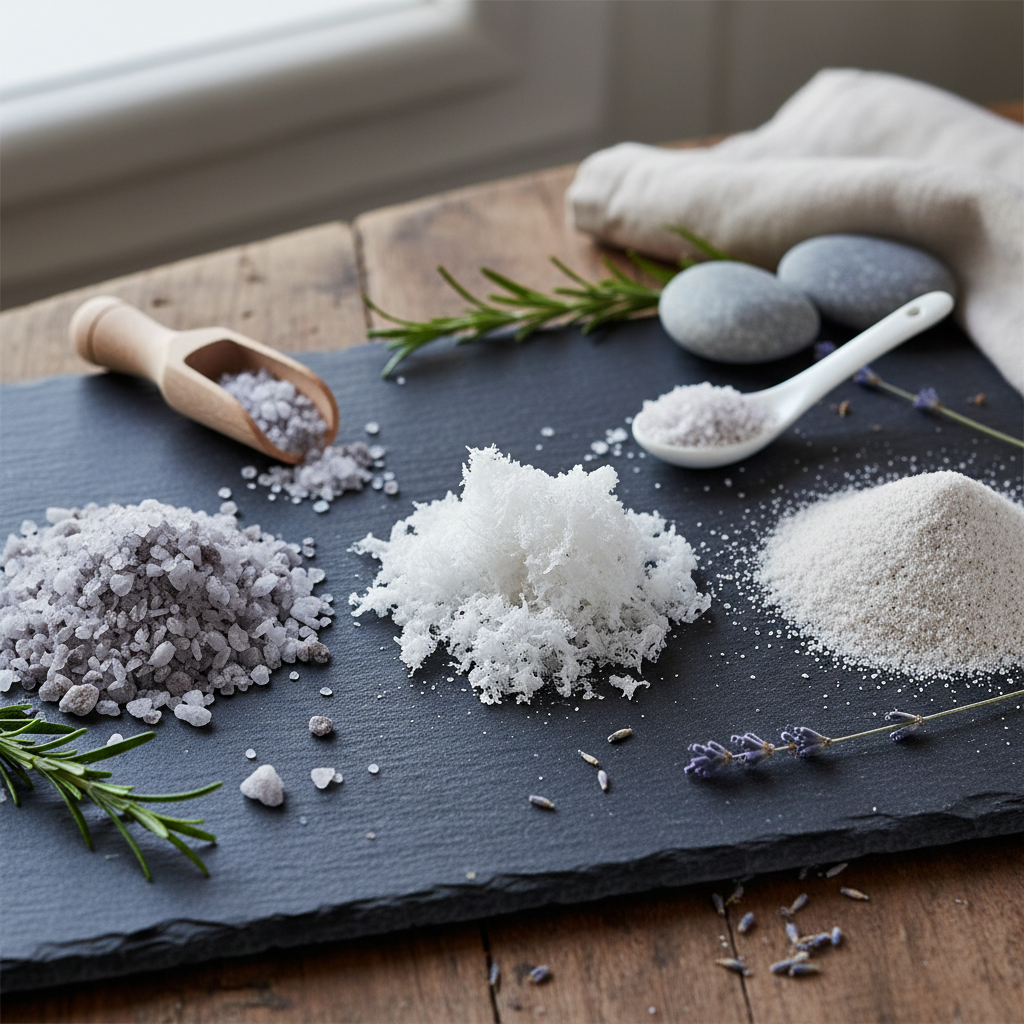
The harvesting calendar for Celtic salt runs roughly from May through September, when Breton weather conditions allow for sufficient evaporation. The paludiers — salt farmers who have often inherited their knowledge and their marsh plots across generations — work with wooden rakes to gather the salt without disturbing the clay beneath. The coveted fleur de sel, the delicate white crystals that form on the surface of the water on still, sunny afternoons, is the finest and most prized product of the marsh. Regular Celtic grey salt, harvested from the bottom of the basins, is the more robust workhorse product that is used for everything from everyday seasoning to brining and preservation. Both products represent a direct, unbroken connection to one of the world's oldest and most carefully maintained food traditions. Explore the differences between fleur de sel and Celtic grey salt to understand which product suits your specific needs.
Health and Culinary Benefits of Celtic Salt
It is important to approach the topic of health benefits with appropriate nuance. Celtic salt is a food ingredient, not a medicine, and responsible discussion of its benefits must remain within the boundaries of what is supported by evidence and general nutritional understanding rather than therapeutic claims. With that said, the differences between Celtic salt and heavily refined table salt are real, measurable, and relevant to people who are thoughtful about the nutritional quality of their food.
The electrolyte profile of Celtic salt is genuinely noteworthy from a nutritional standpoint. Electrolytes — primarily sodium, potassium, magnesium, and calcium — are essential for a vast range of physiological functions, including nerve signal transmission, muscle contraction, fluid balance, and cellular metabolism. Refined table salt delivers sodium and chloride, full stop. Celtic grey salt delivers sodium and chloride alongside meaningful quantities of magnesium and other trace electrolytes. For active individuals, athletes, or anyone paying attention to their hydration strategy, this distinction matters. Many nutritionists and sports dietitians now recommend mineral-rich natural salts specifically because they provide a broader electrolyte contribution than their refined counterparts. The difference is not dramatic in terms of absolute mineral quantities consumed per pinch, but over the course of a diet, the cumulative effect of choosing a more mineralised salt is worth considering.
Magnesium deserves special mention in the context of Celtic salt's health-adjacent benefits. Magnesium is one of the most commonly under-consumed minerals in modern Western diets. It is involved in more than 300 enzymatic reactions in the human body, plays a critical role in energy metabolism, supports muscle and nerve function, and contributes to sleep quality and stress regulation. The fact that Celtic grey salt contains appreciable levels of naturally occurring magnesium — unlike refined salt — makes it a marginally better choice for those looking to support adequate magnesium intake through their everyday food choices. Again, this is not a claim that Celtic salt is a therapeutic magnesium supplement; it is simply an acknowledgement that choosing a more mineral-complete salt is a reasonable dietary preference.
From a culinary perspective, the benefits of Celtic salt are arguably even more straightforward and immediately perceptible. The flavour of authentic Guérande Celtic salt is complex in a way that refined table salt is not. It has a mineral depth, a slight briny quality, and a finish that lingers pleasantly on the palate. Because of its moisture content and mineral complexity, it seasons food differently — more gently, with greater nuance, and with less of the harsh, one-dimensional saltiness that can make over-seasoned food with refined salt taste aggressive and sharp. Professional chefs who work with Celtic salt often note that they use less of it to achieve the same perceived level of seasoning, which is itself a practical benefit for those monitoring their sodium intake. The larger crystal structure of coarse Celtic grey salt also means it dissolves more gradually, which is advantageous in slow cooking, brining, and marinating applications where a steady release of salinity is desirable.
Digestive wellness is another area where advocates of natural salt point to potential benefits, though the science here is more observational than clinical. Some proponents suggest that the trace minerals in Celtic salt support the production of stomach acid and digestive enzymes, contributing to more efficient nutrient absorption. What is well established is that sodium chloride — in whatever form it comes — is essential for the production of hydrochloric acid in the stomach, which is the foundation of healthy protein digestion. The addition of trace minerals in Celtic salt does not detract from this function and may complement it in ways that are difficult to isolate in controlled studies. For most people, the most tangible digestive benefit of switching to Celtic salt is simply what they are avoiding: the anti-caking agents, bleaching chemicals, and additives that are standard in refined table salt production.
How to Use Celtic Salt — Expert Tips for the Kitchen and Beyond
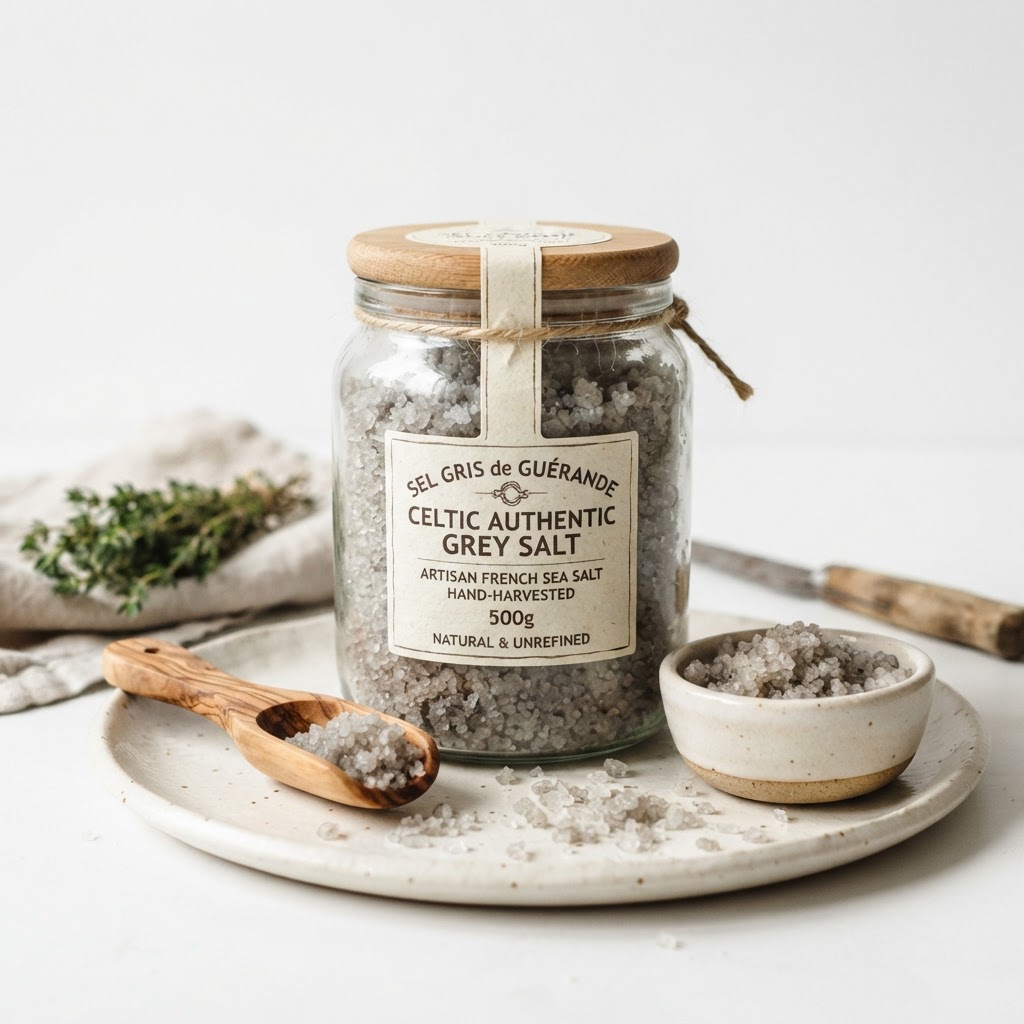
One of the most common questions from people new to Celtic salt is practical: how do you actually use it? The answer depends partly on the form of Celtic salt you are working with. Coarse Celtic grey salt — gros sel — is the larger-grained, moister product that is ideal for certain applications but requires some adaptation if you are accustomed to fine-grained refined salt. Fine Celtic grey salt — ground from the same coarse harvest — is more versatile for everyday seasoning and can be used in roughly the same quantities and in the same ways as conventional table salt, with some adjustment for its slightly more complex flavour.
For everyday seasoning during cooking, fine Celtic grey salt is your go-to option. Use it to season pasta water, to finish vegetables before roasting, to season sauces at the end of cooking, or simply to season at the table. Because its flavour is more complex and satisfying than refined salt, many cooks find they instinctively use less of it — start with a slightly smaller amount than you would use with regular salt and adjust to taste. For finishing dishes — adding a final flourish of salt just before serving to enhance flavour and add textural contrast — coarse Celtic grey salt or fleur de sel from Guérande is unmatched. The larger crystals provide a pleasant crunch and a burst of mineral flavour that elevates everything from a simple fried egg to a dark chocolate dessert.