What Is Celtic Salt: Its Minerals, Properties and Everyday Uses and Why It Matters in 2026
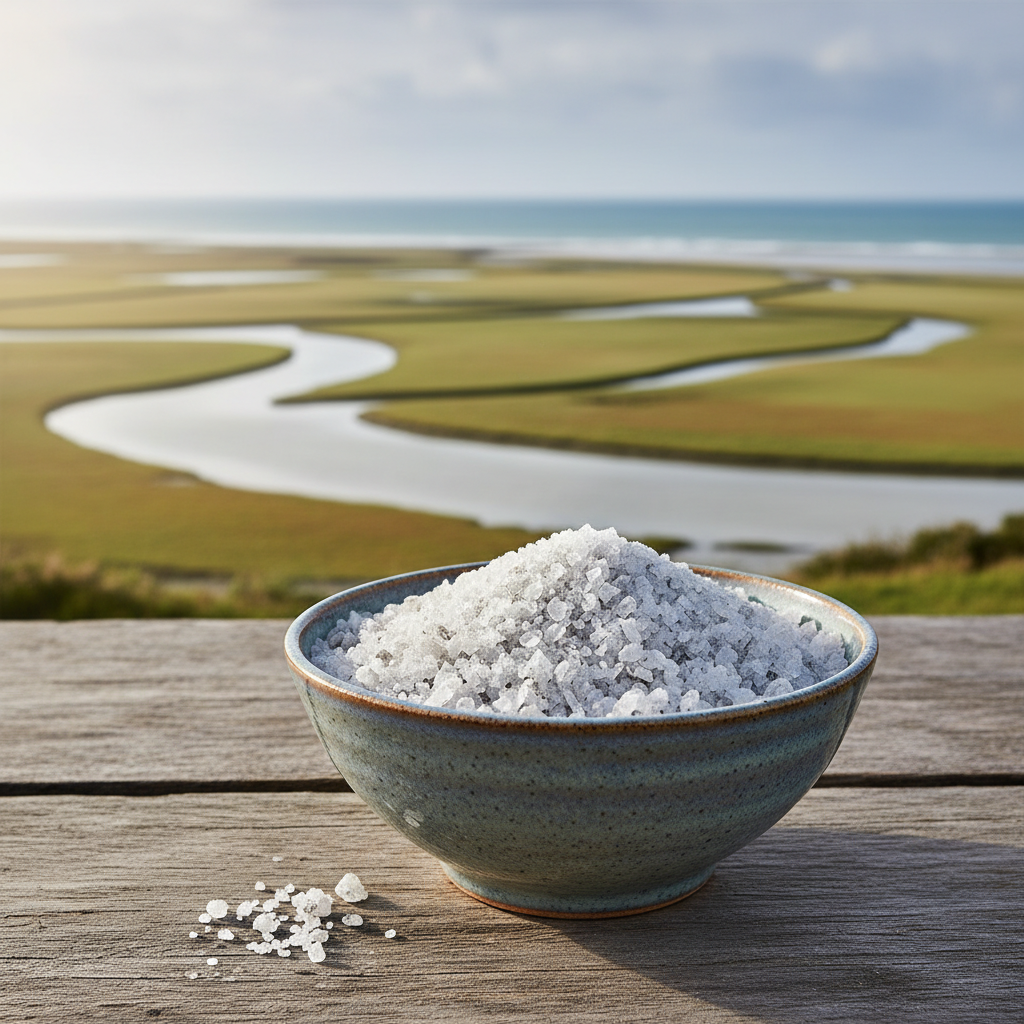
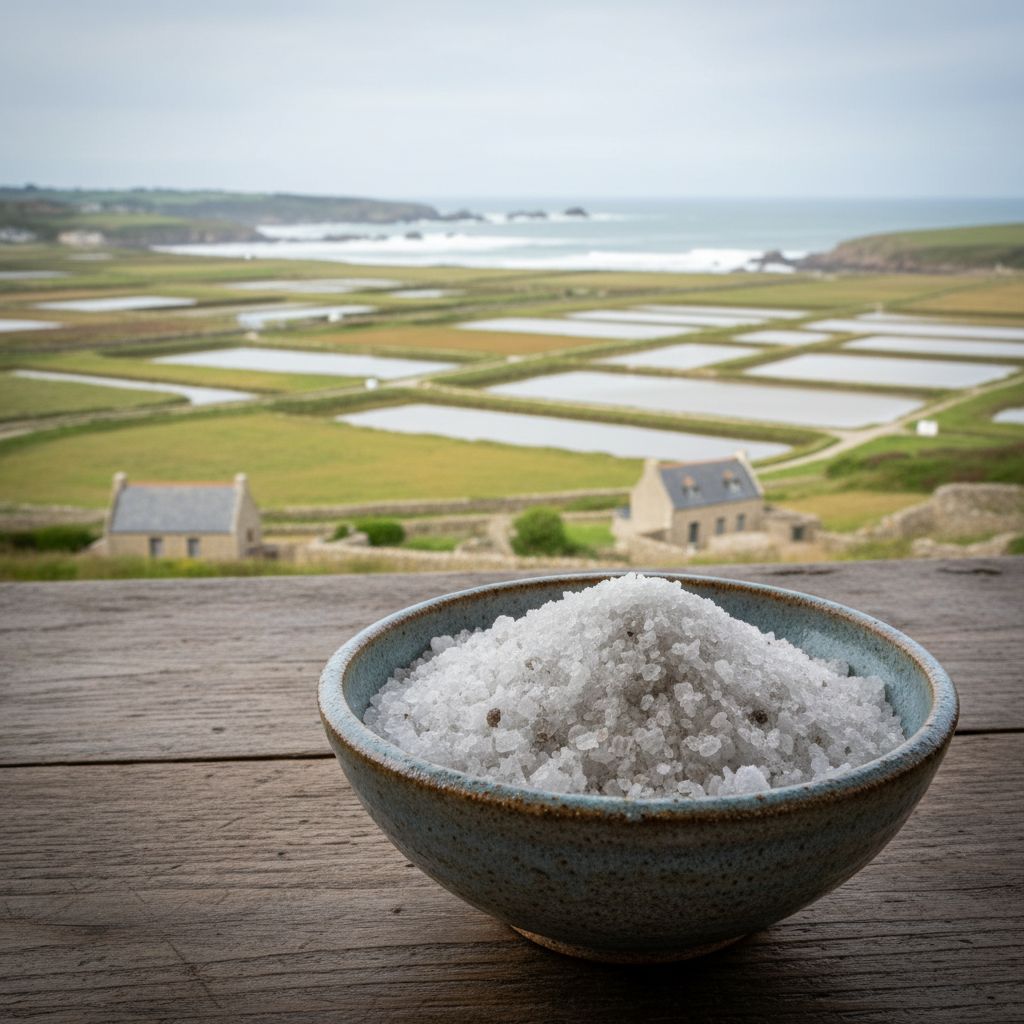
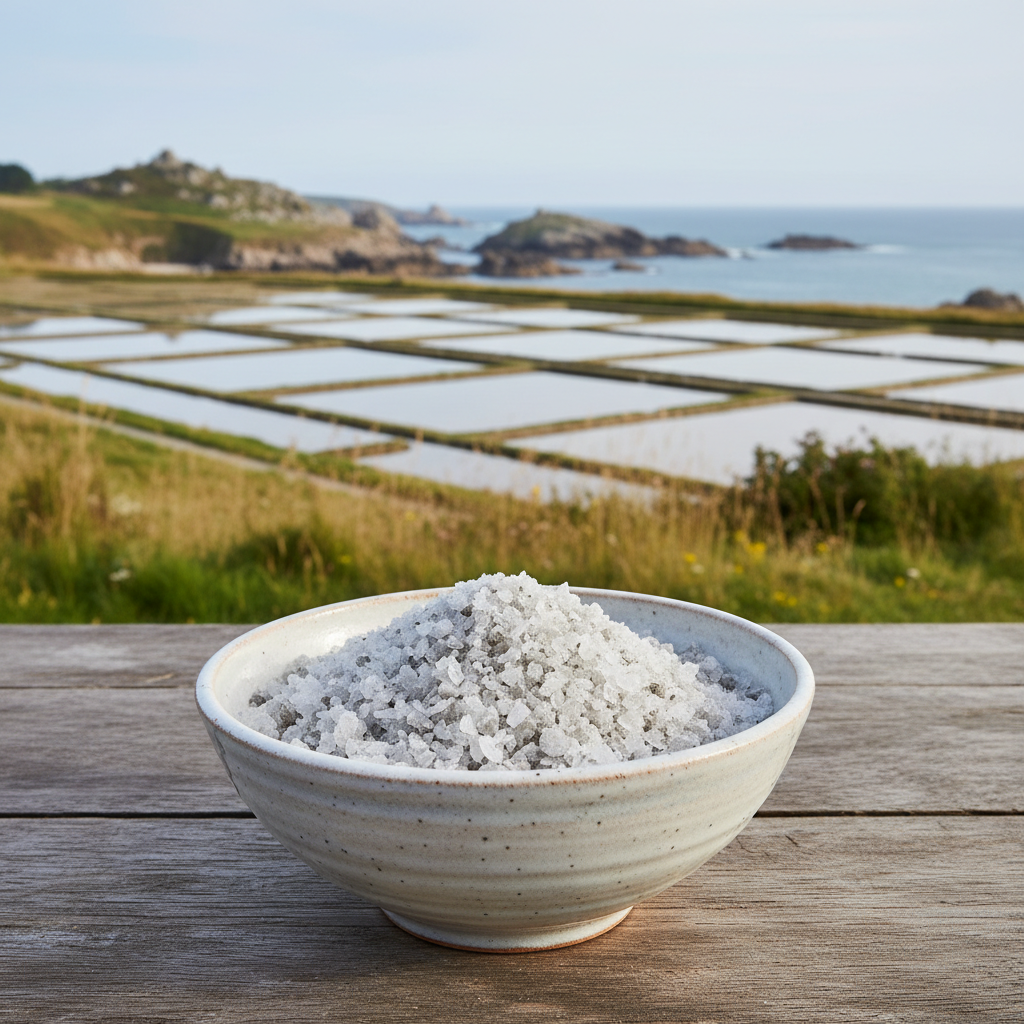
Celtic salt is one of the most ancient and revered natural salts in the world, harvested by hand from the legendary salt marshes of Guérande in Brittany, France. Unlike the refined white table salt that dominates most kitchen shelves, Celtic salt retains its full spectrum of naturally occurring minerals, its characteristic grey hue, and its moist, coarse texture — all hallmarks of a product that has been shaped by centuries of traditional craftsmanship. In an era where consumers are increasingly scrutinising what they put on their plates and into their bodies, the demand for authentic, minimally processed salt has never been higher. As we move through 2026, Celtic salt stands at the intersection of culinary artistry, nutritional awareness, and environmental responsibility, appealing to chefs, health-conscious households, and food purists alike.
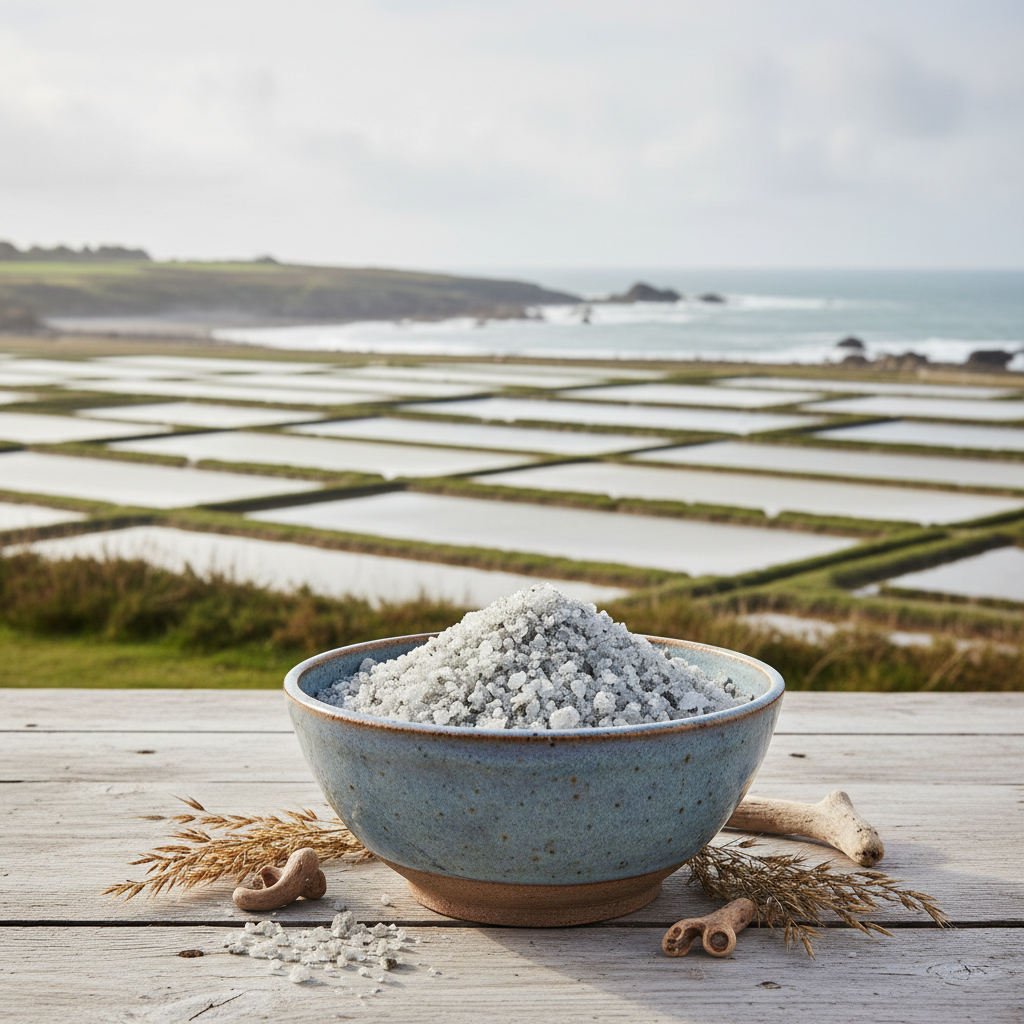
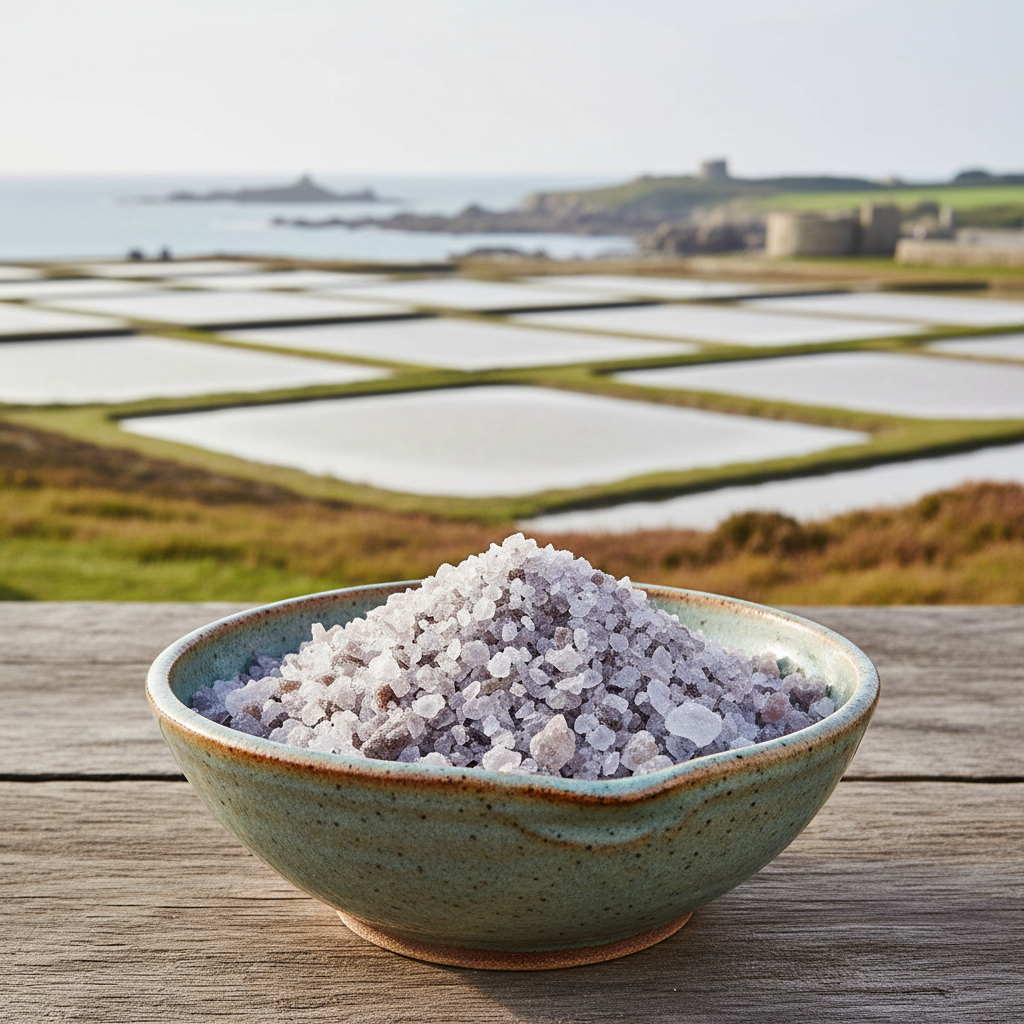
The story of Celtic salt begins in the tidal flats of the Loire-Atlantique department of western France, where paludiers — the traditional salt workers of Brittany — have been practising their craft for over a millennium. The process involves channelling Atlantic seawater through a series of shallow clay-lined ponds called oeillets, where sun and wind gradually evaporate the water, concentrating the minerals and allowing salt crystals to form naturally. This method requires no industrial processing, no chemical additives, and no bleaching agents. The result is a salt that is genuinely alive with trace elements, preserved in their natural ratios, exactly as nature intended. It is this unbroken connection between the sea, the land, and the harvest that makes Celtic salt so distinctly different from mass-produced alternatives.
The relevance of Celtic salt in 2026 cannot be overstated. A growing body of nutritional research continues to highlight the importance of trace minerals in human health, from supporting electrolyte balance to contributing to enzymatic function. At the same time, the culinary world has undergone a renaissance in its appreciation of finishing salts and artisanal seasonings. Home cooks and professional chefs are no longer satisfied with flat, one-dimensional saltiness — they seek depth, complexity, and a certain terroir in their ingredients. Celtic salt delivers all of this and more. Its slightly briny, mineral-rich flavour profile enhances everything from simple roasted vegetables to elaborate seafood dishes, making it as much a flavour ingredient as it is a seasoning tool.
Furthermore, the environmental and ethical dimensions of Celtic salt production resonate deeply with today's conscious consumers. The salt marshes of Guérande are classified as a protected wetland under the Ramsar Convention, supporting extraordinary biodiversity including migratory birds, rare plant species, and a complex estuarine ecosystem. By choosing authentic Celtic salt, consumers are actively supporting the preservation of this fragile environment and the continuation of a UNESCO-recognised traditional craft. In a world where food choices increasingly carry moral weight, Celtic salt represents a harmonious alignment between taste, nutrition, and ecological stewardship — a trifecta that few other food products can genuinely claim.
The Complete Guide to Celtic Salt: Its Minerals, Properties and Everyday Uses
To truly understand Celtic salt, one must first understand what makes it fundamentally different from other salts at the molecular and elemental level. Refined table salt is essentially pure sodium chloride — typically 97 to 99 percent — with the natural minerals stripped away during industrial processing and anti-caking agents added back in. Celtic salt, by contrast, is a complex mineral matrix. Its sodium chloride content typically ranges between 82 and 87 percent, with the remaining percentage comprising a rich array of trace minerals including magnesium, calcium, potassium, iron, zinc, manganese, copper, iodine, and over eighty other elements found in Atlantic seawater. This mineral diversity is not incidental — it is the defining characteristic of the salt and the foundation of its culinary and nutritional value.
Magnesium deserves particular attention in any discussion of Celtic salt's mineral profile. It is one of the most abundant trace minerals in the salt and one of the most critically important for human physiology. Magnesium is involved in over three hundred enzymatic reactions in the body, playing roles in muscle function, nerve transmission, blood sugar regulation, and protein synthesis. Many people in the modern world are deficient in magnesium due to depleted soils and processed diets, making dietary sources of this mineral especially valuable. The magnesium content of Celtic salt is largely responsible for its characteristic moisture and its grey colour, as magnesium chloride is hygroscopic — it draws moisture from the surrounding environment, keeping the salt naturally damp and giving it a distinctly heavier, denser texture than dry, white salts.
Calcium is another significant mineral present in Celtic salt, contributing to its complex flavour and its nutritional profile. Potassium, which balances the effects of sodium in the body and supports cardiovascular health, is present in meaningful quantities as well. Iron gives the salt subtle earthy undertones and contributes to the grey-blue colour variations sometimes observed in premium Celtic salt. The presence of iodine, though variable, is a natural feature of sea-harvested salts, distinguishing them from inland rock salts which typically contain no iodine at all. Together, these minerals create what is often described as a "complete" salt — one that nourishes as well as seasons, and that interacts with food in ways that go far beyond simple sodium chloride.
The physical properties of Celtic salt are equally important to understand. The salt is typically harvested in two primary forms: coarse Celtic salt, known as gros sel, and the fine grey salt that results from milling the coarser crystals. There is also the celebrated fleur de sel, the delicate flower of salt that forms on the surface of the water on calm, sunny days and is skimmed by hand using a wooden tool called a lousse. Each of these forms has distinct culinary applications and textural qualities. The coarse salt is ideal for preserving, brining, and cooking in large volumes of water. The fine grey salt is versatile for everyday seasoning, baking, and table use. And fleur de sel, with its delicate flakes and intense yet nuanced flavour, is reserved for finishing — added at the last moment to elevate a dish from good to extraordinary. You can explore the full range of authentic Guérande Celtic salt products at celtic-salt.com/produits.
The moisture content of Celtic salt is one of its most discussed physical properties. Because it is not dried or processed after harvesting, it retains natural moisture from the salt marsh water. This moisture is not a sign of inferior quality — quite the opposite. It is evidence that the salt is unprocessed and mineral-rich. The moist texture means the salt dissolves slightly differently on the tongue than dry salt, delivering a burst of flavour that is perceived as rounder and more complex. This moistness does require proper storage — Celtic salt should be kept in a ceramic, glass, or wooden container rather than a metal one, as the mineral-rich brine can cause corrosion. A loosely covered container at room temperature is ideal, allowing the salt to breathe while preventing excessive drying.
Health and Culinary Benefits
The health benefits associated with Celtic salt are rooted primarily in its mineral content and its minimal processing, and while it would be irresponsible to make specific medical claims, the evidence base for the importance of dietary trace minerals is both extensive and well-established. The body requires a diverse array of minerals to function optimally, and the modern diet — dominated by processed and convenience foods — is frequently deficient in many of these. Choosing a mineral-rich salt like authentic Celtic grey salt over refined table salt is one simple, practical way to increase daily mineral intake without making dramatic dietary changes. It is a small but meaningful step toward a more nutritionally complete diet.
Electrolyte balance is perhaps the most immediate and tangible health-related benefit of using Celtic salt. Electrolytes — primarily sodium, potassium, magnesium, and calcium — are essential for maintaining fluid balance within and between cells, supporting nerve impulse transmission, and enabling muscle contractions including the beating of the heart. Athletes, individuals who sweat heavily, and those following low-carbohydrate diets are particularly susceptible to electrolyte imbalances. Celtic salt, with its natural spectrum of electrolyte minerals, is a more physiologically harmonious source of sodium than refined salt, providing not just sodium but also its complementary minerals in proportions that more closely mirror the body's own fluid composition. This is why Celtic salt is a favourite among those following ancestral, paleo, and functional nutrition approaches to health.
The difference a real salt makes: Discover Celtic Grey Salt →
Digestive health is another area where Celtic salt may offer advantages. Traditional medical systems, including Ayurveda and naturopathic medicine, have long recognised the role of mineral-rich salts in stimulating digestive secretions and supporting the gut environment. Some practitioners advocate for adding a small pinch of Celtic salt to a glass of water first thing in the morning as a way of priming the digestive system for the day. While scientific research in this specific area is limited, the logic is consistent with what we know about the importance of minerals in enzyme production and stomach acid regulation. The key is moderation — Celtic salt, like all salt, should be used as a seasoning and flavour enhancer rather than consumed in excessive quantities.
From a culinary perspective, the benefits of Celtic salt are immediately tangible and verifiable through direct experience. Its complex mineral profile means that it seasons food more efficiently than refined salt — many cooks report needing less Celtic salt to achieve the same level of seasoning, which can be an advantage for those monitoring sodium intake. The subtle earthiness and brininess of Celtic salt add layers of flavour that simple table salt cannot replicate. It enhances the natural sweetness of vegetables, deepens the umami of meats, brightens the acidity of dressings and sauces, and provides an irreplaceable finishing note when sprinkled over chocolate desserts, caramel, or fresh avocado. Understanding how to harness these culinary qualities is the subject of a growing movement among food writers and professional chefs who advocate for salt as an ingredient rather than merely a condiment. For a deeper exploration of the mineral profile of Celtic salt, visit our complete guide to Celtic salt minerals.
How to Use Celtic Salt: Its Minerals, Properties and Everyday Uses — Expert Tips
Using Celtic salt effectively is both an art and a science, and mastering its application can genuinely transform your cooking. The first principle to understand is that different forms of Celtic salt serve different purposes. Coarse gros sel is the workhorse of the Celtic salt family — it is the salt you use when boiling pasta, blanching vegetables, brining meats, or making preserved lemons. Its large crystals dissolve slowly in water, releasing minerals gradually and seasoning from the inside out. When using coarse Celtic salt for boiling, add it generously to the water — the water should taste pleasantly of the sea, not overpoweringly salty, but saline enough to season whatever is being cooked within it.
Fine grey Celtic salt, milled from the coarser harvest, is the most versatile form for everyday cooking. Use it exactly as you would use any fine salt — for seasoning during cooking, for baking, for salad dressings, for marinades, and for general table use. Because fine Celtic salt retains moisture, it can clump slightly, particularly in humid climates. A small rice grain placed in the salt container can help absorb excess moisture and keep the salt flowing freely. When baking bread, Celtic salt contributes not only seasoning but also minerals that interact with the yeast and the gluten structure of the dough, producing a more flavourful and complex loaf. Many artisan bakers swear by grey salt for this reason, noting that it produces a more nuanced flavour and a slightly more tender crumb than refined salt.