Hand-harvested Guérande salt · Tracked international delivery included
Guide· by Celtic Salt Editorial Team
What Are The 82 Minerals In Celtic Salt Pdf
What Are the trace minerals whose levels vary by harvest and product in Celtic Salt PDF and Why It Matters in 2026
If you have ever searched online for a detailed breakdown of the mineral content found in authentic grey Celtic salt, you have likely come across references to a so-called "trace minerals whose levels vary by harvest and product in Celtic salt PDF." This phrase has become one of the most searched topics in the world of natural and artisanal salts, and for good reason. People are increasingly curious about what separates traditional, hand-harvested grey salt from the heavily processed white table salt that dominates supermarket shelves. The answer lies deep within the mineral profile of genuine Celtic grey salt — a product that has been harvested from the clay-lined salt pans of Guérande, Brittany, France for over a thousand years. Understanding this mineral composition is not just a matter of academic interest; it has real implications for how we season our food, how we support our overall wellness routines, and how we make smarter purchasing decisions in an era saturated with marketing claims and misleading labels.
The number 82 refers to the trace mineral and element count that researchers and independent laboratories have identified within authentic, unrefined grey salt harvested from the Atlantic coast of Brittany. Unlike standard table salt, which is stripped down to roughly 97–99% sodium chloride through industrial refining and chemical processing, genuine Celtic grey salt retains a much broader spectrum of naturally occurring minerals. These include macrominerals like magnesium, calcium, and potassium, as well as a wide range of trace elements that are present in smaller but still meaningful concentrations. The presence of these minerals is directly tied to the unique marine environment, the clay-rich harvesting beds, and the meticulous traditional techniques used by the paludiers — the salt farmers of Guérande — who have passed down their craft through generations without industrial interference.
In 2026, this topic matters more than ever because consumers are becoming more educated and more skeptical of processed food products. As chronic health concerns linked to over-consumption of refined sodium continue to grow globally, researchers, nutritionists, and culinary experts are paying closer attention to the quality of the salt we use every day. The idea that a mineral-rich, unrefined salt might offer a more balanced alternative to pure sodium chloride is gaining traction not just in wellness communities but also in mainstream culinary and nutritional discourse. The PDF format in which this mineral data is often circulated represents laboratory analyses and scientific reports that provide hard evidence for these claims, making it easier for consumers and professionals alike to compare the mineral profiles of different salts objectively and transparently.
Furthermore, the growing movement toward whole foods, ancestral nutrition, and mindful eating has brought traditional products like Guérande grey salt into the spotlight. Chefs at Michelin-starred restaurants, functional medicine practitioners, and home cooks who care deeply about ingredient quality are all asking the same questions: What exactly is in my salt? Is the mineral content meaningful? How does this salt differ from others on the market? This article aims to answer all of those questions comprehensively, guiding you through the complete mineral profile of Celtic grey salt, explaining the significance of each key mineral, and helping you understand why the authentic product from Brittany stands apart from imitations and inferior alternatives. Whether you arrived here looking for a downloadable mineral list or a deeper understanding of what makes this ancient salt so remarkable, you are in the right place.
The Complete Guide to the trace minerals whose levels vary by harvest and product Found in Celtic Grey Salt
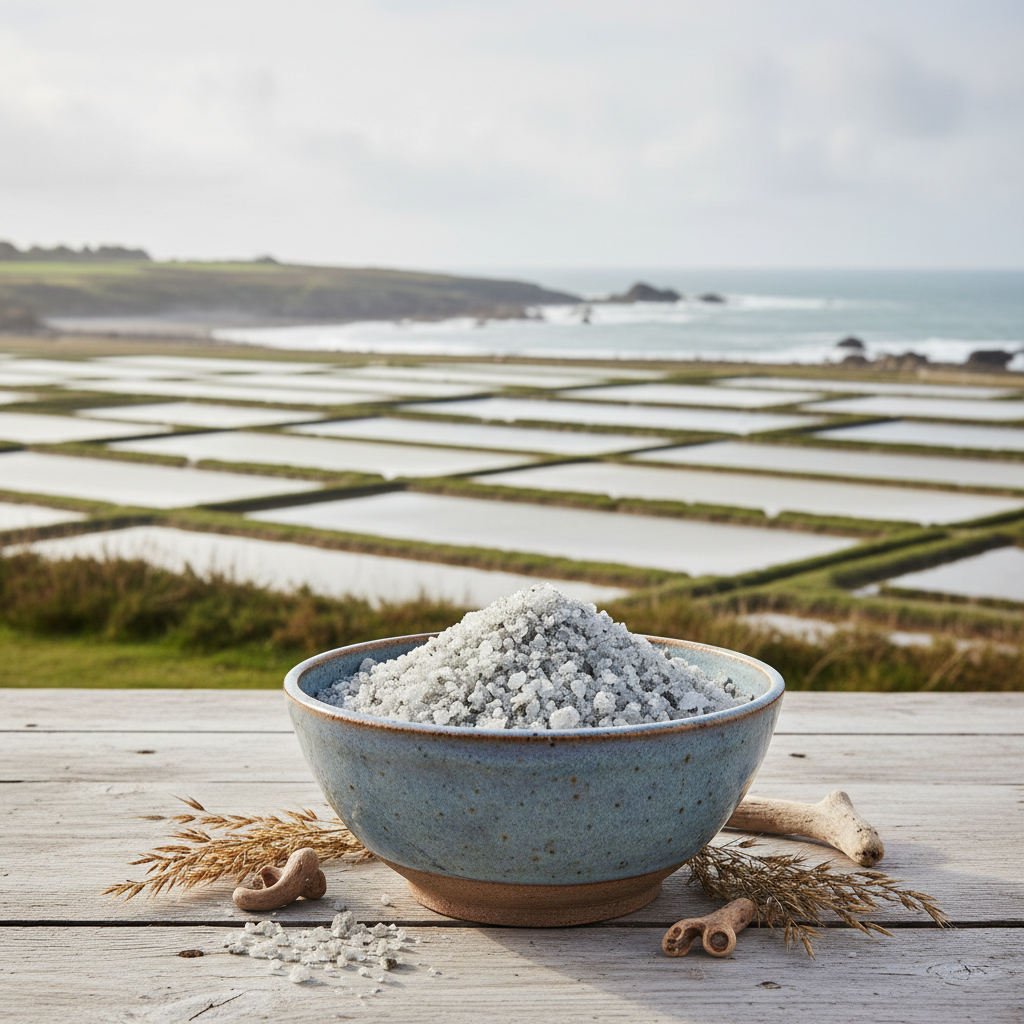
To understand the trace minerals whose levels vary by harvest and product referenced in laboratory analyses of Celtic grey salt, it helps to first understand how this salt is formed and harvested. Authentic grey salt — known in French as sel gris — is collected from large, shallow evaporation ponds called oeillets that are connected to the Atlantic Ocean on the Guérande peninsula. As seawater flows through a series of progressively shallower ponds, it concentrates through natural solar evaporation. The salt crystallises at the bottom and edges of the harvesting pond, where it also picks up minerals from the grey clay substrate — a specific type of sedimentary clay known for its rich mineral deposits. This dual source of minerality — both oceanic and geological — is what gives authentic Celtic grey salt its distinctive grey colour, moist texture, and complex mineral composition. The moisture you feel when you hold genuine grey salt is not contamination; it is mineral-rich brine that is integral to the salt's character and nutritional profile.
The trace minerals whose levels vary by harvest and product and minerals identified in independent laboratory analyses of Guérande grey salt include a broad spectrum of both macro and micro nutrients. Among the most significant macrominerals is magnesium, which is found in notably higher concentrations in grey salt compared to white refined salt. Magnesium plays a critical role in hundreds of enzymatic processes in the human body, and genuine grey salt can contain between 400 and 1,000 milligrams of magnesium per 100 grams — a meaningful contribution when considered in the context of daily dietary intake. Calcium is another key macromineral present in grey salt, contributing to the salt's overall mineral density. Potassium, which works in concert with sodium to regulate fluid balance and cellular function, is also present in measurable quantities, making the sodium-to-potassium ratio in grey salt more balanced than in refined table salt.
Beyond the macrominerals, the trace element profile of authentic Celtic grey salt reads like a comprehensive survey of the ocean's chemistry. Iron, manganese, zinc, copper, selenium, iodine, silicon, fluorine, boron, rubidium, strontium, lithium, barium, and vanadium are among the dozens of trace elements detected in laboratory analyses. Many of these elements are present in concentrations measured in parts per million or even parts per billion, but this does not diminish their relevance. Nutritional science has shown that even ultra-trace minerals can act as cofactors for enzymatic reactions, influence antioxidant activity, and support metabolic processes. The fact that these elements occur naturally within the salt — in organic association with each other, much as they exist in seawater and marine ecosystems — is considered by many nutritionists to enhance their bioavailability compared to synthetic mineral supplements.
It is important to clarify what "trace minerals whose levels vary by harvest and product" means in a scientific context. Laboratory analyses of complex natural substances like grey salt typically identify a range of elements using techniques such as inductively coupled plasma mass spectrometry (ICP-MS) or atomic absorption spectrometry (AAS). Depending on the sensitivity of the instruments used and the specific batch of salt analysed, the number of detectable elements can vary. Some analyses report figures of 60, 72, 80, or over 84 trace elements. The figure of 82 has become the most widely cited number in popular literature and downloadable PDF reports, and it broadly aligns with scientific findings. The key takeaway is not the precise count — which can shift with different analytical methods — but rather the remarkable breadth and diversity of naturally occurring minerals that authentic grey salt contains when compared to its refined counterparts, which typically contain little more than sodium chloride and synthetic anti-caking agents.
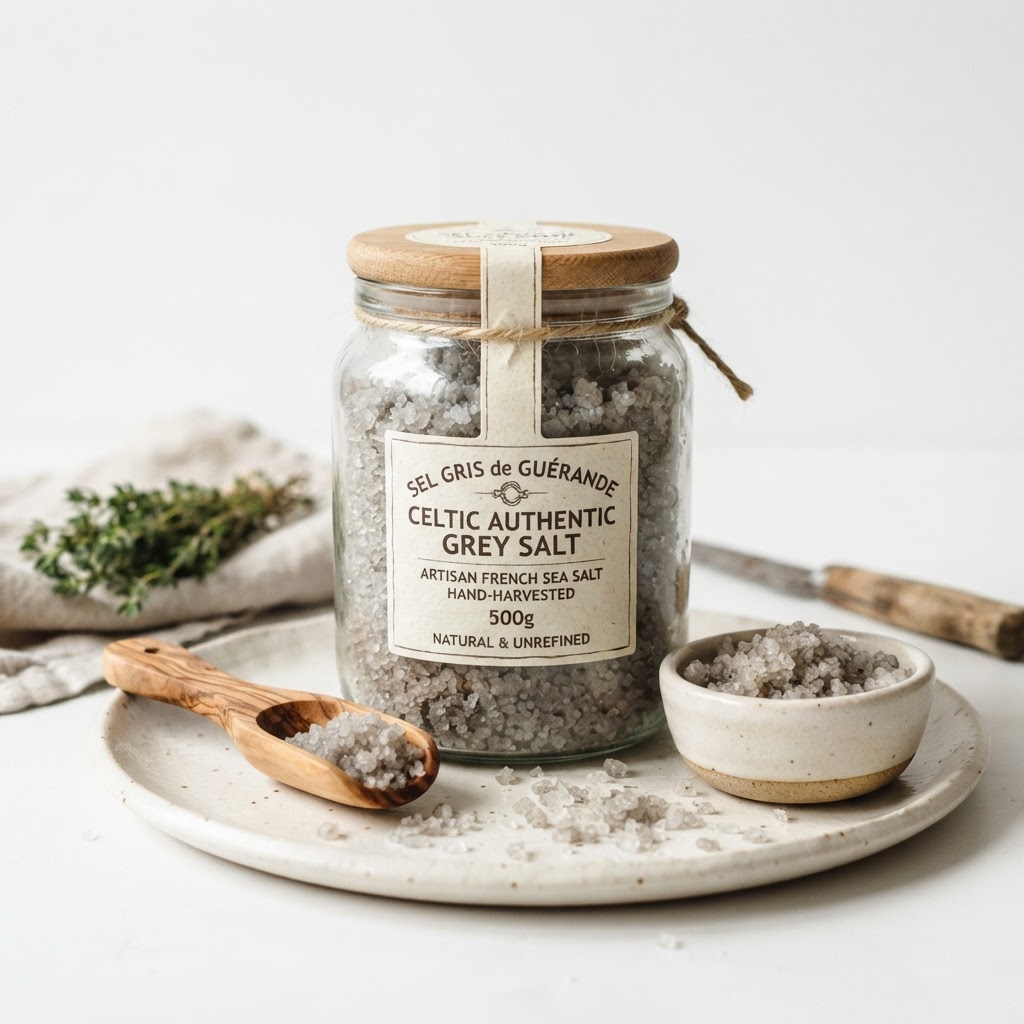
For those seeking a downloadable PDF reference, several independent laboratories and natural food researchers have published detailed mineral analyses of Guérande grey salt. These documents typically list each element detected, its concentration in the salt sample, and a comparison to the World Health Organisation's reference values or daily recommended intake levels. When reviewing such a PDF, pay close attention to whether the salt analysed was truly unrefined grey salt from Guérande or simply a grey-coloured salt from another origin. The mineral profile will differ significantly based on geography, harvesting method, and processing technique. Authentic Guérande grey salt is recognised by the Label Rouge quality designation and the Indication Géographique Protégée (IGP) certification, both of which guarantee the origin and traditional production methods of the salt.
You can explore our full range of authentic, certified Guérande grey salt products at celtic-salt.com/produits, where each product comes with full transparency about its origin, harvesting method, and mineral characteristics.
Health and Culinary Benefits of Mineral-Rich Celtic Grey Salt
The health and culinary significance of mineral-rich grey salt is a topic that bridges traditional food wisdom and contemporary nutritional science. From a culinary perspective, the mineral complexity of authentic Guérande grey salt translates directly into a more nuanced, rounded flavour profile than refined white salt delivers. Professional chefs often describe grey salt as having a "deeper" or "more oceanic" saltiness — one that enhances the natural flavours of ingredients without overwhelming them with harsh sodium sharpness. The slight brininess, the mineral earthiness contributed by the clay content, and the moisture that the salt retains all contribute to this distinctive taste. When finishing a dish — whether a grilled fish fillet, a slow-braised meat, roasted vegetables, or even a slice of good bread with quality butter — grey salt adds a final dimension of flavour complexity that white table salt simply cannot replicate.
From a nutritional perspective, the case for choosing mineral-rich unrefined salt over stripped-down refined salt is grounded in the principle of wholeness. When salt is refined to near-pure sodium chloride, it loses the mineral companions that naturally balance sodium's effects in the body. Magnesium, in particular, is understood to work in biological opposition to sodium, helping to regulate blood pressure and support cardiovascular function. The fact that grey salt retains a meaningful proportion of its naturally occurring magnesium may be nutritionally relevant, although it is important to note that salt should not be considered a primary source of any mineral given the relatively small daily amounts consumed. The contribution of grey salt to overall mineral intake is modest but consistent — a form of dietary support that accumulates meaningfully over time for those who use it as their primary culinary salt.
The electrolyte profile of Celtic grey salt also makes it of interest to athletes and active individuals. Electrolytes — principally sodium, potassium, magnesium, and calcium — are lost in sweat during physical exertion and must be replenished to support muscle function, hydration, and nerve signalling. While sports drinks and supplements are commonly used for this purpose, incorporating mineral-rich grey salt into meals and hydration strategies offers a natural, food-based approach to electrolyte replenishment. Many fitness professionals and nutritional coaches now recommend using small quantities of grey salt dissolved in water as a simple electrolyte solution before or after training, capitalising on the salt's naturally balanced mineral spectrum rather than relying on synthetic electrolyte products.
Culinary therapists and integrative nutrition practitioners have also noted the potential benefits of the iodine content in natural sea salts, though it is worth noting that the iodine concentration in grey salt varies and is generally lower than in artificially iodised table salt. For populations that rely heavily on unrefined natural salts, it is advisable to ensure iodine needs are met through dietary sources such as seaweed, fish, and dairy products. On balance, the evidence-based case for grey salt is not that it is a superfood or a medical treatment, but rather that it is a whole, minimally processed food ingredient that retains the mineral richness of its natural origin — making it a more nutritionally complex and gastronomically interesting choice than the highly refined alternatives. You can read more about the nutritional profile of grey salt in our detailed guide to the mineral content of Celtic grey salt.
How to Use the 82-Mineral Celtic Grey Salt — Expert Tips
Knowing that authentic Celtic grey salt contains an impressive array of naturally occurring minerals is one thing — knowing how to use it effectively in everyday cooking and wellness routines is another. Because grey salt is coarser and moister than standard table salt, it behaves differently in the kitchen and requires a slightly adjusted approach to achieve the best results. The following expert tips will help you get the most out of every grain of your authentic Guérande grey salt, whether you are a professional chef, a health-conscious home cook, or someone simply looking to upgrade the quality of what goes on your table.