Hand-harvested Guérande salt · Tracked international delivery included
Guide· by Celtic Salt Editorial Team
Unrefined Celtic Salt
What Is Unrefined Celtic Salt and Why It Matters in 2026
Unrefined celtic salt is one of the most ancient and respected mineral salts in the world, harvested by hand from the tidal marshes of Guérande in Brittany, France. Unlike the white, free-flowing table salt found in most kitchen cupboards, unrefined celtic salt retains its natural grey colour, its characteristic moisture, and its full spectrum of trace minerals — all because it has never been subjected to the industrial refining processes that strip conventional salt of its nutritional complexity. The term "unrefined" is not simply a marketing label. It describes a fundamental difference in how the salt is produced, handled, and preserved from the moment it crystallises in the salt pan to the moment it reaches your table. In a world increasingly dominated by ultra-processed foods and artificially manufactured ingredients, the growing interest in unrefined celtic salt reflects a deeper cultural shift toward authenticity, tradition, and nutritional integrity.
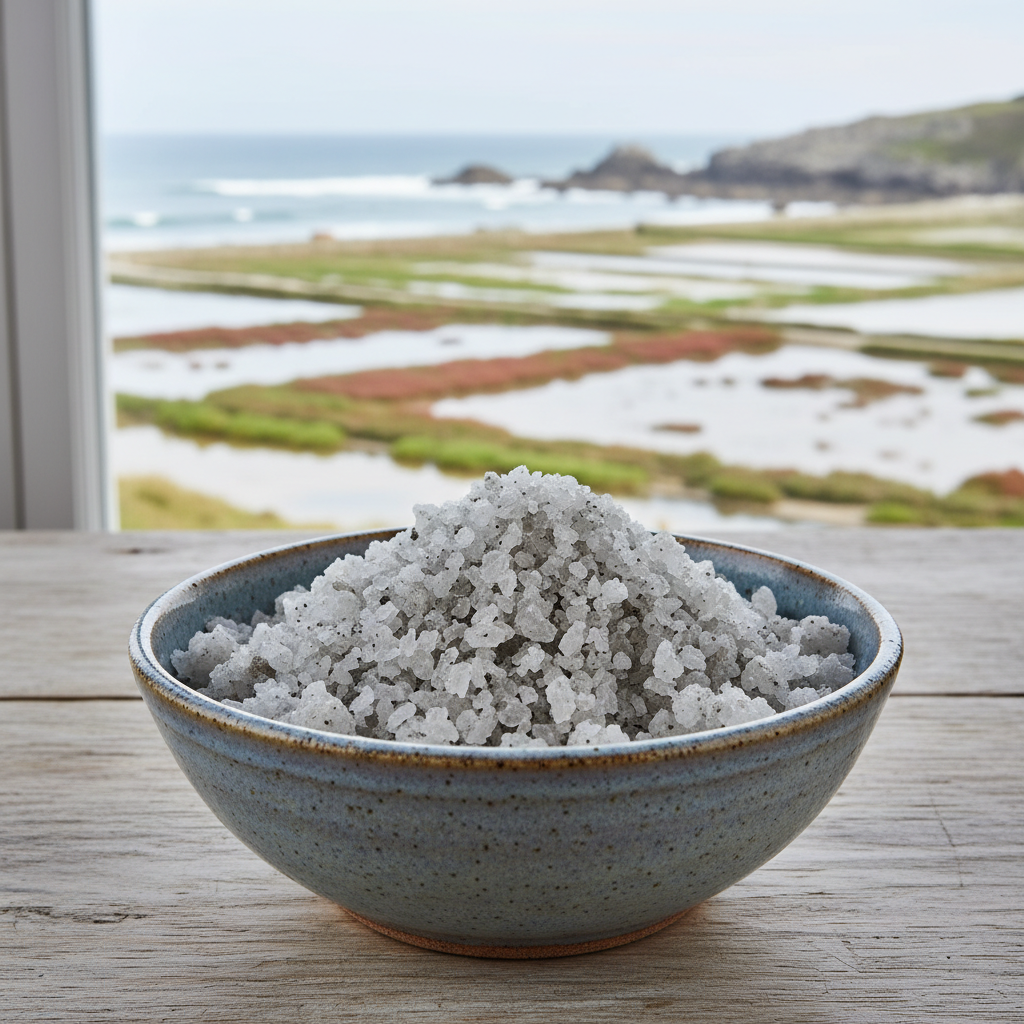
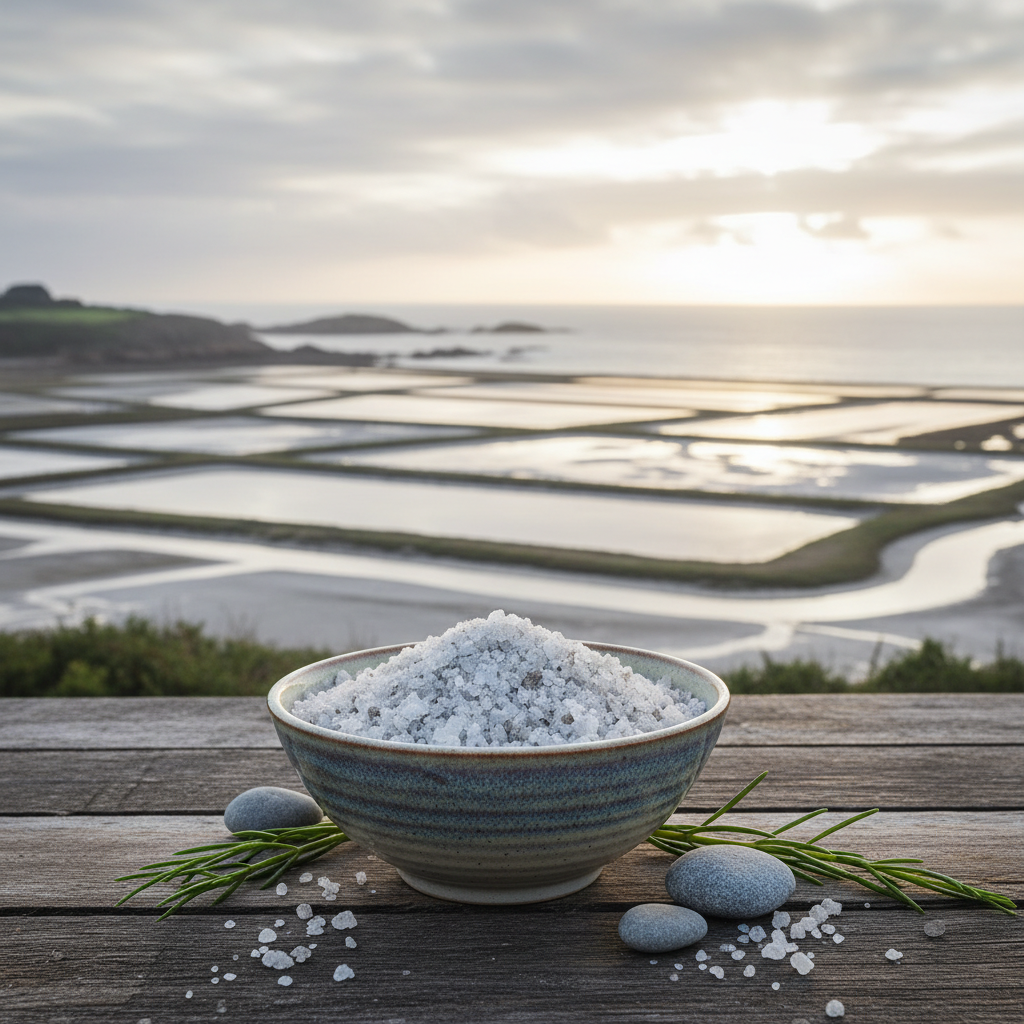
The salt marshes of Guérande have been worked by paludiers — traditional salt farmers — for over a thousand years. These craftspeople follow methods passed down through generations, using only wooden tools to rake and collect the salt from shallow clay-lined basins called oeillets. The grey colour that distinguishes unrefined celtic salt comes directly from these clay basins, which impart trace minerals including magnesium, calcium, potassium, and iron to the salt crystals as they form. This is not contamination — it is mineralisation, and it is precisely what makes this salt so different from its refined counterparts. When you purchase unrefined celtic salt from a reputable source rooted in Guérande tradition, you are purchasing a product that has remained essentially unchanged for centuries, a living connection to one of France's most celebrated artisanal food traditions.
In 2026, the conversation around salt has evolved considerably. Consumers are no longer simply asking "how much salt should I eat?" but rather "what kind of salt should I eat?" Nutritionists, chefs, and wellness advocates have increasingly highlighted the distinction between sodium chloride in its isolated, industrial form and salt as it appears naturally — as a complex mineral compound with dozens of co-occurring trace elements. Unrefined celtic salt sits at the centre of this conversation because it represents perhaps the purest expression of what salt was before industrialisation changed everything. It contains no anti-caking agents, no added iodine, no bleaching agents, and no flow enhancers. What you get is exactly what the ocean and the Breton marshes provide: a mineral-rich, slightly moist, flavourful salt that works with your food rather than simply overwhelming it.
The importance of unrefined celtic salt in 2026 also extends to the environmental and ethical dimensions of food sourcing. The salt marshes of Guérande are a protected UNESCO biosphere, and traditional hand-harvesting practices support not just human heritage but also a delicate coastal ecosystem that provides habitat for migratory birds, rare plants, and marine species. When you choose unrefined celtic salt over industrially produced alternatives, you are participating in a form of conscious consumption that values ecological sustainability alongside personal nutrition. The paludiers who harvest this salt are stewards of a landscape that has been carefully managed for millennia, and their work ensures that future generations will continue to have access to this remarkable natural product. This combination of nutritional value, historical depth, and ecological responsibility is precisely why unrefined celtic salt matters more today than ever before.
The Complete Guide to Unrefined Celtic Salt
Understanding unrefined celtic salt fully requires looking at both its origins and its composition. The salt is produced in a very specific geographic region along the Atlantic coast of Brittany, where a combination of factors — shallow tidal basins, clay-rich soil, Atlantic winds, and a particular microclimate — creates ideal conditions for natural salt crystallisation. The paludiers manage a network of interconnected channels and basins, directing seawater through a series of ponds where it gradually evaporates and concentrates. As salinity increases, salt crystals begin to form. The grey salt, known in French as sel gris, settles at the bottom of the basins and is raked up by hand using long-handled wooden tools called ladles. This process is entirely dependent on weather and tidal conditions, making each harvest unique and impossible to fully standardise or automate.
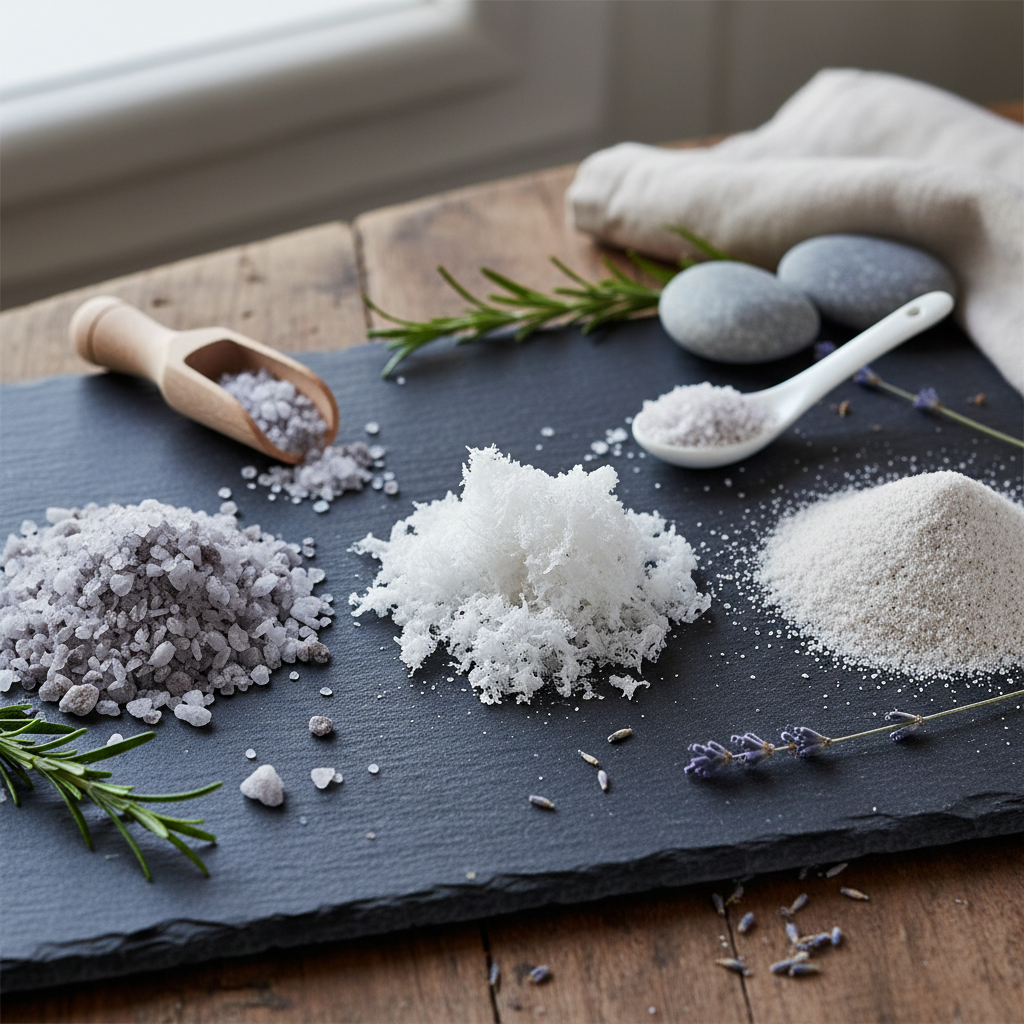
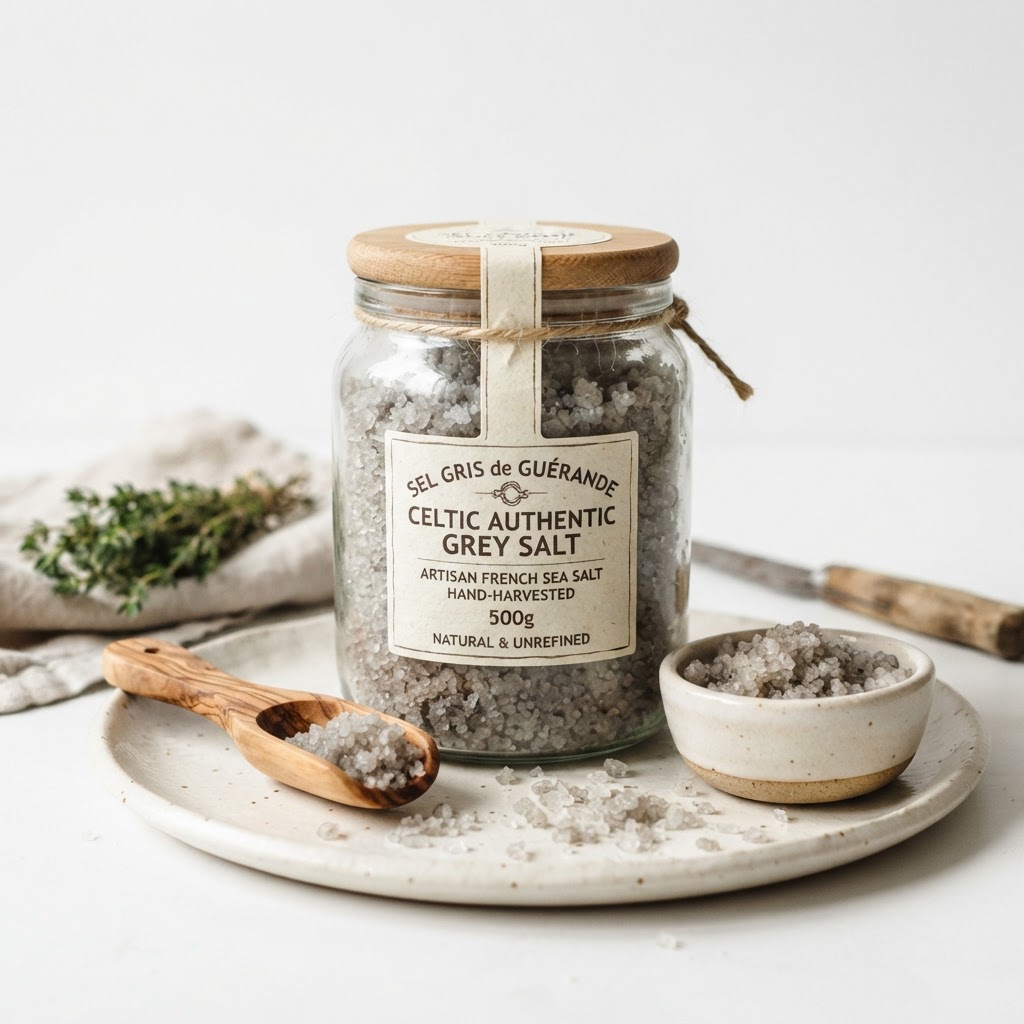
There are two primary forms of unrefined celtic salt that come from the Guérande marshes. The first is the coarse grey salt, or gros sel, which consists of larger, irregular crystals with a distinctly moist texture and a complex, mineral-forward flavour. This form is traditionally used in cooking — added to pasta water, used in brines, rubbed onto meats before roasting, or added to baths for therapeutic purposes. The second form is fleur de sel, which forms on the surface of the water under specific conditions and is harvested by skimming. Fleur de sel has a lighter colour, a more delicate flavour, and a flakier texture. It is considered a finishing salt, used to add a final touch of mineral complexity to completed dishes. Both forms are unrefined in the truest sense — neither has been washed, dried at high temperatures, or chemically treated.
The mineral content of unrefined celtic salt is one of its most frequently discussed attributes. While sodium chloride makes up the majority of its composition, as it does in all salt, unrefined celtic salt also contains measurable quantities of over trace minerals whose levels vary by harvest and product. Magnesium is present in notable quantities, thanks largely to the magnesium chloride absorbed from the clay basins. Calcium, potassium, iron, zinc, manganese, and selenium are also present, along with many other trace elements in smaller but potentially significant amounts. These minerals occur in naturally balanced ratios, which many nutritionists and food scientists argue may be more bioavailable and better tolerated by the body than isolated mineral supplements. The moisture content of unrefined celtic salt — typically around 13% — is itself a sign of its magnesium richness, since magnesium chloride is hygroscopic and naturally attracts water.
It is also worth understanding what unrefined celtic salt does not contain. Conventional table salt undergoes a rigorous industrial process that includes washing, vacuum evaporation at extremely high temperatures, and chemical treatment to remove all impurities — including the minerals. Anti-caking agents such as sodium ferrocyanide or silicon dioxide are then added to ensure the salt flows freely from shakers. In many countries, iodine is added artificially to address public health concerns about iodine deficiency. Unrefined celtic salt contains none of these additives. Its slightly clumping texture in humid conditions is not a defect but a natural consequence of its magnesium content. Its grey colour is not impurity but mineralisation. Its irregular, moist crystals are not inconsistency but authenticity. Once you understand the production process, every characteristic of unrefined celtic salt makes perfect, logical sense.
Storage and handling of unrefined celtic salt deserves particular attention. Because of its natural moisture content, it should be stored in a breathable container — a ceramic crock, a wooden salt box, or a wide-mouthed glass jar are all excellent choices. Avoid airtight plastic containers, which can cause the salt to become overly wet or develop an off smell over time. If your salt does clump, simply break it apart with a fork or allow it to dry slightly in open air. It should not be stored in a salt grinder unless it has been dried first, as the moisture can damage the grinding mechanism. For coarse grey salt used in cooking, a simple pinch between the fingers is the traditional method of application, allowing you to feel the crystals and control your seasoning with precision.
Health and Culinary Benefits
The health-related discussion around unrefined celtic salt must be approached with care and honesty. No salt should be positioned as a medicine, and excessive sodium consumption carries well-documented health risks regardless of the source. However, within the context of a balanced diet where salt is consumed in moderate quantities, there are genuine and evidence-supported reasons to prefer unrefined celtic salt over its refined counterparts. The presence of trace minerals such as magnesium, potassium, and calcium means that unrefined celtic salt provides more than just sodium and chloride — it delivers a small but real nutritional contribution with every use. Magnesium, in particular, is a mineral that many people in Western countries do not consume in sufficient quantities, and while salt alone cannot address a magnesium deficiency, every additional dietary source of this mineral has value.
The lower sodium content by weight is another point worth noting. Because unrefined celtic salt retains moisture and contains a variety of minerals, it has a slightly lower concentration of sodium chloride per gram compared to dry, refined table salt. This means that when you season food by taste rather than by weight, you may naturally use less sodium overall while still achieving satisfying flavour. This is not a dramatic difference, but it is a meaningful one for people who are mindful of their sodium intake. Additionally, many people report that unrefined celtic salt provides a more rounded, complex flavour that requires less salt to achieve the same level of seasoning satisfaction — an observation that is consistent with the mineral complexity of the product, even if it remains somewhat subjective.
From a culinary standpoint, the benefits of unrefined celtic salt are more immediately tangible and easier to demonstrate. Chefs at some of France's finest restaurants have long relied on sel gris from Guérande as their primary cooking salt, valuing its depth of flavour and its ability to enhance rather than dominate the natural tastes of ingredients. The mineral complexity of unrefined celtic salt means that it interacts with food in a more nuanced way than pure sodium chloride — it does not just make things taste salty, it amplifies umami, balances bitterness, and adds a subtle oceanic depth that elevates simple preparations. Roasted vegetables seasoned with unrefined celtic salt take on a more complex character. Bread dough made with grey salt develops a more interesting crust. Fish and seafood seasoned with it reflect a natural affinity, as though the salt and the ocean ingredient were always meant to be together.
There is also growing interest in the external uses of unrefined celtic salt, particularly in wellness and self-care contexts. Mineral-rich salt baths using coarse unrefined celtic salt are a traditional practice in many European spa cultures, valued for the sensation of softening and remineralising the skin. The high magnesium content is particularly relevant here, as magnesium is absorbed through the skin during bathing and has been associated in various studies with muscle relaxation and stress reduction. Salt scrubs combining unrefined celtic salt with natural oils are a popular and straightforward DIY skincare treatment. Saline nasal rinses using properly diluted unrefined celtic salt are a well-established practice for respiratory hygiene. These applications sit comfortably within the realm of traditional wellness and sensible self-care, requiring no exaggerated health claims to justify their value. Learn more about the wide-ranging benefits of celtic salt in our dedicated guide.
How to Use Unrefined Celtic Salt — Expert Tips
Using unrefined celtic salt effectively is partly a matter of technique and partly a matter of developing an intuitive feel for the product. Because coarse grey salt has larger, irregular crystals and a moist texture, it behaves differently from fine table salt, and adjusting your approach will yield significantly better results in the kitchen. The most important first step is to get comfortable using your fingers. Pinching coarse grey salt between thumb and forefinger gives you immediate tactile feedback about how much you are using and allows for even distribution over food. This is how professional cooks season food, and it is far more precise than using a shaker or measuring spoon.
For pasta water, unrefined celtic salt is ideal. Add a generous amount — far more than feels comfortable if you are used to using refined salt — to a large pot of boiling water before adding the pasta. The mineral complexity of the grey salt seasons the pasta from within as it cooks, and the slightly lower sodium concentration means you are unlikely to over-salt the final dish. For bread making, unrefined celtic salt adds both flavour and structure to the dough. The minerals interact with gluten development in subtle ways, and many bakers report that loaves made with grey salt have a better crust and a more complex crumb. Dissolve the salt in the water before adding it to your flour to ensure even distribution throughout the dough.