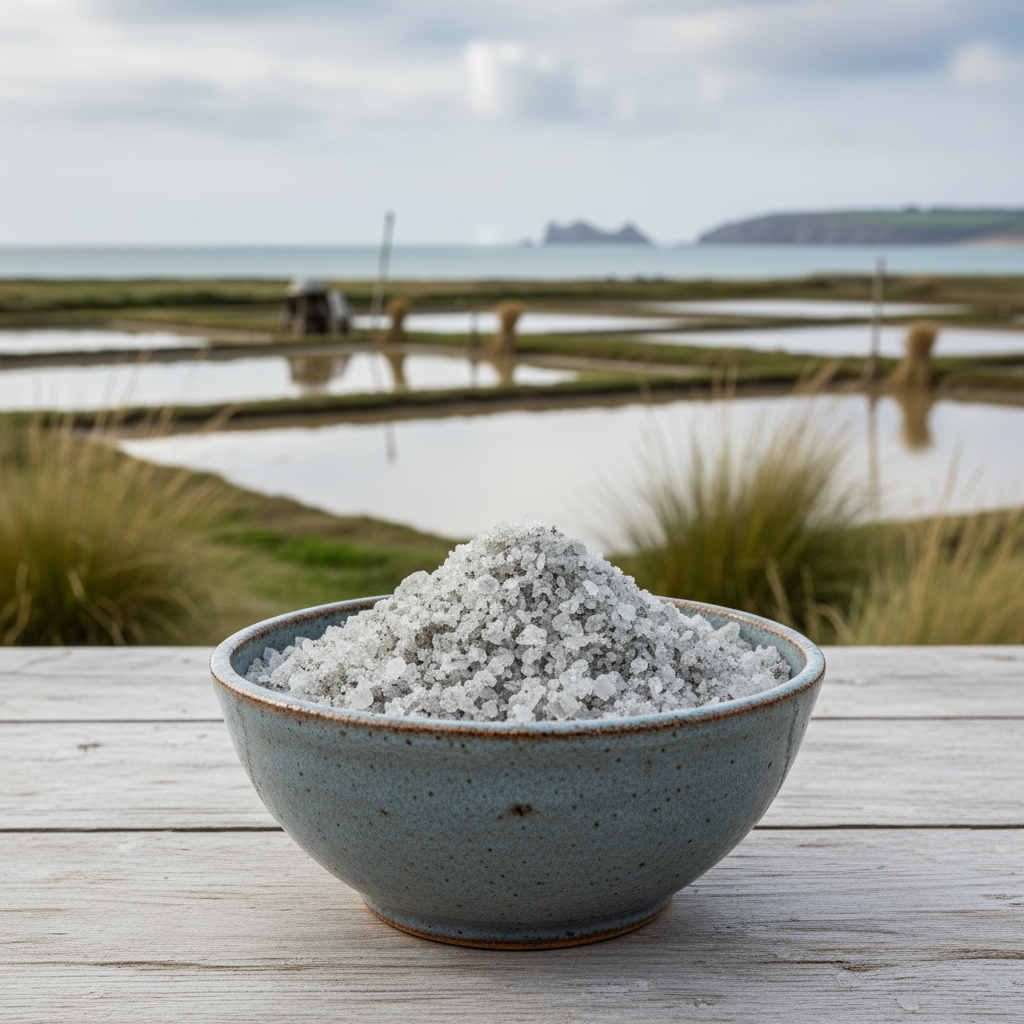
Should I Put Celtic Salt in My Water and Why It Matters in 2026
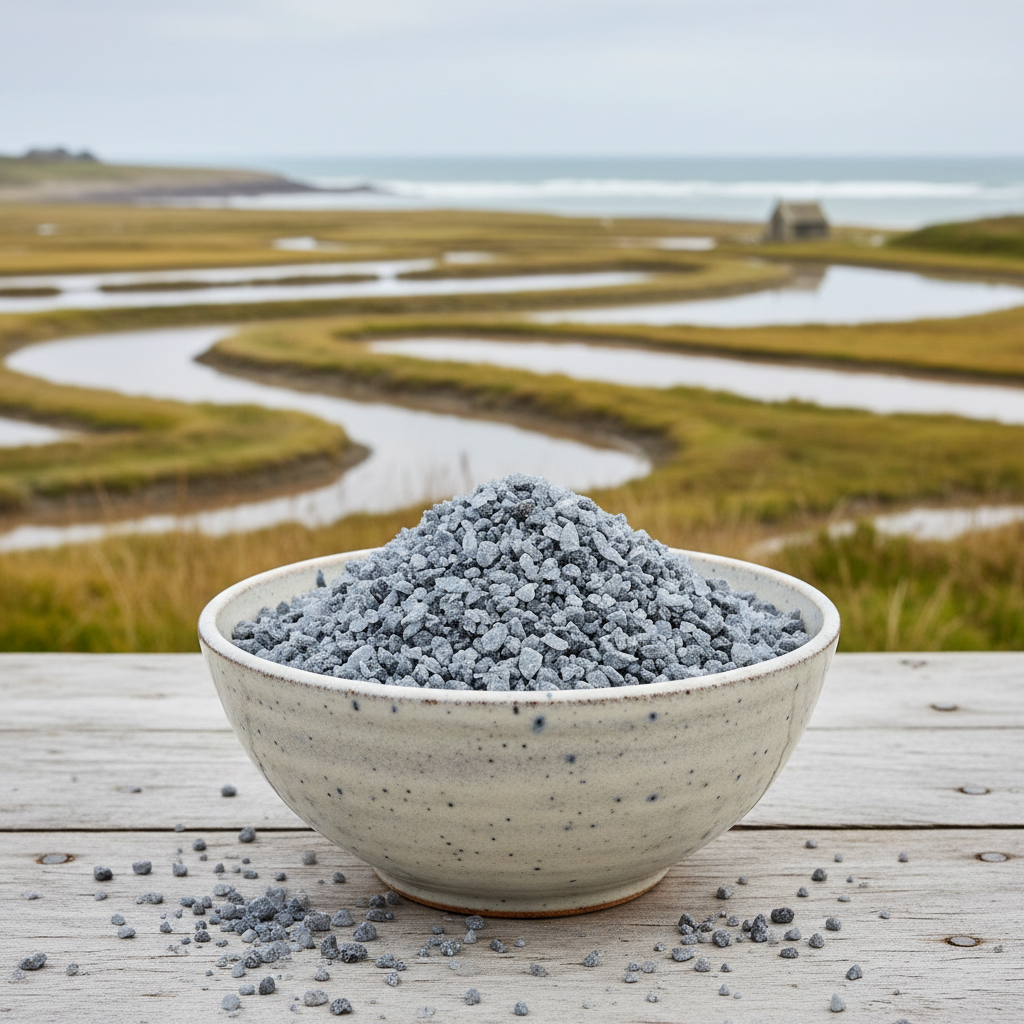
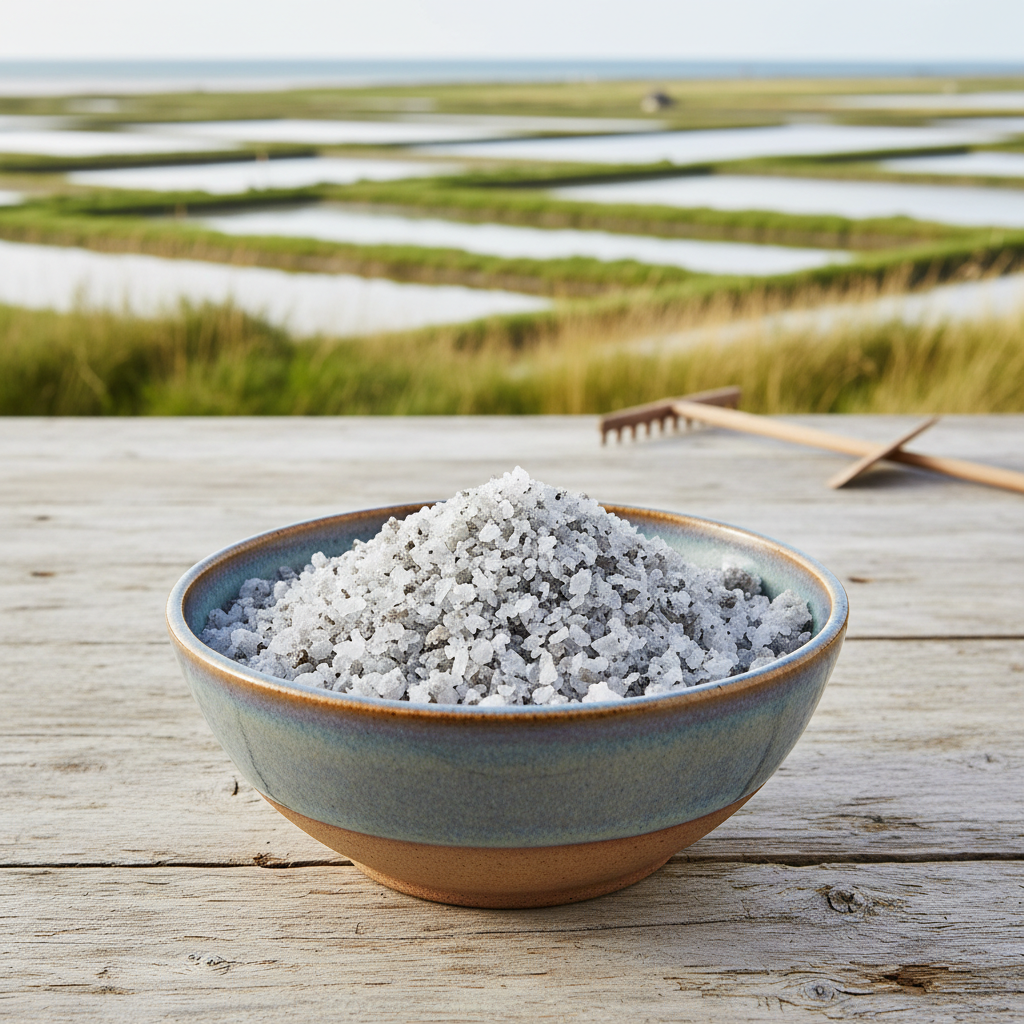
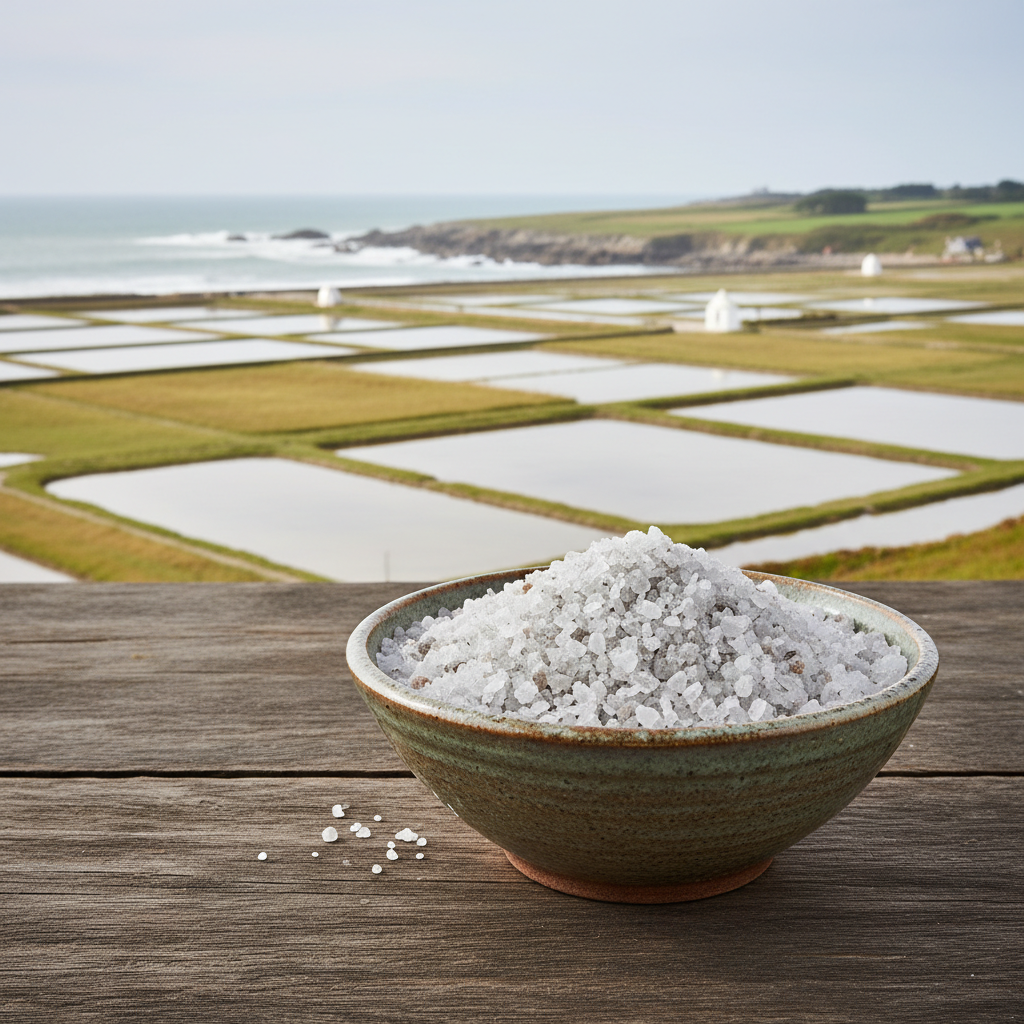
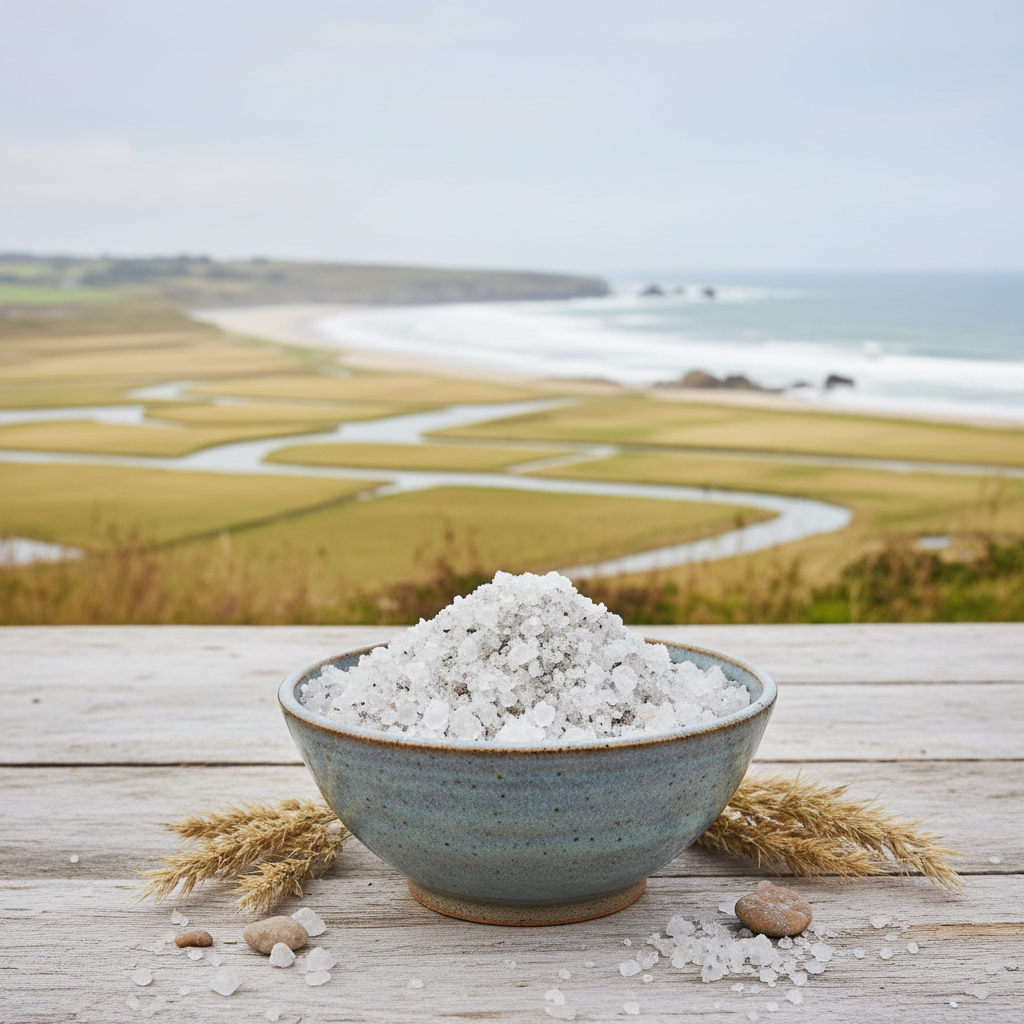
The question of whether you should put Celtic salt in your water has become one of the most searched wellness topics of the decade, and for very good reason. As people around the world grow increasingly aware of what they put into their bodies, the conversation has shifted away from plain, mineral-stripped tap water and toward more intentional hydration practices. Celtic grey salt — harvested by hand from the ancient salt marshes of Guérande in Brittany, France — has emerged as one of the most talked-about additions to daily water routines, praised by nutritional enthusiasts, athletes, and everyday wellness seekers alike. Unlike highly processed table salt or even standard sea salts that have been kiln-dried and stripped of their natural mineral content, authentic Celtic grey salt retains a rich complex of trace minerals, including magnesium, calcium, potassium, and iron, all naturally present in the seawater from which it is harvested.
In 2026, the wellness landscape is saturated with information — and misinformation — about hydration. Many people are discovering that drinking large quantities of plain water does not automatically mean they are well-hydrated. In fact, overhydration without adequate electrolytes can lead to a state called hyponatremia, where sodium levels in the blood become dangerously diluted. Adding a small pinch of Celtic grey salt to your water introduces a natural source of electrolytes that supports the body's ability to actually absorb and utilise the water you drink. This is not a new concept — traditional cultures across coastal Europe have long understood the value of mineral-rich water — but modern science is increasingly validating what these communities knew intuitively for generations. The minerals in Celtic salt work synergistically, meaning they interact and complement each other in ways that isolated mineral supplements often cannot replicate.
Understanding why this practice has grown so popular also requires understanding what most people are missing from their daily diets. Modern agricultural practices, soil depletion, and heavily processed food systems mean that many individuals in Western countries are chronically low in key electrolytes and trace minerals. This deficiency can manifest in subtle but persistent ways: fatigue, brain fog, muscle cramps, poor sleep, and difficulty concentrating are all commonly reported symptoms of mineral imbalance. Adding Celtic grey salt to water is one of the simplest, most cost-effective, and most natural strategies for addressing these gaps without resorting to synthetic supplements. The grey colour of authentic Guérande Celtic salt is itself a marker of quality — it comes from the clay-lined salt pans where the salt is harvested, and it signals the presence of those valuable minerals that make this salt so distinct from its white, refined counterparts.
It is also worth noting the broader cultural and environmental context that makes this question so relevant right now. In an era of climate consciousness and growing distrust of industrial food systems, many consumers are actively seeking out products with transparent origins, traditional methods, and minimal processing. Celtic grey salt from Guérande ticks every one of these boxes. It is harvested by paludiers — traditional salt farmers — using techniques that have remained largely unchanged for over a thousand years. The salt marshes of Brittany are protected ecosystems, and the salt that comes from them carries with it not just nutritional value but a legacy of sustainable, respectful land stewardship. When you add this salt to your water, you are not just making a health choice — you are participating in a tradition that connects you to one of the most pristine coastal environments in the world.
The Complete Guide to Putting Celtic Salt in Your Water
So how exactly do you go about adding Celtic grey salt to your water, and what do you need to know to do it effectively? The first and most important thing to understand is that this practice is about mineral supplementation at a very gentle, functional level — not about making your water taste noticeably salty. The quantities involved are small: typically between a quarter and half a teaspoon per litre of water, depending on your individual needs, activity levels, and current dietary mineral intake. At these concentrations, the salt dissolves completely and the water takes on only the faintest mineral taste — a quality that many people actually find more satisfying and refreshing than plain water.
To prepare your Celtic salt water, start with the highest quality water available to you. Filtered water or good quality spring water works best, as it will be free from chlorine and other chemicals that can interfere with the mineral profile of your salt water blend. Place your water in a clean glass or jug — ideally glass rather than plastic, which can leach chemicals into water over time. Add your pinch of Celtic grey salt — and when we say a pinch, we mean a literal small pinch or a carefully measured quarter teaspoon. Stir gently until the salt is fully dissolved. If you are using the coarser grain Celtic grey salt (sel gris), you may want to give it a little extra time to dissolve fully, or you can pre-dissolve it in a small amount of warm water before adding it to a larger volume of cold water. The finer ground version dissolves more quickly and is often preferred for this particular purpose.
The timing of when you drink your Celtic salt water can also play a meaningful role in how effective it is. Many wellness practitioners and nutritionists recommend beginning your morning with a glass of Celtic salt water before consuming any food or other beverages. This practice, sometimes called a "sole" (pronounced so-lay) in traditional European wellness traditions, involves drinking mineral-rich salt water on an empty stomach to support the digestive system, stimulate the production of stomach acid, and kickstart metabolic processes after a night of fasting. Others prefer to sip Celtic salt water throughout the day, particularly during periods of physical exertion, heat exposure, or any other circumstance that leads to increased perspiration and electrolyte loss. Athletes, in particular, have found this practice helpful as a natural alternative to commercial sports drinks, which often contain artificial colours, flavours, and excessive sugar.
It is also important to approach this practice with an awareness of your individual circumstances. People with certain health conditions, particularly those involving kidney function or cardiovascular health, should consult a healthcare professional before making significant changes to their sodium intake. That said, for the vast majority of healthy adults, adding a small amount of high-quality Celtic grey salt to water each day falls well within safe and beneficial parameters. The key differentiator here is the quality and type of salt being used: processed table salt, which contains only sodium chloride and often added anti-caking agents, has a very different effect on the body compared to whole, unrefined Celtic grey salt with its full spectrum of naturally occurring minerals. The balanced mineral profile of Celtic salt means that the sodium it contains is accompanied by the magnesium, potassium, and other elements that help the body process and utilise sodium effectively and safely.
For those curious about exploring the full spectrum of ways to incorporate Celtic grey salt into their wellness routines, our complete guide to Celtic salt and hydration covers everything from morning rituals to post-workout recovery strategies in much greater depth.
Health and Culinary Benefits of Adding Celtic Salt to Water
The health and culinary benefits of adding Celtic grey salt to water are wide-ranging and touch on multiple systems within the body. From a purely nutritional standpoint, the primary benefit is the delivery of a natural, food-state source of electrolytes and trace minerals. Electrolytes are electrically charged minerals that play essential roles in virtually every physiological process — from the transmission of nerve impulses and the contraction of muscle fibres to the regulation of fluid balance and the maintenance of blood pH. When these electrolytes are depleted — through sweating, urination, stress, or simply inadequate dietary intake — the body cannot function optimally, and the effects can be surprisingly wide-ranging.
Magnesium, one of the trace minerals found in authentic Celtic grey salt, deserves particular mention. It is estimated that a significant percentage of the population in developed countries is chronically deficient in magnesium, a mineral involved in over three hundred enzymatic processes in the body. Magnesium supports healthy muscle function, relaxation of the nervous system, quality sleep, blood sugar regulation, and cardiovascular health. While the amount of magnesium in a daily serving of Celtic salt water is modest, it contributes to overall intake in a bioavailable form — meaning a form that the body can readily absorb and use. When combined with a magnesium-conscious diet rich in leafy greens, nuts, and seeds, Celtic salt water can help tip the balance toward sufficiency for many people.
The difference a real salt makes: Discover Celtic Grey Salt →
Potassium, another electrolyte present in Celtic grey salt, works in close partnership with sodium to regulate fluid balance both within and outside cells. The sodium-potassium pump is one of the most fundamental mechanisms in human physiology, driving cellular function and enabling the electrical activity of heart muscle and neurons. Modern diets, heavy in processed foods and light in fresh vegetables, often deliver far too much isolated sodium and far too little potassium, creating an imbalance that can contribute to elevated blood pressure and other cardiovascular concerns. The balanced electrolyte profile of Celtic grey salt — which contains not just sodium but also potassium, calcium, and magnesium — makes it a more physiologically harmonious choice than processed salt for those mindful of this balance.
From a culinary perspective, Celtic salt water has interesting applications beyond simple hydration. Chefs and home cooks have long used salt water as a brining medium for meat, poultry, and vegetables, and using Celtic grey salt for this purpose elevates the technique. The complex mineral flavour profile of Celtic salt adds depth and roundness to brines that plain salt simply cannot match. Some bakers also use Celtic salt water in bread-making, adding it to doughs to enhance flavour development and improve the texture of the crust. Even for something as simple as cooking pasta or blanching vegetables, using water seasoned with Celtic grey salt rather than table salt can make a perceptible difference in the final flavour of the dish. The minerals interact with food at a molecular level, influencing the way flavours are perceived and how ingredients develop during cooking.
How to Put Celtic Salt in Your Water — Expert Tips and Practical Examples
Getting the most out of your Celtic salt water practice requires a little knowledge and some consistency. Here are the most practical, expert-informed tips for incorporating this habit into your daily life effectively and enjoyably.
Start with the morning ritual. The single most impactful moment to consume Celtic salt water is first thing in the morning, before coffee, tea, or breakfast. After six to eight hours of sleep, your body has been fasting and your cellular hydration levels are at their lowest. Your digestive system is primed to absorb whatever you give it first. A glass of water with a small pinch of Celtic grey salt — roughly an eighth to a quarter teaspoon in 250-300ml of filtered water — provides your cells with immediate electrolyte support and gently stimulates your digestive system to begin functioning. Many people report feeling more awake and alert after this morning practice than they do after their first cup of coffee, largely because dehydration and electrolyte depletion are among the most common causes of morning fatigue.
Adjust your quantity based on activity. If you are planning a workout, a long hike, a day of manual labour, or extended time in hot conditions, increase your Celtic salt water intake accordingly. On high-exertion days, you might consume two or three glasses of Celtic salt water spread throughout the day, in addition to your regular plain water intake. This approach mirrors the strategy used by endurance athletes who understand that sweating depletes not just water but the electrolytes dissolved in it. A practical example: a runner preparing for a half-marathon might drink a glass of Celtic salt water in the hour before their run, carry a small bottle of Celtic salt water for sipping during the run, and then drink another glass immediately after finishing to support recovery and rehydration.
Combine with lemon for a powerful morning drink. Adding a squeeze of fresh lemon juice to your Celtic salt water is a popular enhancement that adds both flavour and nutritional value. The vitamin C in lemon juice supports immune function and enhances the absorption of certain minerals, while the acidity of the lemon juice complements the minerals in the salt in ways that many people find more palatable and refreshing than salt water alone. This combination has roots in traditional wellness practices from multiple cultures and has been popularised by modern health movements for good reason — it tastes great and supports a range of physiological functions simultaneously.