What Is Celtic Salt and Athletes: How Electrolytes Are Used in Training and Why It Matters in 2026
In the ever-evolving world of athletic performance, the conversation around electrolytes has never been more nuanced. For decades, sports nutrition focused heavily on macronutrients — protein, carbohydrates, fats — while micronutrients and mineral balance were often treated as an afterthought. Today, in 2026, that perspective has fundamentally shifted. Athletes at every level, from weekend warriors to elite competitors, are increasingly recognising that the foundation of peak physical performance lies not just in what you eat and train, but in how well your body maintains its internal mineral equilibrium. Celtic grey salt from Guérande, Brittany, has emerged as a compelling natural solution to this challenge — and for very good reason.
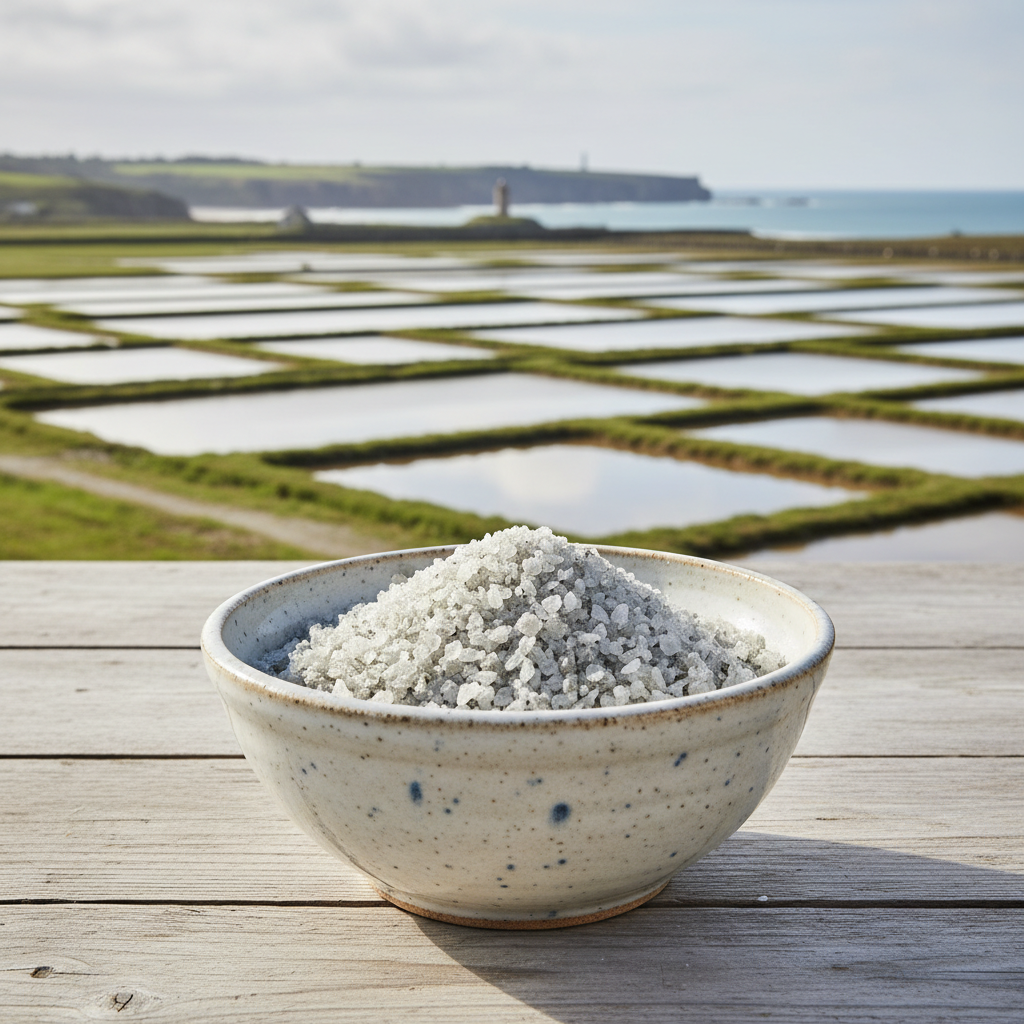
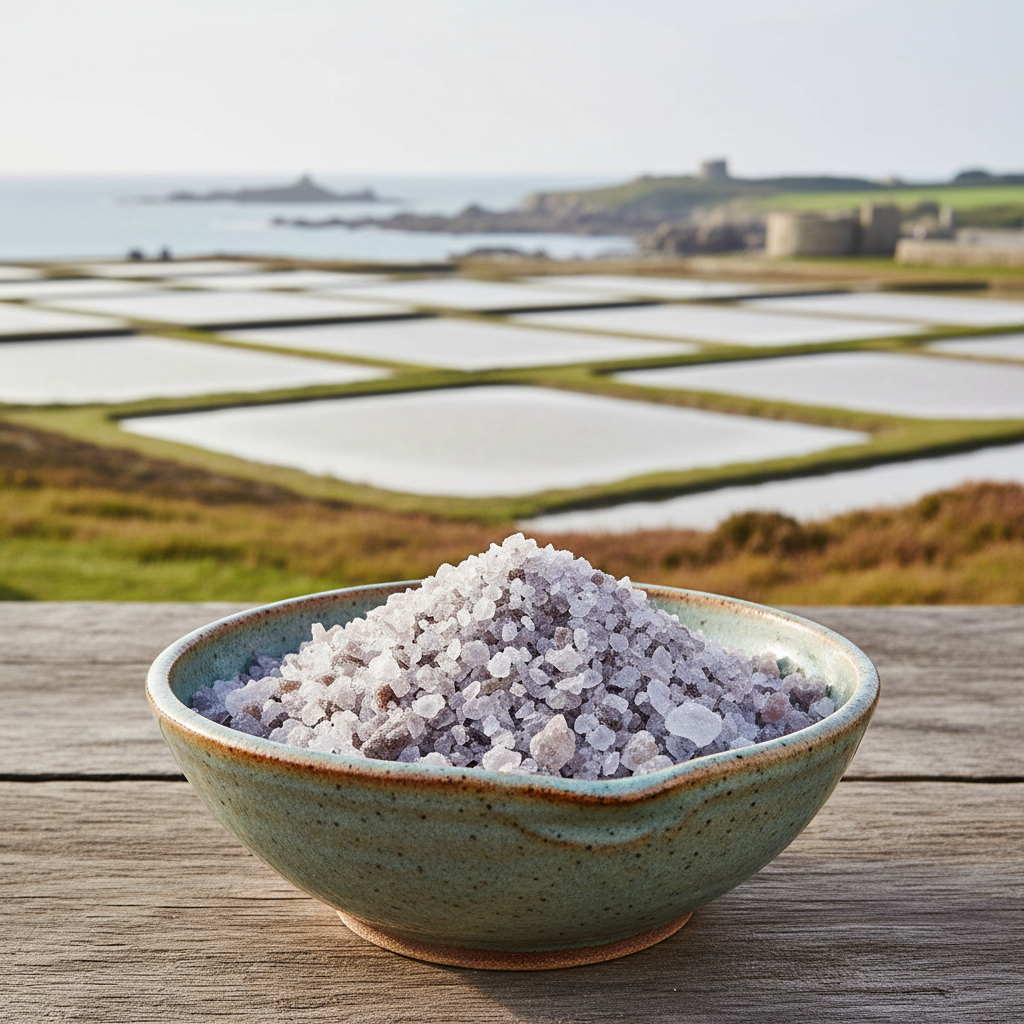
Celtic salt, harvested by hand using centuries-old paludier traditions on the Atlantic coast of France, is fundamentally different from the refined white salt that lines most supermarket shelves. Whereas standard table salt undergoes extensive processing that strips away nearly all naturally occurring trace minerals, authentic Celtic grey salt retains its full mineral matrix. This includes not just sodium and chloride, but also magnesium, potassium, calcium, iron, zinc, and over 80 additional trace elements that are naturally present in Atlantic seawater. This mineral complexity is precisely what makes Celtic salt so relevant to athletic performance — it delivers a broad-spectrum electrolyte profile in a single, natural ingredient, rather than a narrow sodium hit that can throw the body's mineral balance further out of alignment.
As training intensity has increased across all disciplines — from endurance sports like marathon running, cycling, and triathlon to high-intensity interval training, CrossFit, and team sports — the physiological demands on the body's electrolyte systems have never been greater. Sweat is not just water. It is a complex fluid containing significant concentrations of sodium, chloride, potassium, magnesium, and calcium. When these minerals are lost through prolonged or intense physical exertion and not adequately replaced, the consequences can range from mild fatigue and muscle cramping to serious conditions like hyponatremia — dangerously low blood sodium levels — that can be life-threatening in extreme cases. Understanding how to replenish these minerals intelligently, using a whole-food, unprocessed source like Celtic grey salt, is one of the most important nutritional strategies that athletes can adopt in 2026.
The growing popularity of Celtic salt among athletes also reflects a broader cultural shift toward clean, traceable nutrition. Increasingly, high-performance individuals are scrutinising ingredient labels, questioning synthetic additives, and seeking food sources that align with both their performance goals and their health values. Celtic grey salt from Guérande satisfies all of these criteria. It is unrefined, additive-free, sustainably harvested, and rich in the same minerals that training depletes. Sports nutritionists, physiotherapists, and integrative health coaches are beginning to incorporate Celtic salt recommendations into their protocols not as a fringe health trend, but as a scientifically grounded, evidence-informed approach to electrolyte management. This article explores exactly why and how athletes can benefit from making this ancient mineral-rich salt a cornerstone of their training nutrition strategy.
The Complete Guide to Celtic Salt and Athletes: How Electrolytes Are Used in Training
To understand why Celtic grey salt deserves a prominent place in an athlete's nutritional toolkit, it helps to first understand the role that electrolytes play during physical training. Electrolytes are minerals that carry an electrical charge when dissolved in body fluids such as blood, sweat, and urine. This electrical activity is essential for virtually every physiological process that governs athletic performance: nerve signal transmission, muscle fibre contraction and relaxation, fluid regulation across cell membranes, blood pressure maintenance, and energy metabolism. The primary electrolytes involved in exercise physiology are sodium, potassium, chloride, magnesium, and calcium — all of which are present in meaningful concentrations in authentic Celtic grey salt.
Sodium is the dominant electrolyte in extracellular fluid and plays a critical role in regulating total body water and blood volume. During exercise, as sweat rates increase, sodium losses can be substantial — particularly in hot and humid conditions or during very long training sessions. Research has consistently shown that sodium depletion is one of the primary drivers of exercise-associated muscle cramping, premature fatigue, and impaired aerobic capacity. Athletes who train without adequate sodium replenishment often experience the classic signs of electrolyte imbalance: muscle cramps, dizziness, nausea, and a sudden and significant decline in performance. By providing a natural, bioavailable source of sodium alongside complementary minerals, Celtic salt supports the body's ability to maintain plasma volume and sustain performance.
Magnesium is arguably the most overlooked electrolyte in sports nutrition, yet its importance cannot be overstated. This mineral is involved in over 300 enzymatic reactions in the human body, including those directly related to energy production (ATP synthesis), protein synthesis, and muscle function. Athletes have significantly elevated magnesium requirements compared to sedentary individuals, and sweat losses during intense exercise can further deplete already marginal stores. Low magnesium levels are associated with increased muscle cramping, impaired recovery, poor sleep quality, and even increased injury risk due to effects on connective tissue integrity. Celtic grey salt contains meaningful levels of magnesium naturally, providing a whole-food source of this critical mineral that complements dietary intake from foods like leafy greens, nuts, and seeds.
Potassium works in close partnership with sodium to regulate the electrical potential across muscle and nerve cell membranes — a process known as the sodium-potassium pump. This mechanism is fundamental to muscle contraction and the rapid nerve signal transmission that underlies all athletic movement. During intense exercise, potassium shifts out of cells and accumulates in extracellular fluid, contributing to muscle fatigue. Adequate potassium intake, both from food and mineral-rich salts, supports the efficient reset of this membrane potential, potentially extending the time to fatigue and improving overall training quality. While potassium concentrations in Celtic salt are lower than those in sodium, the presence of this mineral as part of a complete matrix is a meaningful advantage over refined table salt, which contains no potassium whatsoever.
Chloride, the anion partner to sodium, is often overlooked but plays an essential role in maintaining acid-base balance in the blood — a factor that significantly influences athletic performance. The production of lactic acid during high-intensity exercise creates metabolic acidosis, and the body's buffering systems rely on adequate chloride availability to manage this shift effectively. Celtic salt, as a natural source of sodium chloride alongside additional mineral cofactors, provides a complete ionic profile that supports this buffering capacity more holistically than refined salt alternatives.
The timing of electrolyte consumption relative to training is another important dimension of this topic. Pre-training electrolyte loading — consuming a small amount of Celtic salt dissolved in water or sprinkled on pre-workout food — can help expand plasma volume before exercise begins, effectively giving the cardiovascular system a head start in delivering oxygen to working muscles. During training, particularly sessions lasting longer than 60 to 90 minutes, electrolyte replenishment becomes increasingly critical. A simple homemade sports drink using Celtic salt, water, a source of natural sugars such as honey or fruit juice, and a squeeze of lemon can provide a clean, effective alternative to many commercial sports drinks that contain artificial colours, flavours, and sweeteners. Post-training, electrolyte-rich foods and a pinch of Celtic salt help restore mineral balance, support protein synthesis, and accelerate recovery.
Health and Culinary Benefits
Beyond the specific demands of athletic training, Celtic grey salt offers a range of broader health and culinary benefits that make it an excellent choice for anyone seeking to optimise their nutritional foundation. Its distinctive grey colour and moist texture are immediate visual indicators of its mineral richness and natural, unprocessed character. The colour comes from the clay-lined salt pans of Guérande, which contribute additional trace minerals including silica and various beneficial compounds from the marine environment. The moisture is a sign that the salt retains its natural brine, which carries water-soluble mineral salts — a stark contrast to the dry, bright white crystals of refined table salt that have been washed, dried at extreme heat, and chemically treated.
The difference a real salt makes: Discover Celtic Grey Salt →
From a nutritional standpoint, the key distinction between Celtic grey salt and refined salt lies in mineral completeness. When sodium is consumed in isolation — as it is with refined table salt — it exerts a more pronounced effect on blood pressure and fluid retention than when consumed as part of a complete mineral matrix. The magnesium, potassium, and calcium present in Celtic salt help buffer and modulate sodium's effects, working synergistically to support healthy blood pressure regulation and cardiovascular function. This is not a medical claim, but rather an observation consistent with the well-established nutritional principle that whole foods, with their complex array of naturally occurring compounds, tend to behave more harmoniously in the body than isolated or synthetic nutrients.
The trace mineral content of Celtic grey salt also provides micronutrients that are increasingly difficult to obtain from modern food systems. Industrial agriculture, soil depletion, food processing, and over-reliance on monoculture farming have collectively reduced the trace mineral density of many common foods. Minerals like zinc, iodine, selenium, iron, copper, and manganese — all present in trace amounts in Celtic salt — play critical roles in immune function, antioxidant defence, thyroid hormone production, and red blood cell synthesis. For athletes whose nutritional demands are elevated by the physiological stress of training, these trace mineral contributions, while modest in absolute terms, can complement a well-planned diet in meaningful ways.
Culinary benefits are equally compelling. Celtic grey salt has a complex, slightly briny, mineral-forward flavour that elevates food in ways that refined salt simply cannot. Its large, irregular crystals dissolve gradually on the palate, delivering bursts of flavour that are both more nuanced and more satisfying. Chefs and food enthusiasts prize Guérande salt — particularly the famous fleur de sel harvested from its surface — for finishing dishes where the salt's texture and flavour profile can be fully appreciated. For athletes who prepare whole-food meals as part of their nutrition strategy, using Celtic salt adds a layer of both flavour and nutritional complexity that transforms everyday cooking. Seasoning grilled chicken, roasted vegetables, whole grain pasta, or egg-based meals with Celtic grey salt means that every meal contributes not just taste but a meaningful mineral contribution to the day's electrolyte intake. You can explore our full range of authentic Guérande Celtic salt products at celtic-salt.com/produits to find the right format for your cooking and training needs.
How to Use Celtic Salt and Athletes: How Electrolytes Are Used in Training — Expert Tips
Integrating Celtic grey salt into an athletic training regimen requires a thoughtful, practical approach that considers timing, quantity, individual sweat rates, and the specific demands of different sports. Here is a detailed, expert-informed guide to making the most of this mineral-rich resource.
Pre-Training Electrolyte Primer: Approximately 30 to 60 minutes before a demanding training session, consider consuming a small electrolyte primer. This can be as simple as a large glass of water (400–500ml) with a quarter teaspoon of Celtic grey salt dissolved in it, optionally with a small amount of natural fruit juice for a touch of sugar to facilitate sodium absorption. This approach is particularly beneficial before long endurance sessions, outdoor training in warm weather, or any session expected to generate significant sweat. The goal is to begin exercise in a state of optimal hydration and electrolyte balance, rather than attempting to catch up once deficits have already accumulated.
During Training — Homemade Electrolyte Drink: For training sessions exceeding 60 to 90 minutes, an electrolyte drink prepared using Celtic salt can provide sustained mineral replenishment without the artificial additives common to many commercial sports products. A practical recipe: combine 500ml to 1 litre of water, a quarter to half teaspoon of Celtic grey salt, the juice of half a lemon or lime, and a teaspoon of raw honey or maple syrup. This simple preparation provides sodium, chloride, magnesium, and trace minerals from the salt; vitamin C and natural acids from the citrus; and readily available glucose from the honey — a complete, clean electrolyte solution that the body can absorb and utilise efficiently.