Hand-harvested Guérande salt · Tracked international delivery included
Guide· by Celtic Salt Editorial Team
Sea Salt and Gut Health: What the Evidence Actually Shows
Introduction — Why sea salt for gut health Matters
In recent years, there has been a resurgence of interest in natural wellness practices, including the dietary choices we make for better gut health. Among the myriad of options available, sea salt has garnered attention not only for its flavor-enhancing properties but also for its potential benefits related to digestion and overall gut health. This topic is particularly pertinent as we continue to learn more about the gut microbiome's role in our general health, mood, and immune response. Using high-quality sea salt, such as Celtic sea salt from Brittany or French Guérande, contributes to promoting gut health in a holistic manner.
Celtic sea salt is harvested using traditional methods by paludiers, the salt farmers of Brittany, who have perfected the art of salt harvesting for generations. Unlike refined salts that are stripped of essential minerals and nutrients, unrefined sea salts retain a wealth of natural elements that can play supportive roles in bodily functions. This article will delve into how incorporating sea salt into your diet can potentially provide benefits that may support gut health, making it an essential addition to your kitchen.
Understanding the importance of gut health cannot be overstated as it influences not just digestion but also metabolism, nutrient absorption, and immune function. With a growing body of evidence linking gut health to overall well-being, paying attention to dietary choices—including salt—is a prudent lifestyle decision. This pillar article aims to comprehensively explore the relationship between sea salt and gut health, allowing you to make informed choices for better well-being.
What Is sea salt for gut health?
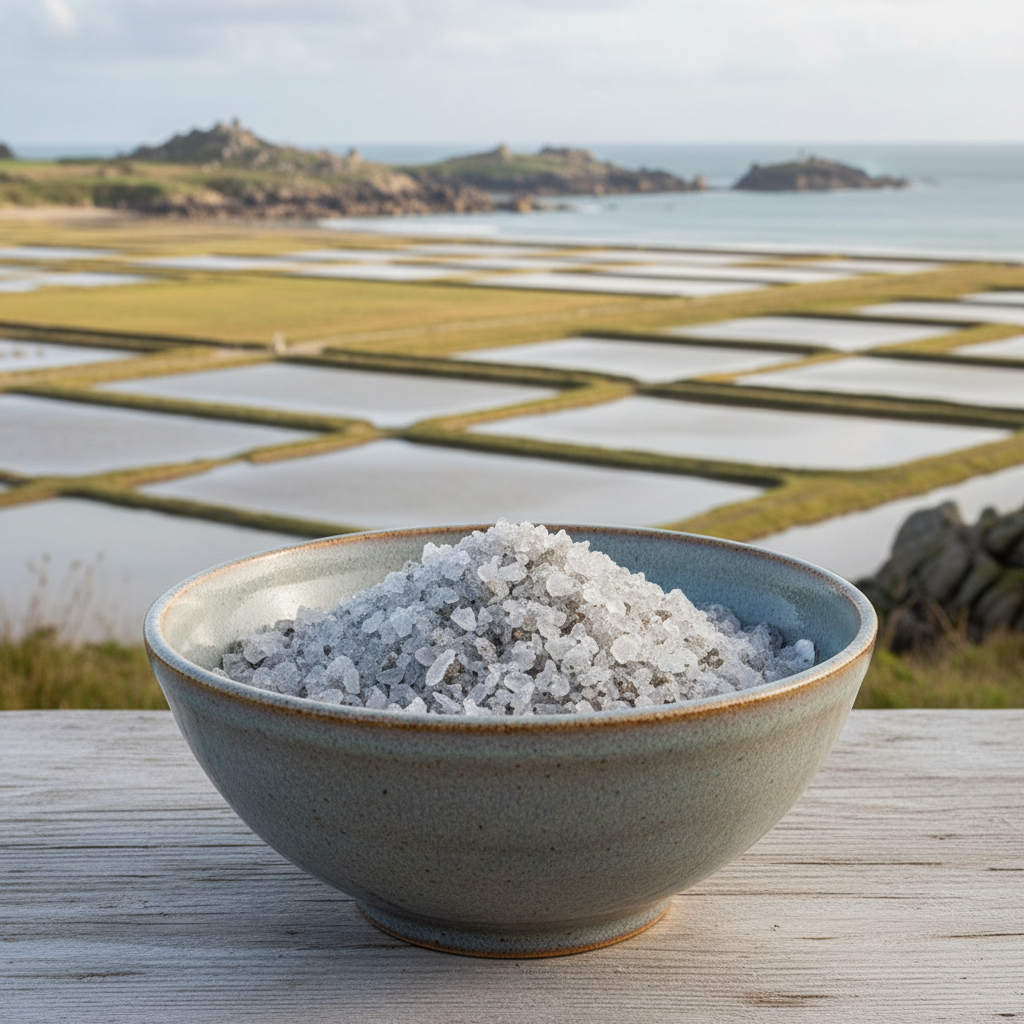
Sea salt, as the name suggests, is a natural mineral obtained through the evaporation of seawater. It is traditionally harvested from various coastal regions around the world. Celtic sea salt, specifically, originates from the salty marshes of the Brittany region in France. This salt is known for its distinct grey color, a result of the mineral-rich clay in which it is harvested. The unique harvesting process undertaken by local paludiers involves raking the salt from the shallow ponds and allowing it to dry naturally in the sun and wind, preserving its natural properties.
Technical specifications of sea salt reveal that it comprises sodium chloride along with trace minerals such as magnesium, calcium, potassium, and iron, which are often absent in refined table salts. These minerals contribute not only to flavor but also support various biological functions. While many may think of salt solely for taste enhancement, its role as a seasoning can also extend to being a complementary ingredient that helps in balancing flavors in foods. The unrefined qualities of Celtic sea salt make it a prime candidate for individuals seeking to improve gut health, as it is free from additives and synthetic processing.
Traditionally used as a seasoning and preservative, sea salt also holds significance in culinary practices that promote wellness and healing. Its rich mineral content contributes to homeostasis in the body, which is essential for maintaining a healthy gut. In this exploration of gut health, prioritizing high-quality sea salt can be a simple yet impactful way to enhance one's diet and overall lifestyle.
Key Benefits and Uses
Celtic sea salt offers various benefits that may support gut health, creating a foundation for better digestive functionality. One of its most significant advantages is that it is an unrefined source of minerals, including magnesium and potassium, both essential for maintaining a balanced digestive system. Consumers may notice that a diet rich in these minerals can nourish gut flora and improve digestion by providing the necessary nutrients for optimal bacterial function.
Furthermore, sea salt is traditionally used in food preservation processes. During this process, salt acts as a natural preservative, which can contribute to the integrity and longevity of ingredients while minimizing the need for artificial additives. These additives can detrimentally affect gut health by disturbing the microbiome balance. By choosing unrefined sea salt, individuals often limit exposure to these potentially harmful elements.
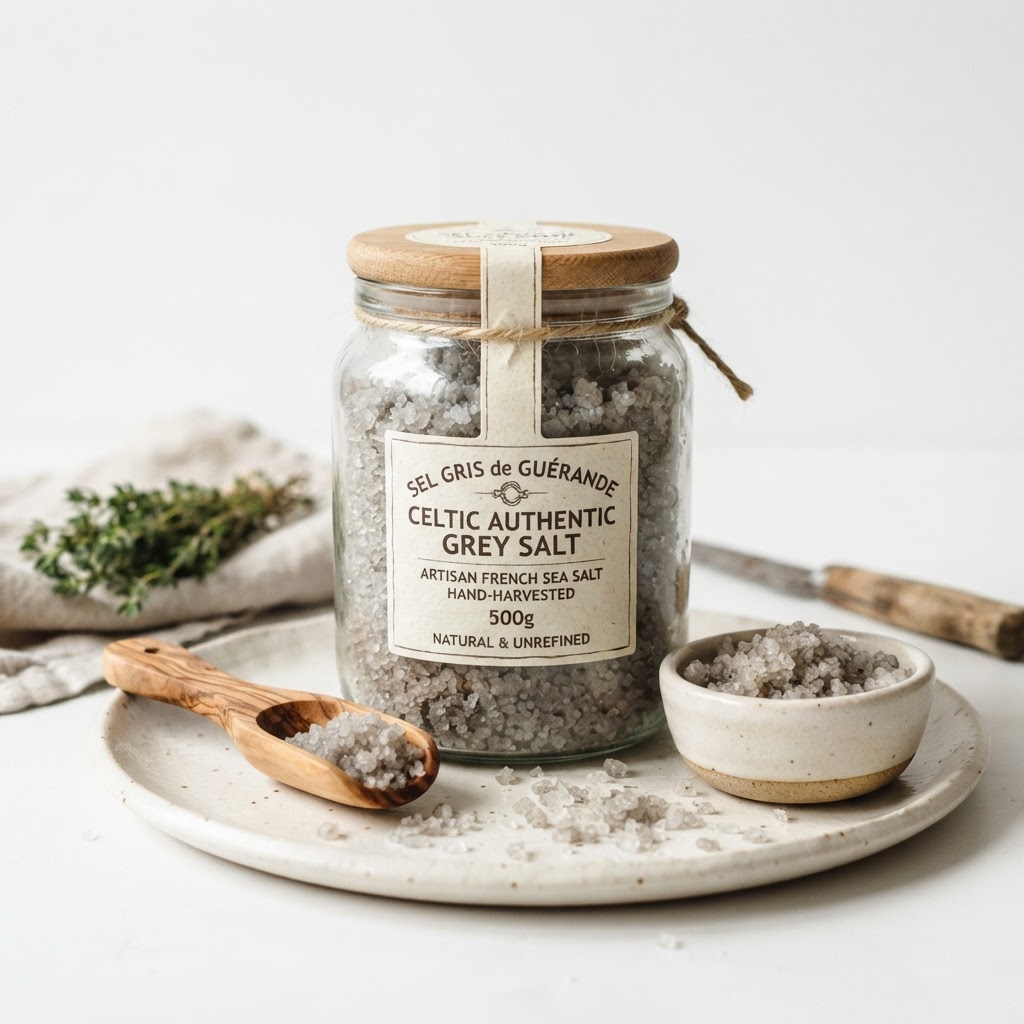
🧂 AUTHENTIC IGP GUÉRANDE SALT
500g / 17.6 oz · Hand-harvested · Brittany, France
In culinary applications, sea salt not only enhances flavor but can also aid in better digestion. When used in cooking, it helps bring out the natural flavors of ingredients, making specialty grocery stores—such as vegetables, meats, and grains—more palatable. Additionally, a well-seasoned dish encourages mindful eating, prompting individuals to engage more deeply with their meal, thus fostering better digestion.
Moreover, there is an emerging focus on gut-brain connections, which suggests that our mental state can influence digestive health. Including sea salt in a diet focused on wholesome, minimally processed foods can support an overall sense of well-being that positively impacts gut health. Consequently, users may find that holistic lifestyle choices, which include indulging in the natural flavors of Celtic sea salt, can have beneficial repercussions on gut health and general well-being.
How to Use sea salt for gut health in Your Daily Cooking — Practical Guide
Incorporating Celtic sea salt into your daily cooking is straightforward and insightful. Here are some practical steps to make it an integral part of your culinary routine. Start by incorporating sea salt into your seasoning repertoire; it can easily replace conventional table salt in most recipes. When using it in everyday meals, remember that less is more; the natural flavor of Celtic sea salt can elevate dishes without overpowering them.
One practical application is to use sea salt in place of regular salt when cooking grains. Adding a pinch of Celtic sea salt to boiling water when cooking rice or quinoa can enhance flavor naturally. Additionally, you can sprinkle it over freshly steamed vegetables or roasted meats to bring out the flavors while providing necessary minerals.
For those interested in creating a well-rounded diet, consider a “salting strategy” where you season foods throughout the cooking process rather than just at the end. This method allows the salt to permeate the dish while cooking, ensuring that every bite is flavorsome. Moreover, using sea salt for brining meats can impart moisture and taste while enhancing the overall culinary experience.
Another creative way to incorporate Celtic sea salt into your cooking is through homemade salad dressings. A simple mixture of olive oil, vinegar, and a pinch of sea salt can create a vibrant dressing that enhances the freshness of salads and greens. Blending various spices or herbs with sea salt can also produce unique seasoning blends tailored to your tastes.
Additionally, you might want to explore the use of sea salt in baking, particularly when preparing savory breads or crackers. This quality salt can highlight flavors, creating a delightful contrast to sweet or savory ingredients. Furthermore, pairing sea salt with sweet dishes—like chocolate or caramel—can create a multi-dimensional flavor profile that tantalizes the palate. As a final tip, if you sprinkle a touch of Celtic sea salt on finished dishes, it can enhance not only the taste but also elevate the visual appeal, making mealtime a sensory experience.
How to Use sea salt for gut health
Beyond the kitchen, Celtic sea salt can be integrated into various lifestyle practices that support overall wellness, including gut health. One such use is in the practice of salt therapy. Bathing with Celtic sea salt can act as a natural way to detox and relax—a process that potentially benefits the gut indirectly by promoting stress relief. Stress is often linked to digestive discomfort, so allowing oneself to unwind in a salt-infused bath can provide mental clarity and relaxation.
Additionally, you can consider using Celtic sea salt in oral care. While it does not replace regular dental hygiene, rinsing with a saline solution can help maintain a balanced oral ecosystem. This practice may rid the mouth of bacteria that could otherwise affect digestion if swallowed.
Incorporating sea salt into self-care routines, like body scrubs, can also promote healthier skin, which is closely tied to gut health. Using a blend of Celtic sea salt with natural oils can create an exfoliating scrub that not only nurtures the skin but also detoxifies the body, enhancing overall wellness. Health-conscious individuals may also find that the minerals found in unrefined salt contribute beneficially to hydration, supporting digestion and metabolic function.
Lastly, consider adding a pinch of Celtic sea salt to your drinking water, particularly if you’re consuming electrolyte-rich beverages during workouts. Proper hydration can mitigate digestive issues, and the added minerals from sea salt might aid in balancing electrolyte levels, thereby potentially supporting gut flora as well. Thus, Celtic sea salt can be a versatile tool for those dedicated to enhancing their lifestyle for improved gut health and overall well-being.
🧂 AUTHENTIC GUÉRANDE CELTIC SALT
Celtic Authentic Grey Salt – 500g / 17.6 oz
Hand-harvested · Unrefined · trace minerals whose levels vary by harvest and product · IGP certified
When purchasing sea salt, there are several key factors to consider to ensure you're selecting a high-quality product that supports gut health. Look for salts labeled "unrefined," which ensures that the salt retains its natural minerals and trace elements, essential for maximum benefits. Specifically, opting for Celtic sea salt or IGP Guérande, recognized certifications indicate authenticity and adherence to quality standards.
Sourcing is another vital aspect when choosing sea salt. Authentic Celtic sea salt is harvested from the salt marshes in the Brittany region of France by paludiers who employ traditional methods, making their process environmentally sustainable. Purchasing products with clear indications of their origin can guide you in distinguishing high-quality salt from inferior alternatives.
Additionally, consider the packaging. High-quality sea salt should be stored in moisture-proof containers, which can help maintain its integrity over time. Be cautious of products that are marketed as "sea salt" but come from less reputable sources, as these may contain additives or be subjected to excessive processing. Reading labels thoroughly and being familiar with different sourcing practices can lead consumers toward making informed decisions.
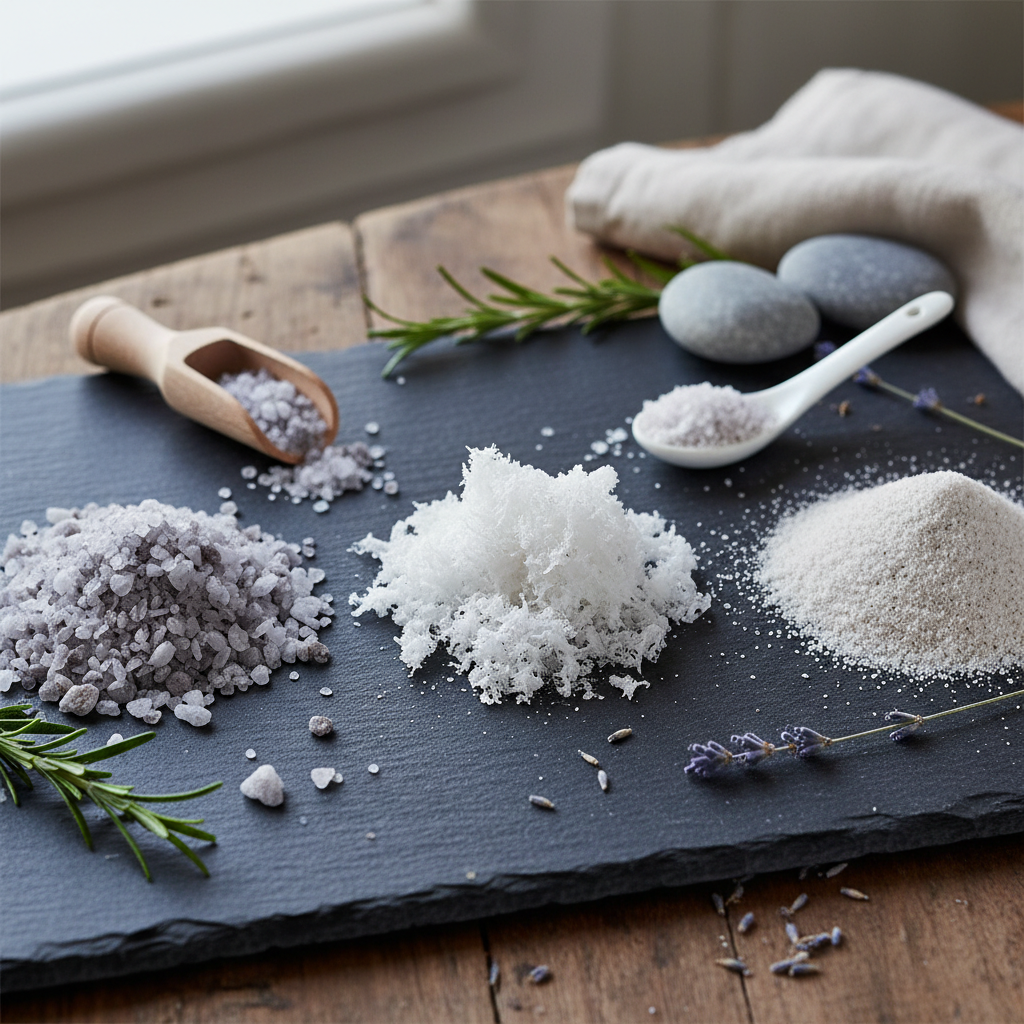
When comparing texture, Celtic sea salt may vary from fine to coarse, offering versatility in culinary applications. Coarse sea salt is excellent for seasoning and garnishing, while fine granules can be more suitable for baking or everyday cooking. Ultimately, selecting the right type based on your culinary intentions is crucial for maximizing its benefits. By understanding what to look for, you will enhance your purchasing power and ensure that you are contributing positively to your gut health and overall dietary practices.
Common Questions About sea salt for gut health
Can sea salt improve digestion?
There is no direct scientific evidence to claim that sea salt improves digestion, but its mineral content may support overall gut health when used as part of a balanced and nutritious diet.
Is all sea salt the same?
No, not all sea salts are created equal. Quality can vary significantly based on the source, harvesting methods, and processing. Opting for unrefined sea salts, like Celtic sea salt, ensures you benefit from essential minerals.
How much sea salt should I use?
The amount of sea salt to use depends on personal taste preference and dietary needs. It’s best to start with small amounts and adjust according to your recipes and palate.
Are there health risks associated with using sea salt?
While sea salt is generally safe, excessive salt intake can lead to negative health effects. It is essential to consume it in moderation as part of a balanced diet.
What makes Celtic sea salt unique?
Celtic sea salt is unique due to its traditional harvesting methods, mineral richness, and distinctive grey color, resulting from its natural environment in Brittany, France.
Conclusion
In summary, Celtic sea salt emerges as an essential element in the pursuit of optimal gut health. Its rich mineral content, unique harvesting methods, and versatility in culinary applications make it a valuable addition to health-conscious consumers' diets. The discussion of gut health is becoming increasingly vital in today’s world, highlighting the interconnectedness of dietary choices and overall well-being. By making informed decisions to include high-quality sea salt in your meals, you can enjoy not just enhanced flavors but also support your gut health in a holistic manner. As we continue to learn about the impacts of the foods we consume, incorporating products like Celtic sea salt may pave the way for improved digestive experiences and overall health. Embracing these natural choices represents a step towards a more mindful and health-focused lifestyle.
Celtic Salt — IGP Guérande
Hand-harvested by Breton paludiers. 500g / 17.6 oz jar, unrefined, trace minerals whose levels vary by harvest and product.
Free shipping — standard tracked delivery included