Hand-harvested Guérande salt · Tracked international delivery included
Guide· by Celtic Salt Editorial Team
Real Celtic Salt
Introduction — Why Real Celtic Salt Matters in 2026
As we navigate through 2026, the importance of quality in our food sources has never been more apparent. Among the various culinary ingredients, salt often takes a backseat, yet it plays a crucial role in flavor, preservation, and even the very essence of our meals. Enter real Celtic salt, a product that not only enhances taste but also reflects a rich historical and cultural heritage. With growing public awareness around sustainability, health, and authenticity in food sourcing, real Celtic salt emerges as a standout choice in today’s market.
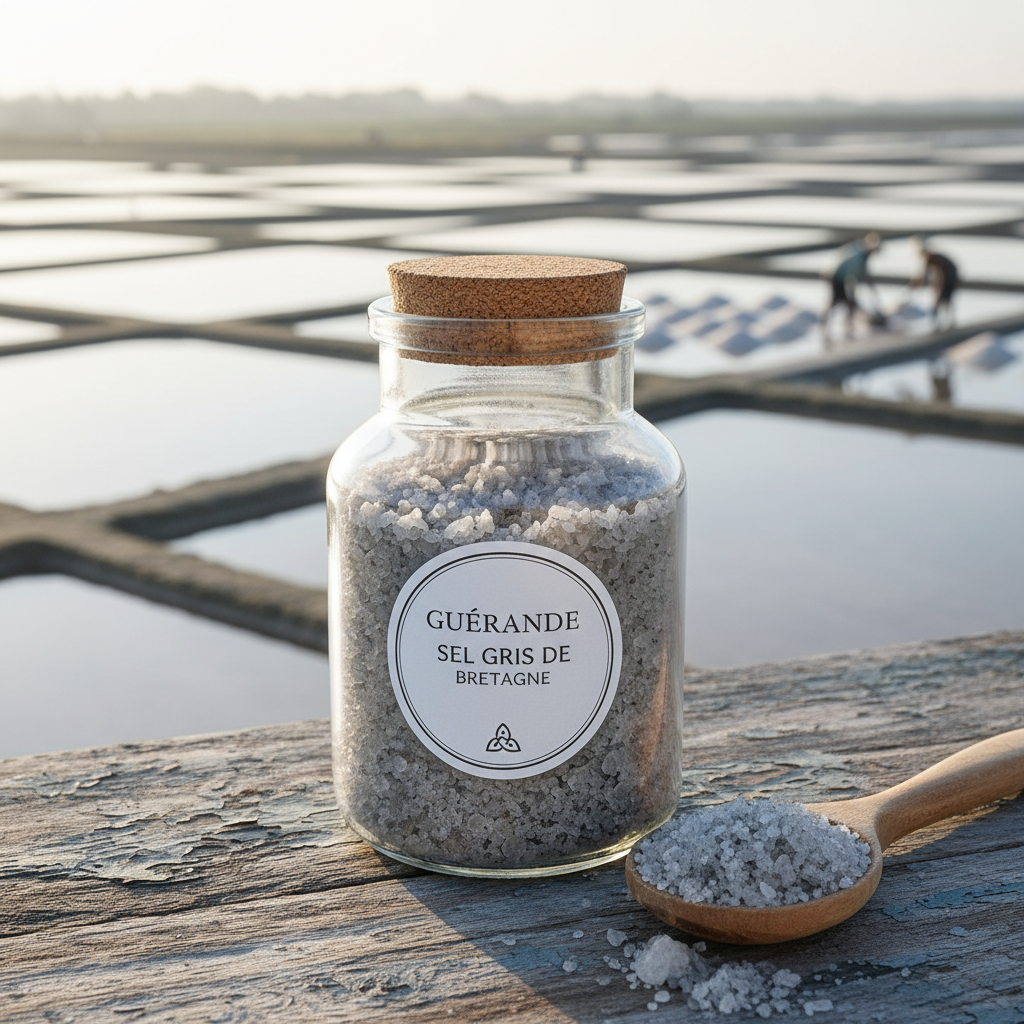
Originating from the pristine coastal areas of Brittany, particularly Guérande, this salt is harvested using age-old methods that respect the environment and maintain the integrity of the product. As modern consumers yearn for transparency and quality, real Celtic salt stands as a beacon for those looking to enhance their culinary experiences without the additives and processes associated with regular table salt. In an era where mindful consumption is becoming a way of life, understanding the nature of real Celtic salt is more critical than ever.
What Is Real Celtic Salt?
Real Celtic salt, often referred to as fleur de sel or grey salt, is harvested from the salt marshes of the Guérande region in Brittany, France. This artisanal specialty has been cultivated by paludiers—salt farmers—using traditional methods passed down through generations. Through a labor-intensive process that involves the natural evaporation of seawater in clay ponds, Celtic salt is collected in its purest, most mineral-rich form.
What sets real Celtic salt apart is its distinctive grey color, which comes from the natural clay of the salt ponds. Unlike refined table salt that is stripped of its minerals and often treated with anti-caking agents, Celtic salt retains an array of beneficial trace minerals, including magnesium, potassium, and calcium. These minerals not only contribute to the unique taste but also enhance the overall quality of the salt. This authenticity, rooted in the terroir of Brittany, gives Celtic salt a flavor profile that elevates dishes beyond the capabilities of standard salt.
Celtic salt is typically harvested in the summer, during a specific period when seawater evaporation is at its peak. The delicate skill involved in capturing this salt requires keen attention and precise timing, as the paludiers have to gauge the right conditions. This commitment to quality is evident in the product itself, making real Celtic salt not just an ingredient, but a symbol of tradition and respect for the land and sea.
Key Benefits and Properties
One of the standout features of real Celtic salt is its remarkable mineral content. Unlike highly processed salts, which can consist mainly of sodium chloride, Celtic salt is brimming with over trace minerals whose levels vary by harvest and product that are essential for our bodily functions and overall well-being. These minerals contribute to various natural processes, from maintaining hydration to supporting muscle function and nerve transmission. The balance of these minerals also translates into a unique savory flavor that elevates culinary creations.
Another key benefit of Celtic salt is its potential role in flavor enhancement. Chefs and home cooks alike appreciate how the natural moisture content and mineral complexity transform the taste of dishes. From grilled meats to roasted vegetables, sprinkling Celtic salt can enhance the inherent flavors without overpowering them, creating a well-rounded taste experience.
Additionally, the texture of real Celtic salt is a factor worth noting. It is often coarser than ordinary table salt, which means it can be used as a finishing salt to add a delightful crunch and burst of flavor to completed dishes. Its structure also allows it to dissolve easily in cooking, imparting its unique qualities throughout food without the bitterness sometimes found in overly refined salts.
Moreover, the production of Celtic salt is done with sustainable practices that respect the environment. By preserving traditional harvesting methods and ensuring minimal impact on local ecosystems, the paludiers not only cultivate high-quality salt but also contribute to the protection of the region's biodiversity. Choosing Celtic salt supports these artisans and their commitment to sustainable practices, making it a choice that reflects a conscientious consumer ethos.
How to Use Real Celtic Salt: Practical Guide
Incorporating real Celtic salt into your culinary repertoire can be incredibly rewarding. Its unique flavor and texture lend themselves to a wide variety of applications in the kitchen. Here are some practical tips for using Celtic salt effectively:
1. **As a Finishing Salt**: One of the best ways to utilize Celtic salt is to sprinkle it on dishes just before serving. Its coarse texture adds a pleasant crunch and a burst of flavor that elevates salads, grilled meats, and roasted vegetables. This allows diners to experience the salt's robust mineral qualities in every bite.
2. **During Cooking**: Celtic salt works wonderfully when used in the cooking process. When boiling pasta or blanching vegetables, adding a small amount of salt to the water helps to enhance the overall flavor of the dish. Just remember that less is more; its concentrated flavor means you can use less than you might with table salt.
3. **In Marinades and Brines**: The unique mineral profile of Celtic salt can infuse meats and fish with complex flavors when used in marinades or brines. It not only seasons the food but can also aid in tenderizing, making your dishes more flavorful and juicy.
4. **Baking**: Adding a touch of Celtic salt to baked goods can enhance sweetness and balance flavors. For example, a sprinkle of it on chocolate chip cookies before baking can create a delightful contrast that intensifies the chocolate flavor.
5. **Seasoning Vegetables**: When sautéing or roasting vegetables, don’t overlook the power of Celtic salt. Adding it at the beginning of cooking can help draw out moisture and flavors, while a final sprinkle before serving can add freshness and a punch of flavor.
How to Choose Quality Real Celtic Salt
Not all salts are created equal, and with the rising popularity of Celtic salt, it’s essential to discern quality products from inferior imitations. Here are some factors to consider when selecting real Celtic salt:
1. **Source**: Authentic Celtic salt should be sourced from the coastal area of Brittany, particularly Guérande. Be sure to check product labels for origin certifications and claims to ensure you’re getting the real deal.
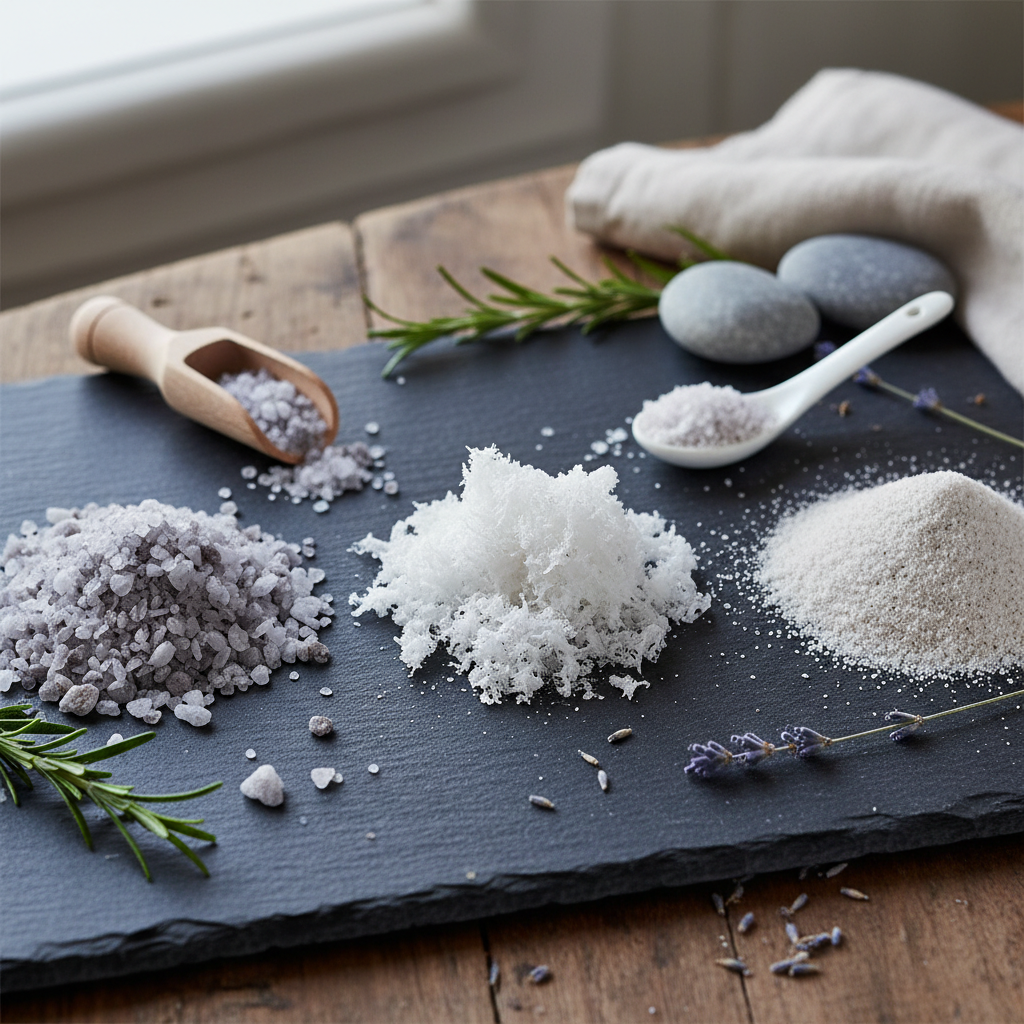
2. **Color and Texture**: Real Celtic salt typically exhibits a grey hue, attributed to the mineral-rich clay in which it is harvested. The texture should be slightly moist and flaky, offering a coarse, crunchy feel. Avoid overly refined or bleached salts that may lack these characteristics.
3. **Harvesting Methods**: Look for brands that practice traditional harvesting methods. Celtic salt should be hand-harvested using sustainable techniques, preserving the salt’s natural quality and ensuring minimal environmental impact.
4. **Packaging**: Quality Celtic salt should be packaged in a way that protects it from moisture and light, preventing clumping and preserving flavor. Consider purchasing salt in glass jars or other eco-friendly materials that keep the salt fresh.
5. **Taste Test**: If possible, conduct a taste test. Authentic Celtic salt will have a distinct, briny flavor that is unlike that of ordinary table salt. It should leave a slight mineral aftertaste, underscoring its quality and depth.
Common Mistakes to Avoid
When incorporating real Celtic salt into your diet, it’s easy to fall into common pitfalls that can diminish your experience. Here are a few mistakes to watch out for:
1. **Overusing Salt**: One of the most common mistakes is using too much Celtic salt. Its flavor is concentrated and powerful; therefore, a little goes a long way. Taste your food as you cook and add small amounts incrementally to avoid overpowering dishes.
2. **Using it Like Regular Salt**: Many people making the switch to Celtic salt may use it the same way they used table salt. Because of its unique texture and flavor profile, it’s important to adapt your usage appropriately, experimenting to find what works best in your recipes.
3. **Ignoring Quality**: With the increasing availability of Celtic salt, not all products are created equal. Make sure to verify the authenticity of the salt and its harvesting methods. Cheap, imitation versions may lack the same depth of flavor and mineral benefits.
4. **Storing Improperly**: Real Celtic salt should be stored in a cool, dry place in an airtight container. Exposure to moisture can cause it to clump and lose its unique properties. Avoid storing salt in direct sunlight or using containers that do not provide the right protection.
5. **Neglecting to Experiment**: Celtic salt is versatile, yet many cooks confine its use to certain dishes. Don’t hesitate to try it in unexpected ways—on desserts, in drinks, or as an enhancement in various cuisines. Experimentation can lead to delightful culinary discoveries.
Frequently Asked Questions
What is the difference between Celtic salt and regular table salt?
Celtic salt is minimally processed and retains its natural minerals, giving it a distinct flavor and grey color, whereas regular table salt is heavily refined and often contains anti-caking agents.
Can I use Celtic salt in baking?
Absolutely! Celtic salt can enhance the flavor of baked goods. Just keep in mind to balance it with the sweetness of recipes, particularly in desserts.
How should I store Celtic salt?
Store Celtic salt in an airtight container in a cool, dry place, away from direct sunlight, to maintain its quality and prevent clumping.
Is Celtic salt healthier than regular salt?
Many people prefer Celtic salt due to its natural mineral content, which can provide additional flavor benefits without the additives found in refined salt.
Can I use Celtic salt for seasoning vegetables?
Yes! It works wonderfully for seasoning vegetables, enhancing their natural flavors and adding a delightful crunch when used as a finishing salt.
Conclusion
In summary, real Celtic salt is more than just a seasoning; it is a reflection of centuries-old traditions, sustainable practices, and authentic flavor. Understanding its benefits, proper usage, and how to choose quality products empowers consumers to make informed decisions in their culinary adventures. In a world where conscious eating is increasingly essential, real Celtic salt offers a path to both flavor enhancement and support for sustainable practices. Whether you’re a chef at a high-end restaurant or a home cook looking to elevate your everyday meals, Celtic salt represents a powerful ally in the kitchen, bringing both health benefits and rich flavors to the table.
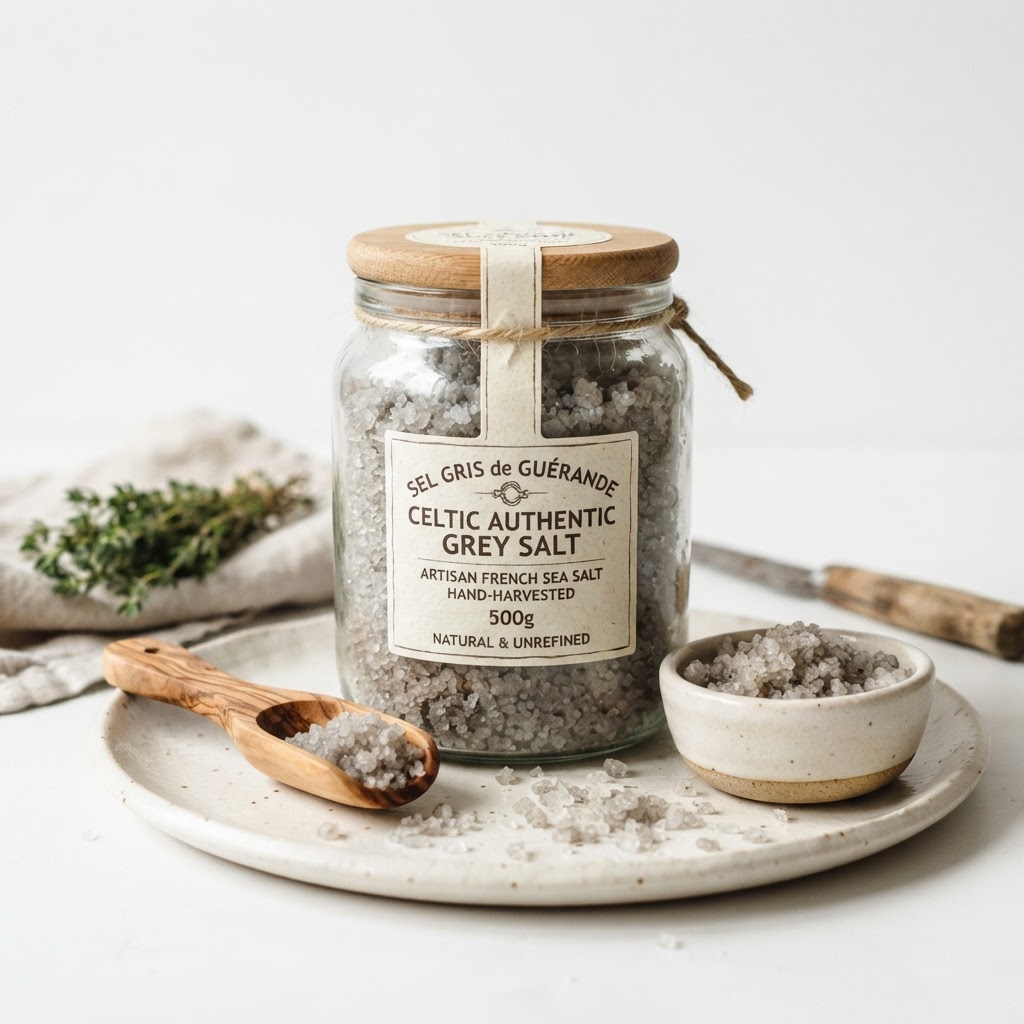
Celtic Salt — IGP Guérande
Hand-harvested by Breton paludiers. 500g / 17.6 oz jar, unrefined, trace minerals whose levels vary by harvest and product.