Hand-harvested Guérande salt · Tracked international delivery included
Guide· by Celtic Salt Editorial Team
Celtic Salt Under Tongue
Food information, not medical advice. Salt remains a significant source of sodium. Trace-mineral levels can vary by harvest and product, and culinary salt should not be used as a treatment or medical electrolyte supplement.
What Is Celtic Salt Under Tongue and Why It Matters in 2026
The practice of placing a small pinch of Celtic grey salt under the tongue has quietly become one of the most discussed wellness rituals of the past few years. What was once a niche habit among biohackers, holistic health practitioners, and endurance athletes has now entered mainstream wellness conversations. The concept is straightforward: instead of simply seasoning food with Celtic grey salt from the coastal marshes of Guérande, Brittany, some people place a tiny amount — typically a few granules or a small pinch — directly under the tongue, allowing the minerals to dissolve slowly and absorb through the sublingual mucosa, the thin tissue beneath the tongue that is rich in blood vessels and capable of rapid absorption. In 2026, as more people seek natural alternatives to processed supplements and synthetic electrolyte products, this practice has gained remarkable traction among those who value ancestral health approaches and clean, minimally processed nutrition.
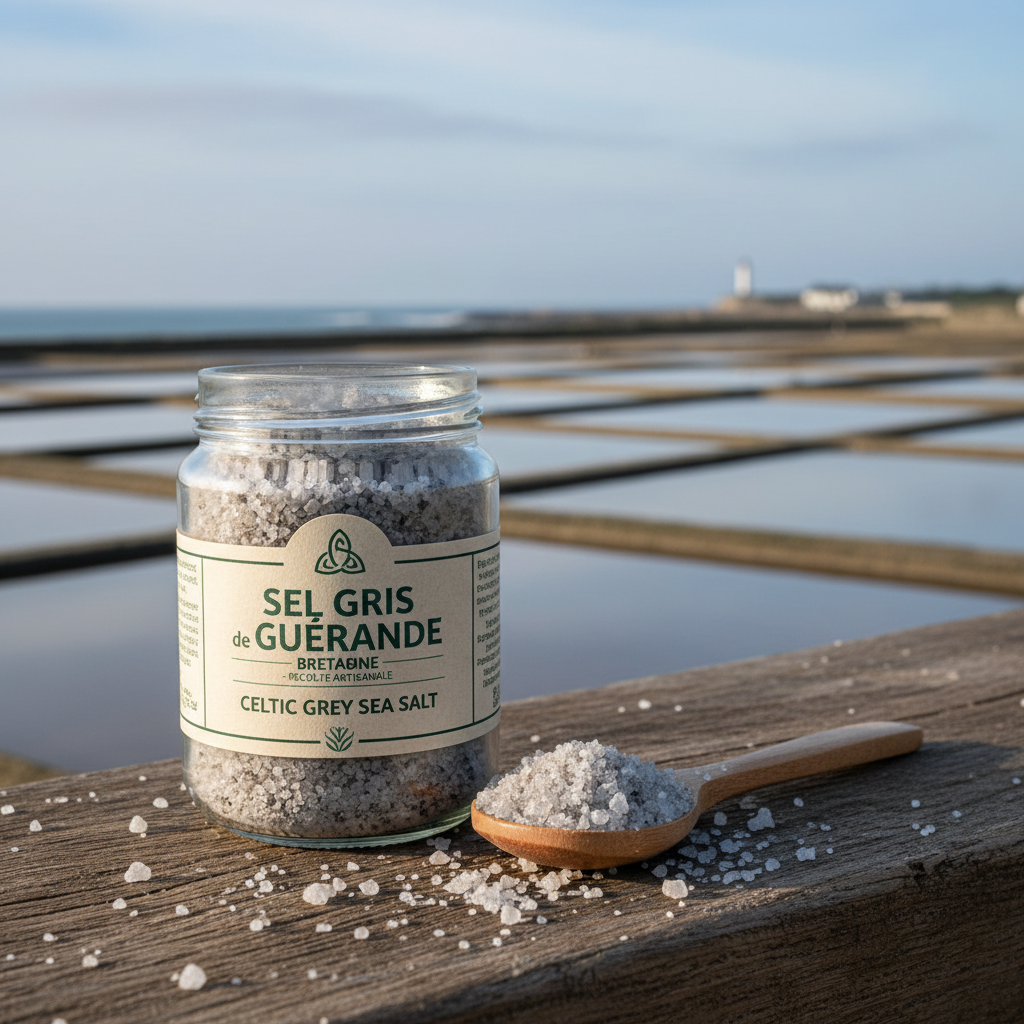
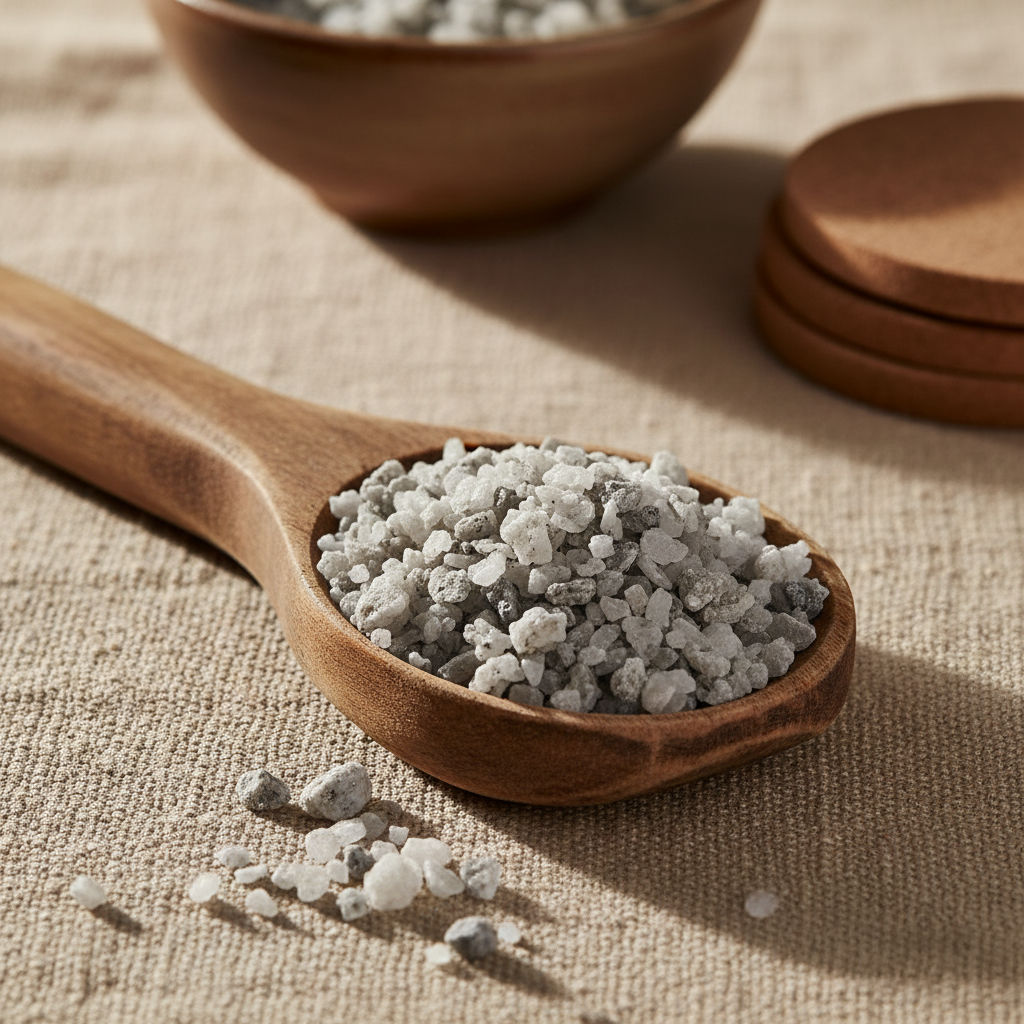
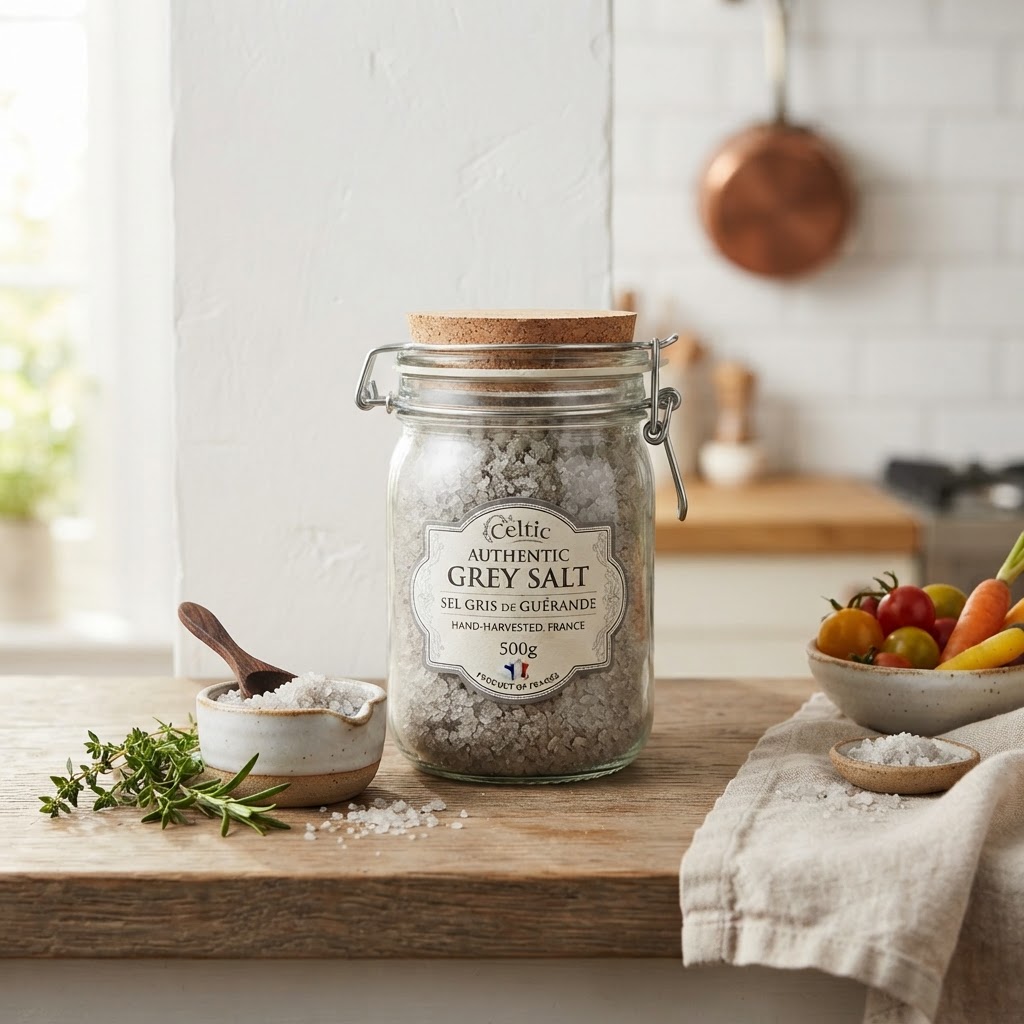
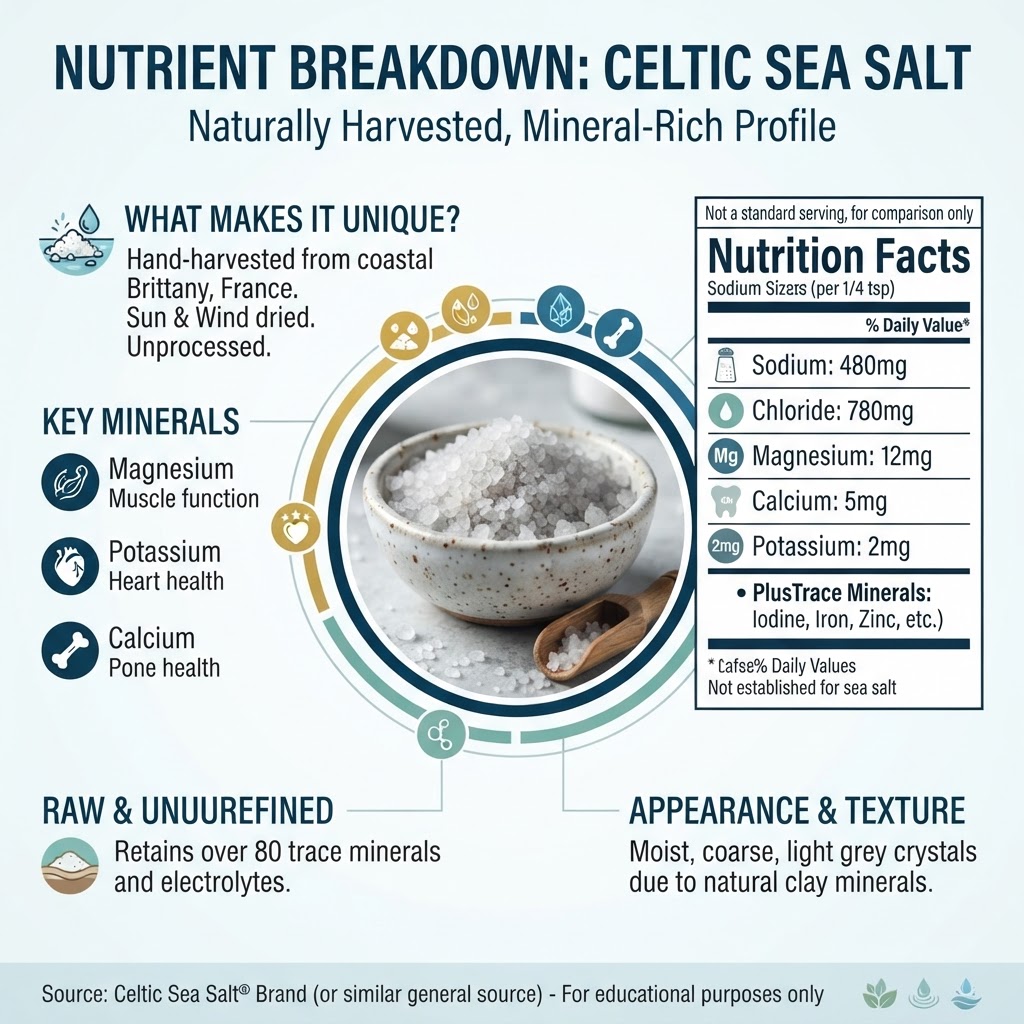
What makes Celtic grey salt uniquely suited to this practice is its extraordinary mineral complexity. Unlike refined table salt, which is stripped of virtually everything except sodium chloride and then blended with anti-caking agents, Celtic grey salt retains a full spectrum of trace minerals drawn directly from the Atlantic seawater that floods the ancient clay-lined salt pans of the Guérande peninsula. These minerals include magnesium, potassium, calcium, iodine, zinc, manganese, and over 80 other trace elements. The grey colour itself — that characteristic moist, pale grey hue — comes from the clay of the salt pans and signals that the mineral content is intact and genuine. When this salt dissolves under the tongue, those minerals begin their journey into the bloodstream almost immediately, bypassing the digestive tract to some extent and potentially offering a faster route to cellular availability.
The year 2026 has brought with it a renewed focus on foundational health habits rather than complex supplement stacks. People are asking harder questions about what they put in their bodies and where it comes from. Celtic grey salt from Guérande answers many of those questions with remarkable transparency — it is harvested by hand using wooden tools called lousse à sel, following a tradition that stretches back over a thousand years, and it carries official certification from French authorities as a protected regional product. The paludiers, the salt farmers of Guérande, still work the marshes seasonally, skimming the delicate fleur de sel from the surface and raking the coarser grey salt from the bottom of the basins, just as their ancestors did before them. This level of provenance and craft is essentially unmatched in the world of natural salts, which is why discerning wellness practitioners consistently return to it as their salt of choice.
Understanding why Celtic salt under the tongue matters in 2026 also requires understanding the broader context of electrolyte depletion in modern life. Chronic stress activates the adrenal glands and depletes sodium and other electrolytes at an accelerated rate. Intermittent fasting, popular low-carbohydrate diets, intense physical training, excessive sweating in hot climates, and even habitual coffee consumption all contribute to electrolyte losses that the average person may not be replacing adequately. Processed foods contain sodium in abundance, but almost no other electrolytes, and certainly none of the trace minerals found in naturally harvested sea salt. The Celtic salt under tongue practice offers a simple, immediate, and genuinely nourishing way to address these gaps, providing the body with a complex mineral input that no synthetic supplement can truly replicate. It costs almost nothing, takes seconds to do, and requires no preparation — making it one of the most accessible wellness habits available today.
The Complete Guide to Celtic Salt Under Tongue
To understand the practice fully, it helps to begin with the anatomy of sublingual absorption. The area beneath the tongue contains a dense network of capillaries and mucous membranes that are specifically designed for rapid absorption. This is why certain medications — including nitroglycerin for heart conditions and various hormonal preparations — are administered sublingually: the substance dissolves in saliva, passes through the thin mucosal tissue, and enters the bloodstream within minutes, often faster than the same compound would if swallowed and processed through the gastrointestinal tract. When you place Celtic grey salt under the tongue, the same physiological principle applies. The minerals dissolve in the moisture of the mouth, interact with the mucosal membrane, and begin absorption almost immediately. This does not mean the digestive system is bypassed entirely, but it does mean that the initial mineral contact with the body's systems happens quickly.
The practical technique for placing Celtic salt under the tongue is simple but worth describing in detail for those new to the practice. Begin with a very small amount — no more than a quarter teaspoon, and for beginners, even less is advisable. A few individual granules of coarse Celtic grey salt or a tiny pinch of fine grey salt is entirely sufficient. Place the salt directly under the tongue, pressing it gently against the sublingual surface. The salt will begin to dissolve almost immediately as it contacts the saliva. Allow it to sit for 30 to 60 seconds before swallowing, letting the dissolution process proceed naturally. You will notice a complex, mineral-rich flavour — quite different from the sharp, one-dimensional taste of refined table salt. Celtic grey salt has depth: initial salinity followed by subtle mineral sweetness and an oceanic quality that is difficult to describe but unmistakable once experienced. Many practitioners find this taste deeply satisfying in a way that feels almost instinctual, as if the body recognises something it needs.
Timing matters when it comes to this practice. Many wellness practitioners and athletes who use Celtic salt sublingually do so at specific moments during the day when electrolyte needs are highest or when the body is under particular stress. Common timing approaches include: first thing in the morning before consuming any food or liquid, particularly after overnight fasting when electrolytes have naturally been depleted through breath and sleep; before or during intense physical exercise to prime the body's mineral status; during periods of heat exposure, whether in a sauna, during hot weather, or after a vigorous workout; and during intermittent fasting windows, when eating is restricted but mineral replenishment is still valuable and does not break a fast in any meaningful metabolic sense. Some people also use the practice as a grounding ritual at the beginning of a meditation or breathwork session, finding that the act of consciously placing salt under the tongue and attending to its dissolution creates a moment of mindful presence.
It is important to address the question of quantity here, because more is absolutely not better when it comes to sublingual salt use. The practice is about providing the body with a concentrated dose of trace minerals in a highly bioavailable form, not about consuming large amounts of sodium. A typical sublingual session uses a fraction of what you might add to a meal. The goal is not to dramatically raise sodium intake but to introduce the full mineral complexity of authentic Celtic grey salt into the body's systems efficiently. Those on sodium-restricted diets for specific medical reasons should consult their healthcare provider before adopting any new salt-related practice, though it bears noting that the kind of sodium found in Celtic grey salt — balanced by magnesium, potassium, and other minerals — behaves quite differently in the body than the isolated sodium chloride found in processed foods and refined table salt.
For a deeper understanding of how Celtic grey salt compares to other varieties in terms of mineral content and suitability for this practice, we recommend reading our detailed guide to Celtic salt minerals and trace element composition, which breaks down the specific nutrient profile that makes Guérande salt uniquely valuable.
Health and Culinary Benefits
The health-adjacent benefits of incorporating authentic Celtic grey salt into daily life — including through sublingual use — are rooted in its exceptional mineral profile rather than any single compound. Electrolyte balance is fundamental to virtually every system in the human body. Nerve signals travel via electrochemical gradients that depend on sodium, potassium, and other ions. Muscle contractions, including the most important muscle contraction of all — the heartbeat — require precise electrolyte balance. Cellular hydration, the process by which water actually enters and nourishes individual cells rather than simply passing through the body, depends heavily on the presence of electrolytes including sodium and potassium working together. When these minerals are present in the right ratios, as they naturally are in a full-spectrum sea salt like Celtic grey salt, hydration operates more efficiently than when sodium is consumed in isolation.
Magnesium deserves particular mention here because it is one of the most commonly deficient minerals in modern populations and one that Celtic grey salt contains in meaningful quantities relative to other salts. Magnesium participates in over 300 enzymatic reactions in the human body, including those involved in energy production, protein synthesis, blood glucose control, and nervous system regulation. The characteristic moistness of Celtic grey salt — that slightly damp texture that distinguishes it from dry, free-flowing refined salts — is in part due to its magnesium content, specifically magnesium chloride, which is hygroscopic and attracts atmospheric moisture. This same magnesium is absorbed along with other minerals when the salt is used sublingually, providing a small but genuine contribution to daily magnesium intake.
From a culinary perspective, the practice of using Celtic salt sublingually also enhances one's appreciation for salt as a flavour ingredient rather than merely a seasoning tool. Those who regularly experience the full mineral complexity of authentic Celtic grey salt under the tongue develop a more refined palate for saltiness and mineral character in food. Many chefs and culinary professionals who work with premium natural salts describe a similar phenomenon — a heightened sensitivity to mineral nuance that makes cooking with quality salt more intuitive and satisfying. The flavour profile of Celtic grey salt, with its briny depth, subtle sweetness, and oceanic character, translates directly to cooking applications as well, making it a superior finishing salt and a more interesting seasoning than any refined product can offer.
The trace iodine content of natural Celtic grey salt is also worth acknowledging, particularly because iodine deficiency remains a genuine public health concern in many parts of the world despite the introduction of iodised table salt decades ago. Natural seawater-derived salts contain iodine in organic forms alongside other minerals, though levels vary depending on harvest conditions and geography. While Celtic grey salt should not be considered a primary iodine source in the way that iodised table salt is formulated to be, it contributes to overall iodine intake as part of a varied diet, and the sublingual route may enhance the bioavailability of this contribution. As always with minerals and nutrition, the totality of one's diet and lifestyle matters far more than any single habit or food.
Building a consistent and effective Celtic salt under tongue practice requires attention to a few key variables: the type of salt you use, the quantity, the timing, and the context in which you practice it. Each of these elements influences the experience and the benefits you are likely to notice over time. Here is a practical, experience-informed guide to getting the most from this ritual.