Hand-harvested Guérande salt · Tracked international delivery included
Guide· by Celtic Salt Editorial Team
Pure Celtic Salt
What Is Pure Celtic Salt and Why It Matters in 2026
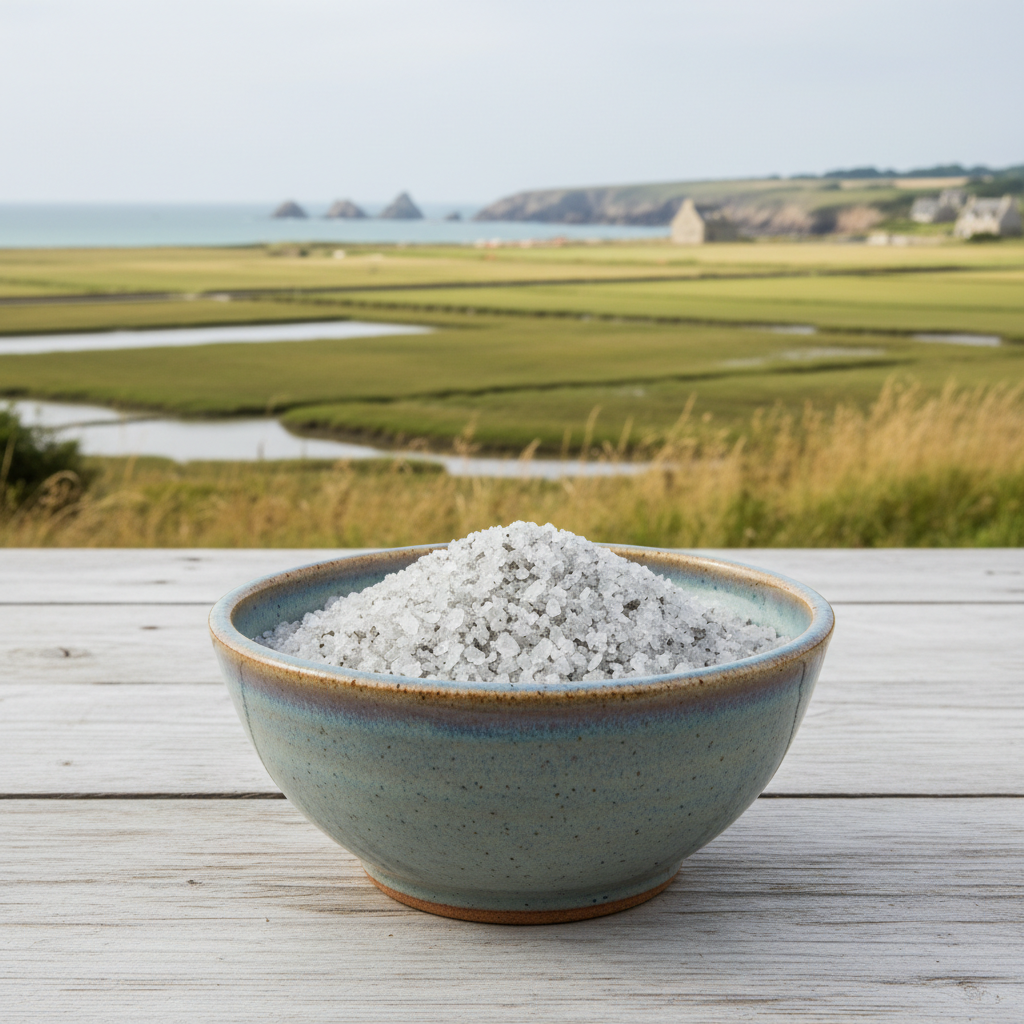
Pure Celtic salt is one of the most revered and ancient mineral salts in the world, harvested by hand from the legendary salt marshes of Guérande in the Brittany region of northwestern France. Unlike the refined white table salt that dominates supermarket shelves, pure Celtic salt retains its natural grey colour, moist texture, and a full spectrum of trace minerals that have been deposited over thousands of years through the careful interaction of Atlantic seawater, sun, wind, and clay-lined salt pans. This is not a modern wellness trend or a marketing invention — it is a centuries-old tradition practised by dedicated salt farmers known as paludiers, whose families have worked the same marshes for generations. In 2026, as consumers become increasingly aware of what they are putting into their bodies, the demand for authentically harvested, unrefined salts like pure Celtic salt has never been stronger or more justified.
The term "pure" in relation to Celtic salt carries real meaning. It distinguishes naturally harvested, unprocessed salt from the highly refined industrial salt that has had its natural mineral content stripped away through chemical processing, bleaching, and anti-caking treatments. Pure Celtic salt is harvested at the surface of the salt pans as fleur de sel, or from the bottom of the pans as the classic grey salt, and it is then simply air-dried, hand-raked, and packaged — nothing added, nothing removed. The result is a salt that contains not just sodium chloride, but a rich array of naturally occurring minerals including magnesium, calcium, potassium, iron, zinc, and over 80 additional trace elements. These minerals are not artificially added; they are intrinsic to the salt itself, absorbed from the Atlantic seawater and the mineral-rich clay of the Guérande marshes.
In 2026, the conversation around salt has evolved dramatically. Decades of nutritional research have helped consumers understand that not all salt is created equal, and that the source, method of production, and mineral content of a salt matter enormously. Highly processed table salt, which is essentially pure sodium chloride with added iodine and anti-caking agents, has been linked in numerous studies to various health concerns when consumed in excess. Pure Celtic salt, by contrast, provides sodium in a more balanced mineral matrix, which many nutrition researchers and health professionals believe supports the body's electrolyte balance more effectively. While we are careful not to make specific medical claims, the distinction between refined and unrefined salt is increasingly recognised as significant by the global health and culinary community. This growing awareness is driving a genuine renaissance in traditional salt harvesting and a renewed appreciation for what authentic Celtic salt truly represents.
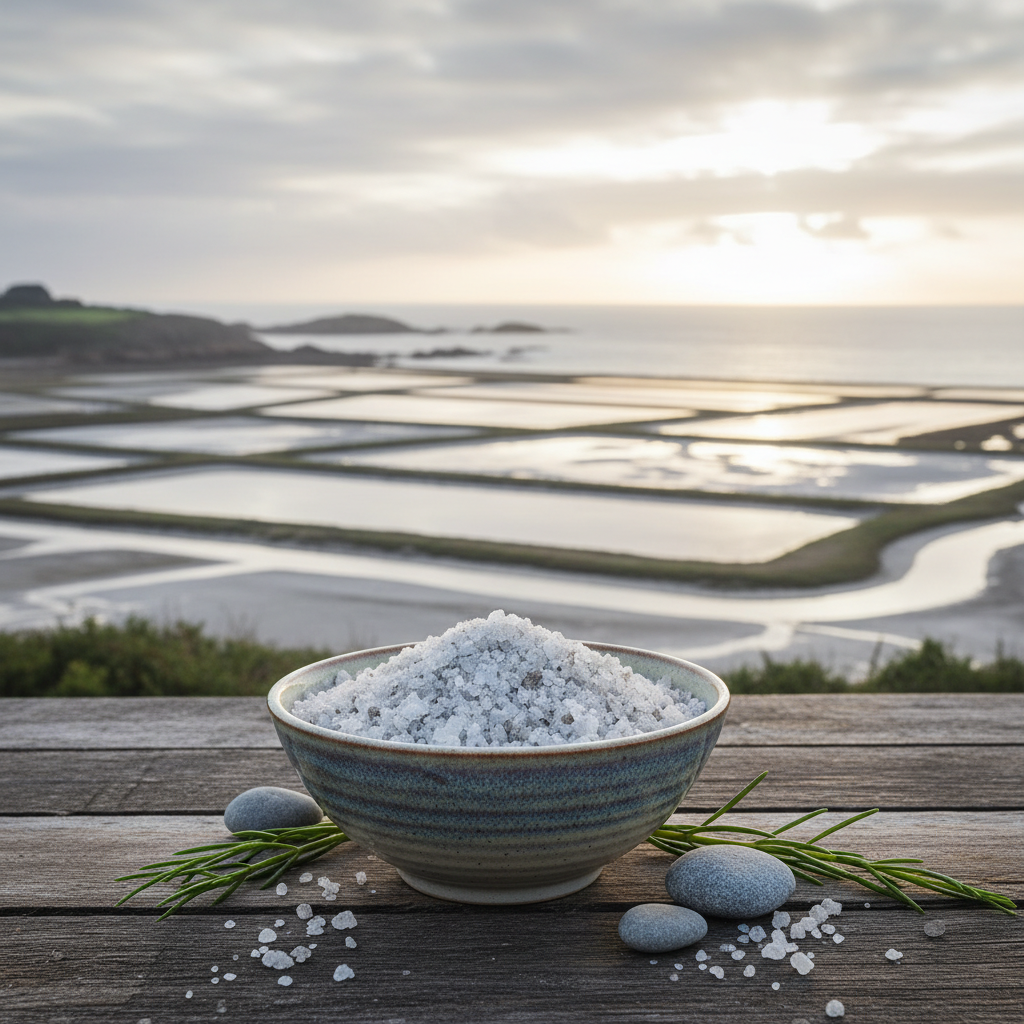
The Guérande salt marshes are not just a production site — they are a UNESCO-recognised cultural landscape and a protected natural environment. The ecology of the marshes, including the algae, microorganisms, and clay-rich soil, contributes directly to the unique mineral profile of the salt harvested there. Paludiers work in harmony with this ecosystem, using traditional wooden tools and techniques that have changed little in a thousand years. When you choose pure Celtic salt from Guérande, you are not just making a culinary or health decision — you are supporting a living tradition, an extraordinary natural environment, and a sustainable approach to food production that stands in direct contrast to the industrial food system. In a world increasingly dominated by processed and artificial products, pure Celtic salt is a powerful reminder that the finest ingredients are often those that have been least interfered with.
The Complete Guide to Pure Celtic Salt
Understanding pure Celtic salt fully requires exploring its origins, its production process, its varieties, and the factors that distinguish genuinely authentic products from imitations. The salt marshes of Guérande stretch across approximately 2,000 hectares of carefully maintained wetlands on the Atlantic coast of Brittany, France. This region's unique geography — where the Atlantic Ocean meets a broad, shallow coastal basin protected from the open sea — creates ideal conditions for natural salt crystallisation. The combination of strong summer sun, the famous dry winds off the Atlantic, and the mineral-rich clay known as "vasière" that lines the bottom of the salt pans creates a natural harvesting environment that cannot be replicated anywhere else in the world.
The production of pure Celtic salt begins in late spring when the paludiers open the sluice gates that allow Atlantic seawater to flow into a complex network of progressively shallower pools. As the water moves through this system over days and weeks, it gradually concentrates through evaporation until it reaches the point of crystallisation in the final, shallowest pools called "oeillets." It is here that the paludier uses a long-handled wooden rake called a "las" to gently harvest the salt crystals that have settled on the clay floor of the pan. This grey salt — the coarser, mineral-rich variety — is then gathered into mounds at the edge of the pans and left to drain naturally. The entire process is weather-dependent and physically demanding, which is why pure Celtic salt from Guérande is available only in limited seasonal quantities and commands the respect it deserves.
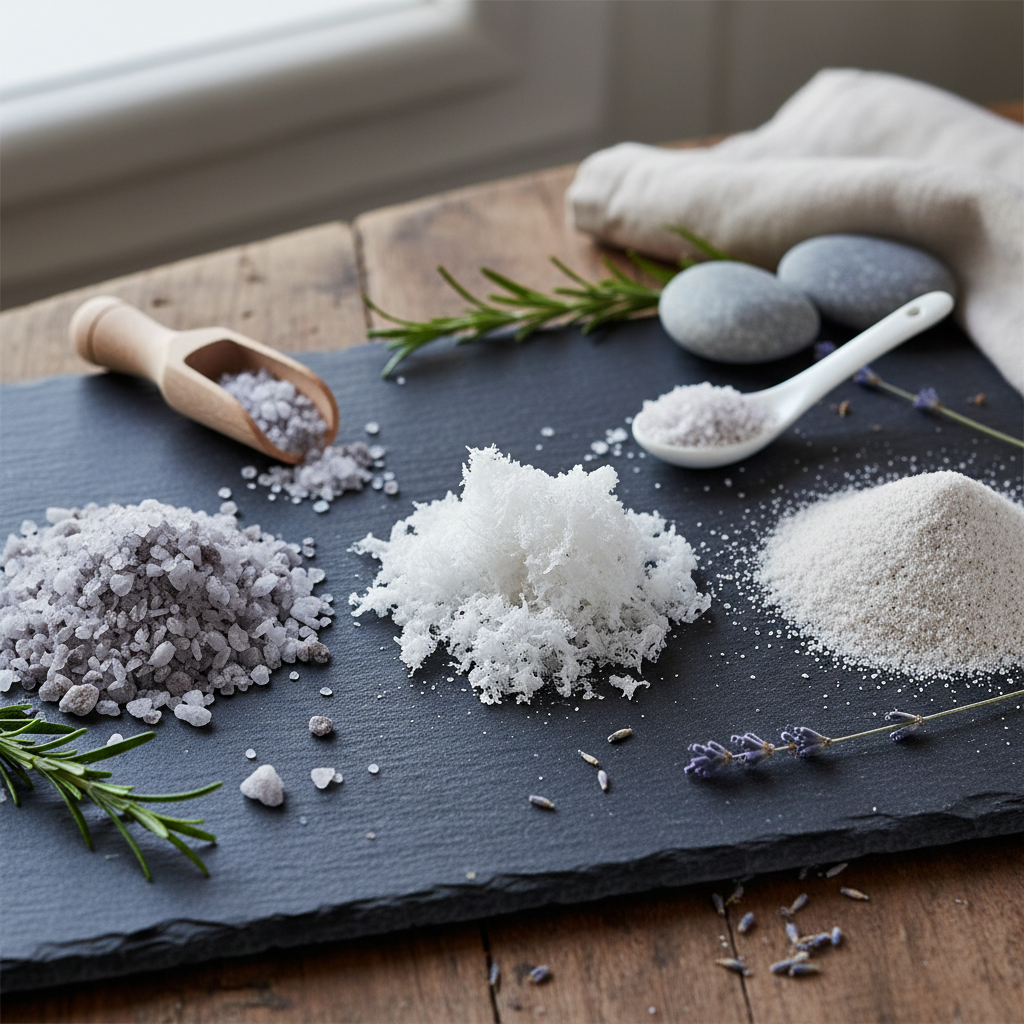
There are two primary varieties of pure Celtic salt from Guérande. The first is the classic grey salt, known in French as "sel gris," which is the coarser variety harvested from the clay floor of the salt pans. It retains a noticeable moisture content, which is actually a sign of authenticity and mineral richness — the moisture comes from the magnesium-rich brine that coats the crystals. This variety is ideal for cooking, brining, preserving, and seasoning heartier dishes. The second variety is fleur de sel, which is the delicate crust of fine crystals that forms on the surface of the water in the oeillets during particularly calm, sunny conditions. Fleur de sel is harvested with a separate, flat rake called a "lousse" and is considered the most prized finishing salt in the culinary world. It has a lighter texture, a more delicate flavour, and is best used raw as a finishing touch on dishes just before serving.
The mineral profile of pure Celtic salt is one of its most important distinguishing features. While ordinary refined table salt is essentially 99.9% sodium chloride, pure Celtic salt from Guérande contains approximately 84-87% sodium chloride along with significant levels of magnesium chloride, calcium sulphate, potassium chloride, and dozens of other trace minerals in smaller but nutritionally relevant amounts. Magnesium, in particular, is present in notably higher quantities in Celtic grey salt compared to most other natural salts, partly due to the mineral-rich brine that is retained in the moist crystals. This is not a minor difference — magnesium is one of the most widely deficient minerals in modern diets, playing crucial roles in muscle function, nerve transmission, energy production, and sleep quality. The natural mineral balance of pure Celtic salt is one reason why so many people who switch from refined table salt to authentic Celtic salt report noticing a difference in how food tastes and how they feel.
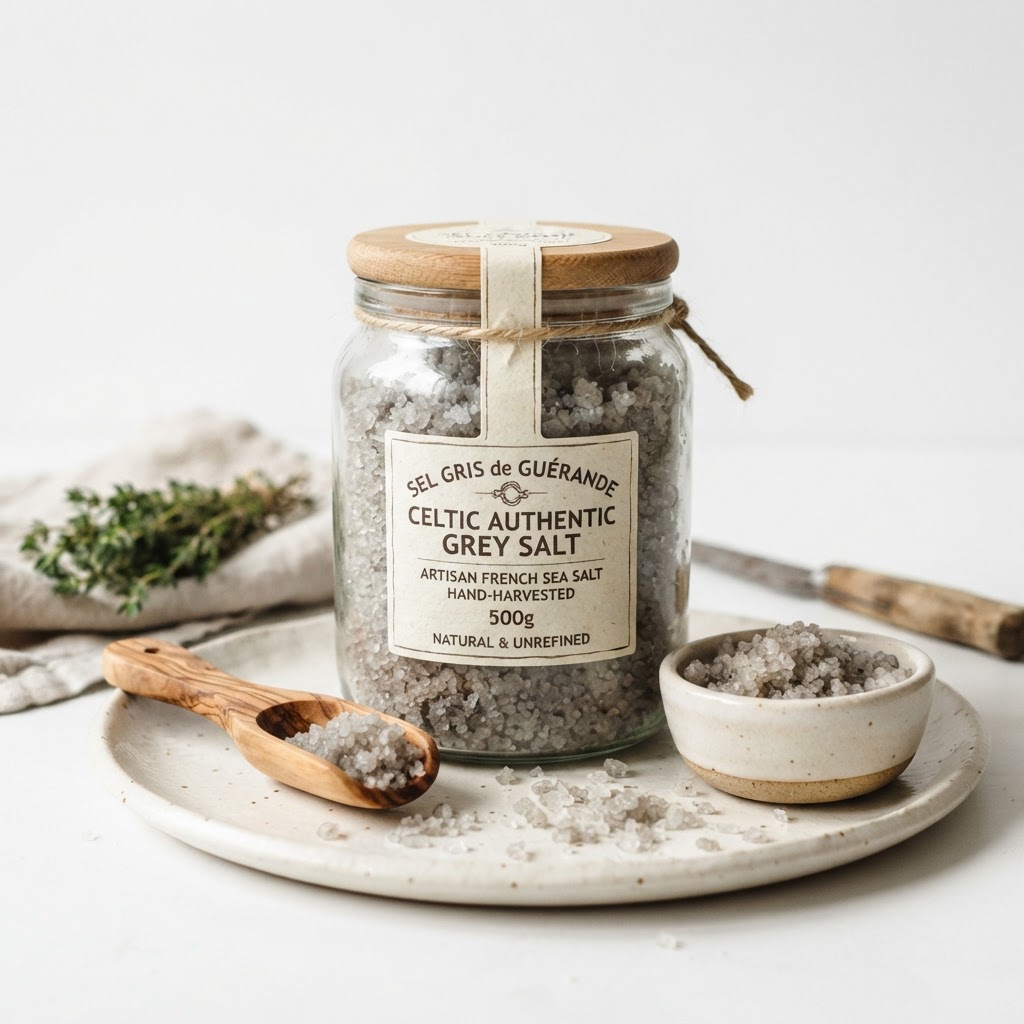
Authenticity is everything when it comes to pure Celtic salt, and unfortunately the market contains many products that use the word "Celtic" loosely without meeting the standards of genuine Guérande salt. Authentic Celtic grey salt from Guérande should carry the "Sel de Guérande" geographical indication label, should be visibly grey or greyish-white (not pure white), should feel moist to the touch, and should have a complex, briny, mineral-rich flavour that goes far beyond ordinary saltiness. Products that are pure white, free-flowing, and completely dry are almost certainly refined and should not be considered equivalent. At celtic-salt.com, every product is sourced directly from the Guérande marshes, ensuring complete traceability and guaranteed authenticity from salt pan to table.
Health and Culinary Benefits
The health and culinary benefits of pure Celtic salt are well-documented in nutritional research, chef testimonials, and the lived experience of millions of consumers worldwide who have made the switch from refined to unrefined salt. From a culinary perspective, the difference is immediately apparent. Pure Celtic grey salt has a rounder, more complex flavour than refined table salt. Where refined salt delivers a sharp, one-dimensional burst of sodium chloride, Celtic salt offers a layered taste experience that includes subtle mineral notes, a gentle oceanic quality, and a lingering depth of flavour that enhances food without overpowering it. This complexity is not accidental — it is the direct result of the diverse mineral content that pure Celtic salt retains from its natural origin.
Chefs across Europe and increasingly around the world have long recognised the superior culinary performance of pure Celtic salt. It dissolves more evenly than heavily processed salts, it seasons food more consistently, and because of its mineral richness, many cooks find they actually use less of it to achieve the same level of flavour satisfaction. This is a practical benefit with genuine health implications — if you can season food effectively with a smaller quantity of a mineral-rich salt, your overall sodium intake may be more moderate while your intake of beneficial trace minerals increases simultaneously. Fleur de sel, the premium finishing variety of pure Celtic salt, is particularly prized in fine dining for its delicate crunch and ability to elevate simple dishes — a sprinkle of fleur de sel on a piece of grilled fish, a ripe tomato, or a square of dark chocolate can transform an ordinary ingredient into something extraordinary.
From a nutritional science perspective, the mineral content of pure Celtic salt is a genuine area of interest. Research into electrolyte balance has consistently shown that sodium does not function in isolation in the human body — it works in concert with potassium, magnesium, calcium, and other minerals to maintain fluid balance, nerve function, muscle contraction, and cellular health. Consuming sodium in a natural mineral matrix, as provided by pure Celtic salt, may support these electrolyte relationships more effectively than consuming isolated sodium chloride from refined salt. While we emphasise that pure Celtic salt is a food product and not a medicine, the growing body of nutritional research into the importance of mineral-rich whole foods strongly supports the choice of unrefined, naturally mineral-rich salt over its industrial counterpart. Learn more about the mineral content and nutritional aspects of Celtic salt by reading our detailed guide on Celtic salt minerals and their role in everyday nutrition.
Athletes and physically active individuals have taken particular notice of pure Celtic salt in recent years. Electrolyte balance is critical during physical exertion, and many sports nutrition experts now recommend natural, mineral-rich salts as a more holistic approach to electrolyte replenishment than synthetic supplements alone. The combination of sodium, potassium, and magnesium naturally present in pure Celtic salt aligns closely with what the body loses through sweat during intense physical activity. Adding a pinch of pure Celtic grey salt to water or a post-workout meal is a simple, whole-food approach to electrolyte support that an increasing number of fitness enthusiasts and professional athletes are incorporating into their routines. Similarly, those interested in fermentation, pickling, and preservation have long known that unrefined salt produces superior results — the trace minerals it contains support beneficial microbial activity in fermented foods like sauerkraut, kimchi, and sourdough in ways that refined salt simply does not.
How to Use Pure Celtic Salt — Expert Tips
Knowing how to use pure Celtic salt correctly is key to getting the most from this exceptional ingredient. Because it comes in different forms — primarily the coarser grey salt and the finer fleur de sel — the appropriate application for each variety differs significantly. Here is a comprehensive guide to using pure Celtic salt like a professional cook or a knowledgeable home chef.
Cooking and Seasoning: The coarser grey Celtic salt is the workhorse of the kitchen. Use it to season cooking water for pasta, rice, vegetables, and legumes. Add it to marinades, brines, and spice rubs for meat and fish. Season sauces, soups, and stews during cooking. Because of its moist texture and mineral richness, grey Celtic salt integrates beautifully into cooked dishes, imparting flavour depth that refined salt cannot match. If you are grinding it fresh, use a ceramic or acrylic salt grinder — avoid metal grinders, as the moisture content of Celtic salt can cause corrosion over time.