What Is Natural Salt for Baby Food and Why It Matters in 2026
As parents become increasingly informed about what goes into their children's earliest meals, the question of whether to use natural salt for baby food — and how to do so safely — has moved to the forefront of nutritional discussions. In 2026, with more families turning away from ultra-processed convenience foods and toward whole, minimally processed ingredients, the conversation around salt in infant and toddler feeding has never been more nuanced or more important. Natural salt, in contrast to heavily refined table salt, retains a complex mineral profile that simply cannot be replicated in a laboratory. For parents who are already choosing organic vegetables, pasture-raised meats, and filtered water for their little ones, understanding the role of natural salt is a logical and essential next step.
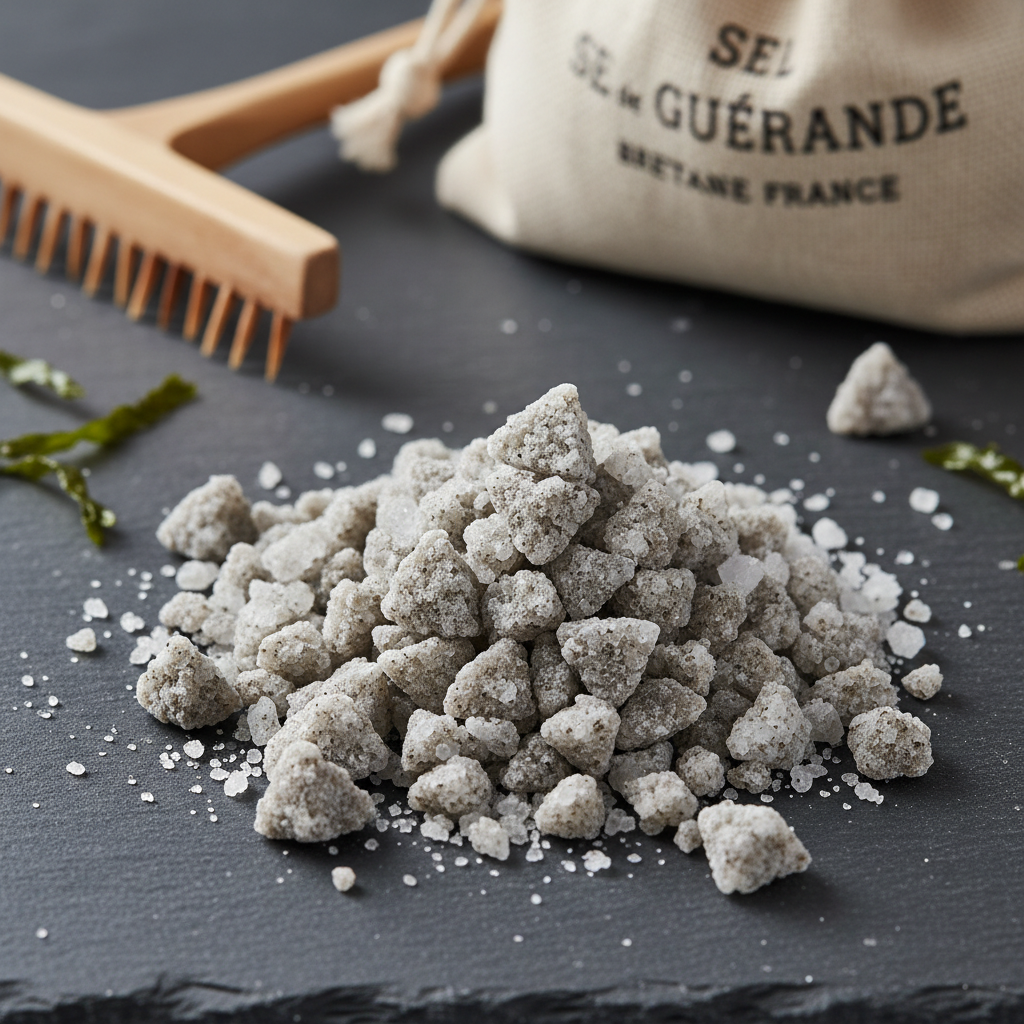
Natural salt for baby food refers to unrefined salt harvested from pristine environments without chemical processing, bleaching, or the addition of anti-caking agents. Unlike conventional table salt — which is stripped of virtually all minerals except sodium chloride and then fortified with iodine and treated with flow agents — natural salt retains dozens of naturally occurring trace minerals in their original, bioavailable forms. These include magnesium, calcium, potassium, and more than 80 additional trace elements found in authentic artisanal salts such as Celtic grey salt from Guérande, Brittany. The presence of these minerals is not merely incidental; they play real roles in enzyme function, bone development, and electrolyte balance in growing children. When we talk about using salt in baby food, we are really talking about the difference between adding a biologically active food ingredient and simply adding a flavour enhancer.
The timing of when to introduce salt into a baby's diet is carefully regulated by paediatric health guidelines around the world, and for good reason. Infants under 12 months have immature kidneys that are not fully equipped to process excess sodium. However, this recommendation is specifically about added salt — not the naturally occurring sodium found in breast milk, formula, or major grocery stores. Once a toddler transitions past their first birthday and begins eating a wider variety of family foods, very small and carefully measured amounts of high-quality natural salt can be introduced thoughtfully. This is where the choice of salt type becomes particularly meaningful: a natural, mineral-rich salt offers something that refined salt simply cannot — gentle, whole-food mineral complexity alongside its sodium content. Parents who understand this distinction are better equipped to make informed choices that support their child's long-term health.
In 2026, the movement toward clean-label, traceable food sourcing has given parents more tools than ever to research exactly where their ingredients come from and how they are produced. This is especially true for salt, a product that was, for decades, considered so mundane that its provenance was never questioned. Today, parents in wellness communities, paediatric nutrition forums, and integrative health practices are asking where their salt was harvested, how it was processed, and whether it contains additives. The answer to all of these questions matters profoundly when the recipient of that salt is a small child whose developing body is exquisitely sensitive to both nutritional deficiencies and excesses. Choosing an IGP-certified, hand-harvested natural salt like Celtic grey salt from Guérande is one of the most straightforward ways a parent can upgrade the mineral quality of everything they cook for their growing family.
The Science Behind Natural Salt for Baby Food
Understanding the science of natural salt in infant and toddler nutrition requires a brief look at human physiology. Sodium is an essential electrolyte — it regulates fluid balance, supports nerve signal transmission, and enables muscle contraction, including the contraction of the heart. Babies receive adequate sodium through breast milk and formula during their first year, which is why no added salt is recommended during that window. However, as children transition to solid foods and their sodium intake from milk decreases, small amounts of dietary sodium from whole-food sources become increasingly appropriate. The kidneys of a toddler aged 12 months and older have matured considerably, and they can process moderate amounts of sodium far more efficiently than those of a newborn. What remains critical is the form and quantity of that sodium, which is why natural salt is so relevant to this conversation.
Trace minerals present in unrefined natural salt are not simply bystanders to sodium's role in the body. Magnesium, for example, is a cofactor in over 300 enzymatic reactions and plays a crucial role in muscle function, energy metabolism, and bone mineralisation — all processes that are in high gear during a child's early years of rapid growth. Calcium supports skeletal development, and potassium works in concert with sodium to maintain healthy cellular fluid balance. When these minerals are consumed together in their naturally occurring ratios, as they are in an unrefined salt like Guérande Celtic grey salt, they work synergistically rather than in isolation. This is fundamentally different from what happens when a child consumes refined sodium chloride, which provides none of these co-factors and may actually displace more mineral-balanced foods when consumed in excess.
Research into the long-term effects of early dietary patterns consistently shows that the flavour preferences and nutritional habits formed in the first two to three years of life have lasting impacts on food choices throughout childhood and beyond. Introducing natural, subtly mineral-flavoured salt in tiny amounts during toddlerhood may help children develop a palate that finds real, whole foods satisfying — rather than craving the sharp, high-sodium flavour profile of ultra-processed snacks. There is also growing scientific interest in how the mineral co-factors in natural salt interact with the gut microbiome, an ecosystem that is being established in profound and lasting ways during early childhood. While research in this specific area is still emerging, the broader scientific picture supports the principle that minimally processed, mineral-rich ingredients are preferable to refined ones when feeding developing bodies and minds.
| Salt Type | Processing Level | Trace Minerals | Additives | Sodium per Serving |
|---|---|---|---|---|
| Refined Table Salt | Heavily refined, bleached | Virtually none (stripped) | Anti-caking agents, iodine | High (pure NaCl concentrate) |
| Celtic Grey Salt (Guérande) | Unrefined, hand-harvested | 80+ including Mg, Ca, K | None | Moderate (balanced with minerals) |
| Sea Salt (generic refined) | Refined, dried | Minimal | Sometimes anti-caking agents | High |
| Rock Salt (generic) | Variable | Variable | Variable | Variable |
How to Use Natural Salt for Baby Food — Complete Guide
The first and most important rule when considering natural salt for baby food is this: no added salt of any kind before 12 months of age. This is not a recommendation to debate or work around — it is a firm guideline from paediatric health authorities worldwide, and it exists because infant kidneys are simply not mature enough to handle the additional sodium burden. During this period, breast milk and infant formula provide precisely calibrated sodium levels, and any additional salt — even the highest quality natural salt — introduces an unnecessary and potentially harmful load. The good news is that babies do not need salt to enjoy food. Their palates are beautifully receptive to the natural flavours of steamed vegetables, pureed legumes, and gentle herbs. The absence of added salt during this stage is an opportunity, not a limitation.
Once your child has passed their first birthday and is eating a varied diet of family foods, you can begin to consider very small amounts of natural salt in shared family meals. The key word here is small. Recommended sodium intake for toddlers aged 1–3 years is approximately 800mg per day, which can be achieved quite easily through the natural sodium present in whole foods like eggs, legumes, meat, and dairy. When you do add salt to a toddler's meal, think in terms of a very light pinch — far less than you would use for an adult portion. With a high-quality Celtic grey salt from Guérande, which carries its natural mineral complexity, even the tiniest amount contributes flavour and mineral diversity without overwhelming a small child's palate or their kidneys.
The difference a real salt makes: Discover Celtic Grey Salt →
Here is a practical step-by-step guide to incorporating natural salt into toddler meal preparation:
- Confirm age appropriateness: Only consider adding salt once your child is 12 months or older, has been cleared by their paediatrician for a varied solid food diet, and is eating a good range of whole foods.
- Choose a high-quality natural salt: Select an unrefined, additive-free salt with a verified origin and certification. IGP-certified Celtic grey salt from Guérande, Brittany is an excellent choice given its traceable provenance and mineral richness.
- Start with the smallest possible amount: When cooking shared family meals, add a tiny pinch at the end of cooking rather than throughout the cooking process. This gives you maximum control over the total salt content.
- Cook from scratch: Avoid jarred sauces, stock cubes, processed condiments, and packaged foods when preparing toddler meals, as these are often very high in sodium and will push your child's total daily intake far above recommended levels even before you consider any added salt.
- Taste and adjust with restraint: Always taste your child's food before serving. It should taste pleasantly mild to you — if it tastes well-seasoned by adult standards, it likely contains too much salt for a small child.
- Grind or dissolve for even distribution: Because natural grey salt like Guérande Celtic salt has a slightly moist, coarse texture, grinding it finely or dissolving it in a small amount of cooking liquid before adding to purees ensures even distribution and prevents any child from encountering a concentrated salty bite.
- Monitor total daily sodium: Keep a rough mental tally of sodium sources across the day — cheese, bread, eggs, and meat all contain natural sodium. Added salt from any source should supplement these foods modestly, not dominate them.
Practical tips for everyday cooking: Use natural salt to season the pot of pasta water or soup stock that the whole family shares. When roasting vegetables for a toddler, a very light dusting of finely ground Celtic grey salt before roasting can enhance natural sweetness and make vegetables more appealing to young eaters. When making homemade bone broth — an excellent mineral-rich food for toddlers — a small pinch of natural salt at the end of the cooking process helps bring out the complex flavours without adding excess sodium. Always keep natural salt in a sealed container away from heat and light to preserve its mineral content and prevent clumping.
Benefits of Natural Salt for Baby Food Backed by Evidence
One of the most compelling arguments for choosing natural salt over refined table salt in family cooking — including meals shared with toddlers — is the superior mineral bioavailability it offers. When minerals occur together in their natural matrix, as they do in an unrefined salt like Guérande Celtic grey salt, the body is better equipped to recognise, absorb, and utilise them than when they are consumed in isolated, synthetic form. Magnesium, for instance, is a mineral that is chronically under-consumed across all age groups in modern Western diets. Small, consistent contributions from a mineral-rich natural salt used in daily cooking can make a meaningful difference over time, particularly during the rapid growth phase of early childhood when magnesium is needed for skeletal development, muscle function, and neurological maturation.
Evidence from nutritional science consistently supports the view that the overall dietary pattern matters more than any single food, but the quality of individual ingredients within that pattern still has significance. A family that cooks from scratch using whole foods, high-quality fats, and an unrefined natural salt is creating a fundamentally different nutritional environment for their child than one that relies on packaged convenience foods even occasionally seasoned with a premium salt. The cumulative benefit of consistently using a clean, mineral-rich salt is that every home-cooked meal becomes a vehicle for trace mineral delivery. Over months and years of early childhood, this kind of quiet, consistent nutritional support adds up in ways that are hard to quantify but aligned with the best available evidence on whole-food dietary patterns and long-term health outcomes.