Hand-harvested Guérande salt · Tracked international delivery included
Guide· by Celtic Salt Editorial Team
Natural Celtic Salt
Introduction — Why natural celtic salt Matters in 2026
In 2026, as the world becomes increasingly aware of the importance of sustainable and natural food sources, natural Celtic salt stands out not just as a seasoning, but as a symbol of purity and tradition. Originating from the storied coastal region of Brittany in France, specifically from the salt marshes of Guérande, this artisanal salt is a testament to centuries of craftsmanship. In a time when synthetic additives and heavily processed ingredients dominate the market, a return to natural sources is refreshing and necessary. Natural Celtic salt, with its unique mineral composition and flavor profile, offers not only a way to elevate culinary experiences but also aligns with the growing demand for transparency and sustainability in our food choices.
Moreover, the methods of harvesting Celtic salt involve traditional practices that support local economies and promote respect for nature. As consumers become more conscious of their impact on the environment, foods that uphold ethical standards, such as natural Celtic salt, will become increasingly valuable. This article explores everything you need to know about natural Celtic salt, from its origins and benefits to practical applications in your kitchen.
What Is natural celtic salt?
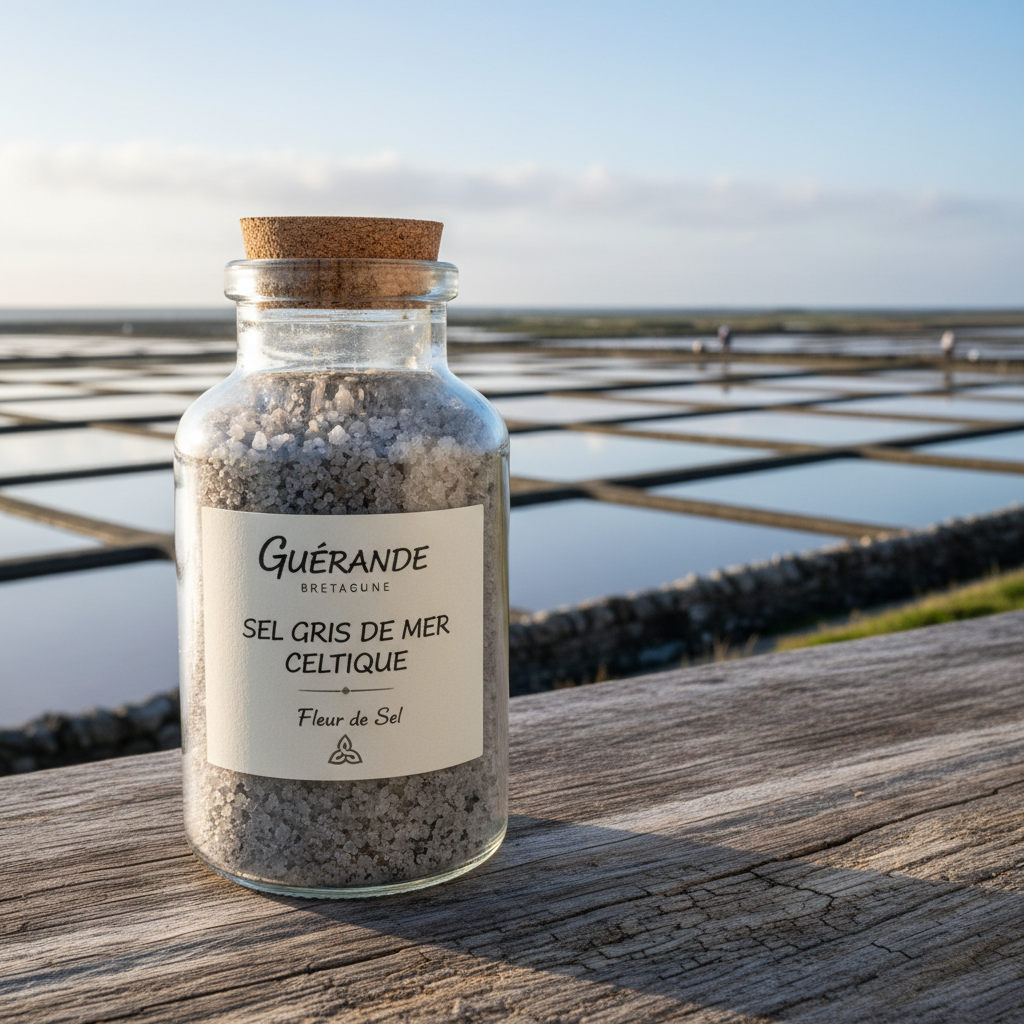
Natural Celtic salt, often referred to as grey salt, is derived from the pristine salt marshes of the Brittany region in France. The harvesting process is carried out by skilled artisans known as paludiers, who have perfected the craft of salt extraction over generations. Unlike table salt, which is typically heavily processed and stripped of its natural minerals, Celtic salt is harvested manually, ensuring that it retains its rich mineral content.
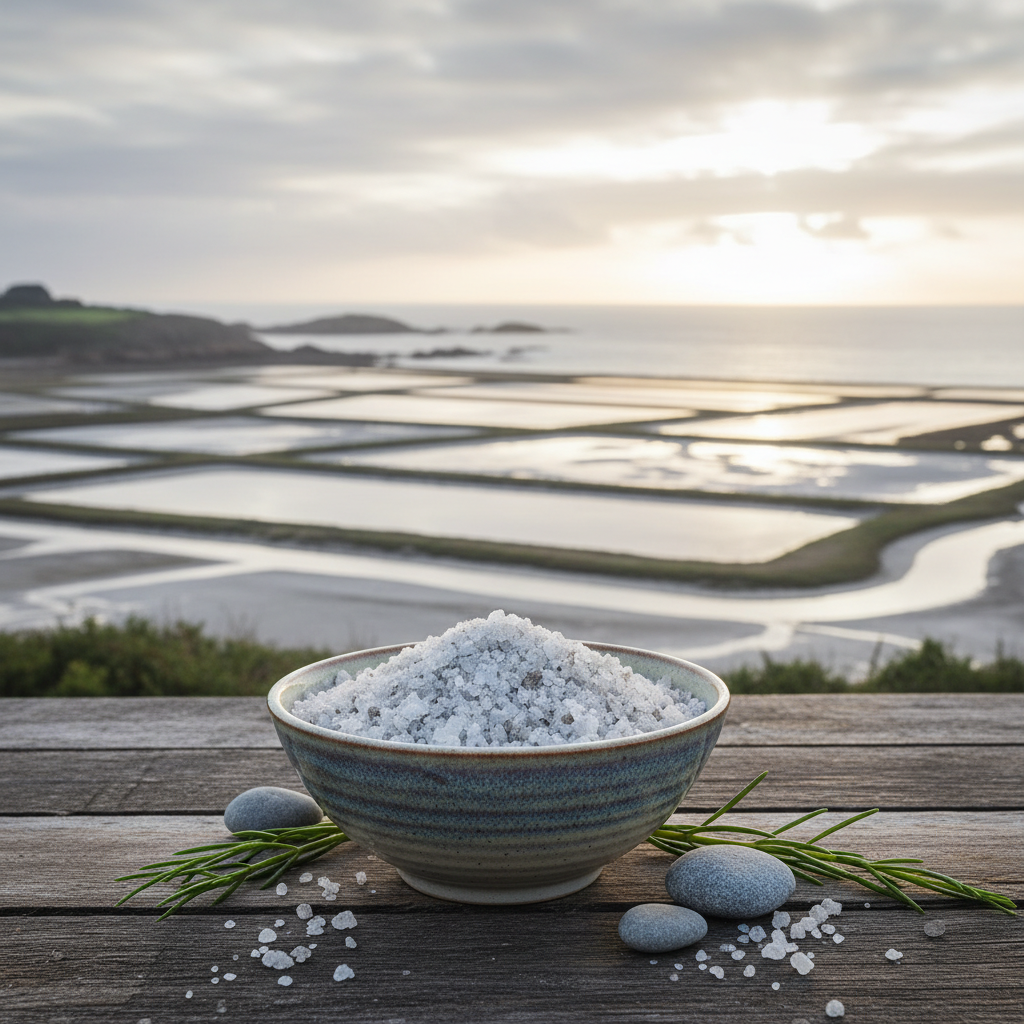
The salt crystals themselves are often grey in color, a result of the clay and mineral-rich environment of the salt pans. This unique coloration is not merely aesthetic; it reflects the salt's natural state, vibrant with essential nutrients. The process of harvesting involves gathering sea water in shallow ponds and allowing it to evaporate naturally under the sun and wind, a practice that embodies both tradition and sustainability.
Notably, natural Celtic salt is not iodized or bleached, meaning it retains the trace elements that contribute to its unique flavor and health benefits. This purity, along with its historical roots, differentiates it from other types of salt found on the market. As consumers seek more wholesome ingredients, natural Celtic salt represents a step back to simpler, more authentic food practices.
Key Benefits and Properties
Natural Celtic salt is revered not only for its culinary uses but also for its rich mineral content and various benefits. One of the key attributes of this salt is its high mineral profile, which includes magnesium, potassium, calcium, and iron — elements essential for maintaining good health, albeit not through medical claims.
The unique mineral balance found in Celtic salt enhances the flavor of foods without overpowering them. Chefs often prefer it for its subtle, complex taste, which can elevate dishes ranging from meats and vegetables to breads and desserts. Its moisture-retaining properties also make it an excellent choice for seasoning, as it adheres well to food surfaces, ensuring flavor enhancement without excessive salinity.
Another significant feature of natural Celtic salt is its lower sodium content compared to regular table salt. The naturally occurring minerals can improve the body's hydration levels, which is particularly beneficial in culinary applications where balance is key. The traditional harvesting methods employed by paludiers also mean that this salt is produced in a sustainable manner, preserving local ecosystems and supporting artisanal communities.
Beyond culinary uses, natural Celtic salt holds cultural significance, representing a link to the ancient practices of salt harvesting. It has been valued for centuries and continues to be a staple in many households, aligning with trends toward local and organic sourcing. This makes natural Celtic salt not just a seasoning, but a meaningful element of gastronomic heritage.
How to Use natural celtic salt: Practical Guide
Using natural Celtic salt in your kitchen can profoundly impact the flavors and textures of your dishes. Here’s a practical guide on how to make the most of this unique ingredient:
1. **Seasoning:** Natural Celtic salt is best used as a finishing salt due to its delicate crystals and rich mineral flavor. Sprinkle it over roasted vegetables, grilled meats, or fresh salads just before serving to bring out vibrant flavors.
2. **Cooking and Baking:** When integrating Celtic salt into cooking or baking, it can be used to enhance the flavor of dishes. For instance, add it to dough while preparing breads or pastries for a subtle salty note that balances sweetness.
3. **Brining:** Utilize natural Celtic salt for brining meats. Its finer texture allows for an even distribution in liquid, ensuring that the meat is well-seasoned and tender. Combine it with herbs and spices for a delicious brine.
4. **Salt Crusts:** Create a crust on meats or fish using Celtic salt mixed with herbs and spices. This technique not only infuses flavors but also helps retain moisture during cooking.
5. **Cooking Vegetables:** Use Celtic salt to season boiling water when cooking vegetables to help retain their vibrant colors and textures. A pinch added while roasting vegetables enhances their natural sweetness.
6. **Salty Treats:** Experiment with Celtic salt in sweet dishes, such as brownies or caramels. A small sprinkle can elevate the flavor profile and create delightful contrasts.
7. **Presentation:** Finally, consider using Celtic salt to garnish dishes artistically. Its unique appearance can enhance the visual appeal of your culinary creations.
3. **Ignoring Quality Differences:** Not all brands of Celtic salt are created equal. Avoid purchasing generic or mass-produced salts, as they may lack the complex flavors and benefits associated with traditional Celtic salts.
4. **Storing Incorrectly:** Natural Celtic salt should be stored in a cool, dry place, away from direct sunlight. Avoid storing it in a humid kitchen environment, as this can cause clumping and degradation of quality.
5. **Disregarding Pairing:** While Celtic salt pairs well with various foods, it’s essential to consider the flavor profile of the dish. Avoid using it with very delicate flavors, as it may overpower them. Instead, find a balance where the salt enhances the overall profile.
Frequently Asked Questions
What is the difference between regular salt and natural Celtic salt?
Natural Celtic salt is manually harvested and retains its mineral content, resulting in a grey color and complex flavor, unlike regular salt, which is typically processed and stripped of minerals.
Can I use natural Celtic salt in baking?
Yes, natural Celtic salt can be used in baking. Its unique flavor can enhance bread and pastry recipes, but be mindful of the quantity since it’s more flavor-rich than regular salt.
What recipes work best with natural Celtic salt?
Natural Celtic salt works well in various dishes, including roasted vegetables, grilled meats, and even desserts, where it can provide a delightful contrast to sweetness.
How should I store natural Celtic salt?
Store natural Celtic salt in a cool, dry place in an airtight container to keep it fresh and prevent clumping. Avoid humid environments.
Is natural Celtic salt sustainable?
Yes, natural Celtic salt is sustainably harvested through traditional methods that respect the environment and support local communities, making it a responsible choice for consumers.
Conclusion
Natural Celtic salt is more than just a seasoning; it is a cherished element of culinary culture that embodies a sustainable approach to food. Its distinct flavor and healthful mineral content offer profound enhancements to meals, breathing life into simple dishes and creating extraordinary culinary experiences. As we move into 2026 and beyond, embracing authentic food sources like natural Celtic salt aligns with a broader commitment to conscious consumption and culinary exploration.
As you explore the world of natural Celtic salt, remember the importance of authenticity and quality, ensuring that each pinch you use enriches not just your meals, but also your appreciation of traditional food practices. Incorporate this remarkable salt into your kitchen, and you will discover a world of flavor that celebrates both the past and the future of sustainable gastronomy.
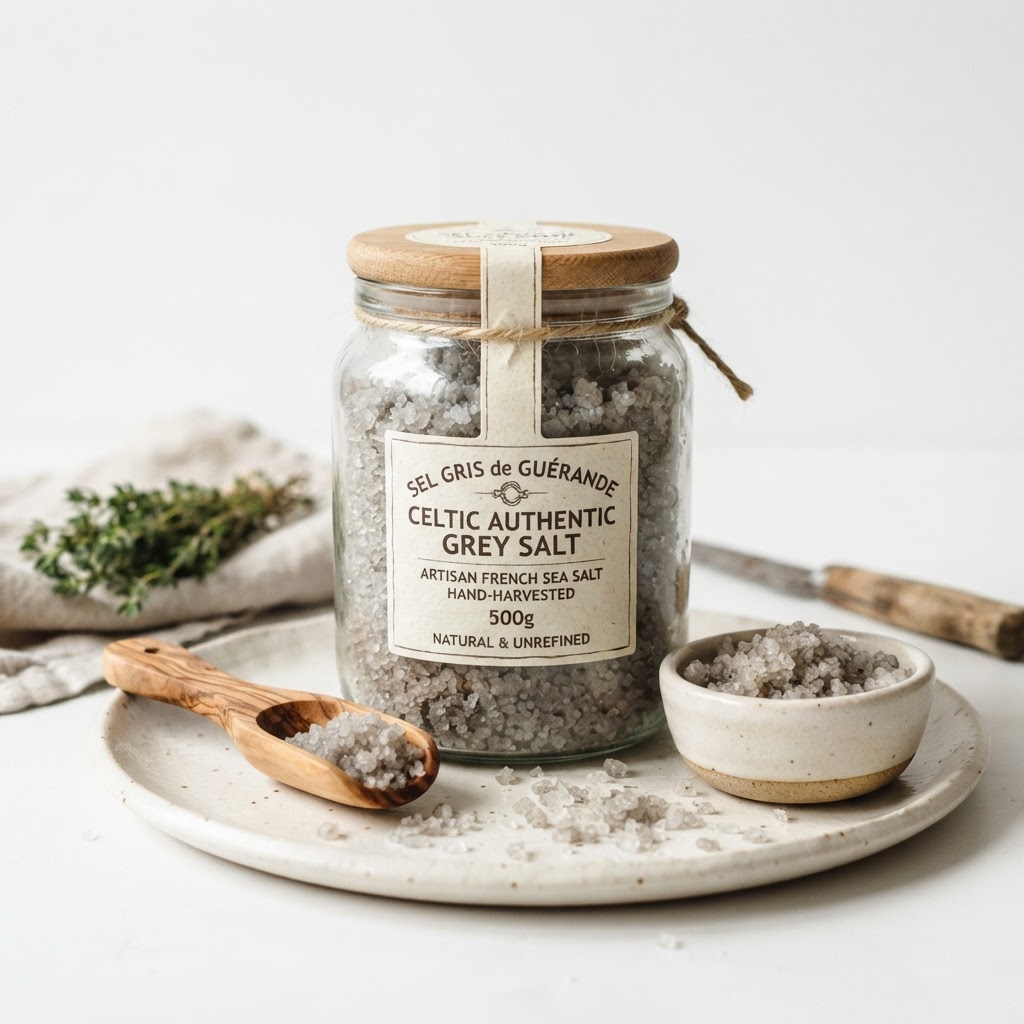
Celtic Salt — IGP Guérande
Hand-harvested by Breton paludiers. 500g / 17.6 oz jar, unrefined, trace minerals whose levels vary by harvest and product.