Hand-harvested Guérande salt · Tracked international delivery included
Guide· by Celtic Salt Editorial Team
Light Grey Celtic Salt
What Is Light Grey Celtic Salt and Why It Matters in 2026
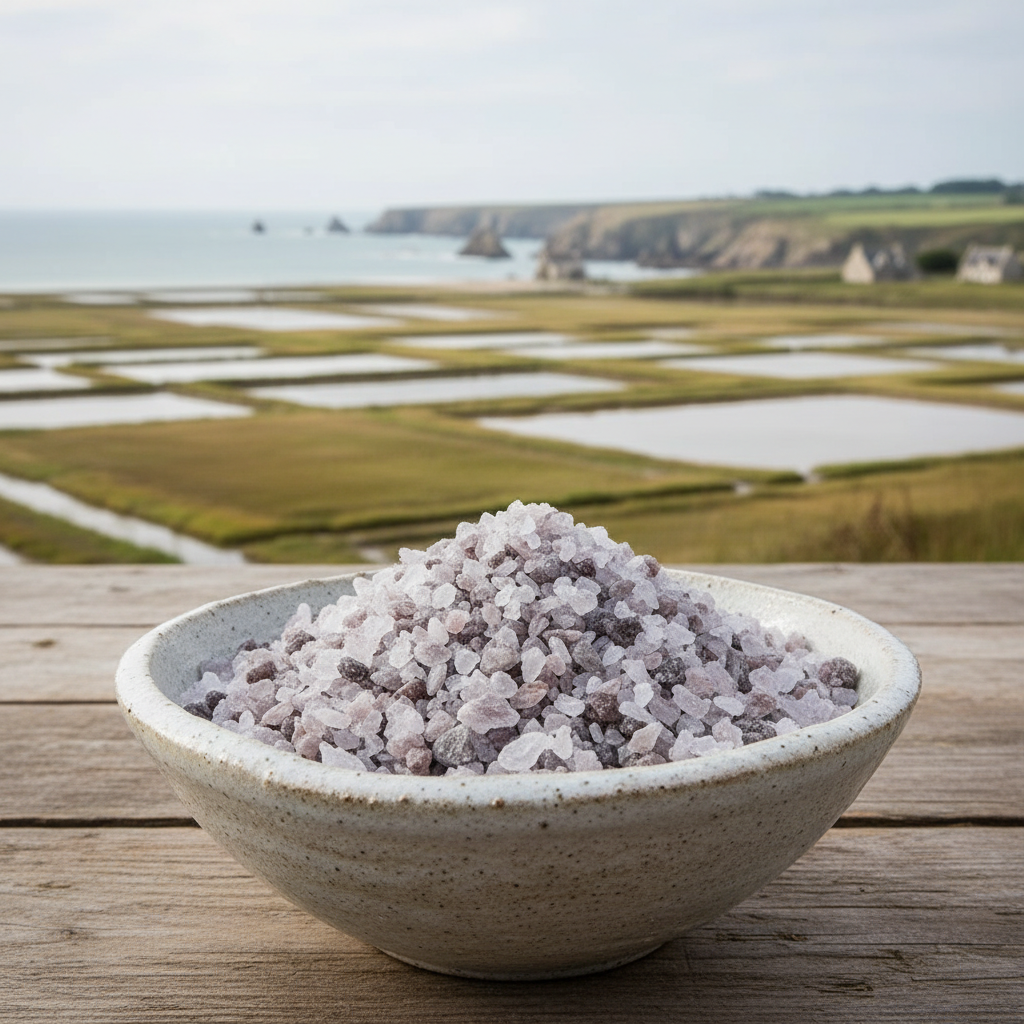
Light grey Celtic salt is one of the most distinctive and celebrated natural salts in the world, harvested by hand from the ancient salt marshes of Guérande, located on the Atlantic coast of Brittany, France. Unlike the heavily processed white table salt that dominates supermarket shelves, light grey Celtic salt retains its natural moisture, its complex mineral profile, and the subtle oceanic character that centuries of traditional salt-making have preserved. The "light grey" designation refers specifically to the delicate silvery-grey hue that comes from the clay-lined basins — called oeillets — where seawater slowly evaporates under the Breton sun and wind. This colour is not an impurity; it is a visual signature of authenticity, a mark that tells you the salt has not been stripped of the minerals and trace elements that make it genuinely different from industrial alternatives.
In 2026, consumer interest in minimally processed, nutrient-rich foods has reached a new peak. People are reading ingredient labels more carefully, asking harder questions about where their food comes from, and increasingly rejecting the idea that "pure white" automatically means better. Light grey Celtic salt fits naturally into this shift in consciousness. As more households move toward whole-food diets, ancestral eating patterns, and clean-label kitchens, the demand for a salt that carries genuine provenance — one tied to a specific geography, a specific tradition, and a specific method of production — has grown substantially. Guérande salt has been produced in the same region for over a thousand years, and the paludiers (salt farmers) who harvest it today still use wooden tools and follow methods passed down through generations. That continuity matters to a growing number of consumers who believe that how food is made is just as important as what it contains.
The practical relevance of light grey Celtic salt in modern kitchens cannot be overstated. Its coarse, moist texture makes it ideal for finishing dishes, brining meats, and seasoning vegetables, while its complex flavour — slightly briny, subtly mineral, with a clean oceanic finish — elevates even the simplest preparations. Chefs across Europe and beyond have long favoured Guérande salt not merely as a marketing story but because it genuinely performs differently in the kitchen. The moisture content means it dissolves more gradually, releasing flavour over time rather than delivering an immediate, sharp saltiness. This quality makes it particularly valuable in slow cooking, fermentation, and curing applications where a measured, even salt distribution matters enormously. Whether you are a professional chef or a home cook who takes seasoning seriously, understanding what light grey Celtic salt is and how to use it is knowledge worth having.
Beyond the kitchen, light grey Celtic salt has attracted attention from wellness communities, nutritionists, and food researchers who are interested in the role of trace minerals in a balanced diet. While it is important not to overstate any specific health claims, the fact that this salt is rich in magnesium, calcium, potassium, and over eighty trace minerals — all naturally present in Atlantic seawater and concentrated through evaporation — makes it a fundamentally different product from refined sodium chloride. In a world where magnesium deficiency is widely discussed and mineral depletion of agricultural soils is a genuine concern, finding foods that naturally deliver a broader spectrum of minerals has real appeal. Light grey Celtic salt, used as part of a balanced and varied diet, represents one accessible and delicious way to incorporate more of the ocean's mineral complexity into everyday eating. That is why, in 2026, this ancient salt from the marshes of Brittany continues to matter more than ever.
The Complete Guide to Light Grey Celtic Salt
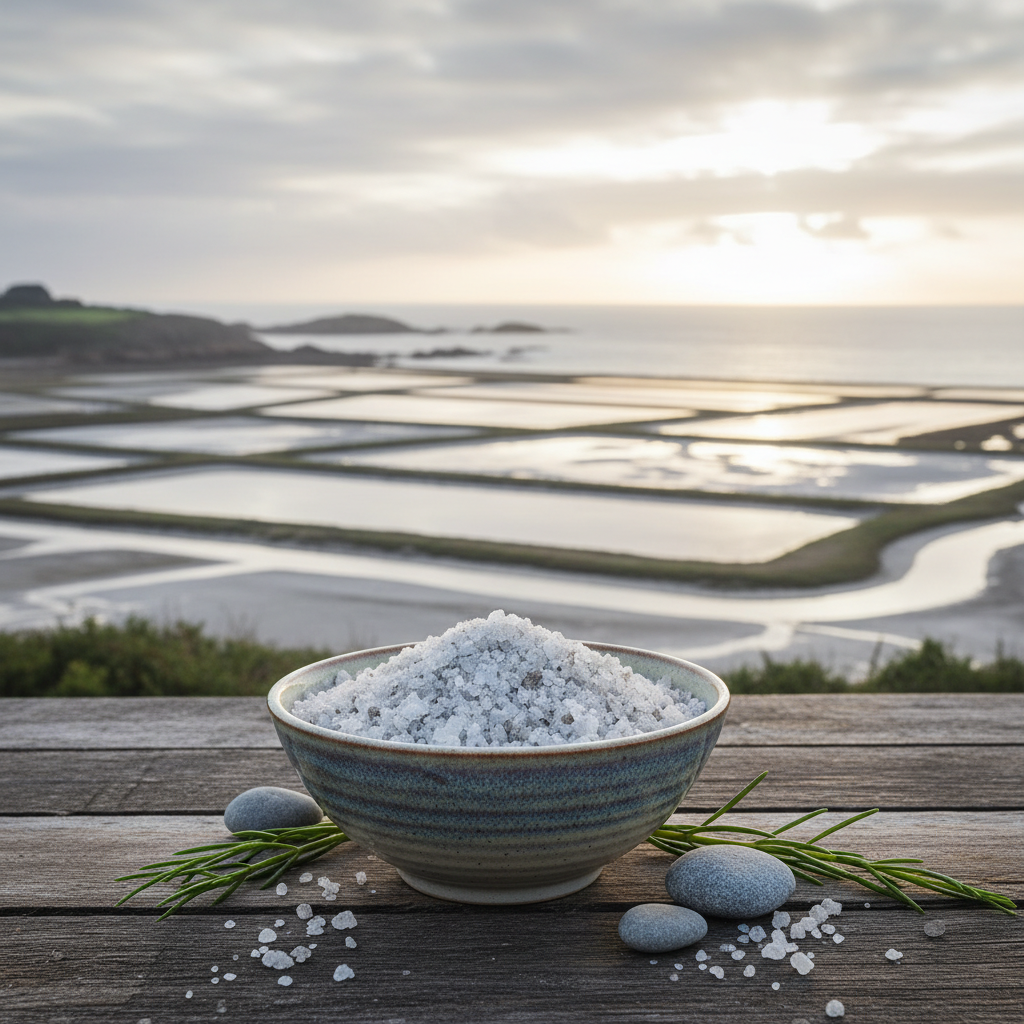
To truly understand light grey Celtic salt, you need to understand where it comes from and how it is made. The salt marshes of Guérande form a vast, carefully engineered landscape on the Breton Atlantic coast. The system of salt pans, channels, and clay basins has been maintained and refined over centuries, designed to allow Atlantic seawater to flow in and evaporate in a controlled sequence. As the water moves through progressively shallower basins, the sun and the region's distinctive coastal winds do their work, concentrating the brine until salt crystals begin to form. The specific character of Guérande salt — its grey colour, its moisture, its mineral richness — comes directly from this environment. The clay substrate of the basins imparts the characteristic grey tone and contributes minerals to the final product. Nothing is added; nothing is removed. The salt you harvest is essentially the sea itself in concentrated form.
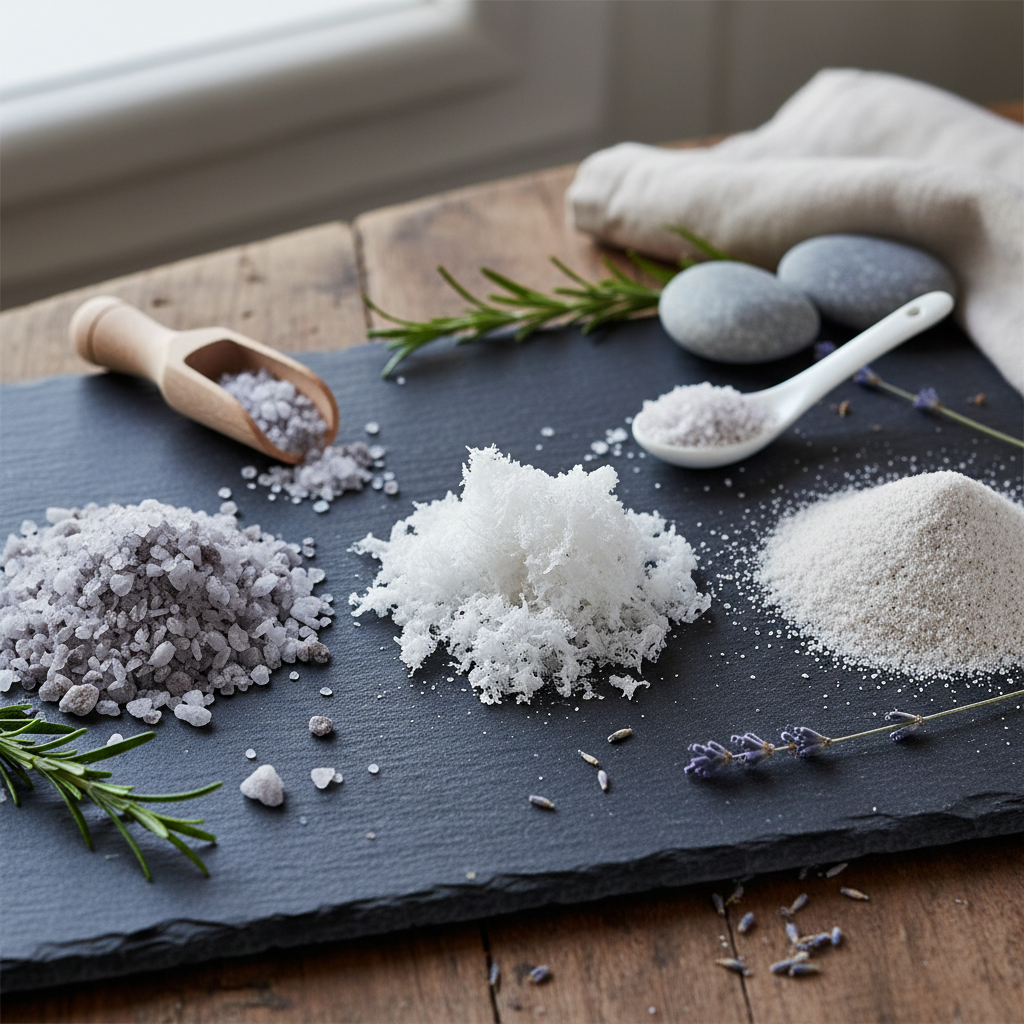
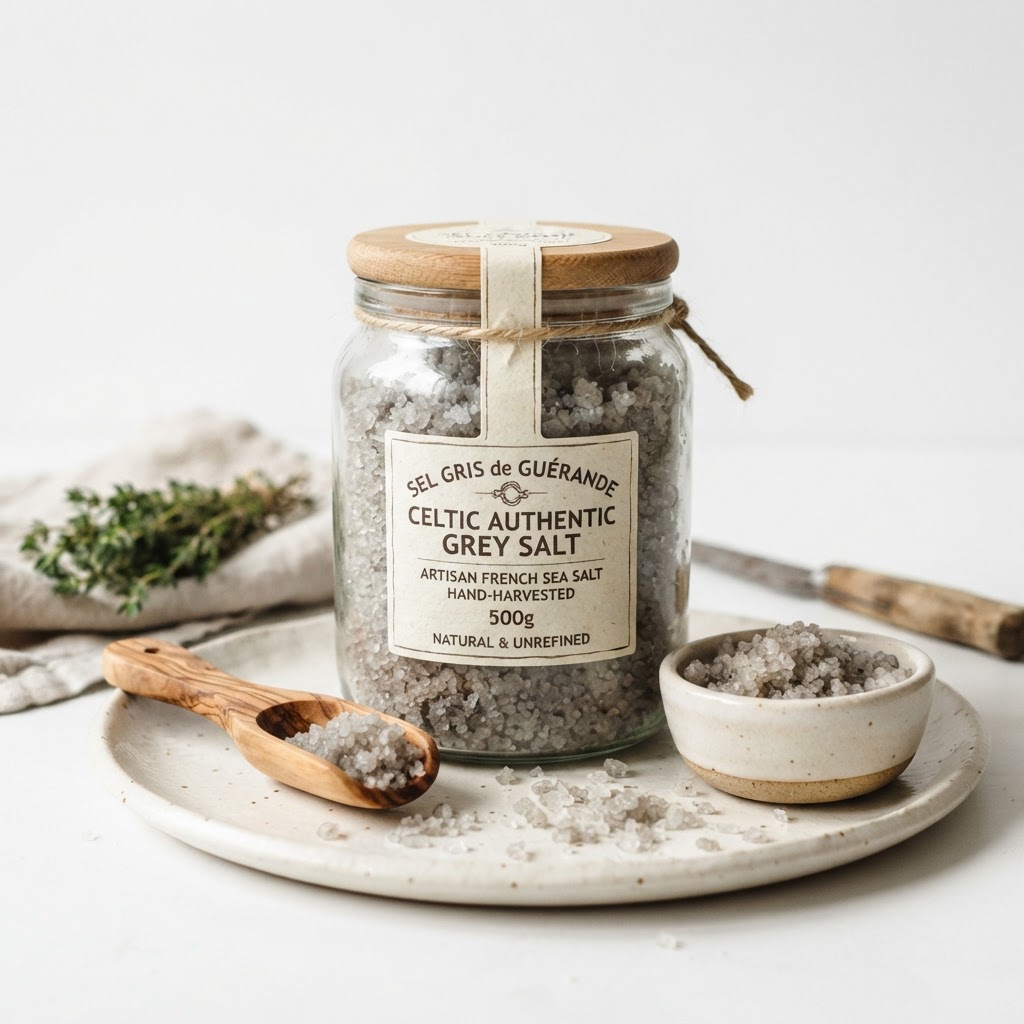
There are two main types of salt produced in Guérande that deserve distinction. The first is fleur de sel, the hand-skimmed flower of salt that forms as a thin crust on the surface of the water on calm, sunny days. It is extraordinarily fine, dry by comparison, and considered the most delicate finishing salt in the world. The second is the grey salt — gros sel gris in its coarser form, and lighter grey salt in its finer, more ground varieties — which is raked from the bottom and sides of the basins. This grey salt is far more abundant and represents the traditional, workhorse salt of Brittany. It carries more clay minerals, more moisture, and a more robust flavour than fleur de sel, making it the choice for everyday cooking, preserving, brining, and seasoning. Light grey Celtic salt, as it is commonly known in English-speaking markets, refers to this grey salt, often ground or milled to a medium or fine consistency that makes it versatile for table and kitchen use alike.
The moisture content of light grey Celtic salt is one of its most defining characteristics. Unlike dried, free-flowing table salt, authentic grey Celtic salt holds between 2% and 10% natural moisture depending on the grade and season. This is not a defect — it is a feature. The moisture is what preserves the mineral profile, prevents the salt from becoming overly harsh, and gives it that characteristic slightly damp, malleable texture that allows it to cling to food surfaces rather than simply bouncing off. When you hold a pinch of authentic light grey Celtic salt between your fingers, you feel it slightly compress, leaving a faint grey tint and a clean oceanic scent. That sensory experience is entirely absent from processed table salt and is one of the clearest indicators of quality and authenticity.
The mineral composition of light grey Celtic salt is broadly impressive. Sodium chloride makes up the majority of the salt, as it does with all salts, but authentic Guérande grey salt contains meaningful quantities of magnesium chloride, calcium, potassium, sulphates, and a wide array of trace elements including zinc, iron, manganese, and iodine — all naturally derived from Atlantic seawater. This naturally occurring iodine is worth noting: while it is present in lower concentrations than the synthetic iodine added to commercial iodised table salt, it is in a more bioavailable, organic form. For people who follow varied, seafood-inclusive diets, the trace iodine in grey Celtic salt contributes meaningfully to their overall intake. The full mineral spectrum is what separates this salt from both refined table salt and from many other specialty salts that may be marketed aggressively but harvested and processed in ways that strip away the very complexity that makes natural salt valuable.
You can explore our full guide to how Celtic salt is harvested to understand the paludier tradition in even greater depth. The craftsmanship behind every grain is what justifies the premium that authentic Guérande salt commands, and understanding that process helps consumers make more informed purchasing decisions in a marketplace that is increasingly crowded with imitations and look-alike products.
Health and Culinary Benefits of Light Grey Celtic Salt
It is important to approach the topic of health and salt with nuance and honesty. Salt is an essential nutrient — the human body cannot function without sodium — but excess sodium consumption has been associated with elevated blood pressure in certain populations. With that baseline established, it is also fair and evidence-grounded to say that not all salts are equal, and that the mineral profile of light grey Celtic salt distinguishes it meaningfully from refined sodium chloride in ways that are nutritionally relevant. The presence of magnesium, for instance, is particularly significant. Magnesium is involved in over three hundred enzymatic processes in the human body, including muscle function, nerve transmission, energy production, and protein synthesis. Many people in modern Western diets do not consume adequate magnesium, and food sources of this mineral are therefore genuinely valuable. While you should not rely on salt alone as a magnesium source, the contribution of grey Celtic salt is a real and legitimate bonus.
From a culinary perspective, the benefits of light grey Celtic salt are both immediate and profound. The first thing most people notice when they switch from refined table salt to grey Celtic salt is that they need to use less of it to achieve the same level of perceived saltiness. This counterintuitive finding is explained by the broader mineral profile and the way these minerals interact with taste receptors on the palate. The magnesium and potassium in the salt modulate and round out the sodium hit, creating a more complex and satisfying seasoning experience that doesn't require the same quantity of pure sodium chloride to feel complete. For people who are trying to manage their overall sodium intake without sacrificing flavour in their cooking, this is a meaningful advantage.
The flavour complexity of light grey Celtic salt also makes it an extraordinary culinary tool. Professional chefs describe it as having a clean, oceanic brininess followed by mineral depth and a long, satisfying finish. This complexity interacts beautifully with a wide range of ingredients: it brightens the natural sweetness of vegetables, enhances the umami depth of proteins, and adds a nuanced counterpoint to chocolate, caramel, and other sweet preparations where a finishing salt is used. Unlike table salt, which contributes a flat, sometimes harsh, one-dimensional saltiness, grey Celtic salt layers flavour in a way that elevates the entire dish. This is why it has been a staple in French professional kitchens for generations and why its reputation has spread steadily across the globe as more cooks discover the difference it makes.
The fermentation and preservation community has also embraced light grey Celtic salt enthusiastically. Traditional lacto-fermentation — the process behind kimchi, sauerkraut, traditional pickles, and cultured dairy — depends entirely on salt for its chemistry. The salt creates an environment that suppresses harmful bacteria while allowing beneficial lactobacillus cultures to thrive. Grey Celtic salt, with its natural mineral content and the absence of anti-caking agents or additives that could interfere with the fermentation process, is widely regarded as one of the best salts for this purpose. The minerals present in the salt may also contribute to the nutritional density of the finished fermented product, though this is an area where more research is ongoing. For anyone interested in home fermentation, using a clean, additive-free salt like light grey Celtic salt is not just a lifestyle choice — it is genuinely better for the process. Read our dedicated guide to using Celtic salt for fermentation for detailed instructions and recipes.
How to Use Light Grey Celtic Salt — Expert Tips
Using light grey Celtic salt well is largely about understanding its texture, moisture content, and flavour profile, and matching those qualities to the right application. The coarser grades of grey Celtic salt — gros sel — are best suited for applications where you want slow, gradual salt penetration: brining whole chickens or turkeys, curing fish, making traditional salt cod, or seasoning large cuts of meat before a long, slow roast. The salt's moisture helps it adhere to surfaces and begin drawing out and then reabsorbing juices, which is precisely the mechanism behind the tenderising and flavour-enhancing effects of a proper brine or dry cure. Use coarse grey salt generously in these applications without fear — much of it will not be consumed directly, serving instead as a functional seasoning tool.
For everyday table and cooking use, a medium or fine-ground light grey Celtic salt is most practical. At this grind, the salt dissolves readily in cooking water, distributes evenly across salad greens, and can be used in place of table salt in virtually any recipe with only minor quantity adjustments. A useful rule of thumb: because grey Celtic salt is slightly less intensely salty by volume than refined table salt (due to its moisture content and the presence of other minerals), you may initially want to use the same quantity as your recipe calls for and then adjust to taste. Most people find that over time, they naturally gravitate toward using slightly less because the more complex mineral flavour is more satisfying.